
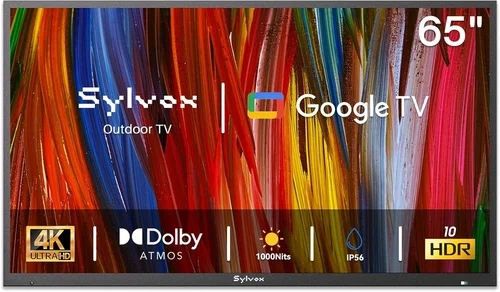
If you’ve ever dreamed of enjoying your favorite shows, movies, or live sports while soaking up the sun on your balcony or unwinding in your garden, you’re not alone. Outdoor entertainment has surged in popularity over the past few years—driven by lifestyle shifts, remote work flexibility, and a growing desire to maximize every square foot of living space. A garden TV isn’t just a luxury anymore; for many, it’s a practical way to blend leisure with fresh air. But here’s the catch: outdoor TVs can be expensive, and not everyone wants (or needs) to drop thousands of dollars on a weatherproof display built for extreme conditions.
That’s where budget garden TVs come in. These affordable alternatives offer a smart compromise—delivering decent picture quality, basic weather resistance, and portability without the premium price tag. Whether you have a small urban balcony, a cozy backyard patio, or a covered porch, there’s likely a budget-friendly option that fits your space and lifestyle. This guide is designed specifically for those who want to enjoy outdoor viewing without breaking the bank. You’ll learn how to identify the right features, avoid common pitfalls, compare different types of outdoor displays, and ultimately make a purchase that delivers real value for your money.
In this comprehensive buying guide, we’ll walk you through everything you need to know about choosing a budget garden TV in 2026. We’ll cover the essential factors to consider—from screen size and brightness to durability and connectivity—and explain why each matters in an outdoor setting. You’ll also find a detailed comparison of different TV categories, expert tips for scoring the best deals, and clear budget guidelines so you know exactly how much to spend based on your needs. Whether you’re a first-time buyer or upgrading from an old indoor TV used outdoors, this guide will equip you with the knowledge to make a confident, informed decision.
The market for outdoor TVs has evolved significantly. While fully sealed, commercial-grade outdoor models still dominate high-end installations, consumer demand has spurred manufacturers to develop more accessible options. Brands like Samsung, LG, TCL, and Hisense now offer “outdoor-ready” or “semi-outdoor” models at lower price points, often leveraging existing indoor TV designs with added protective features. Meanwhile, niche brands and third-party enclosures have emerged to help repurpose standard TVs for outdoor use. This means more choices than ever—but also more confusion. Our goal is to cut through the noise and help you focus on what truly matters: getting a reliable, enjoyable viewing experience outdoors, without overspending.

What to Look for When Buying a Budget Garden TV
1. Budget & Price Range
Setting a realistic budget is the first and most important step in your buying journey. Budget garden TVs typically range from $200 to $800, depending on screen size, features, and brand. While it’s tempting to go as low as possible, remember that outdoor use demands certain compromises—especially in durability and brightness. A $200 TV might work fine under a covered patio with minimal sun exposure, but it could struggle on an open balcony where glare and weather are concerns.
To get the best value, aim for the sweet spot between $350 and $600. In this range, you’ll find 32- to 55-inch models with decent brightness (at least 300 nits), basic weather resistance, and smart features like built-in streaming apps. Avoid ultra-cheap models under $150—they often lack essential protections and may degrade quickly when exposed to humidity or temperature swings. Also, factor in additional costs like mounting hardware, extension cords, or a protective cover if needed.
2. Screen Size & Viewing Distance
Choosing the right screen size depends heavily on your outdoor space and how far you’ll be sitting from the TV. For most balconies and small patios, a 32- to 43-inch screen is ideal. These sizes provide a comfortable viewing experience without overwhelming the space or requiring a large mounting setup. If you have a deeper patio or outdoor seating area, consider stepping up to a 50- or 55-inch model—but only if you’re seated at least 6–8 feet away.
A common mistake is buying a TV that’s too big for the space. A massive 65-inch screen might look impressive, but on a narrow balcony, it can feel cramped and cause eye strain. Use the “1.5 to 2.5 times rule”: multiply your viewing distance (in inches) by 1.5 to 2.5 to find the optimal screen diagonal. For example, if you’re sitting 72 inches (6 feet) away, a 43- to 60-inch TV would be suitable. Also, consider the TV’s aspect ratio—most modern sets are 16:9, which works well for movies and streaming, but ensure your mounting location allows for proper horizontal placement.
3. Brightness & Anti-Glare Performance
One of the biggest challenges with outdoor TVs is ambient light. Even on a cloudy day, outdoor brightness far exceeds typical indoor lighting. A standard indoor TV with 200–300 nits of brightness will appear washed out in direct sunlight or even bright shade. For outdoor use, look for a minimum of 400 nits—preferably 500+ nits—for usable daytime viewing.
Many budget garden TVs now include anti-glare coatings or matte finishes to reduce reflections. These aren’t as effective as the specialized optical films found on premium outdoor models, but they help significantly in shaded or covered areas. If your balcony gets direct afternoon sun, prioritize brightness over resolution. A 1080p TV with 500 nits will outperform a 4K model with 250 nits in bright conditions. Some brands, like TCL and Hisense, offer “outdoor mode” settings that boost brightness and contrast dynamically—look for this feature if daytime viewing is a priority.
4. Weather Resistance & Durability
Not all budget TVs are built to withstand the elements, so understanding their limits is crucial. Most affordable models aren’t fully weatherproof (IP-rated), but many include basic protections like sealed ports, moisture-resistant coatings, and reinforced casings. These are sufficient for covered patios, screened-in porches, or balconies with overhead protection.
Avoid placing any TV in direct rain, snow, or extreme heat unless it’s specifically rated for outdoor use (e.g., IP55 or higher). Even then, prolonged exposure to humidity can shorten lifespan. If your space is partially exposed, consider pairing your TV with a weatherproof enclosure—these start around $100 and can extend the life of an indoor model significantly. Also, check the operating temperature range. Most consumer TVs work between 32°F and 95°F (0°C to 35°C). If you live in a region with harsh winters or scorching summers, ensure the TV can handle seasonal swings or plan to store it indoors during off-seasons.
5. Smart Features & Connectivity
Modern budget garden TVs often come with built-in smart platforms like Roku TV, Android TV, or webOS. These allow you to stream content directly without needing a separate device—a major convenience for outdoor setups where cable management is tricky. Look for models with Wi-Fi 5 (802.11ac) or better, as outdoor environments can have weaker signals due to walls, railings, and distance from your router.
Connectivity matters too. Ensure the TV has at least two HDMI ports (preferably HDMI 2.0 or higher for 4K content), a USB port for media playback, and an Ethernet port if you plan to hardwire your connection for stability. Audio output options like optical or 3.5mm jacks are useful if you want to connect external speakers—essential for outdoor sound, since built-in TV speakers are often weak and muffled by open space. Some budget models even include Bluetooth for wireless audio, which is great for pairing with portable soundbars or headphones.
6. Power Consumption & Energy Efficiency
Outdoor TVs are often left on for longer periods—whether for background entertainment during gatherings or casual viewing while gardening. This makes energy efficiency an important consideration, especially if you’re running extension cords or using solar power. Most modern LED TVs are relatively efficient, but larger screens and higher brightness settings consume more power.
Look for ENERGY STAR-certified models, which use about 30% less energy than standard units. A 43-inch LED TV typically draws 50–80 watts under normal use, but can spike to 120+ watts in “vivid” or “outdoor” mode. If you’re concerned about electricity costs or environmental impact, choose a TV with an auto-dimming feature or ambient light sensor that adjusts brightness based on surroundings. Also, consider using a smart plug with scheduling capabilities to turn the TV off automatically when not in use.
7. Mounting Options & Portability
How you plan to install your TV affects both usability and safety. Wall mounts are the most common choice for balconies and patios, offering a clean, space-saving look. Most budget TVs support VESA mounting standards (e.g., 200x200mm or 400x400mm), so ensure your chosen mount is compatible. Tilt and full-motion mounts allow you to adjust the angle for better viewing, especially if the TV is mounted high or at an offset.
For renters or those who move frequently, portability is key. Some users opt for TV stands with wheels or lightweight portable displays that can be moved indoors during bad weather. These are less stable than wall mounts but offer flexibility. If you go this route, choose a stand with a wide base and secure locking mechanism to prevent tipping. Always anchor your TV properly—outdoor spaces are prone to wind, and a fallen TV can cause injury or damage.
8. Brand Reputation & User Reviews
Not all budget TV brands are created equal. While big names like Samsung, LG, and Sony dominate the premium market, brands like TCL, Hisense, and Vizio offer excellent value in the budget segment. TCL, in particular, has gained a strong reputation for delivering high-quality smart TVs at low prices, often using Roku’s intuitive interface. Hisense focuses on brightness and color accuracy, making their models well-suited for semi-outdoor use.
Before buying, read verified user reviews—especially those mentioning outdoor or balcony use. Look for recurring themes: Does the TV overheat in sun? Does the remote work reliably at a distance? Are the speakers loud enough outdoors? Sites like Amazon, Best Buy, and Reddit’s r/televisions are great resources. Avoid brands with consistently poor customer service ratings or limited warranty coverage. A good brand doesn’t just sell a product—it stands behind it.
Different Types of Budget Garden TVs

Common Buying Mistakes to Avoid
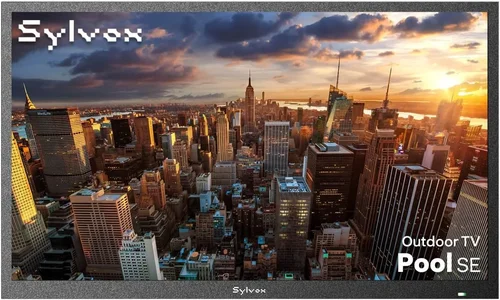
❌ Mistake: Using a Regular Indoor TV Without Protection
Why it’s bad: Indoor TVs aren’t designed for outdoor conditions. Humidity, temperature changes, and dust can damage internal components, leading to premature failure. Even under cover, condensation can form overnight, corroding circuits.
What to do instead: Either choose a semi-outdoor certified model or invest in a quality weatherproof enclosure. Don’t skimp on protection—it’s cheaper than replacing a ruined TV.
❌ Mistake: Ignoring Brightness Requirements
Why it’s bad: A dim TV looks terrible outdoors. You’ll struggle to see details, colors will appear washed out, and you’ll constantly adjust settings.
What to do instead: Prioritize brightness (400+ nits) over resolution. Test the TV in similar lighting conditions if possible, or rely on reviews that mention outdoor performance.
❌ Mistake: Overlooking Audio Quality
Why it’s bad: Built-in TV speakers are quiet and lack bass, making dialogue hard to hear over wind, traffic, or garden sounds.
What to do instead: Pair your TV with outdoor-rated Bluetooth speakers or a weatherproof soundbar. Many budget TVs support wireless audio, so you can keep the setup tidy.
❌ Mistake: Buying the Largest Screen Possible
Why it’s bad: Oversized TVs can overwhelm small spaces, cause eye strain, and require expensive mounting solutions.
What to do instead: Match screen size to viewing distance and space constraints. A 43-inch TV is often perfect for most balconies.
❌ Mistake: Skipping the Warranty Check
Why it’s bad: Outdoor use voids warranties on most indoor TVs. If something goes wrong, you’re stuck with repair costs.
What to do instead: Choose models with extended or outdoor-specific warranties, or purchase third-party coverage. Always read the fine print.
❌ Mistake: Neglecting Cable Management
Why it’s bad: Exposed cords are tripping hazards, attract pests, and degrade faster outdoors.
What to do instead: Use cable raceways, conduit, or wireless streaming to minimize wires. Route power through GFCI outlets for safety.
❌ Mistake: Assuming All “Smart” TVs Are Equal
Why it’s bad: Some budget smart platforms are slow, cluttered, or lack app support. You’ll waste time navigating instead of watching.
What to do instead: Stick with proven platforms like Roku or Android TV. Avoid obscure interfaces with poor updates.
Budget Guidelines: How Much Should You Spend?
Entry-Level ($200–$350): Ideal for fully covered spaces with minimal sun exposure. Expect 32- to 40-inch screens, 300–400 nits brightness, basic smart features, and limited weather resistance. Great for casual evening viewing but not recommended for daytime use.
Mid-Range ($350–$600): The sweet spot for most buyers. Offers 43- to 50-inch screens, 400–500+ nits brightness, reliable smart platforms, and better build quality. Suitable for partially shaded balconies and patios. Includes features like voice control, multiple HDMI ports, and improved audio.
Premium ($600–$800): For those who want near-outdoor performance without the full price tag. These models often include enhanced anti-glare coatings, wider operating temperature ranges, and stronger weatherproofing. Perfect for uncovered but sheltered areas.
Luxury ($800+): While beyond strict “budget” territory, refurbished or previous-generation outdoor TVs in this range offer exceptional brightness (700+ nits), full IP ratings, and robust construction. Worth considering if you plan to keep the TV outdoors year-round.
Expert Tips for Getting the Best Deal
- Shop during seasonal sales: Look for deals around Black Friday, Prime Day, and back-to-school periods. Many retailers discount older models to clear inventory.
- Compare online and in-store prices: Online retailers often have lower prices and better return policies, but in-store pickup can save shipping costs.
- Check refurbished sections: Certified refurbished TVs from reputable sellers come with warranties and can save you 20–40% off retail.
- Use price tracking tools: Apps like Honey or CamelCamelCamel alert you when prices drop on your wishlist items.
- Negotiate extended warranties: Some stores offer free or discounted coverage if you ask—especially during promotions.
- Test before committing: If buying in person, check brightness, remote responsiveness, and menu navigation under store lighting.
- Bundle with accessories: Some retailers offer discounts when you buy a TV with a mount, soundbar, or streaming device.
- Read return policies carefully: Ensure you can return the TV if it doesn’t perform well outdoors—some stores restrict returns on opened electronics.

Frequently Asked Questions
Q: Can I use a regular indoor TV on my balcony?
A: Yes, but only if it’s fully covered and protected from rain, humidity, and direct sun. Even then, consider using a weatherproof enclosure to extend its lifespan. Most indoor TVs aren’t built for outdoor conditions and may fail prematurely.
Q: What’s the minimum brightness needed for outdoor viewing?
A: At least 400 nits for shaded areas, and 500+ nits for spaces with partial sun exposure. Anything below 300 nits will appear too dim during the day.
Q: Do I need a special mount for outdoor TVs?
A: Not necessarily—most standard VESA-compatible mounts work. However, choose a rust-resistant, powder-coated mount designed for outdoor use to prevent corrosion.
Q: How do I protect my TV from rain?
A: Use a weatherproof enclosure, install the TV under an eave or awning, or bring it indoors during storms. Never leave an unprotected TV in the rain.
Q: Can I connect streaming devices like Roku or Fire Stick?
A: Absolutely. Most budget garden TVs have HDMI ports for external devices. Just ensure the stick is secured and protected from moisture.
Q: Will my Wi-Fi reach the balcony?
A: It depends on distance and obstacles. Use a Wi-Fi extender or mesh network to boost signal. Alternatively, connect via Ethernet for a stable connection.
Q: Are OLED TVs good for outdoor use?
A: Generally no. OLEDs are prone to burn-in and perform poorly in bright light due to lower peak brightness. Stick with LED/LCD for outdoor settings.
Q: How long do budget outdoor TVs last?
A: With proper care, 5–7 years is typical. Exposure to extreme weather can shorten this, so seasonal storage helps.
Q: Can I leave my garden TV on all day?
A: It’s not recommended. Continuous use generates heat and wears out components. Use a timer or smart plug to limit runtime.
Q: What’s the difference between “outdoor-ready” and “fully outdoor” TVs?
A: “Outdoor-ready” models are indoor TVs with minor weatherproofing, suitable for covered areas. “Fully outdoor” TVs are sealed, IP-rated, and built for all-weather use—but cost significantly more.
Our Final Recommendations
Best for Budget-Conscious Buyers: TCL 4-Series 43S04 – At under $300, this 43-inch Roku TV offers 400 nits brightness, solid smart features, and decent build quality. Perfect for covered patios.
Best Overall Value: Hisense U6H 50U6H – Priced around $450, this 50-inch 4K TV delivers 500+ nits brightness, Dolby Vision, and excellent color accuracy. Great for semi-covered balconies.
Best Premium Option: Samsung The Terrace Partial Sun 55” – While slightly above budget at $799, this model offers 700 nits brightness, anti-reflective coating, and robust weather resistance. Ideal for uncovered but sheltered spaces.
Best for Beginners: Vizio V-Series 40” V405-H19 – Simple setup, intuitive interface, and reliable performance. A great entry point for first-time outdoor TV users.
Best for Advanced Users: Refurbished SunBriteTV Veranda Series 55” – Available refurbished for under $800, this model offers full outdoor durability, 600+ nits brightness, and professional-grade construction.
Conclusion: Making the Right Choice
Choosing a budget garden TV doesn’t have to be overwhelming. By focusing on your specific needs—space, lighting, usage frequency, and climate—you can find a model that delivers enjoyable outdoor entertainment without overspending. Remember: the cheapest option isn’t always the best long-term investment. Prioritize brightness, basic weather protection, and smart functionality to ensure your TV performs well in real-world conditions.
Don’t rush the decision. Take time to compare models, read user experiences, and consider how you’ll use the TV throughout the year. A little extra research now can save you from disappointment later. And if you’re unsure, start with a mid-range model—it offers the best balance of performance, durability, and value.
Ultimately, your garden TV should enhance your outdoor lifestyle, not complicate it. Whether you’re watching sunset movies with friends, catching the big game while grilling, or simply enjoying quiet mornings with a cup of coffee, the right TV can transform your balcony or patio into a true extension of your home. So go ahead—step outside, press play, and make every moment count.

