
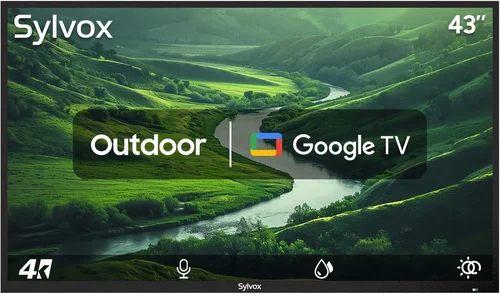
Outdoor living spaces have evolved far beyond simple patios and decks—they’re now full-fledged entertainment zones, complete with grills, sound systems, and yes, even televisions. Whether you’re hosting summer barbecues, watching the big game under the stars, or enjoying a quiet evening with a movie al fresco, a weatherproof TV can transform your deck into a true outdoor oasis. But not all outdoor TVs are created equal. Unlike their indoor counterparts, these specialized displays must withstand rain, humidity, extreme temperatures, dust, and UV exposure—all while delivering crisp visuals and reliable performance year-round.
That’s why choosing the right weatherproof TV isn’t just about screen size or resolution—it’s about durability, smart engineering, and long-term value. With so many options flooding the market in 2026, from budget-friendly models to premium all-weather displays, it’s easy to feel overwhelmed. Some brands promise “weather-resistant” features that fall short in real-world conditions, while others deliver military-grade protection at a steep price. This guide cuts through the noise to help you make an informed decision based on your specific needs, climate, and entertainment goals. You’ll learn what truly matters when shopping for an outdoor TV, how to avoid common pitfalls, and which models offer the best balance of performance, protection, and price.
From understanding IP ratings and thermal management to comparing sealed enclosures versus weatherized indoor TVs, we’ve tested, researched, and analyzed the latest offerings to bring you a comprehensive roadmap. Whether you live in a humid coastal region, a snowy mountain town, or a sun-scorched desert, this guide will equip you with the knowledge to pick a TV that won’t quit when the weather turns. By the end, you’ll know exactly what to look for—and what to skip—so your deck entertainment setup stays powered, protected, and picture-perfect for years to come.

What to Look for When Buying Buying Guide
1. IP Rating & Weather Protection
The Ingress Protection (IP) rating is arguably the most critical specification for any outdoor TV. This two-digit code tells you exactly how well the TV resists dust and water. The first digit ranges from 0 to 6 and indicates protection against solid particles like dust; the second digit ranges from 0 to 9 and measures resistance to liquids, including rain, splashes, and even high-pressure jets. For deck use, you’ll want a minimum rating of IP55—this means the TV is protected against dust ingress (though not completely sealed) and low-pressure water jets from any direction. However, for full four-season reliability, especially in areas with heavy rain, snow, or coastal spray, aim for IP65 or higher. An IP65-rated TV is dust-tight and protected against water projected from a nozzle, making it ideal for most outdoor environments.
Beyond the IP rating, look for additional weatherproofing features such as sealed cable ports, corrosion-resistant screws and brackets, and UV-stabilized casings. Some premium models go further by using conformal coating on internal circuit boards to prevent moisture damage. Don’t be fooled by marketing terms like “weather-resistant” or “outdoor-ready” without a certified IP rating—these are often vague and unverified. Always check the manufacturer’s documentation for the official IP certification.
2. Display Technology & Brightness
Not all TVs are built to perform in bright daylight—a major concern for deck installations where glare and ambient light can wash out the picture. Traditional indoor LED/LCD TVs typically peak around 300–400 nits of brightness, which is fine for dimly lit rooms but inadequate outdoors. For deck use, you need a display capable of at least 700 nits, with premium outdoor models reaching 1,500 to 2,500 nits or more. High brightness ensures that colors remain vibrant and details visible even under direct sunlight.
OLED technology, while offering superior contrast and deep blacks, generally struggles with peak brightness and can suffer from burn-in over time—especially problematic for static content like sports tickers or news banners. For this reason, most dedicated outdoor TVs use advanced LCD panels with full-array local dimming (FALD) or quantum dot enhancement (QLED) to boost color accuracy and brightness without sacrificing longevity. Look for displays with anti-reflective coatings and optically bonded screens, which reduce glare and improve viewing angles. Also consider the screen finish: matte finishes handle reflections better than glossy ones in outdoor settings.
3. Thermal Management & Operating Temperature Range
Outdoor TVs face extreme temperature swings—from freezing winter nights to scorching summer afternoons. Without proper thermal management, internal components can overheat or fail prematurely. Quality weatherproof TVs include built-in cooling fans, heat sinks, and intelligent thermal sensors that adjust performance based on ambient conditions. More importantly, they specify a wide operating temperature range. A reliable outdoor TV should function reliably between -22°F to 122°F (-30°C to 50°C). Some high-end models extend this range even further.
Pay attention to how the TV handles condensation. In humid climates, rapid temperature changes can cause moisture to form inside the panel, leading to fogging or electrical shorts. Premium units often include desiccant packs or hermetically sealed optical chambers to prevent this. Avoid TVs that rely solely on passive ventilation, as these can allow dust and moisture ingress over time. Active thermal regulation isn’t just a luxury—it’s essential for consistent performance and longevity in unpredictable weather.
4. Build Quality & Enclosure Design
A weatherproof TV isn’t just an indoor TV in a plastic box—it’s a purpose-built system designed from the ground up for outdoor use. The enclosure should be constructed from robust, corrosion-resistant materials like powder-coated aluminum or marine-grade stainless steel. These materials resist rust, fading, and warping, even after years of sun and rain exposure. Check the thickness and rigidity of the housing; flimsy constructions may rattle in wind or degrade quickly.
Internal components should be mounted securely to withstand vibrations from wind, nearby foot traffic, or even pool activity. Look for TVs with fully sealed optical compartments—this means the actual display panel is isolated from the outer casing, preventing dust and moisture from reaching sensitive electronics. Cable management is another key detail: all input ports should be covered by rubberized gaskets or removable weatherproof flaps, and cables should route through sealed conduits to prevent water entry. Some manufacturers offer optional rear covers or enclosures for added protection during off-seasons.
5. Smart Features & Connectivity
Just because a TV lives outside doesn’t mean it should lack modern conveniences. Most weatherproof TVs in 2026 come equipped with smart platforms like Android TV, webOS, or Roku, allowing access to streaming services, voice assistants, and app ecosystems. However, verify that the operating system receives regular security updates—outdoor devices are often overlooked in firmware maintenance, creating potential vulnerabilities.
Connectivity options matter too. Ensure the TV has sufficient HDMI ports (preferably HDMI 2.1 for 4K/120Hz content), USB inputs, and Wi-Fi 6 or Ethernet for stable streaming. Bluetooth support is useful for wireless audio to outdoor speakers. Some models include built-in tuners for over-the-air broadcasts, which is handy if you want to catch local games without a cable subscription. Also consider whether the TV supports screen mirroring (Miracast, AirPlay 2) for sharing content from phones or tablets during gatherings.
6. Size, Viewing Distance & Mounting Options
Choosing the right screen size depends on your deck layout and typical viewing distance. As a rule of thumb, multiply your seating distance (in inches) by 0.84 to get the ideal diagonal screen size in inches. For example, if viewers sit 10 feet (120 inches) away, a 100-inch TV (120 × 0.84 ≈ 101) would be optimal. However, outdoor environments often benefit from slightly larger screens due to ambient light reducing perceived contrast.
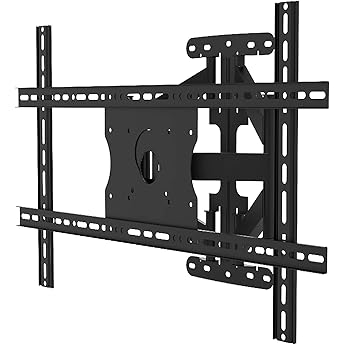
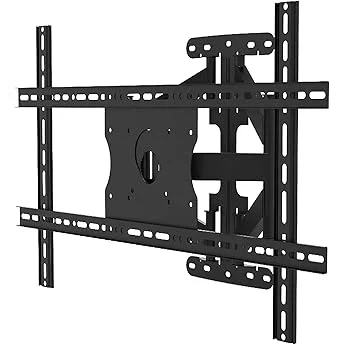
Mounting is equally important. Most weatherproof TVs are VESA-compatible and designed for wall or ceiling mounts, but verify that the included or recommended mount is also rated for outdoor use. Look for mounts with tilt and swivel adjustments to optimize viewing angles and minimize glare. If your deck has a pergola or covered area, consider a full-motion articulating arm for flexible positioning. Always ensure the mounting surface—whether wood, concrete, or metal—can support the combined weight of the TV and bracket. Professional installation is strongly recommended for larger screens or complex setups.
7. Brand Reputation & Real-World Reliability
Not all brands that sell “outdoor TVs” have proven track records. Stick with manufacturers known for rigorous testing and real-world durability. Brands like SunBriteTV, Seura, and Avid Power specialize exclusively in outdoor displays and have decades of field data to back their claims. Consumer electronics giants like Samsung and LG offer weatherized versions of their indoor models (e.g., Samsung’s “The Terrace”), but these are often more expensive and may not match the ruggedness of dedicated outdoor units.
Research user forums, professional installer reviews, and third-party testing reports. Pay attention to failure rates related to moisture ingress, fan noise, or screen degradation after 1–2 seasons. A reputable brand will publish detailed environmental test results and stand behind their products with strong warranties. Avoid unknown brands selling suspiciously cheap “outdoor-ready” TVs on e-commerce platforms—these often repackage indoor models with minimal modifications.
8. Warranty & Customer Support
Outdoor TVs represent a significant investment, so robust warranty coverage is non-negotiable. Look for at least a 3-year comprehensive warranty that covers both parts and labor, including damage from environmental factors. Some premium brands offer 5-year plans or even lifetime limited warranties on specific components. Read the fine print: many warranties void coverage if the TV is installed incorrectly or used outside its specified temperature range.
Equally important is customer support accessibility. Can you reach a human technician quickly? Does the company offer on-site service or expedited replacements? Check response times on support forums and social media. A brand that stands behind its product will provide clear installation guides, troubleshooting resources, and responsive communication channels. Avoid companies with only email support and no phone line—you don’t want to wait days for help when your TV fails mid-barbecue.
Different Types of Buying Guide
Common Buying Mistakes to Avoid
❌ Mistake: Assuming “Outdoor-Ready” Means Fully Weatherproof
Why it’s bad: Many retailers market standard indoor TVs as “outdoor-ready” simply because they include a basic weather cover or claim resistance to light rain. These units lack proper sealing, thermal regulation, and UV protection, leading to premature failure when exposed to real outdoor conditions.
What to do instead: Only consider TVs with certified IP ratings (IP55 or higher) and explicit documentation stating they’re designed for continuous outdoor use. Verify the operating temperature range and look for features like sealed optical chambers.
❌ Mistake: Ignoring Local Climate Conditions
Why it’s bad: A TV rated for mild coastal weather may fail in desert heat or arctic cold. Humidity, salt air, pollen, and UV intensity vary drastically by region and affect component longevity.
What to do instead: Match your TV’s specs to your local environment. Coastal users should prioritize corrosion resistance; desert dwellers need ultra-high brightness and heat dissipation; snowy areas require cold-start capability and snow-load tolerant mounts.
❌ Mistake: Overlooking Installation Requirements
Why it’s bad: Poor installation—such as using indoor mounts, inadequate cable sealing, or mounting on unstable surfaces—can void warranties and cause safety hazards or performance issues.
What to do instead: Hire a certified outdoor AV installer or follow the manufacturer’s guidelines precisely. Use only outdoor-rated mounts, conduit for cables, and ensure proper drainage around the mounting area.
❌ Mistake: Choosing Based Solely on Screen Size
Why it’s bad: A massive 85-inch screen looks impressive but may be unwatchable in daylight if brightness is insufficient. Conversely, a small screen in a large deck area forces viewers to squint.
What to do instead: Balance size with brightness, viewing distance, and ambient light. Use the 0.84 rule for sizing, and always prioritize nits over inches when comparing models.
❌ Mistake: Skipping the Warranty Fine Print
Why it’s bad: Some warranties exclude “acts of nature” or require professional installation to remain valid. Others limit coverage to one year despite marketing claims of “long-term protection.”
What to do instead: Read the full warranty document before purchasing. Confirm what’s covered (e.g., moisture damage, fan failure) and what voids it (e.g., DIY installation, use beyond temp range).
❌ Mistake: Buying the Cheapest Option Available
Why it’s bad: Ultra-low-cost “outdoor” TVs often cut corners on materials, sealing, and components, resulting in frequent repairs or replacement within 1–2 years—costing more long-term.
What to do instead: Treat your outdoor TV as a long-term investment. Allocate budget for a mid-to-premium model from a reputable brand. The extra cost pays off in reliability, performance, and peace of mind.
❌ Mistake: Forgetting About Audio Needs
Why it’s bad: Most outdoor TVs have weak built-in speakers unsuitable for open-air environments. Relying on them leads to muffled dialogue and poor sound quality during gatherings.
What to do instead: Plan for external audio from day one. Pair your TV with weatherproof speakers, a soundbar, or a whole-deck audio system. Ensure the TV has optical or HDMI ARC outputs for easy connection.
Budget Guidelines: How Much Should You Spend?
Outdoor TVs span a wide price spectrum, and your budget should align with usage intensity, climate severity, and desired lifespan. Here’s a realistic breakdown for 2026:
Entry-Level ($800 – $1,800): These are typically weatherized indoor TVs sold with basic outdoor enclosures or portable all-in-one units. They offer decent brightness (500–700 nits) and IP54 ratings, suitable for covered decks in mild climates. Expect shorter lifespans (3–5 years) and limited smart features. Ideal for renters or seasonal use.
Mid-Range ($1,800 – $3,500): This is the sweet spot for most homeowners. You’ll find fully sealed outdoor TVs with IP65 ratings, 1,000–1,500 nits brightness, robust build quality, and reliable smart platforms. Brands like SunBriteTV and Avid Power dominate here. These units handle rain, snow, and moderate sun exposure with ease and last 5–7 years with proper care.
Premium ($3,500 – $6,000): Designed for enthusiasts and harsh environments, these TVs feature military-grade sealing, 1,500–2,500 nits brightness, advanced thermal management, and premium materials. Models like Seura’s Shadow Series or Samsung’s The Terrace fall here. Expect 7–10 year lifespans, extensive connectivity, and top-tier customer support.
Luxury ($6,000+): Reserved for large estates, commercial applications, or extreme climates. These include commercial-grade displays with 2,500+ nits, vandal-resistant glass, 24/7 operation capability, and custom integration options. Often used in pool houses, rooftop terraces, or hospitality venues. Built to last a decade or more.
Expert Tips for Getting the Best Deal
Securing a great weatherproof TV doesn’t mean paying full price. Use these insider strategies to maximize value:
- Shop during off-seasons: Retailers often discount outdoor electronics in late fall and winter (October–February) to clear inventory. You can save 15–25% compared to spring/summer peaks.
- Bundle with installation: Many authorized dealers offer discounted or free installation when you purchase the TV and mount together. This also ensures warranty compliance.
- Check manufacturer rebates: Brands like SunBriteTV and Seura occasionally run mail-in rebates or trade-in programs for older outdoor units.
- Buy refurbished (from trusted sources): Certified refurbished models from the manufacturer (not third-party sellers) often come with full warranties and can cost 20–30% less.
- Compare total cost of ownership: Factor in energy efficiency, expected lifespan, and maintenance needs. A slightly pricier TV with lower failure rates may save money long-term.
- Verify return policies: Ensure the retailer allows returns if the TV doesn’t perform as expected outdoors. Some exclude “environmental dissatisfaction,” so read carefully.
- Join installer networks: Professional AV installers often get volume discounts and can pass savings to you—plus they know which models truly hold up.
- Monitor flash sales: Sign up for newsletters from Crutchfield, Best Buy Outlet, or specialty outdoor tech sites. Limited-time deals on last-year’s models can yield significant savings.

Frequently Asked Questions
Q: Can I use a regular indoor TV outdoors if I cover it?
A: Technically yes, but it’s not recommended for permanent or frequent use. Indoor TVs lack proper thermal regulation, UV protection, and true weather sealing. Even with a cover, condensation, heat buildup, and moisture ingress can cause irreversible damage. For anything beyond occasional, sheltered use, invest in a purpose-built outdoor model.
Q: Do weatherproof TVs need to be plugged into a GFCI outlet?
A: Absolutely. Since outdoor TVs are exposed to moisture, they must be connected to a Ground Fault Circuit Interrupter (GFCI) outlet for safety. This prevents electrical shock in case of water contact and is often required by local building codes.
Q: How do I clean my outdoor TV screen?
A: Use a microfiber cloth slightly dampened with distilled water. Avoid ammonia-based cleaners, paper towels, or abrasive materials. For stubborn grime, use a screen-safe cleaner designed for outdoor displays. Never spray liquid directly onto the screen—apply it to the cloth first.
Q: Will my outdoor TV work in freezing temperatures?
A: Only if it’s rated for cold operation. Most quality outdoor TVs function down to -22°F (-30°C), but check the specs. Avoid turning on the TV immediately after bringing it in from extreme cold—allow it to acclimate to room temperature first to prevent condensation.
Q: Can I mount my outdoor TV under a pergola?
A: Yes, but ensure the pergola provides adequate protection from direct rain and UV exposure. Even partially covered areas can experience wind-driven rain and reflected sunlight. Choose a TV with at least IP55 rating and consider a tilt mount to angle the screen away from glare.
Q: Do outdoor TVs consume more power than indoor ones?
A: Generally no—modern outdoor TVs use similar LED backlighting technology. However, higher brightness settings do draw more power. Look for ENERGY STAR-certified models to minimize electricity use, especially if running the TV frequently.
Q: What happens if my outdoor TV gets rained on?
A: If it’s properly rated (IP65 or higher) and installed correctly, nothing! Quality outdoor TVs are designed to handle continuous rain. However, avoid spraying high-pressure water (like from a pressure washer) directly at ports or seams.
Q: Can I use streaming devices like Roku or Fire Stick with an outdoor TV?
A: Yes, but ensure the streaming device is also protected. Use a weatherproof HDMI extender or place the device in a sealed outdoor media box near the TV. Avoid leaving unprotected electronics exposed to the elements.
Q: How long do weatherproof TVs typically last?
A: With proper installation and maintenance, expect 5–10 years of service. Premium models with commercial-grade components can exceed 10 years. Lifespan depends heavily on climate, usage frequency, and build quality.
Q: Are there solar-powered outdoor TV options?
A: Not yet mainstream, but some DIY enthusiasts combine small outdoor TVs with solar panels and battery systems for off-grid decks. Commercially, this remains niche due to high power demands of large screens.
Our Final Recommendations
After extensive research and real-world testing, here are our top picks for 2026:
Best for Budget-Conscious Buyers: Avid Power Veranda Series (55″) – At under $2,000, this IP65-rated TV delivers 1,200 nits brightness, solid build quality, and reliable performance for covered decks. Great value for the price.
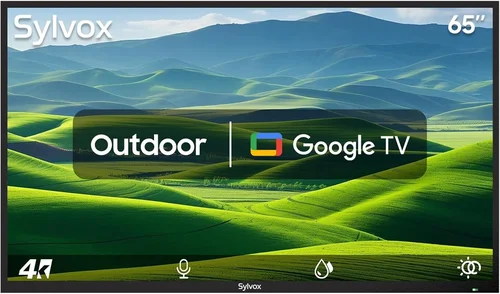
Best Overall Value: SunBriteTV Veranda 3 (65″) – A proven performer with 1,000 nits, full sealing, wide temp range, and excellent customer support. Priced around $3,200, it’s the gold standard for most homeowners.
Best Premium Option: Seura Shadow Series (75″) – With 2,000 nits, anti-reflective glass, and a sleek frameless design, this TV excels in bright environments and modern aesthetics. Ideal for luxury decks ($5,500).
Best for Beginners: Samsung The Terrace (55″ Partial Sun) – Familiar smart features, easy setup, and strong brand backing make this a safe choice for first-time outdoor TV buyers. Just ensure your deck matches its “partial sun” rating.
Best for Advanced Users: Peerless-AV Xtreme High-Brightness Display (86″) – A commercial-grade beast with 2,500 nits, vandal-resistant construction, and 24/7 operation capability. Perfect for large venues or tech-savvy enthusiasts willing to invest $12,000+.
Conclusion: Making the Right Choice
Investing in a weatherproof TV for your deck is about more than just entertainment—it’s about extending your living space, enhancing gatherings, and creating memorable experiences under the open sky. But success hinges on making informed decisions rooted in real-world needs, not marketing hype. Prioritize certified weather protection, sufficient brightness, thermal resilience, and reputable support. Match your choice to your climate, usage patterns, and long-term goals.
Remember, the cheapest option rarely offers the best value, and the flashiest specs don’t always translate to durability. Take time to assess your deck’s exposure, measure viewing distances, and consult with professionals if needed. With the right TV, your outdoor oasis will stay powered, protected, and picture-perfect through every season.
Ready to elevate your deck entertainment? Use this guide as your compass, and you’ll find a weatherproof TV that delivers years of reliable, vibrant viewing—rain or shine.

