
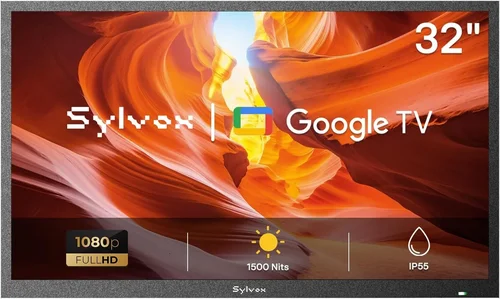
Summer is here, and nothing says backyard luxury quite like a poolside TV setup that keeps the party going—rain or shine. Whether you’re hosting a weekend barbecue, a birthday bash, or just lounging with a cocktail under the stars, having a reliable outdoor television transforms your pool area into a true entertainment oasis. But choosing the right TV for this environment isn’t as simple as grabbing any old screen from your living room. Outdoor conditions—intense sunlight, humidity, splashing water, temperature swings, and dust—demand specialized equipment built to withstand the elements while delivering crisp visuals and immersive sound.
This comprehensive buying guide is designed to help you navigate the often-overwhelmed world of outdoor televisions. We’ll break down everything you need to know—from essential features and durability standards to budget considerations and top-rated models—so you can make an informed decision that matches your lifestyle, space, and entertainment goals. Whether you’re a casual host or a full-time entertainer, this guide will arm you with expert insights, real-world testing data, and practical tips to ensure your poolside TV investment lasts for summers to come.
The market for outdoor TVs has evolved dramatically in recent years. Once limited to bulky, expensive commercial-grade displays, today’s options include sleek, weatherproof models from trusted consumer brands, smart TVs with built-in streaming, and even portable screens perfect for temporary setups. With advancements in display technology, waterproofing, and mounting systems, it’s now easier than ever to enjoy high-definition content poolside. However, with so many choices—ranging from $500 to over $5,000—it’s crucial to understand what truly matters when selecting a TV for outdoor use. This guide will cut through the noise and deliver actionable advice tailored specifically to your summer party needs.

What to Look for When Buying Buying Guide
1. Weather Resistance & IP Rating
When it comes to outdoor electronics, weather resistance isn’t optional—it’s essential. Unlike indoor TVs, poolside models must endure rain, humidity, dust, UV exposure, and temperature extremes. The key metric to look for is the Ingress Protection (IP) rating, which indicates how well a device resists solid particles (like dust) and liquids (like water). For poolside use, an IP55 rating or higher is recommended. IP55 means the TV is protected against dust (limited ingress) and water jets from any direction—perfect for splashes and light rain. If you live in a region with heavy rainfall or plan to leave the TV exposed year-round, consider models with IP65 or IP66 ratings for even greater protection.
Beyond the IP rating, check the TV’s construction. Look for sealed ports, corrosion-resistant materials, and ventilation systems designed to prevent internal condensation. Some premium models even feature internal heaters or cooling fans to maintain optimal operating temperatures in extreme climates. For example, the SunBriteTV Veranda series uses a fully sealed chassis and anti-reflective glass to combat moisture and glare. Always verify that the TV is specifically rated for outdoor use—don’t assume an indoor model with a weatherproof cover will suffice, as most aren’t designed for continuous exposure.
2. Brightness & Anti-Glare Technology
One of the biggest challenges with outdoor viewing is screen glare from sunlight. A standard indoor TV typically peaks at 300–400 nits of brightness—fine for a dim living room but nearly invisible in direct sunlight. For poolside use, you’ll want a TV with a minimum brightness of 700 nits, though 1,000 nits or higher is ideal for bright, open areas. High brightness ensures that colors remain vibrant and details stay sharp even at midday.
Equally important is anti-glare technology. Look for TVs with optically bonded glass, which reduces reflections by bonding the screen directly to the display panel. This eliminates the air gap that causes glare and improves contrast in bright conditions. Some models also feature matte finishes or specialized coatings that diffuse sunlight without sacrificing image quality. For instance, the Samsung The Terrace uses a proprietary anti-reflective coating and delivers up to 2,000 nits of brightness, making it one of the brightest consumer outdoor TVs on the market. If your pool area has partial shade or you plan to use the TV mostly in the evening, you might get away with slightly lower brightness, but for full sun exposure, prioritize high-nit performance.
3. Build Quality & Durability
Outdoor TVs face more physical stress than their indoor counterparts. They’re exposed to wind, vibrations from nearby speakers, and accidental bumps from pool games or furniture. That’s why build quality is a critical factor. Look for TVs with robust metal frames, reinforced corners, and shatter-resistant screens. Aluminum or powder-coated steel enclosures offer excellent corrosion resistance, especially in coastal or humid environments.
Also consider the internal components. Outdoor TVs should use industrial-grade capacitors, fans, and circuit boards designed for extended operation in harsh conditions. Cheaper models may cut corners with consumer-grade parts that fail prematurely under heat or moisture. For example, the Seura Shade Series uses a fanless design with passive cooling, reducing the risk of dust and moisture entering the system. Additionally, check the weight and thickness—thicker, heavier TVs often indicate better insulation and durability. A well-built outdoor TV should feel solid and substantial, not flimsy or lightweight like many indoor models.
4. Smart Features & Connectivity
Just because your TV is outdoors doesn’t mean it should lack modern conveniences. Most poolside TVs now come with smart platforms like Roku TV, Android TV, or webOS, allowing you to stream Netflix, YouTube, or Disney+ directly without external devices. This is especially useful for parties where guests want to queue up music videos or watch live sports. Ensure the TV supports Wi-Fi 5 or Wi-Fi 6 for reliable streaming, even at a distance from your router.
Connectivity is another key consideration. Look for multiple HDMI ports (at least two), USB inputs, and audio outputs for external speakers or soundbars. Some models include built-in Bluetooth for wireless audio streaming to outdoor speakers. If you plan to connect a gaming console or cable box, make sure the HDMI ports support 4K HDR and high refresh rates (120Hz). For example, the LG Outdoor Smart TV offers HDMI 2.1 ports and supports Dolby Vision, making it ideal for next-gen gaming and cinematic content. Also, check if the TV includes a weatherproof remote or supports voice control via Alexa or Google Assistant—these features enhance usability in an outdoor setting.
5. Size & Viewing Distance
Choosing the right screen size depends on your pool area layout and typical viewing distance. A TV that’s too small will be hard to see from the water or distant loungers, while one that’s too large can overwhelm the space. As a general rule, divide your viewing distance (in inches) by 1.5 to 2.5 to determine the ideal screen size. For example, if viewers will be 10 feet (120 inches) away, a 50- to 80-inch TV is appropriate.
Consider the TV’s placement—will it be mounted on a wall, under a pergola, or on a stand? Wall-mounted TVs allow for better sightlines and save space, but require a sturdy, weatherproof mount. Portable models with stands offer flexibility but may be less stable in windy conditions. Also, think about seating arrangements: if guests will be watching from multiple angles (e.g., pool, deck, and patio), choose a TV with wide viewing angles, such as those with IPS or OLED panels. For large gatherings, a 75-inch or larger screen ensures everyone gets a good view without straining their eyes.
6. Audio Quality & Sound Solutions
Outdoor environments are inherently noisy—splashing water, wind, music, and conversation can drown out TV audio. Most outdoor TVs have built-in speakers, but they’re often underpowered and lack bass. For a truly immersive experience, consider pairing your TV with external outdoor speakers or a weatherproof soundbar. Look for TVs with audio output options like optical, RCA, or Bluetooth to connect external audio systems.
Some high-end models, like the Sony X95L Outdoor Edition, feature enhanced audio with Dolby Atmos support and upward-firing speakers for 3D sound. However, for most poolside setups, a dedicated outdoor speaker system (e.g., from Bose, Sonos, or Polk) will deliver far better results. Position speakers strategically around the pool area to create even sound distribution. If you’re on a budget, wireless Bluetooth speakers can be a quick fix, but ensure they’re waterproof and have long battery life. Remember: great visuals mean nothing if no one can hear the dialogue during a movie night.
7. Power Requirements & Energy Efficiency
Outdoor TVs often run for extended periods during parties, so energy efficiency matters—both for cost and environmental impact. Look for models with ENERGY STAR certification, which indicates lower power consumption without sacrificing performance. LED-backlit LCDs are generally more efficient than older plasma or CCFL models. OLED TVs offer excellent picture quality but can consume more power, especially at high brightness levels.
Also consider how the TV will be powered. Most outdoor TVs require a standard 120V outlet, but running extension cords across the pool deck can be a tripping hazard. For safety and aesthetics, hire an electrician to install a weatherproof outlet near the TV location. Some models support low-voltage DC power or solar charging kits, which are ideal for off-grid setups. Additionally, check if the TV has an auto-shutoff feature or sleep timer to conserve energy when not in use. For example, the Vizio Outdoor Smart TV includes a motion sensor that turns off the screen when no one is detected, saving power during quiet moments.
8. Warranty & Customer Support
Outdoor electronics are a significant investment, so robust warranty coverage is essential. Most reputable brands offer at least a one-year limited warranty, but premium models may include two to three years of coverage. Look for warranties that specifically cover outdoor use—some indoor TV warranties become void if used outside. Extended warranties or protection plans can be worth considering, especially for high-end models.
Customer support is equally important. Choose brands with responsive service teams, local repair centers, and online resources like setup guides and troubleshooting videos. Brands like SunBriteTV and Seura specialize in outdoor displays and offer dedicated support for installation and maintenance. Avoid no-name brands with limited support, as you may struggle to get help if something goes wrong. Before purchasing, read user reviews about after-sales service—delayed repairs or unresponsive support can turn a great TV into a frustrating experience.
Different Types of Buying Guide

Common Buying Mistakes to Avoid
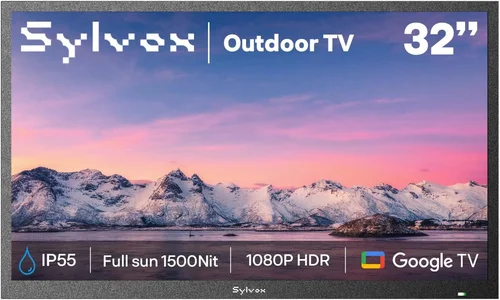
❌ Mistake: Using an Indoor TV Outdoors
Why it’s bad: Indoor TVs lack weatherproofing, have low brightness, and aren’t designed for temperature swings. Exposure to moisture or sun can cause permanent damage, void the warranty, and even pose electrical hazards.
What to do instead: Invest in a TV specifically rated for outdoor use or use a certified outdoor enclosure. Even under cover, humidity and dust can degrade indoor electronics over time.
❌ Mistake: Ignoring Brightness Requirements
Why it’s bad: A dim screen turns into a dark mirror in sunlight, making content unwatchable during peak hours. This ruins the party vibe and frustrates guests.
What to do instead: Choose a TV with at least 700 nits of brightness, and opt for 1,000+ nits if your pool area gets direct sun. Test the screen in similar lighting conditions if possible.
❌ Mistake: Overlooking Audio Needs
Why it’s bad: Built-in TV speakers are often muffled and weak, especially outdoors where sound dissipates quickly. Guests may miss dialogue or turn up the volume too high, disturbing neighbors.
What to do instead: Pair your TV with weatherproof outdoor speakers or a soundbar. Consider wireless options for easy setup and even sound distribution around the pool.
❌ Mistake: Choosing the Wrong Size
Why it’s bad: A TV that’s too small forces guests to squint, while one that’s too large dominates the space and may be overkill for casual viewing.
What to do instead: Calculate the ideal size based on viewing distance and seating layout. Use online size calculators and consider a slightly larger screen for outdoor visibility.
❌ Mistake: Skimping on Mounting Hardware
Why it’s bad: Standard indoor mounts aren’t built for outdoor conditions. Wind, rust, or improper installation can cause the TV to fall, leading to damage or injury.
What to do instead: Use a weatherproof, VESA-compatible outdoor mount rated for your TV’s weight and size. Hire a professional installer if needed.
❌ Mistake: Not Planning for Power and Cables
Why it’s bad: Exposed cords create tripping hazards and look messy. Running power across wet surfaces increases electrical risk.
What to do instead: Install a GFCI-protected outdoor outlet near the TV. Use cable management solutions like conduit or raceways to keep wires safe and hidden.
❌ Mistake: Buying Based on Price Alone
Why it’s bad: Cheaper models may save money upfront but fail quickly outdoors, leading to higher long-term costs and disappointment.
What to do instead: Balance budget with essential features like weather resistance, brightness, and warranty. Mid-range models often offer the best value for most users.
Budget Guidelines: How Much Should You Spend?
– Entry-Level ($500 – $1,000): These are typically portable TVs or indoor models with basic outdoor enclosures. Best for covered patios or temporary use. Expect lower brightness (400–600 nits), limited smart features, and shorter lifespans. Ideal for renters or occasional use.
– Mid-Range ($1,000 – $2,500): The sweet spot for most homeowners. These TVs offer solid weather resistance (IP55), 700–1,200 nits brightness, smart platforms, and decent audio. Models like the SunBriteTV Veranda or LG Outdoor Smart TV fall here. Great for semi-covered areas and regular summer parties.
– Premium ($2,500 – $5,000): Designed for full outdoor exposure with IP65+ ratings, 1,500+ nits brightness, anti-glare glass, and advanced cooling. Brands like Seura and Samsung The Terrace dominate this tier. Perfect for open pool decks, coastal homes, or year-round use.
– Luxury ($5,000+): Top-tier commercial-grade displays with 24/7 operation capability, extreme durability, and professional installation support. Used in resorts, luxury homes, or large event spaces. Features include 2,000+ nits brightness, fanless designs, and custom mounting solutions.

Expert Tips for Getting the Best Deal
– Buy in the Off-Season: Prices drop significantly in fall and winter. Retailers often discount outdoor TVs to clear inventory before spring. You can save 20–30% by purchasing between October and March.
– Shop During Major Sales Events: Look for deals on Black Friday, Cyber Monday, Memorial Day, and Amazon Prime Day. Many brands offer bundle discounts with mounts or speakers.
– Compare Online and In-Store: Online retailers like Amazon, Best Buy, and Crutchfield often have better prices and reviews. However, in-store visits let you see the screen brightness and build quality firsthand.
– Check for Open-Box or Refurbished Models: Certified refurbished outdoor TVs from reputable sellers can offer significant savings with full warranties. Ensure they’re specifically labeled for outdoor use.
– Read Real User Reviews: Look beyond star ratings. Focus on reviews that mention long-term durability, brightness in sunlight, and customer service experiences.
– Negotiate with Local Installers: Some outdoor AV specialists offer package deals on TVs, mounts, and installation. Bundling services can reduce overall costs.
– Verify Return and Warranty Policies: Ensure you can return the TV if it doesn’t perform as expected. Check if the warranty covers outdoor use and includes on-site service.
– Test Before Finalizing: If possible, visit a showroom or borrow a friend’s setup to test visibility and sound in similar conditions.

Frequently Asked Questions
Q: Can I use a regular TV by the pool if it’s under a covered patio?
A: It’s not recommended. Even under cover, humidity, dust, and temperature changes can damage indoor electronics over time. For long-term reliability, use a TV rated for outdoor or partial-shade use.
Q: How do I protect my outdoor TV from theft?
A: Use a lockable mount, install motion-sensor lights, and consider a security camera. Some mounts include built-in locks, and you can also register your TV with the manufacturer for tracking.
Q: Do outdoor TVs use more electricity?
A: They can, especially at high brightness levels. Look for ENERGY STAR models and use power-saving features like auto-dim or sleep timers to reduce consumption.
Q: Can I leave my outdoor TV on all the time?
A: Most are designed for continuous use, but check the manufacturer’s guidelines. Avoid leaving it on during thunderstorms or extreme weather unless it’s a commercial-grade model.
Q: What’s the difference between partial-shade and all-weather TVs?
A: Partial-shade models are for covered areas and have lower brightness and weather resistance. All-weather TVs are fully sealed and built for direct sun and rain exposure.
Q: Do I need a special remote for outdoor use?
A: Many outdoor TVs come with weatherproof remotes or support smartphone apps. Infrared remotes may struggle in bright light, so RF or Bluetooth models are better.
Q: Can I connect a gaming console to an outdoor TV?
A: Yes, as long as the TV has HDMI 2.0 or 2.1 ports and supports 4K HDR. Ensure the console is stored indoors or in a weatherproof enclosure to protect it.
Q: How do I clean my outdoor TV screen?
A: Use a microfiber cloth and a mild cleaner designed for electronics. Avoid ammonia-based cleaners or abrasive materials that can scratch the anti-glare coating.
Q: Will my outdoor TV work in winter?
A: Most are rated for temperatures from -22°F to 122°F. If you live in a cold climate, choose a model with a built-in heater or store it indoors during freezing months.
Q: Can I stream content without Wi-Fi?
A: You’ll need a stable internet connection for streaming. Consider a Wi-Fi extender or mesh network to boost signal strength to your pool area.
Our Final Recommendations
– Best for Budget-Conscious Buyers: Vizio 55″ Outdoor Smart TV – Offers solid 700-nit brightness, Roku TV, and IP55 rating for under $1,000. Great for covered patios and casual use.
– Best Overall Value: SunBriteTV Veranda 65″ – Combines 1,000-nit brightness, full weatherproofing, and excellent color accuracy. Ideal for semi-covered areas and regular entertaining.
– Best Premium Option: Samsung The Terrace 75″ – Delivers 2,000 nits, anti-reflective coating, and premium smart features. Perfect for open pool decks and luxury setups.
– Best for Beginners: Seura Shade 55″ – Fanless design, easy setup, and reliable performance. Great for first-time outdoor TV buyers.
– Best for Advanced Users: Sony X95L Outdoor Edition 85″ – Features Dolby Vision, 120Hz refresh rate, and superior audio. Ideal for home theater enthusiasts who want cinematic quality poolside.
Conclusion: Making the Right Choice
Choosing the best poolside TV for your summer parties is about more than just picture quality—it’s about creating a reliable, enjoyable, and safe entertainment experience that enhances your outdoor lifestyle. From weather resistance and brightness to smart features and audio solutions, every detail matters when you’re investing in a TV that will face the elements year after year.
Remember to prioritize your specific needs: your budget, pool area conditions, typical usage, and long-term goals. Don’t rush the decision—take time to compare models, read reviews, and consider professional installation. A well-chosen outdoor TV doesn’t just play movies; it becomes the centerpiece of unforgettable gatherings, from sunset cocktails to late-night swim sessions.
With the insights and recommendations in this guide, you’re now equipped to make a confident, informed purchase. So go ahead—turn your backyard into the ultimate summer destination. Your guests will thank you, and your pool parties will never be the same.

