
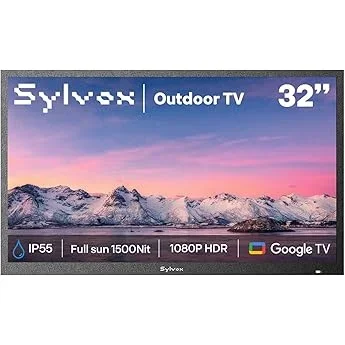
Planning a summer gathering by the pool is one of life’s simple pleasures—cool drinks, laughter echoing off the water, kids splashing, and adults lounging under the sun. But what if you could elevate that experience with something unexpected, immersive, and genuinely fun? Enter the poolside TV: a game-changer for outdoor entertainment that turns your backyard into a resort-style oasis. Whether you’re hosting a Fourth of July barbecue, a birthday party, or just enjoying a quiet evening with family, having a reliable, high-quality television near your pool can transform passive relaxation into an interactive, shared experience.
Yet, buying a TV for outdoor use isn’t as simple as grabbing the biggest screen from your local electronics store. Poolside environments present unique challenges—direct sunlight, humidity, splashes, temperature swings, and dust—that can quickly degrade or even destroy a standard indoor TV. That’s why this comprehensive buying guide exists: to help you navigate the nuances of selecting the perfect outdoor television for your needs. We’ll walk you through everything from weather resistance and brightness to smart features and mounting options, ensuring you make a smart, long-lasting investment that enhances your family gatherings for years to come.
The market for outdoor TVs has evolved significantly in recent years. What was once a niche category dominated by a handful of ruggedized models has now expanded into a competitive space with options ranging from budget-friendly weatherproof enclosures to premium all-weather displays designed specifically for open-air use. Brands like SunBriteTV, Samsung, LG, and Seura have stepped up their game, while newer entrants offer compelling alternatives at lower price points. With so many choices, it’s easy to feel overwhelmed—but armed with the right knowledge, you can confidently choose a poolside TV that delivers stunning picture quality, durability, and seamless integration into your outdoor lifestyle.

What to Look for When Buying Buying Guide
1. Weather Resistance & IP Rating
When it comes to poolside TVs, weather resistance isn’t optional—it’s essential. Unlike indoor models, outdoor TVs must withstand constant exposure to moisture, UV rays, dust, and temperature fluctuations. The first thing to check is the TV’s Ingress Protection (IP) rating, which indicates how well it resists solid particles (like dust) and liquids (like water). For poolside use, look for a minimum IP55 rating, but ideally aim for IP65 or higher. An IP65-rated TV is fully protected against dust and can handle low-pressure water jets from any direction—perfect for accidental splashes or light rain.
Beyond the IP rating, consider whether the TV is built specifically for outdoor use or if it’s an indoor model housed in a weatherproof enclosure. Dedicated outdoor TVs often feature sealed components, corrosion-resistant materials, and enhanced ventilation to prevent overheating. If you go the enclosure route, ensure it’s designed for your specific TV model and offers adequate airflow to avoid thermal shutdowns during hot summer days.
2. Brightness & Anti-Glare Display
Sunlight is the enemy of screen visibility. Even the best indoor TV will appear washed out when viewed under direct sun—especially near a reflective pool surface. That’s why brightness, measured in nits, is critical. For poolside viewing, you’ll want a display with at least 700 nits of brightness, but 1,000 nits or more is ideal for bright daylight conditions. Some premium outdoor TVs boast up to 2,500 nits, making them readable even at noon on a cloudless day.
Equally important is anti-glare technology. Look for screens with matte finishes or optical bonding, which reduces reflections by minimizing the air gap between the glass and the display panel. This not only improves visibility but also enhances color accuracy and contrast. Avoid glossy screens unless they’re specifically engineered for outdoor use—they’ll turn into mirrors under the sun, ruining your viewing experience.
3. Build Quality & Durability
A poolside TV isn’t just exposed to the elements—it’s also subject to physical wear and tear. Kids playing nearby, pool toys flying through the air, or even accidental bumps can damage a flimsy unit. High build quality means robust construction with reinforced frames, shatter-resistant screens, and secure mounting systems. Aluminum or powder-coated steel housings resist rust and corrosion, while tempered glass protects against impacts.
Additionally, consider the internal components. Outdoor TVs should use industrial-grade capacitors and cooling systems that operate efficiently in extreme temperatures—from freezing winter nights to scorching summer afternoons. Cheaper models may cut corners here, leading to premature failure. Always check manufacturer specifications for operating temperature ranges; a good poolside TV should function reliably between -22°F and 122°F (-30°C to 50°C).
4. Smart Features & Connectivity
Today’s families expect more than just cable TV—they want streaming, voice control, app integration, and seamless device pairing. A smart outdoor TV should run a modern platform like Android TV, webOS, or Tizen, giving you access to Netflix, YouTube, Disney+, and other popular services. Voice assistants like Google Assistant or Amazon Alexa are huge pluses, allowing hands-free operation while you’re grilling or lounging.
Connectivity is equally vital. Ensure the TV has multiple HDMI ports (preferably HDMI 2.1 for future-proofing), USB inputs, Wi-Fi 6 support, and Bluetooth. Some models even include built-in speakers or support for external soundbars—a must if you plan to host movie nights or music sessions by the pool. Don’t forget about wireless screen mirroring (Miracast or AirPlay 2) for sharing photos or videos from phones and tablets.
5. Size & Viewing Distance
Choosing the right screen size depends on your seating arrangement and viewing distance. For poolside gatherings, people often sit farther away than they would indoors—think 8 to 15 feet from the screen. As a rule of thumb, multiply your viewing distance (in inches) by 0.84 to get the ideal diagonal screen size in inches. So, at 12 feet (144 inches), a 55- to 65-inch TV is optimal.
However, don’t go too big too fast. A massive 85-inch screen might overwhelm a small patio or create uncomfortable viewing angles. Also, consider sightlines: will the TV be visible from all seating areas? Is there shade or an awning to reduce glare? Mounting height matters too—position the center of the screen at eye level when seated (typically 42–48 inches from the ground).
6. Power Efficiency & Energy Costs
Outdoor TVs often run longer hours than indoor ones—during parties, weekend binges, or background entertainment—so energy efficiency matters. Look for models with ENERGY STAR certification or low power consumption ratings (measured in watts). LED-backlit displays are generally more efficient than older LCD or plasma technologies.
While the difference per hour may seem small, it adds up over time—especially if you leave the TV on for hours during summer events. Some smart TVs also include ambient light sensors that adjust brightness based on surroundings, further reducing energy use. Additionally, consider using a smart plug or timer to automatically turn off the TV when not in use.
7. Brand Reputation & Reliability
Not all outdoor TV brands are created equal. Established names like SunBriteTV (a leader in the outdoor display space since 2004) and Seura (known for luxury outdoor solutions) have proven track records for durability and customer support. Samsung and LG have also entered the market with weather-resistant models that leverage their indoor expertise.
Research customer reviews, especially those from users in similar climates or pool environments. Pay attention to reports of overheating, screen burn-in, or premature failure. A reputable brand will stand behind its product with solid warranties and responsive service. Avoid unknown brands with vague specifications or no verifiable user feedback—they’re often rebranded indoor TVs with minimal weatherproofing.
8. Warranty & Support
Outdoor electronics are inherently riskier investments, so a strong warranty is non-negotiable. Most reputable outdoor TV manufacturers offer at least a 2-year warranty, with some extending to 3 or even 5 years. Check what’s covered: does it include labor, parts, and on-site service? Is accidental damage included?
Also, evaluate the support infrastructure. Can you easily reach customer service? Are replacement parts readily available? Do they offer installation guides or certified installer networks? A good warranty paired with reliable support gives you peace of mind, knowing your investment is protected against unforeseen issues.
Different Types of Buying Guide
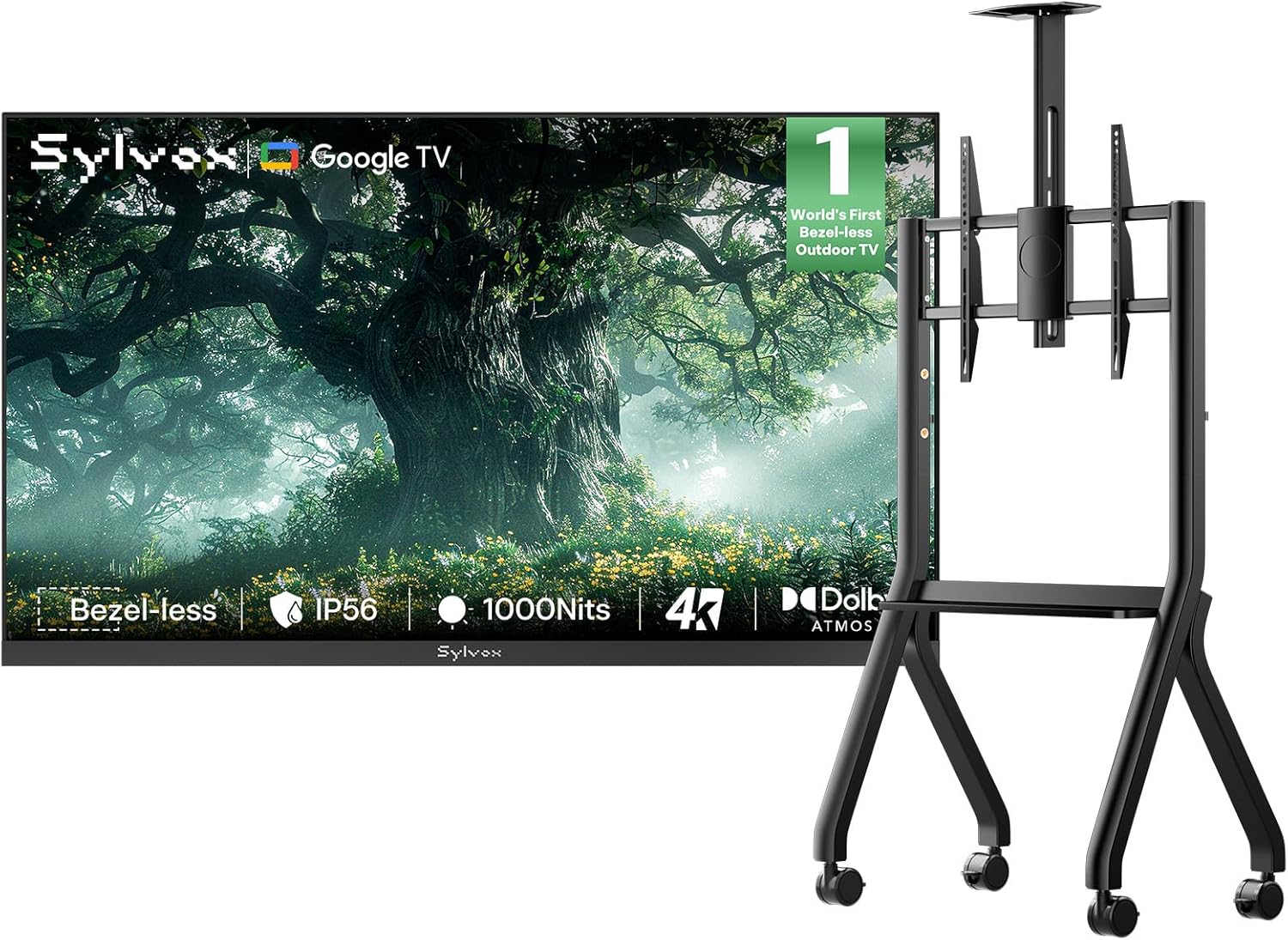
Common Buying Mistakes to Avoid
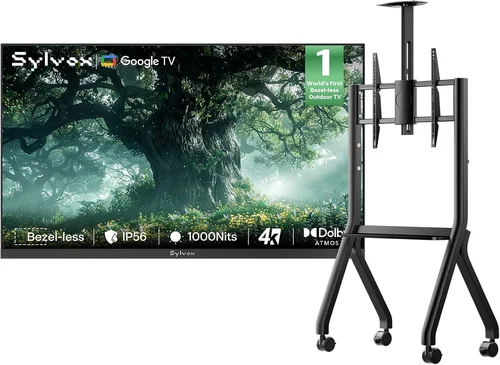
❌ Mistake: Using a Standard Indoor TV Outdoors
Why it’s bad: Indoor TVs aren’t designed to handle moisture, heat, or UV exposure. Even brief contact with water can cause electrical shorts, and prolonged sun exposure can warp casings and fade screens. Most indoor models also lack the brightness needed for daylight viewing.
What to do instead: Always choose a TV specifically rated for outdoor use or pair an indoor model with a certified weatherproof enclosure. Never assume “it’ll be fine if I just keep it under the awning.”
❌ Mistake: Ignoring Viewing Angles and Glare
Why it’s bad: A TV mounted in direct sunlight without anti-glare protection will be nearly impossible to see during the day, defeating the purpose of having it poolside. Poor viewing angles also mean only people directly in front get a good picture.
What to do instead: Opt for a TV with wide viewing angles (178° horizontal/vertical) and a matte, anti-reflective screen. Consider installing a retractable shade or pergola to control light exposure.
❌ Mistake: Overlooking Audio Quality
Why it’s bad: Pool environments are noisy—splashing, chatter, wind—and most outdoor TVs have weak built-in speakers. Relying solely on the TV’s audio can result in muffled dialogue and poor sound immersion.
What to do instead: Invest in a weather-resistant soundbar or outdoor speaker system. Many modern outdoor TVs support Bluetooth or optical audio out for easy pairing.
❌ Mistake: Choosing the Wrong Mounting Solution
Why it’s bad: Improper mounting can lead to instability, vibration, or even collapse—especially in windy areas. Using indoor mounts outdoors risks corrosion and structural failure.
What to do instead: Use a heavy-duty, corrosion-resistant outdoor mount rated for your TV’s weight and size. Ensure it’s securely anchored to a solid surface like concrete or steel framing.
❌ Mistake: Skipping the Warranty Check
Why it’s bad: Outdoor electronics fail more often than indoor ones due to environmental stress. Without a solid warranty, repair or replacement costs can be steep.
What to do instead: Always verify warranty terms before purchasing. Look for coverage of both parts and labor, and confirm that outdoor use is explicitly included.
❌ Mistake: Buying Based Solely on Price
Why it’s bad: The cheapest option often cuts corners on weatherproofing, brightness, or build quality, leading to early failure and frustration.
What to do instead: Balance budget with long-term value. A mid-range outdoor TV that lasts 5+ years is better than a cheap one that dies after one season.
❌ Mistake: Forgetting About Cable Management
Why it’s bad: Exposed cables are tripping hazards, attract pests, and can degrade from sun and water exposure.
What to do instead: Use conduit, cable raceways, or in-ground wiring solutions to keep cords safe and tidy. Choose wireless streaming when possible to minimize cable clutter.
Budget Guidelines: How Much Should You Spend?
Outdoor TVs span a wide price spectrum, and your budget should align with how often you’ll use the TV, your climate, and your performance expectations. Here’s a realistic breakdown:
- Entry-Level ($800–$1,500): This tier typically includes weatherproof enclosures paired with mid-tier indoor TVs (e.g., 55-inch 4K LED). Ideal for occasional use under partial cover. Expect decent brightness (500–700 nits) and basic smart features. Great for renters or those testing the waters.
- Mid-Range ($1,500–$3,000): The sweet spot for most families. These are often dedicated partial-shade or all-weather TVs with 700–1,500 nits brightness, robust build quality, and full smart functionality. Models like the SunBriteTV Veranda series or Samsung’s outdoor-ready QLEDs fall here. Perfect for regular poolside entertainment.
- Premium ($3,000–$5,000): For enthusiasts who want top-tier performance and durability. These TVs offer 1,500–2,500+ nits brightness, advanced anti-glare tech, premium audio, and extended warranties. Ideal for full sun exposure and high-end outdoor living spaces.
- Luxury ($5,000+): Reserved for luxury homes or commercial installations. Think Seura’s Shadow Series or custom-built outdoor displays with integrated heating/cooling, designer finishes, and professional installation. These are built to last decades and blend seamlessly into high-end landscapes.
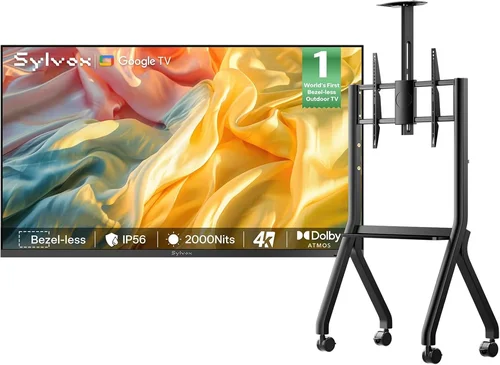
Expert Tips for Getting the Best Deal
- Buy During Off-Season: The best deals on outdoor TVs happen in late fall and winter (October–February). Retailers clear inventory before spring, offering discounts of 20–40%. Avoid summer months when demand peaks.
- Shop Certified Retailers: Purchase from authorized dealers like Best Buy, Crutchfield, or direct from manufacturers. Avoid third-party sellers on marketplaces unless verified—counterfeit or refurbished units are common.
- Bundle with Installation: Many brands offer free or discounted professional installation with purchase. This ensures proper mounting, wiring, and setup—critical for safety and performance.
- Check for Rebates: Some utility companies offer rebates for energy-efficient outdoor electronics. ENERGY STAR-certified models may qualify for local incentives.
- Read Real User Reviews: Look beyond star ratings. Search for reviews mentioning “pool,” “sunlight,” or “humidity” to see how the TV performs in real-world conditions.
- Test Before Committing: If possible, visit a showroom to view the TV in bright lighting. Compare brightness, color accuracy, and menu responsiveness side-by-side.
- Negotiate Extended Warranties: Ask if the retailer or manufacturer will include an extra year of warranty at no cost—common during promotions.
- Consider Refurbished Models: Certified refurbished outdoor TVs from reputable brands often come with full warranties and can save you 25–30% off retail.

Frequently Asked Questions
Q: Can I use my regular indoor TV by the pool if it’s under a covered patio?
A: It’s risky. Even under cover, humidity, splashes, and temperature swings can damage indoor electronics. For reliable, long-term use, invest in a partial-shade outdoor TV or a certified weatherproof enclosure.
Q: How do I protect my outdoor TV from theft?
A: Use a locking mount, install motion-sensor lights, and consider a security camera. Some mounts include built-in locks, and you can also register your TV with the manufacturer for tracking.
Q: Will an outdoor TV work in winter?
A: Yes—if it’s rated for cold climates. Most outdoor TVs function down to -22°F (-30°C). However, avoid turning it on immediately after extreme cold; let it acclimate for 1–2 hours.
Q: Do outdoor TVs need special cables?
A: Standard HDMI and power cables work, but for longevity, use UV-resistant, outdoor-rated cables. Avoid cheap extensions that can degrade in sunlight.
Q: Can I stream Netflix on an outdoor TV?
A: Absolutely! Most modern outdoor TVs run full smart platforms with access to all major streaming apps. Just ensure strong Wi-Fi coverage in your pool area.
Q: How often should I clean my outdoor TV?
A: Wipe the screen and housing monthly with a microfiber cloth and mild cleaner. Avoid abrasive chemicals or paper towels, which can scratch the anti-glare coating.
Q: What’s the difference between partial-shade and full-sun outdoor TVs?
A: Partial-shade models are designed for covered areas (e.g., under eaves) and typically offer 500–1,000 nits brightness. Full-sun TVs have 1,500+ nits and superior cooling for direct exposure.
Q: Can I mount an outdoor TV on a freestanding pole?
A: Yes, but ensure the pole is anchored securely into concrete and rated for wind loads. Consult a professional installer for safety.
Q: Do outdoor TVs consume more power?
A: Not necessarily. Many are energy-efficient, but higher brightness settings do use more power. Use auto-brightness features to optimize consumption.
Q: What happens if my outdoor TV gets wet?
A: If it’s properly rated (IP65 or higher), occasional splashes won’t harm it. However, submersion or heavy rain without cover can cause damage. Always follow manufacturer guidelines.
Our Final Recommendations
- Best for Budget-Conscious Buyers: SunBriteTV Veranda Series (55″) – A reliable partial-shade outdoor TV with 700 nits brightness, smart features, and solid build quality under $2,000.
- Best Overall Value: Samsung The Terrace (65″) – Combines QLED color, 1,500 nits brightness, and full weather resistance for around $3,500. Excellent for mixed sun/shade use.
- Best Premium Option: Seura Shadow Series (75″) – Ultra-bright (2,500 nits), whisper-quiet operation, and luxury design. Ideal for full-sun pool decks and high-end homes.
- Best for Beginners: Weatherproof Enclosure + TCL 5-Series (55″) – Affordable, easy to set up, and upgradeable. Great for first-time outdoor TV owners.
- Best for Advanced Users: SunBriteTV Pro Series (75″) – Built for extreme conditions with 2,000+ nits, industrial-grade components, and customizable mounting. Perfect for tech-savvy homeowners.
Conclusion: Making the Right Choice
Choosing the right poolside TV is about more than just screen size or price—it’s about enhancing your family’s outdoor experience with technology that’s built to last. From weather resistance and brightness to smart features and audio quality, every detail matters when you’re creating a space where memories are made. By prioritizing your specific needs—whether that’s budget, climate, or usage frequency—you can find a TV that delivers stunning visuals, reliable performance, and years of enjoyment.
Remember, the best poolside TV isn’t necessarily the most expensive or the biggest—it’s the one that fits seamlessly into your lifestyle. Take the time to research, compare options, and invest wisely. With the insights from this guide, you’re now equipped to make a confident, informed decision that turns your backyard into the ultimate gathering spot.
So go ahead—fire up that grill, cue up a family favorite, and let the laughter ripple across the water. Your perfect poolside setup awaits.

