
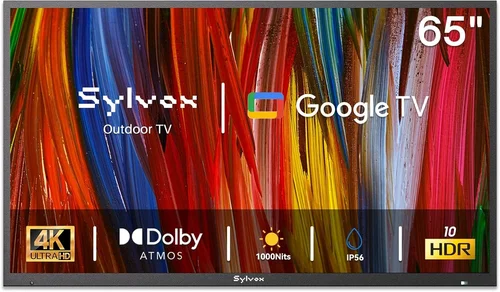
Living outdoors doesn’t have to stop when the skies open up. For homeowners in rainy climates—whether you’re in the Pacific Northwest, the UK, Ireland, or parts of Southeast Asia—enjoying your favorite shows, sports, or movies on a patio TV can feel like a pipe dream if your screen turns into a waterlogged paperweight after the first downpour. That’s why choosing the right patio TV isn’t just about picture quality or smart features; it’s about survival. A truly weather-resistant outdoor TV must withstand constant moisture, temperature swings, UV exposure, and even wind-driven rain—all while delivering a crisp, bright image under overcast skies.
This comprehensive buying guide is designed to help you navigate the often-confusing world of outdoor televisions, especially if you live in a region where rain is a regular guest. We’ll cut through the marketing hype and focus on real-world performance, durability, and value. Whether you’re setting up a covered porch, an open-air deck, or a backyard entertainment zone, this guide will equip you with the knowledge to make a smart, long-term investment. You’ll learn what truly matters when shopping for a patio TV in wet conditions, how to avoid costly mistakes, and which models offer the best blend of protection, performance, and price.
The market for outdoor TVs has evolved significantly in recent years. Once dominated by bulky, expensive commercial-grade displays, today’s options include sleek, consumer-friendly models from trusted brands like Samsung, LG, Sony, and specialized outdoor manufacturers such as SunBriteTV and Seura. These TVs aren’t just regular indoor models slapped in a weatherproof box—they’re engineered from the ground up for outdoor use. With advancements in anti-glare coatings, enhanced brightness, and robust enclosures, modern patio TVs can deliver a superior viewing experience even in challenging weather. This guide will walk you through every critical factor, from IP ratings to thermal management, so you can confidently choose a TV that lasts seasons—not just seasons of your favorite show.

What to Look for When Buying Buying Guide
1. Weather Resistance & IP Rating
When it comes to outdoor TVs in rainy climates, weather resistance isn’t optional—it’s essential. The first thing to check is the TV’s Ingress Protection (IP) rating, which indicates how well the unit resists dust and water. For rainy environments, you’ll want a minimum IP55 rating, but ideally IP65 or higher. An IP65 rating means the TV is dust-tight and protected against low-pressure water jets from any direction—perfect for patios exposed to wind-driven rain.
Look for TVs with sealed ports, waterproof gaskets, and corrosion-resistant materials. Many outdoor models feature fully enclosed designs with no ventilation holes, preventing moisture from seeping into internal components. Also, ensure the mounting hardware is stainless steel or powder-coated to resist rust. A TV with a high IP rating won’t just survive rain—it will thrive in it, year after year.
2. Brightness & Anti-Glare Display
Rainy climates often mean overcast skies, but that doesn’t mean your TV should look dim. In fact, outdoor TVs need to be significantly brighter than indoor models to combat ambient light, even on cloudy days. Aim for a display with at least 700 nits of brightness, though 1000 nits or more is ideal for patios with partial shade or frequent cloud cover.
Equally important is the anti-glare or anti-reflective coating. Without it, even a bright screen can become unreadable when sunlight breaks through the clouds. Look for TVs with matte finishes and optical bonding—a process that reduces internal reflections by bonding the screen layers together. This not only improves visibility but also enhances durability by minimizing air gaps where moisture could accumulate.
3. Build Quality & Durability
An outdoor TV is a long-term investment, so build quality matters more than ever. The enclosure should be made from powder-coated aluminum or marine-grade stainless steel to resist corrosion from rain, humidity, and salt air (if you’re near the coast). Avoid plastic housings, which can degrade under UV exposure and become brittle over time.
Internal components should also be ruggedized. Look for TVs with sealed circuit boards, moisture-resistant capacitors, and thermal management systems that prevent overheating in summer and freezing in winter. Some premium models include built-in heaters and fans that automatically activate based on temperature, ensuring consistent performance in all seasons.
4. Size & Viewing Distance
Choosing the right screen size depends on your patio layout and typical viewing distance. For most outdoor setups, a 55-inch to 65-inch TV is ideal. If you’re sitting 8 to 10 feet away, a 55-inch screen offers an immersive experience without overwhelming the space. For larger decks or outdoor living rooms, consider 75-inch models.
Keep in mind that larger screens require more power and may need reinforced mounting solutions. Also, ensure the TV’s bezel and overall dimensions fit your installation area—some outdoor models are bulkier than their indoor counterparts due to protective casings. Measure twice, buy once.
5. Smart Features & Connectivity
Today’s outdoor TVs aren’t just dumb screens—they’re full-fledged smart platforms. Look for models with built-in Wi-Fi, Bluetooth, and support for popular streaming services like Netflix, YouTube, and Disney+. Android TV, webOS, and Tizen are common operating systems, each with its own app ecosystem and voice control compatibility (Google Assistant, Alexa, etc.).
Connectivity is crucial. Ensure the TV has multiple HDMI ports (preferably HDMI 2.1 for future-proofing), USB inputs, and audio outputs for external speakers or soundbars. Some models include weatherproof cable conduits or rear-access panels to keep connections dry. If you plan to use a streaming device like a Roku or Apple TV, make sure there’s enough space and ventilation for it.
6. Audio Performance
Outdoor environments are noisy—wind, rain, birds, and distant traffic can drown out dialogue. Most outdoor TVs come with built-in speakers, but they’re often underpowered for open spaces. Look for models with at least 20W of total audio output, and consider TVs with Dolby Audio or DTS support for clearer sound.
For the best experience, pair your TV with outdoor-rated speakers or a weatherproof soundbar. Many patio TVs include optical audio outputs or Bluetooth for wireless audio transmission. If you’re mounting the TV under a covered area, you might also consider in-ceiling or wall-mounted speakers for a clean, immersive setup.
7. Brand Reputation & Reliability
Not all outdoor TVs are created equal. Stick with brands known for quality and reliability. SunBriteTV, for example, has been a leader in outdoor displays for over a decade, offering models specifically engineered for extreme weather. Samsung and LG have also entered the space with their “The Terrace” and “OLED Flex” lines, bringing premium indoor technology to outdoor environments.
Research customer reviews and look for brands with a track record of standing behind their products. A reputable manufacturer will offer detailed specifications, clear warranty terms, and responsive customer support. Avoid no-name brands or TVs sold through third-party marketplaces without verifiable reviews.
8. Warranty & Support
A strong warranty is a sign of confidence in a product’s durability. For outdoor TVs, look for at least a 2-year warranty, with some premium models offering 3 to 5 years. Coverage should include both parts and labor, and ideally, on-site service for larger installations.
Check what the warranty covers—does it include damage from moisture, power surges, or temperature extremes? Some brands offer extended warranties or service plans for an additional fee. Also, verify that the manufacturer provides accessible customer support, including phone, email, and online resources. A good warranty can save you hundreds in repair costs down the line.
Different Types of Buying Guide

Common Buying Mistakes to Avoid
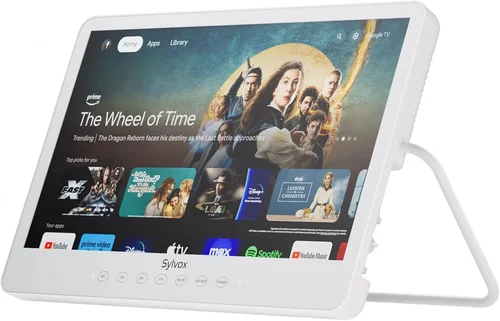
❌ Mistake: Buying a Regular Indoor TV for Outdoor Use
Why it’s bad: Indoor TVs aren’t designed to handle moisture, temperature changes, or UV exposure. Even under a covered patio, condensation can form inside the screen, leading to fogging, corrosion, and eventual failure. The internal components aren’t sealed, and the plastic casing can warp or yellow over time.
What to do instead: Invest in a TV specifically rated for outdoor use. These models feature weatherproof enclosures, enhanced cooling, and protective coatings. If budget is a concern, consider a covered patio model or use a high-quality outdoor TV enclosure—but never assume an indoor TV will survive long-term exposure.
❌ Mistake: Ignoring the IP Rating
Why it’s bad: A TV might look rugged, but without a proper IP rating, it’s vulnerable to water damage. Many buyers assume “outdoor” means fully waterproof, but some models only offer splash resistance. In heavy rain or wind-driven storms, water can seep into ports, vents, or seams.
What to do instead: Always check the IP rating. For rainy climates, aim for IP65 or higher. Look for detailed specs from the manufacturer, not just marketing claims. If the IP rating isn’t clearly listed, it’s a red flag.
❌ Mistake: Overlooking Brightness Requirements
Why it’s bad: A dim screen is unwatchable outdoors, even on cloudy days. Indoor TVs typically range from 300 to 500 nits, which is insufficient for patios with any ambient light. You’ll end up squinting or watching with the screen barely visible.
What to do instead: Choose a TV with at least 700 nits, preferably 1000+ nits. Look for models with high dynamic range (HDR) support, which enhances contrast and color vibrancy. Test the screen in similar lighting conditions if possible, or read real-user reviews about daytime visibility.
❌ Mistake: Skimping on Mounting Hardware
Why it’s bad: Outdoor TVs are heavier due to protective casings, and standard indoor mounts aren’t designed for wind resistance or corrosion. A weak mount can fail in strong gusts, damaging the TV or causing injury.
What to do instead: Use a mount specifically rated for outdoor use. Look for stainless steel construction, weatherproof coatings, and a weight capacity that exceeds your TV’s specs. Consider tilt or full-motion mounts for optimal viewing angles, but ensure they’re securely anchored to a structural wall or beam.
❌ Mistake: Neglecting Audio Needs
Why it’s bad: Built-in TV speakers are often muffled and lack volume, especially in open-air environments. Relying solely on them results in poor dialogue clarity and a frustrating viewing experience.
What to do instead: Plan for external audio from the start. Invest in weatherproof speakers or a soundbar designed for outdoor use. Many patio TVs support Bluetooth or optical audio output, making it easy to connect external systems. For larger spaces, consider a multi-zone audio setup.
❌ Mistake: Not Planning for Power and Cables
Why it’s bad: Running power and HDMI cables outdoors without protection invites water damage, tripping hazards, and electrical issues. Exposed cables can degrade quickly and become a safety risk.
What to do instead: Use weatherproof conduit or cable raceways to protect wires. Ensure all connections are made in sealed junction boxes or behind the TV’s access panel. If possible, have an electrician install a dedicated outdoor outlet with GFCI protection.
❌ Mistake: Forgetting About Maintenance
Why it’s bad: Even the most durable outdoor TVs require occasional cleaning and inspection. Dust, pollen, and bird droppings can accumulate on the screen and vents, affecting performance and longevity.
What to do instead: Clean the screen monthly with a microfiber cloth and mild cleaner. Check seals and ports for debris. Inspect the mount and cables seasonally. A little maintenance goes a long way in extending your TV’s life.
Budget Guidelines: How Much Should You Spend?
- Entry-Level ($800 – $1,500): These are typically indoor/outdoor convertible models or basic covered patio TVs. They offer decent weather resistance and smart features but may lack the brightness, durability, or warranty of higher-end options. Best for shaded patios with minimal rain exposure.
- Mid-Range ($1,500 – $3,500): This is the sweet spot for most buyers. You’ll find fully weather-resistant models with 700–1000 nits brightness, robust builds, and reliable smart platforms. Ideal for covered or semi-covered patios in rainy climates.
- Premium ($3,500 – $6,000): These TVs are built for extreme conditions, with IP65+ ratings, 1000+ nits brightness, and advanced thermal management. Brands like SunBriteTV and Samsung’s The Terrace dominate this tier. Perfect for open decks or coastal areas.
- Luxury ($6,000+): Top-tier commercial-grade displays with 24/7 operation capability, ultra-high brightness (2000+ nits), and custom installation support. These are overkill for most homes but ideal for luxury resorts or high-end outdoor theaters.
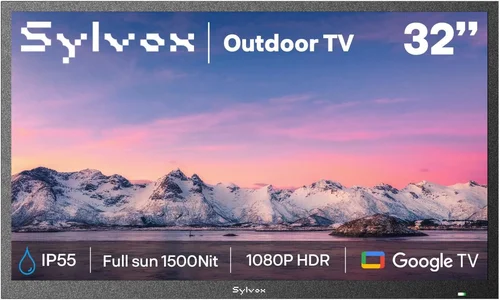
Expert Tips for Getting the Best Deal
- Buy During Off-Season: The best time to purchase an outdoor TV is in late fall or winter, when demand is low. Retailers often discount inventory to make room for spring models. You can save 15–25% compared to peak summer pricing.
- Shop Authorized Retailers: Buy from authorized dealers like Best Buy, Crutchfield, or the manufacturer’s website. This ensures you get the full warranty and avoid counterfeit or refurbished units sold as new.
- Look for Bundles: Some retailers offer TV + mount + soundbar packages at a discount. These can be a great value, especially if you’re setting up a complete outdoor entertainment system.
- Check for Rebates: Energy-efficient models may qualify for local utility rebates. Some manufacturers also offer mail-in rebates or trade-in programs for old TVs.
- Read the Fine Print on Warranties: Understand what’s covered and for how long. Some warranties are voided if the TV is installed incorrectly or used in extreme conditions not specified by the manufacturer.
- Test Before You Buy (If Possible): Visit a showroom to see the TV in person. Check brightness, color accuracy, and menu navigation. If that’s not possible, rely on detailed video reviews from trusted sources.
- Consider Certified Refurbished Models: Many brands sell certified refurbished outdoor TVs at 20–30% off. These units are tested, cleaned, and come with a warranty—just like new.
- Negotiate Installation: If you’re hiring a professional, ask for a package deal that includes mounting, cable management, and setup. Some electricians or AV specialists offer discounts for bundled services.

Frequently Asked Questions
Q: Can I use a regular TV under a covered patio?
A: It’s not recommended. Even under cover, moisture, temperature swings, and UV exposure can damage indoor TVs over time. Condensation can form inside the screen, and the lack of weatherproofing increases the risk of electrical failure. For long-term reliability, invest in an outdoor-rated model.
Q: What’s the difference between IP55 and IP65?
A: IP55 protects against limited dust ingress and low-pressure water jets. IP65 is dust-tight and fully protected against water jets from any direction. For rainy climates, IP65 is the minimum you should consider for full exposure.
Q: Do outdoor TVs need special mounting?
A: Yes. Outdoor mounts must be corrosion-resistant, securely anchored, and rated for the TV’s weight. Standard indoor mounts aren’t designed for wind loads or outdoor conditions.
Q: How long do outdoor TVs last?
A: With proper care, a quality outdoor TV can last 7–10 years or more. Regular cleaning, proper installation, and avoiding extreme conditions (like direct salt spray) will maximize lifespan.
Q: Can I leave my outdoor TV on during rain?
A: Yes, if it’s rated for outdoor use. Most models are designed to operate safely in wet conditions. However, avoid using the TV during thunderstorms due to lightning risk.
Q: Do outdoor TVs consume more power?
A: They can, especially high-brightness models. Look for ENERGY STAR-certified units or those with eco modes to reduce power usage when full brightness isn’t needed.
Q: Can I use a soundbar with an outdoor TV?
A: Absolutely. Many outdoor TVs support external audio via optical, HDMI ARC, or Bluetooth. Just ensure the soundbar is also weather-resistant or placed under cover.
Q: Are outdoor TVs worth the extra cost?
A: If you live in a rainy climate and plan to use your patio regularly, yes. The durability, brightness, and reliability justify the investment. A damaged indoor TV can cost just as much to replace as a quality outdoor model.
Q: What if my TV gets hit by lightning?
A: Even outdoor TVs aren’t lightning-proof. Use a surge protector and consider unplugging the TV during storms. For added protection, install a whole-house surge suppressor.
Q: Can I stream 4K content outdoors?
A: Yes, most modern outdoor TVs support 4K resolution and HDR. Ensure your internet connection is strong enough for streaming, and consider a Wi-Fi extender if your patio is far from the router.
Our Final Recommendations
- Best for Budget-Conscious Buyers: Seura ClearVue 55″ – A solid entry-level outdoor TV with IP54 rating, 700 nits brightness, and smart features. Great for covered patios under $1,800.
- Best Overall Value: SunBriteTV Veranda Series 65″ – Offers IP65 protection, 1000 nits brightness, and excellent color accuracy. Priced around $2,800, it’s a reliable choice for most rainy climates.
- Best Premium Option: Samsung The Terrace 75″ – A premium QLED outdoor TV with 2000 nits brightness, anti-glare coating, and full smart functionality. Ideal for open decks, priced at $5,500.
- Best for Beginners: LG OLED Flex 55″ – Combines indoor OLED quality with outdoor durability. Easy setup, great picture, and user-friendly interface. Around $3,200.
- Best for Advanced Users: SunBriteTV Pro Series 86″ – A commercial-grade beast with 2500 nits, IP66 rating, and 24/7 operation. Perfect for luxury outdoor theaters, starting at $8,500.
Conclusion: Making the Right Choice
Choosing the best patio TV for a rainy climate is about more than just finding a screen that works outside—it’s about investing in a product that will endure the elements, deliver stunning visuals, and enhance your outdoor lifestyle for years to come. From weather resistance and brightness to smart features and audio quality, every factor plays a role in your long-term satisfaction. Don’t let the initial cost deter you; a well-chosen outdoor TV is a centerpiece for gatherings, relaxation, and entertainment, rain or shine.
As you weigh your options, prioritize your specific needs. Are you under a covered porch or fully exposed? Do you watch mostly at night or during the day? How important is audio quality? Answering these questions will guide you toward the right model. And remember, the cheapest option isn’t always the best value—durability and performance matter more in harsh conditions.
We encourage you to use this guide as your roadmap. Compare models, read real user reviews, and don’t hesitate to consult with outdoor AV specialists. With the right TV, your patio can become a true extension of your home—a place where stories unfold, games are won, and memories are made, no matter what the weather brings. Make the investment wisely, and enjoy every season under the open sky.

