
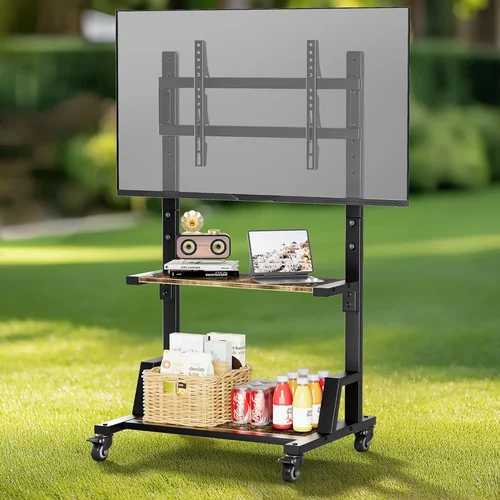
When it comes to transforming your backyard into a true outdoor oasis, few upgrades deliver as much entertainment value as a dedicated patio TV for your pool area. Whether you’re hosting summer barbecues, watching the big game with friends, or simply relaxing by the water with a movie under the stars, having a weather-resistant, high-performance television outdoors elevates the entire experience. But unlike indoor TVs, choosing the right one for your poolside setup requires careful consideration of environmental factors, durability, visibility in sunlight, and long-term reliability. That’s why this comprehensive buying guide exists—to help you navigate the complexities of outdoor TV technology and make a smart, informed decision.
In this detailed 2026 guide, we’ll walk you through everything you need to know before purchasing a patio TV. From understanding key performance specs like brightness and weatherproof ratings to comparing different types of outdoor displays and avoiding common buyer mistakes, we’ve got you covered. You’ll learn how to balance budget with quality, identify which features truly matter for poolside use, and discover expert tips for getting the best deal. Whether you’re a first-time buyer or upgrading from an older model, this guide will equip you with the knowledge to choose a TV that not only survives the elements but thrives in them—delivering crisp visuals, reliable performance, and years of enjoyment by the pool.
The market for outdoor TVs has evolved significantly in recent years. What once consisted mostly of bulky, expensive all-weather enclosures has now expanded into sleek, purpose-built displays designed specifically for outdoor environments. Major brands like Samsung, LG, Sony, and specialized companies such as Seura, SunBriteTV, and Peerless have entered the space, offering models that range from budget-friendly options to premium, commercial-grade units. With advancements in display technology—including brighter panels, anti-glare coatings, and enhanced connectivity—outdoor viewing has never been better. However, this abundance of choice can also be overwhelming. Our goal is to cut through the noise and give you a clear, actionable roadmap to finding the perfect patio TV for your unique setup.

What to Look for When Buying Buying Guide
1. Weather Resistance & IP Rating
One of the most critical factors when selecting a patio TV for your pool area is its ability to withstand the elements. Unlike indoor TVs, outdoor models must resist moisture, humidity, dust, temperature fluctuations, and even direct sunlight exposure. The first thing to check is the TV’s Ingress Protection (IP) rating—a standardized measure of how well a device resists solids and liquids. For poolside use, look for a minimum IP55 rating, which means the TV is protected against low-pressure water jets from any direction and limited dust ingress. However, for full protection in wet or splash-prone zones (like right next to the pool), an IP65 or higher rating is strongly recommended. This ensures the unit can handle rain, pool splashes, and high humidity without internal damage.
Beyond the IP rating, consider the TV’s internal components. Quality outdoor TVs use conformal-coated circuit boards, sealed ports, and corrosion-resistant materials to prevent rust and electrical failure. Some models also include built-in heaters or cooling fans to regulate internal temperature in extreme climates. For example, if you live in a region with harsh winters or scorching summers, a TV with thermal management features will last significantly longer. Always verify that the manufacturer explicitly states the TV is designed for outdoor use—don’t assume an indoor TV in a weatherproof case offers the same level of protection.
2. Brightness & Sunlight Visibility
Watching TV outdoors means battling one of the biggest challenges: glare and ambient light. Standard indoor TVs typically peak at around 300–500 nits of brightness, which is fine for dim living rooms but completely inadequate under direct sunlight. For poolside viewing, you need a display with at least 700 nits, but ideally 1,000 nits or more. High brightness ensures that colors remain vibrant and details stay visible even at midday. Many top-tier outdoor TVs now offer 1,500 to 2,500 nits, making them usable in nearly any lighting condition.
In addition to raw brightness, look for features like anti-reflective coatings and optically bonded screens. These reduce glare by minimizing surface reflections and improving contrast. Some models also include ambient light sensors that automatically adjust brightness based on surrounding conditions—dimming at night to save power and enhance viewing comfort. For shaded patios or covered pool areas, slightly lower brightness may suffice, but if your TV will be exposed to direct sun, prioritize maximum luminance. Real-world testing shows that even a 10% increase in brightness can make a dramatic difference in image clarity on sunny days.
3. Display Technology & Picture Quality
While brightness is crucial, it shouldn’t come at the expense of overall picture quality. Most outdoor TVs use either LED-LCD or OLED panels, each with distinct advantages. LED-LCD remains the dominant choice for outdoor use due to its higher peak brightness, better durability, and lower cost. Many models now feature Quantum Dot (QLED) technology, which enhances color accuracy and saturation—ideal for vibrant poolside visuals. OLED, while offering superior contrast and deeper blacks, is less common outdoors because it struggles with sustained high brightness and can suffer from burn-in over time when displaying static content like news tickers or sports scores.
Resolution is another key consideration. In 2026, 4K UHD is the standard for outdoor TVs, providing four times the detail of Full HD. This is especially important for larger screens (55 inches and up), where lower resolutions appear pixelated from typical viewing distances. HDR (High Dynamic Range) support—such as HDR10, Dolby Vision, or HLG—further improves contrast and color depth, making skies bluer, grass greener, and skin tones more natural. When evaluating picture quality, don’t rely solely on specs; read professional reviews that include real-world outdoor testing. A TV might look great in a showroom but falter under actual poolside conditions.
4. Build Quality & Durability
Outdoor TVs are an investment, and you want yours to last for many seasons. Build quality goes beyond just weather resistance—it encompasses the entire construction, from the chassis to the mounting hardware. Look for TVs with powder-coated aluminum or stainless-steel frames, which resist rust and corrosion far better than plastic or standard metal. The screen itself should be made of tempered glass or reinforced polymer to prevent scratches and shattering from wind-blown debris or accidental impacts.
Pay attention to the internal cooling and ventilation system. Poorly designed units can overheat in direct sun, leading to premature component failure. Quality models use passive cooling (no fans) or whisper-quiet active systems that won’t disrupt your outdoor ambiance. Additionally, check the quality of the remote control and input ports. Outdoor remotes should be weather-resistant or come with protective sleeves, and HDMI/USB ports should be sealed with rubber gaskets. Some manufacturers even offer optional protective covers for when the TV isn’t in use, adding another layer of defense against UV degradation and dust buildup.
5. Size & Viewing Distance
Choosing the right screen size is essential for both comfort and immersion. A TV that’s too small will be hard to see from the pool or lounge chairs, while one that’s too large can overwhelm the space and strain your eyes. As a general rule, multiply your viewing distance (in inches) by 0.84 to get the ideal screen diagonal. For example, if you’ll be watching from 10 feet (120 inches) away, a 100-inch TV (120 × 0.84 ≈ 101) would be optimal. However, outdoor environments often allow for slightly larger screens due to the open space and reduced eye strain from ambient light.
For most residential pool areas, 55 to 75 inches is the sweet spot. Smaller patios or covered decks may work well with 50–65 inches, while expansive backyards with outdoor seating areas can accommodate 80 inches or more. Keep in mind that larger screens require more robust mounting solutions and may need professional installation, especially if wall-mounted near the pool where safety is paramount. Also consider the TV’s bezel size—slim bezels provide a more modern look and maximize screen real estate, which is especially appealing in outdoor settings where aesthetics matter.
6. Connectivity & Smart Features
Modern outdoor TVs aren’t just about picture quality—they’re also hubs for entertainment and smart home integration. Look for models with robust connectivity options, including multiple HDMI 2.1 ports (for 4K/120Hz gaming and future-proofing), USB ports for media playback, and Ethernet or Wi-Fi for streaming. Built-in smart platforms like Google TV, webOS, or Tizen allow access to Netflix, YouTube, Disney+, and other apps without needing an external streaming device. This is especially convenient for pool parties where you might want to quickly switch between live sports and music videos.
Voice control via Google Assistant or Amazon Alexa is becoming standard on premium outdoor TVs, enabling hands-free operation—perfect when you’re lounging in the water or grilling. Some models also support Bluetooth for wireless audio to outdoor speakers or headphones. If you plan to use the TV for gaming, ensure it has low input lag (under 20ms) and supports variable refresh rate (VRR) and auto low latency mode (ALLM). While not every outdoor TV needs these features, having them adds versatility and extends the TV’s usefulness beyond passive viewing.
7. Brand Reputation & Reliability
Not all outdoor TV brands are created equal. While mainstream manufacturers like Samsung and LG offer some outdoor-compatible models, they often lack the specialized engineering found in brands dedicated solely to outdoor displays. Companies like SunBriteTV, Seura, and Peerless have spent years refining their designs for real-world conditions and typically offer better long-term reliability. Reading customer reviews on trusted sites like Consumer Reports, CNET, or specialized outdoor living forums can reveal patterns in performance, failure rates, and customer service quality.
Pay attention to how long a brand has been in the outdoor TV market. Established players usually have better R&D, more rigorous testing protocols, and stronger warranties. Avoid unknown or generic brands that promise “outdoor-ready” performance at suspiciously low prices—these often cut corners on materials and lack proper certifications. A reputable brand will openly share details about their testing procedures, such as salt fog resistance (for coastal areas) or thermal cycling tests, giving you confidence in their claims.
8. Warranty & Support
Given the harsh environment and higher price point of outdoor TVs, a strong warranty is non-negotiable. Most quality models come with at least a 2-year limited warranty, but premium brands often offer 3 to 5 years, sometimes even covering accidental damage or power surges. Read the fine print carefully: some warranties only apply if the TV is installed by a certified professional or used within specific temperature ranges. Also check whether the warranty includes on-site service or requires you to ship the unit back for repairs—this can be a major inconvenience for large screens.
Customer support responsiveness is equally important. Look for brands with dedicated outdoor product support lines, online troubleshooting guides, and readily available replacement parts. Some companies even offer extended service plans or maintenance packages that include annual inspections and cleaning. A good warranty isn’t just about fixing problems—it’s a reflection of the manufacturer’s confidence in their product’s durability.

