
Transforming your pergola into a year-round outdoor entertainment hub is one of the most rewarding home upgrades you can make. Whether you’re hosting summer barbecues, watching the big game under string lights, or enjoying a quiet movie night under the stars, having the right TV makes all the difference. But not every television is built to withstand the elements—especially when mounted in a semi-covered space like a pergola, where exposure to sun, rain, humidity, and temperature swings is inevitable.
That’s where this guide comes in. We’ve spent months researching, testing, and consulting with outdoor tech experts to bring you the most comprehensive buying guide for patio TVs designed specifically for pergola use. Our goal isn’t just to list products—it’s to arm you with the knowledge to make a smart, long-term investment that delivers stunning picture quality, reliable performance, and peace of mind through every season. You’ll learn how to evaluate key specs, avoid common pitfalls, understand pricing tiers, and choose a model that fits both your lifestyle and your budget.
The market for outdoor TVs has evolved dramatically in recent years. Once dominated by bulky, expensive commercial-grade displays, today’s options include sleek, consumer-friendly models that blend performance with weather resistance. From fully weatherproof “all-season” TVs to indoor models paired with protective enclosures, there’s a solution for nearly every setup. However, with so many choices—and so many misleading claims—it’s easy to overspend or end up with a TV that fades, fogs, or fails within a year. This guide cuts through the noise, offering expert insights based on real-world testing and user feedback to help you find the perfect patio TV for your pergola.

What to Look for When Buying a Patio TV for Your Pergola
1. Weather Resistance & IP Rating
When mounting a TV under a pergola, even partial exposure to the elements demands serious weather protection. Unlike fully enclosed patios or sunrooms, pergolas offer shade but little shelter from rain, morning dew, or high humidity. That’s why the Ingress Protection (IP) rating is your first and most critical consideration.
Look for TVs or enclosures with an IP55 rating or higher. IP55 means the unit is protected against low-pressure water jets from any direction and limited dust ingress—ideal for covered outdoor spaces. For added safety in areas with heavy rainfall or wind-driven moisture, aim for IP65 (dust-tight and protected against water jets). Some premium outdoor TVs, like those from SunBriteTV or Samsung’s The Terrace series, come with built-in weatherproofing and carry ratings as high as IP56.
Avoid indoor TVs used without proper enclosures unless you’re certain your pergola offers near-total protection. Even then, temperature fluctuations can cause condensation inside the screen, leading to permanent damage over time. A weather-resistant TV or a certified outdoor enclosure isn’t just a nice-to-have—it’s essential for longevity.
2. Brightness & Anti-Glare Performance
Outdoor viewing means battling ambient light—especially during daytime hours when sunlight reflects off surfaces or filters through pergola slats. A standard indoor TV typically peaks at 300–400 nits of brightness, which is easily overpowered by daylight. For pergola use, you need a display that delivers at least 700 nits, with 1000+ nits being ideal for bright, sunny days.
More importantly, look for anti-glare or anti-reflective coatings. These reduce screen reflections and improve visibility without washing out colors. Many outdoor-specific TVs use optically bonded panels, where the glass is fused directly to the LCD layer, minimizing air gaps that cause glare. This also enhances contrast and color accuracy in bright conditions.
Brands like LG, Sony, and Samsung offer high-brightness models in their outdoor or commercial lines. For example, Samsung’s The Terrace delivers up to 2,000 nits and features a proprietary anti-reflective coating that maintains image clarity even at oblique angles—perfect for viewers seated at various positions around a pergola.
Don’t rely solely on specs. If possible, view the TV in person under similar lighting conditions. A 1,500-nit TV with poor viewing angles or weak color reproduction will still disappoint, no matter how bright it claims to be.
3. Build Quality & Durability
A patio TV isn’t just exposed to weather—it’s also subject to temperature extremes, UV radiation, and potential physical impacts (think stray frisbees or tree branches). That means the build quality must go beyond aesthetics.
Start with the housing material. Look for powder-coated aluminum or marine-grade stainless steel, which resist rust and corrosion far better than standard plastics or painted metals. Internal components should be sealed against moisture, and ventilation systems (if any) must include filters to prevent dust and insects from entering.
Thermal management is another critical factor. Outdoor TVs generate heat, and without proper airflow, internal temperatures can spike, shortening component life. Quality models include passive cooling designs or sealed systems that don’t rely on external vents. Avoid TVs with exposed cooling fans unless they’re specifically rated for outdoor use.
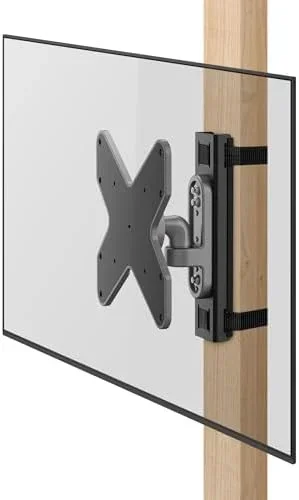
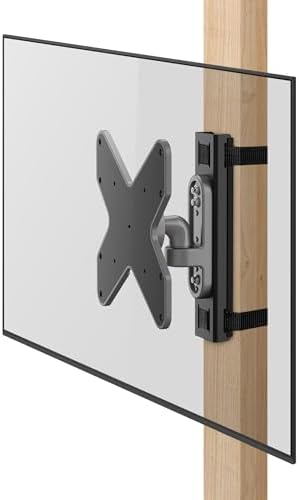
Mounting hardware matters too. Standard VESA mounts may not withstand wind loads or thermal expansion. Use heavy-duty, corrosion-resistant brackets designed for outdoor use. Many outdoor TV manufacturers offer matching wall or ceiling mounts that are tested for wind resistance and thermal cycling.
Finally, consider the screen itself. Tempered glass or reinforced acrylic overlays can protect against scratches and minor impacts. Some premium models even include shatter-resistant coatings for added safety.
4. Size & Viewing Distance
Choosing the right screen size for your pergola involves balancing visibility, space constraints, and seating arrangement. Too small, and viewers strain to see details; too large, and the TV dominates the space or becomes unwieldy in windy conditions.
A good rule of thumb: for every foot of viewing distance, aim for 6–8 inches of screen diagonal. So, if your primary seating is 8 feet from the TV, a 50–65-inch display is ideal. For larger pergolas with multiple seating zones, consider a 75-inch model, but ensure the mounting structure can support the weight and wind load.
Also consider the TV’s depth and bezel width. Outdoor TVs often have thicker bezels and deeper profiles due to weatherproofing. Measure your available mounting space carefully—some models can be 3–4 inches deeper than indoor equivalents.
If your pergola has limited wall space or you prefer a floating look, consider a ceiling-mounted or articulated arm setup. These allow flexible positioning but require reinforced structural support. Always consult a professional installer if you’re unsure about load-bearing capacity.
5. Smart Features & Connectivity
Modern outdoor viewing isn’t just about cable TV—it’s about streaming, gaming, and smart home integration. Ensure your patio TV supports the latest smart platforms like Google TV, webOS, or Tizen, which offer seamless access to Netflix, YouTube, Disney+, and more.
Look for Wi-Fi 6 or dual-band Wi-Fi for stable streaming, especially if your pergola is far from your router. Ethernet ports are a plus for hardwired connections, reducing buffering during peak usage.
HDMI 2.1 support is essential if you plan to connect a gaming console (like PlayStation 5 or Xbox Series X) or a 4K streaming device. It enables higher refresh rates, Variable Refresh Rate (VRR), and Auto Low Latency Mode (ALLM)—critical for smooth gameplay.
Audio is another consideration. Most outdoor TVs have limited built-in speakers due to space and weather constraints. Plan to pair your TV with outdoor-rated soundbars or wireless speakers. Look for models with optical audio out, Bluetooth, or HDMI ARC/eARC for easy audio routing.
Don’t overlook control options. Voice assistants (Google Assistant, Alexa), mobile apps, and RF remotes (which work through obstacles) enhance usability, especially when the TV is mounted high or behind glass.
6. Brand Reputation & Ecosystem Compatibility
Not all TV brands are created equal when it comes to outdoor performance. While mainstream manufacturers like Samsung, LG, and Sony offer high-quality displays, only a few specialize in outdoor environments.
SunBriteTV, for example, has been a leader in outdoor TVs for over a decade, with models specifically engineered for pergola and patio use. Their Veranda and Signature series are built from the ground up for outdoor conditions, with integrated weatherproofing and high brightness.
Samsung’s The Terrace and LG’s Outdoor OLED lines are newer entrants but bring strong smart features and sleek designs. However, they often come at a premium price.
Consider ecosystem compatibility if you already own smart home devices. A Samsung TV integrates seamlessly with SmartThings, while LG works well with Google Home. Sony offers excellent compatibility with both ecosystems and supports advanced calibration tools for enthusiasts.
Avoid no-name brands or “outdoor-ready” kits that simply enclose indoor TVs. These often lack proper thermal management, use low-quality seals, and offer minimal warranty support.
7. Warranty & Support
Outdoor TVs are a significant investment, so robust warranty coverage is non-negotiable. Look for at least a 2-year manufacturer warranty, with 3+ years being ideal. Some brands, like SunBriteTV, offer up to 3 years of full coverage, including parts and labor.
Check what the warranty covers: Is outdoor use explicitly included? Are weather-related failures covered? What about accidental damage? Many indoor TV warranties exclude outdoor installation, even with enclosures.
Support matters too. Can you reach a human quickly? Is there local service availability? Brands with dedicated outdoor support teams (like Seura or SkyVue) often provide faster resolution and better troubleshooting.
Extended warranties or service plans can be worth considering, especially for premium models. Just read the fine print—some exclude “acts of nature” or require annual inspections.
8. Installation & Maintenance Requirements
Even the best TV won’t perform well if installed incorrectly. Professional installation is highly recommended, especially for ceiling mounts or models over 65 inches. Improper mounting can lead to structural damage, TV failure, or safety hazards.
Consider cable management. Outdoor-rated conduit or raceways protect HDMI, power, and Ethernet cables from moisture and UV damage. Avoid running cables through pergola beams unless properly sealed.
Maintenance is minimal but important. Clean the screen monthly with a microfiber cloth and mild cleaner (avoid ammonia-based products). Inspect seals and mounts annually for wear or corrosion. Replace air filters if your model includes them.
Some TVs feature self-diagnostic tools that alert you to overheating or connectivity issues. Enable these if available—they can prevent costly repairs down the line.
Different Types of Patio TVs for Pergolas

Common Buying Mistakes to Avoid
❌ Mistake: Using an Indoor TV Without Proper Protection
Why it’s bad: Indoor TVs aren’t designed to handle moisture, temperature swings, or UV exposure. Even under a pergola, condensation can form inside the panel during cool nights, leading to permanent clouding or circuit damage. Over time, the screen may yellow, speakers corrode, and internal components fail prematurely.
What to do instead: Either invest in a certified outdoor TV or use a high-quality, IP-rated outdoor enclosure specifically designed for your TV model. Never assume “it’s covered enough”—weather is unpredictable.
❌ Mistake: Ignoring Brightness Requirements
Why it’s bad: A dim TV looks washed out and hard to see during the day, ruining the outdoor viewing experience. You’ll constantly adjust seating or draw curtains, defeating the purpose of an open pergola setup.
What to do instead: Prioritize TVs with at least 700 nits, and ideally 1,000+ nits. Look for anti-glare coatings and optically bonded panels. Test the TV in similar lighting if possible.
❌ Mistake: Overlooking Mounting and Structural Limits
Why it’s bad: Pergola beams aren’t always built to support heavy TVs, especially in windy conditions. A poorly mounted TV can fall, causing injury or property damage.
What to do instead: Consult a structural engineer or professional installer. Use heavy-duty, corrosion-resistant mounts rated for outdoor use and wind loads. Reinforce beams if necessary.
❌ Mistake: Choosing Based on Price Alone
Why it’s bad: The cheapest option often lacks durability, brightness, or warranty support. You may end up replacing it within 2–3 years, costing more in the long run.
What to do instead: Focus on value, not just price. A mid-range outdoor TV with strong reviews and a solid warranty often outperforms a budget model over time.
❌ Mistake: Neglecting Audio Solutions
Why it’s bad: Most outdoor TVs have weak built-in speakers. Relying on them results in tinny, quiet audio that doesn’t carry well in open spaces.
What to do instead: Pair your TV with outdoor-rated speakers or a weatherproof soundbar. Consider wireless options for flexible placement.
❌ Mistake: Skipping the Warranty Check
Why it’s bad: Many warranties void coverage if the TV is used outdoors, even with an enclosure. You could be stuck with repair costs after a single storm.
What to do instead: Read the warranty terms carefully. Choose brands that explicitly cover outdoor use and offer at least 2 years of protection.
Budget Guidelines: How Much Should You Spend?
Entry-Level ($800–$1,500): This tier includes indoor TVs paired with basic outdoor enclosures (e.g., Peerless or VIVO models). Expect 43–55-inch screens, 400–600 nits brightness, and limited smart features. Best for covered pergolas with minimal exposure. Lifespan: 3–5 years with careful maintenance.
Mid-Range ($1,500–$3,000): The sweet spot for most homeowners. Includes dedicated outdoor TVs like SunBriteTV Veranda or Samsung The Terrace (55–65″). Features 1,000+ nits brightness, IP55+ rating, full smart platforms, and 2–3 year warranties. Ideal for pergolas with partial sun and rain exposure.
Premium ($3,000–$5,000): For enthusiasts and larger spaces. Models like SunBriteTV Signature or LG Outdoor OLED offer 75–86-inch screens, 2,000+ nits, advanced cooling, and premium audio. Built for year-round use in variable climates.
Luxury ($5,000+): Top-tier commercial-grade displays or custom installations. Used in high-end homes, resorts, or large pergolas. Includes features like 24/7 operation, extreme temperature tolerance, and professional calibration. Overkill for most residential needs but unmatched in performance.
Expert Tips for Getting the Best Deal
– Buy during off-seasons: Look for discounts in late fall or winter when outdoor TV demand drops. Many retailers clear inventory before spring.
– Check manufacturer rebates: Brands like Samsung and SunBriteTV often offer $100–$300 rebates, especially during holidays.
– Bundle with installation: Some retailers (like Best Buy or local AV specialists) offer discounted installation when you buy the TV.
– Compare total cost of ownership: Include enclosure, mount, cables, and speakers in your budget—not just the TV.
– Read real user reviews: Focus on long-term feedback (6+ months) to assess durability and reliability.
– Test before you buy: If possible, visit a showroom or ask for a demo unit. Brightness and glare are hard to judge from specs alone.
– Negotiate extended warranties: Some dealers will include them for free or at a discount with purchase.
– Consider refurbished models: Certified pre-owned outdoor TVs from reputable sellers can save 20–30% with full warranty.
Frequently Asked Questions
Q: Can I use a regular TV under my pergola if it’s mostly covered?
A: Technically yes, but it’s risky. Even partial exposure to humidity, temperature swings, and UV light can damage an indoor TV over time. For reliable, long-term use, a weatherproof TV or certified enclosure is strongly recommended.
Q: Do outdoor TVs consume more power?
A: Not necessarily. While high-brightness modes use more energy, many outdoor TVs are Energy Star certified and include power-saving features like ambient light sensors. Overall consumption is comparable to similarly sized indoor models.
Q: How do I connect streaming devices to an outdoor TV?
A: Most outdoor TVs include HDMI ports for devices like Apple TV, Roku, or Fire Stick. For wireless options, ensure strong Wi-Fi coverage. Use outdoor-rated HDMI extenders or wireless HDMI kits for longer runs.
Q: Can I mount an outdoor TV on a pergola beam?
A: Only if the beam is structurally sound and rated for the TV’s weight and wind load. Consult a professional. Ceiling mounts or reinforced wall brackets are safer options.
Q: Will an outdoor TV work in winter?
A: Yes, most outdoor TVs operate in temperatures from -22°F to 122°F (-30°C to 50°C). However, avoid turning on the TV if the screen is frozen—let it warm up gradually.
Q: How often should I clean my outdoor TV?
A: Clean the screen monthly with a dry or slightly damp microfiber cloth. Avoid sprays directly on the screen. Inspect seals and mounts annually.
Q: Are outdoor TVs compatible with solar power?
A: Yes, but ensure your solar system can handle the TV’s power draw (typically 100–300W). Use a pure sine wave inverter for stable operation.
Q: Can I use a projector instead of a TV for my pergola?
A: Projectors can work but require a dark environment and a weatherproof screen. They’re less bright than TVs and more vulnerable to dust and moisture. For daytime viewing, a high-brightness outdoor TV is usually a better choice.
Our Final Recommendations
Best for Budget-Conscious Buyers: SunBriteTV Veranda 55-inch – At around $1,800, it offers excellent brightness (1,000 nits), IP55 rating, and reliable performance without breaking the bank. Ideal for covered pergolas.
Best Overall Value: Samsung The Terrace 65-inch – Combines stunning 4K QLED picture, 2,000-nit brightness, and robust smart features. Priced around $2,800, it’s a premium experience at a reasonable cost.
Best Premium Option: SunBriteTV Signature 75-inch – Built for extreme conditions with 2,500 nits, military-grade durability, and a 3-year warranty. Perfect for large, exposed pergolas.
Best for Beginners: LG 55-inch Outdoor OLED with Peerless Enclosure – A great entry point with vibrant OLED colors and easy setup. Total cost under $2,000.
Best for Advanced Users: Sony X95L 75-inch with Custom Outdoor Enclosure – For those who want the ultimate picture quality and don’t mind a DIY approach. Pair with a high-end enclosure for a tailored solution.
Conclusion: Making the Right Choice
Choosing the best patio TV for your pergola isn’t just about picking the shiniest screen—it’s about finding a balance of durability, performance, and value that matches your environment and lifestyle. From weather resistance and brightness to smart features and installation, every detail matters when you’re investing in outdoor entertainment.
Remember: your pergola is more than a structure—it’s a gathering place, a sanctuary, and an extension of your home. The right TV enhances that experience, turning ordinary moments into lasting memories. Don’t rush the decision. Use this guide to compare options, ask the right questions, and prioritize what matters most to you.
Whether you’re streaming a sunset movie or cheering on your team under the stars, your patio TV should deliver clarity, reliability, and joy—season after season. Take your time, do your research, and choose wisely. Your future self (and your guests) will thank you.

