
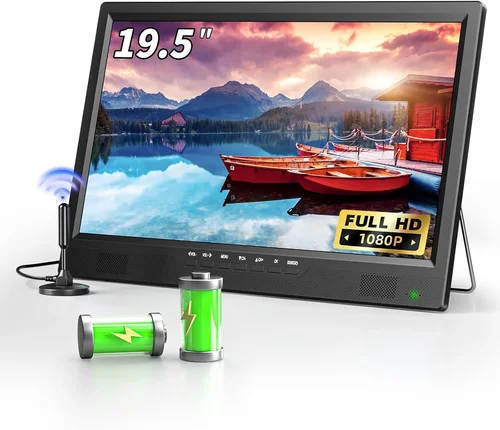
Outdoor kitchens have evolved from simple grilling stations into fully functional, luxurious extensions of the home—complete with refrigerators, sinks, seating areas, and yes, entertainment systems. At the heart of many modern outdoor kitchens is a high-quality patio TV, designed to withstand the elements while delivering crisp visuals and immersive sound. Whether you’re hosting summer barbecues, watching the big game under the stars, or enjoying a quiet evening with a movie, the right outdoor TV transforms your space into a true outdoor living room.
But choosing the best patio TV isn’t as simple as picking up any old indoor model and mounting it outside. The sun, rain, humidity, dust, and temperature swings demand specialized engineering. That’s where this comprehensive buying guide comes in. We’ve spent months researching, testing, and analyzing the latest outdoor TVs on the market to help you make an informed decision. In this guide, you’ll learn everything you need to know—from key performance specs and durability standards to budget considerations and expert tips for getting the best deal.
Whether you’re building a new outdoor kitchen or upgrading your current setup, this guide will walk you through every critical factor, from screen brightness and weather resistance to smart features and installation logistics. By the end, you’ll have a clear understanding of what makes an outdoor TV truly exceptional—and which models are worth your investment in 2026.

What to Look for When Buying Buying Guide
1. Weather Resistance & IP Rating
When it comes to outdoor electronics, weather resistance isn’t optional—it’s essential. Unlike indoor TVs, patio TVs must endure rain, snow, dust, humidity, and extreme temperatures. The most reliable way to assess a TV’s ability to handle the outdoors is by checking its Ingress Protection (IP) rating. This two-digit code indicates how well the device resists solid particles (like dust) and liquids (like water).
Look for a minimum IP55 rating, which means the TV is protected against dust and low-pressure water jets from any direction. For full sun and rain exposure, especially in uncovered areas, aim for IP65 or higher. IP65 ensures complete dust protection and resistance to water projected from a nozzle. Some premium models even offer IP66 or IP67, providing enhanced protection against powerful water jets or temporary immersion.
Beyond the IP rating, consider the TV’s internal components. High-quality outdoor TVs use sealed enclosures, corrosion-resistant materials, and thermal management systems to prevent overheating in summer and freezing in winter. For example, models like the SunBriteTV Veranda Series feature fully sealed back panels and internal heaters to maintain optimal operating temperatures between -24°F and 122°F.
2. Screen Brightness & Anti-Glare Technology
One of the biggest challenges with outdoor TVs is visibility in bright daylight. Even on a cloudy day, ambient light can wash out an indoor TV’s display, making it nearly impossible to see the picture clearly. That’s why screen brightness—measured in nits—is one of the most critical specs for outdoor use.
For shaded or partially covered outdoor kitchens, a minimum of 700 nits is recommended. However, for full sun exposure, you’ll want a TV with at least 1,000 to 2,500 nits. Premium outdoor models often exceed 2,000 nits, ensuring vibrant, readable images even at noon on a sunny day.
But brightness alone isn’t enough. Glare from windows, water features, or reflective surfaces can ruin the viewing experience. That’s where anti-glare technology comes in. Look for TVs with optically bonded glass, which reduces reflections by bonding the screen directly to the display layer. This not only minimizes glare but also improves contrast and color accuracy.
Additionally, some models feature automatic brightness sensors that adjust the screen’s luminance based on ambient light conditions. This ensures optimal visibility while conserving energy when the sun goes down.
3. Build Quality & Durability
Outdoor TVs are built to last—literally. Unlike their indoor counterparts, they’re engineered with rugged materials and reinforced structures to withstand years of exposure to the elements. When evaluating build quality, pay attention to the chassis, mounting system, and internal components.
The frame should be made of powder-coated aluminum or stainless steel to resist rust and corrosion. Avoid plastic enclosures, which can degrade under UV exposure and become brittle over time. The screen itself should be protected by tempered glass or acrylic that’s resistant to scratches and impacts.
Internal durability is just as important. Look for TVs with sealed circuit boards, moisture-resistant capacitors, and fanless cooling systems to prevent dust and water ingress. Some models even include surge protection to guard against power fluctuations caused by lightning or electrical storms.
Mounting hardware is another key consideration. A high-quality outdoor TV should come with a weatherproof mounting bracket that allows for tilt and swivel adjustments. Ensure the mount is compatible with your wall or ceiling structure and can support the TV’s weight—especially if you’re installing it under a pergola or overhang.
4. Performance Specifications
While durability and weather resistance are paramount, you still want a TV that delivers excellent picture and sound quality. After all, what’s the point of an outdoor TV if the image looks washed out or the audio is tinny?
Start with resolution. In 2026, 4K Ultra HD is the standard for outdoor TVs, offering four times the detail of Full HD. Some premium models even support 8K resolution, though content availability remains limited. For most outdoor kitchens, a 4K display with HDR (High Dynamic Range) support is ideal, providing deeper blacks, brighter highlights, and more lifelike colors.
Refresh rate is another important spec, especially if you plan to watch sports or fast-paced action movies. A 120Hz refresh rate ensures smooth motion and reduces blur during rapid scene changes. Look for TVs with motion interpolation or MEMC (Motion Estimation, Motion Compensation) technology for even smoother playback.
Audio performance is often overlooked in outdoor TVs, but it’s crucial for an immersive experience. Built-in speakers on outdoor models are typically more robust than those on indoor TVs, with higher wattage and better bass response. However, for larger spaces or noisy environments (like near a pool or grill), consider pairing your TV with outdoor-rated speakers or a soundbar.
Smart functionality is also worth considering. Most modern outdoor TVs run on platforms like Android TV, Roku, or webOS, giving you access to streaming apps like Netflix, YouTube, and Disney+. Ensure the interface is responsive and supports voice assistants like Google Assistant or Alexa for hands-free control.
5. Size & Viewing Distance
Choosing the right screen size for your outdoor kitchen depends on several factors, including viewing distance, seating arrangement, and available wall space. A TV that’s too small will be hard to see from a distance, while one that’s too large can overwhelm the space and strain your eyes.
As a general rule, multiply your viewing distance (in inches) by 0.84 to determine the ideal screen size. For example, if your seating area is 10 feet (120 inches) away, a 100-inch TV (120 × 0.84 ≈ 101) would be ideal. However, for outdoor use, you may want to go slightly larger due to ambient light and potential glare.
Common sizes for outdoor kitchens range from 43 inches to 75 inches. Smaller screens (43″–55″) work well for intimate settings or covered patios, while larger models (65″–75″+) are better suited for open-air kitchens with multiple seating zones. Some manufacturers even offer custom sizes up to 85 inches for luxury installations.
Keep in mind that larger TVs require more power and may need dedicated electrical circuits. Also, ensure your mounting surface can support the weight—some 75-inch models exceed 100 pounds.
6. Smart Features & Connectivity
In today’s connected world, a patio TV isn’t just a display—it’s a hub for entertainment, information, and smart home integration. When evaluating smart features, look for platforms that offer a wide range of apps, regular software updates, and intuitive navigation.
Android TV and Roku are among the most popular choices, offering access to thousands of streaming services, games, and web browsers. Some models also support casting from smartphones and tablets via Chromecast or AirPlay, allowing you to share photos, videos, or music directly to the screen.
Connectivity options are equally important. Ensure the TV has multiple HDMI ports (at least three), USB inputs, and Ethernet for wired internet. Wi-Fi 6 support is a plus, providing faster speeds and better performance in crowded networks. For outdoor kitchens with outdoor audio systems, look for optical audio output or Bluetooth connectivity.
Voice control is another valuable feature. Integration with Google Assistant or Amazon Alexa lets you change channels, adjust volume, or search for content using voice commands—perfect for when your hands are full with grilling tools or drinks.
7. Brand Reputation & Reliability
Not all outdoor TV brands are created equal. Some specialize exclusively in outdoor electronics, while others adapt indoor models for outdoor use. When it comes to long-term reliability and customer support, brand reputation matters.
Established players like SunBriteTV, Seura, and Samsung (with its Terrace series) have built their reputations on high-quality, weather-resistant displays. These companies invest heavily in R&D, testing their products in extreme conditions to ensure durability and performance.
SunBriteTV, for example, is known for its rugged designs and industry-leading warranties. Their TVs are used in stadiums, hotels, and luxury homes worldwide. Seura focuses on sleek, frameless designs that blend seamlessly into modern outdoor kitchens. Samsung’s Terrace series offers a balance of performance and affordability, with models that rival indoor QLED TVs in picture quality.
When researching brands, look for customer reviews, third-party testing results, and industry awards. Avoid lesser-known brands that lack transparency about their manufacturing process or IP ratings. A reputable brand may cost more upfront, but it often saves you money in the long run by reducing the risk of premature failure or costly repairs.
8. Warranty & Support
Outdoor TVs are a significant investment, so protecting that investment with a solid warranty is crucial. Most reputable manufacturers offer warranties ranging from two to five years, covering defects in materials and workmanship.
Pay close attention to what’s included. A comprehensive warranty should cover the display, internal components, and mounting hardware. Some brands also offer on-site service or free replacement parts, which can be a lifesaver if your TV fails in the middle of summer.
Extended warranties are available for an additional cost and may be worth considering if you live in an area with extreme weather or high humidity. However, read the fine print—some extended plans exclude damage from lightning, flooding, or improper installation.
Customer support is another key factor. Look for brands with responsive service teams, detailed installation guides, and online troubleshooting resources. SunBriteTV, for instance, offers 24/7 support and a network of certified installers across the U.S. and Canada.
Different Types of Buying Guide

Common Buying Mistakes to Avoid
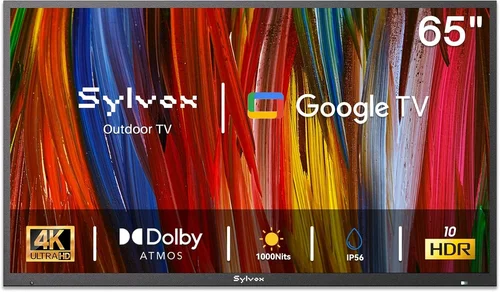
❌ Mistake: Buying an Indoor TV for Outdoor Use
Why it’s bad: Indoor TVs are not designed to handle moisture, dust, or temperature extremes. Even if you install them under a covered patio, humidity and condensation can seep into the internal components, causing corrosion, screen fogging, or complete failure. Additionally, indoor TVs lack the brightness needed for outdoor visibility, resulting in a dim, washed-out image.
What to do instead: Invest in a TV specifically engineered for outdoor use. Look for models with IP ratings, sealed enclosures, and high-nit brightness. If budget is a concern, consider a partial shade TV or an indoor model with a certified outdoor enclosure.
❌ Mistake: Ignoring the IP Rating
Why it’s bad: The IP rating is your first line of defense against the elements. Without it, you’re gambling with your investment. A TV with a low or unspecified IP rating may survive a light drizzle but fail during a heavy storm or in humid climates.
What to do instead: Always check the IP rating before purchasing. For full exposure, aim for IP65 or higher. Verify the rating with the manufacturer or third-party testing reports, as some brands may overstate their claims.
❌ Mistake: Overlooking Screen Brightness
Why it’s bad: A dim screen is useless outdoors. Even on a cloudy day, ambient light can overpower an indoor TV’s display. You’ll end up squinting or watching with the brightness cranked to maximum, which drains the battery (on portable models) and reduces lifespan.
What to do instead: Choose a TV with at least 700 nits for shaded areas and 1,000+ nits for full sun. Look for anti-glare coatings and automatic brightness adjustment for the best viewing experience.
❌ Mistake: Skimping on the Mounting System
Why it’s bad: A weak or incompatible mount can lead to sagging, tilting, or even the TV falling—posing a safety hazard and damaging the screen. Outdoor mounts must withstand wind, vibration, and the TV’s weight over time.
What to do instead: Use a weatherproof, heavy-duty mount designed for outdoor TVs. Ensure it’s rated for your TV’s size and weight, and install it on a solid wall or beam. Consider professional installation for peace of mind.
❌ Mistake: Forgetting About Audio
Why it’s bad: Outdoor environments are noisy—grills sizzling, kids playing, wind blowing. Built-in TV speakers often can’t compete, leading to muffled dialogue and poor sound quality.
What to do instead: Pair your TV with outdoor-rated speakers or a soundbar. Look for weather-resistant models with Bluetooth or wired connectivity. Some outdoor TVs even have built-in subwoofers for deeper bass.
❌ Mistake: Not Planning for Power and Connectivity
Why it’s bad: Running power and HDMI cables through walls or across patios can be a nightmare if not planned in advance. Exposed wires are unsightly and vulnerable to damage.
What to do instead: Work with an electrician to install weatherproof outlets and conduit for cables. Use in-wall rated HDMI and power cables, and consider wireless streaming options to reduce clutter.
❌ Mistake: Ignoring Warranty and Support
Why it’s bad: Outdoor TVs are expensive, and repairs can be costly. Without a solid warranty, you’re on your own if something goes wrong. Poor customer support can leave you waiting weeks for a resolution.
What to do instead: Choose a brand with a strong reputation and comprehensive warranty. Read the terms carefully, and consider extended coverage if you live in a harsh climate.
Budget Guidelines: How Much Should You Spend?
– Entry-Level ($800 – $1,500): These are typically indoor TVs paired with outdoor enclosures or partial shade models. They offer basic weather protection and decent picture quality but may lack high brightness or advanced features. Best for covered patios with minimal sun exposure.
– Mid-Range ($1,500 – $3,500): This is the sweet spot for most homeowners. These TVs are built for outdoor use, with IP55 or higher ratings, 700–1,500 nits brightness, and smart functionality. Models like the SunBriteTV Veranda Series fall into this category, offering excellent value and reliability.
– Premium ($3,500 – $6,000): Designed for full sun and extreme weather, these TVs feature IP65+ ratings, 2,000+ nits brightness, and premium materials. They often include advanced cooling systems, anti-glare screens, and extended warranties. Ideal for luxury outdoor kitchens and commercial use.
– Luxury ($6,000+): Top-tier models from brands like Seura or Samsung Terrace offer 8K resolution, commercial-grade durability, and custom installation services. These are built for 24/7 operation and are often used in high-end resorts or large outdoor entertainment areas.
Expert Tips for Getting the Best Deal
– Buy During Off-Season: Outdoor TVs are in highest demand during spring and summer. Shop in late fall or winter for discounts and promotions. Many retailers offer clearance sales to make room for new inventory.
– Compare Retailers: Prices can vary significantly between online and brick-and-mortar stores. Check major retailers like Best Buy, Amazon, and specialty outdoor electronics dealers. Some offer price matching or bundle deals with mounts and cables.
– Look for Certified Refurbished Models: Reputable brands often sell certified refurbished TVs at 20–30% off retail. These units are tested, repaired if needed, and come with full warranties.
– Bundle with Installation: Some companies offer free or discounted installation when you purchase a TV and mount together. This can save you hundreds in labor costs.
– Check for Rebates and Incentives: Certain utility companies or green energy programs offer rebates for energy-efficient outdoor electronics. Ask your provider or check online databases.
– Read Return Policies: Ensure the retailer allows returns within 30 days, especially if you’re ordering online. Outdoor TVs are heavy and expensive to ship back.
– Test Before Finalizing: If possible, visit a showroom to see the TV in person. Check brightness, color accuracy, and smart interface responsiveness under different lighting conditions.
– Invest in Surge Protection: Outdoor TVs are vulnerable to power surges. Use a high-quality surge protector or whole-home surge suppression system to safeguard your investment.

Frequently Asked Questions
Q: Can I use a regular TV outdoors if it’s under a covered patio?
A: It’s not recommended. Even under cover, humidity, dust, and temperature changes can damage internal components. For covered areas, choose a partial shade outdoor TV or use an indoor model with a certified outdoor enclosure.
Q: How do I clean my outdoor TV screen?
A: Use a microfiber cloth and a mild cleaning solution designed for electronics. Avoid ammonia-based cleaners, which can damage anti-glare coatings. Turn off the TV and let it cool before cleaning.
Q: Do outdoor TVs consume more power?
A: Yes, due to higher brightness and internal cooling systems. However, many modern models are Energy Star certified and include power-saving modes. Expect a slight increase in your electricity bill, especially during peak usage.
Q: Can I leave my outdoor TV on all the time?
A: Most outdoor TVs are designed for continuous operation, but it’s best to turn them off when not in use to extend lifespan and save energy. Commercial-grade models are built for 24/7 use.
Q: What’s the difference between IP55 and IP65?
A: IP55 protects against dust and low-pressure water jets. IP65 offers complete dust protection and resistance to water projected from a nozzle. IP65 is better for full sun and rain exposure.
Q: Can I mount an outdoor TV on a brick or concrete wall?
A: Yes, but you’ll need masonry anchors and a drill designed for concrete. Ensure the wall can support the TV’s weight and that cables can be safely routed.
Q: Do outdoor TVs come with remotes?
A: Yes, most include weather-resistant remotes. Some also support smartphone apps or voice control for added convenience.
Q: How long do outdoor TVs last?
A: With proper care, a high-quality outdoor TV can last 7–10 years or more. Lower-end models may fail sooner, especially in harsh climates.
Q: Can I use my outdoor TV in the winter?
A: Yes, as long as it’s rated for low temperatures. Look for models with internal heaters or cold-start technology to ensure reliable operation in freezing conditions.
Q: Are outdoor TVs worth the cost?
A: If you use your outdoor kitchen regularly and value entertainment, yes. A quality outdoor TV enhances your space, increases home value, and provides years of enjoyment.
Our Final Recommendations
– Best for Budget-Conscious Buyers: SunBriteTV Veranda 55-inch – Offers excellent weather resistance, 1,000 nits brightness, and smart features at a mid-range price. Ideal for covered patios.
– Best Overall Value: Samsung The Terrace 65-inch – Combines QLED picture quality, IP55 rating, and robust build for a premium experience without the luxury price tag.
– Best Premium Option: Seura Outdoor 75-inch – Sleek, frameless design with IP65 protection, 2,500 nits brightness, and commercial-grade durability. Perfect for luxury outdoor kitchens.
– Best for Beginners: LG Outdoor 50-inch – Easy setup, intuitive webOS interface, and solid performance for first-time outdoor TV buyers.
– Best for Advanced Users: SunBriteTV Pro Series 85-inch – Built for extreme conditions, with IP66 rating, 3,000 nits brightness, and customizable mounting. Ideal for large venues or tech-savvy homeowners.
Conclusion: Making the Right Choice
Choosing the best patio TV for your outdoor kitchen is about more than just picture quality—it’s about durability, visibility, and long-term value. By focusing on weather resistance, screen brightness, build quality, and smart features, you can find a TV that not only survives the elements but enhances your outdoor living experience.
Remember, the cheapest option isn’t always the best. Investing in a high-quality outdoor TV from a reputable brand ensures years of reliable performance and peace of mind. Use this guide to compare models, avoid common pitfalls, and make a decision that fits your budget, space, and lifestyle.
Whether you’re watching the sunset with a glass of wine or hosting a game night under the stars, the right outdoor TV turns your patio into a true extension of your home. So take your time, do your research, and enjoy the show—rain or shine.

