
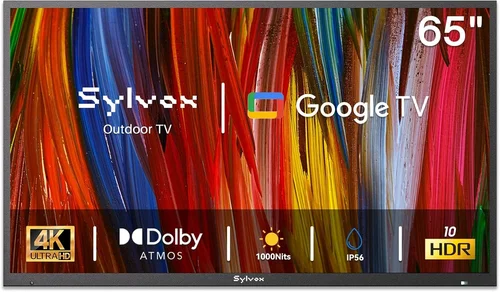
Outdoor entertaining has evolved far beyond simple grilling and casual conversation. Today’s patios and backyard bars are fully integrated entertainment zones—complete with sound systems, lighting, and, increasingly, high-quality outdoor TVs. Whether you’re hosting game nights under the stars, watching the big match with friends around your fire pit, or simply unwinding with a movie after sunset, having a reliable patio TV can transform your outdoor space into a true extension of your living room. But choosing the right one isn’t as simple as picking up any old television and mounting it outside. The elements—sun, rain, humidity, temperature swings, and even dust—demand specialized technology and rugged construction that standard indoor TVs simply can’t handle.
That’s where this comprehensive buying guide comes in. We’ve spent months researching, testing, and analyzing the latest outdoor TV models to help you make an informed decision tailored to your specific needs. From understanding critical performance specs like brightness and weather resistance to navigating budget considerations and brand reliability, we’ll walk you through every step of the process. By the end of this guide, you’ll know exactly what to look for, which features matter most for outdoor use, how to avoid common pitfalls, and—most importantly—which patio TV will deliver the best viewing experience for your unique setup. Whether you’re building a luxury outdoor cinema or just want a durable screen for casual weekend viewing, this guide is your go-to resource for 2026 and beyond.
The market for outdoor TVs has exploded in recent years, driven by advances in display technology, increased demand for outdoor living spaces, and the growing popularity of backyard bars and kitchens. What was once a niche category dominated by a handful of premium brands now includes a wide range of options—from budget-friendly weatherproof enclosures to fully integrated, all-weather smart TVs designed specifically for exterior use. Major electronics manufacturers like Samsung, LG, and Sony have entered the fray, while specialists like SunBriteTV and Seura continue to refine their offerings with cutting-edge features such as anti-glare coatings, enhanced cooling systems, and IP-rated waterproofing. With so many choices available, it’s easy to feel overwhelmed—but armed with the right knowledge, you can cut through the noise and find a TV that delivers stunning picture quality, long-term durability, and seamless integration into your outdoor oasis.

What to Look for When Buying Buying Guide
1. Brightness & Anti-Glare Performance
One of the most critical factors when selecting a patio TV is its ability to maintain visibility in direct sunlight. Unlike indoor TVs, which typically operate in dimly lit rooms, outdoor screens must contend with intense ambient light—especially during daytime viewing. Standard TVs usually peak at around 300–500 nits of brightness, which is fine indoors but virtually unusable outside. For outdoor use, you need a display capable of at least 700 nits, with premium models reaching 2,000 nits or more. This ensures that colors remain vibrant and details stay sharp even under bright skies.
But brightness alone isn’t enough. Glare from sunlight reflecting off the screen can ruin the viewing experience just as quickly as low brightness. That’s why top-tier outdoor TVs feature specialized anti-reflective coatings and optically bonded glass. These technologies minimize surface reflections and improve contrast by reducing light scatter. Some models also use matte finishes instead of glossy ones, further cutting down on glare. When evaluating brightness specs, don’t just look at the number—ask whether the TV includes anti-glare treatment. A 1,000-nit TV without proper glare control may still perform worse than a 700-nit model with advanced optical bonding.
2. Weather Resistance & IP Rating
Your patio TV will be exposed to rain, snow, humidity, dust, and temperature extremes—sometimes all in the same day. Standard TVs aren’t built to withstand these conditions and will fail quickly if used outdoors, even under a covered patio. That’s why weather resistance is non-negotiable. The gold standard for measuring this is the Ingress Protection (IP) rating, which indicates how well a device resists solid particles (like dust) and liquids (like water).
For outdoor TVs, look for an IP55 or higher rating. IP55 means the TV is protected against dust (limited ingress) and low-pressure water jets from any direction—ideal for most covered patios. If your TV will be fully exposed to the elements (e.g., mounted on an open deck), consider IP65 or IP66, which offer full dust protection and resistance to powerful water jets. Keep in mind that “weather-resistant” doesn’t always mean “weatherproof.” Always verify the IP rating and read the manufacturer’s installation guidelines. Also, ensure that all ports, vents, and mounting hardware are sealed or shielded to prevent moisture intrusion.
3. Temperature Tolerance & Thermal Management
Outdoor environments experience dramatic temperature swings—from freezing winter nights to scorching summer afternoons. Most indoor TVs are designed to operate between 32°F and 95°F (0°C to 35°C), but outdoor TVs must function reliably in ranges as wide as -22°F to 122°F (-30°C to 50°C). Prolonged exposure to heat can cause internal components to overheat, leading to shutdowns or permanent damage, while cold temperatures can slow response times or prevent startup altogether.
High-quality outdoor TVs include built-in thermal management systems such as passive cooling (heat-dissipating chassis), active fans, or even liquid cooling in premium models. These systems regulate internal temperature without relying on external ventilation, which could allow moisture in. Additionally, some manufacturers use conformal coating on circuit boards to protect against condensation and corrosion. When shopping, check the operating temperature range listed in the specs—and don’t assume “outdoor-rated” means it can handle extreme climates. If you live in a region with harsh winters or desert-like summers, prioritize models with proven thermal resilience.
4. Build Quality & Materials
Durability starts with construction. Unlike flimsy plastic housings common in many indoor TVs, outdoor models use robust materials like powder-coated aluminum, stainless steel, or reinforced composites. These resist rust, UV degradation, and physical impact from wind-blown debris or accidental bumps. The frame should feel solid, with no flex or creaking, and all seams should be tightly sealed.
Pay special attention to the back panel and ventilation areas. Even with an IP rating, poor design can allow water to pool or seep into critical components. Look for models with sloped tops, drainage channels, and sealed cable entry points. Also, consider the weight—while heavier isn’t always better, excessively light TVs may lack structural integrity. Finally, inspect the remote control: it should be weather-resistant or come with a protective case, as standard remotes won’t survive long in humid or rainy conditions.
5. Smart Features & Connectivity
Modern outdoor TVs aren’t just dumb screens—they’re full-fledged smart platforms. Look for models running established operating systems like Android TV, webOS (LG), or Tizen (Samsung), which offer access to streaming apps (Netflix, YouTube, Disney+, etc.), voice control via Google Assistant or Alexa, and regular software updates. This eliminates the need for external streaming devices and simplifies your setup.
Connectivity is equally important. Ensure the TV has enough HDMI ports (at least 3–4) for gaming consoles, soundbars, cable boxes, or media players. USB ports are useful for playing local content or updating firmware. Wi-Fi 6 support ensures stable streaming even in areas with weak signals, while Bluetooth allows wireless audio pairing. Some premium models include built-in speakers optimized for outdoor acoustics—though for serious sound, you’ll likely want to connect external weatherproof speakers. Avoid TVs with limited or outdated ports; future-proofing your investment saves headaches down the line.
6. Size & Viewing Distance
Choosing the right screen size depends on your seating arrangement and viewing distance. For patio bars, where viewers may be seated 6–12 feet away, a 55-inch to 75-inch TV is typically ideal. Too small, and details get lost; too large, and the image becomes overwhelming or pixelated at close range. Use this rule of thumb: multiply your viewing distance (in inches) by 0.84 to estimate the optimal diagonal screen size. So, at 96 inches (8 feet), aim for around 80 inches—but adjust based on personal preference and space constraints.
Also consider the TV’s bezel width and overall footprint. Slim bezels maximize screen real estate and look more modern, but some rugged outdoor models have thicker frames for added protection. Measure your mounting area carefully, including clearance for cables and ventilation. If space is tight, consider a wall-mounted articulating arm that allows you to pull the TV closer when needed.
7. Brand Reputation & Ecosystem Compatibility
Not all outdoor TV brands are created equal. Established names like SunBriteTV, Seura, and Samsung have years of experience engineering products specifically for exterior use, with proven track records in durability and customer support. Lesser-known brands may offer lower prices but often cut corners on materials, testing, or after-sales service.
Additionally, consider ecosystem compatibility. If you already own smart home devices from a particular brand (e.g., Philips Hue lights, Sonos speakers, or Ring cameras), choosing a TV from the same ecosystem can simplify integration and control. For example, Samsung’s outdoor TVs work seamlessly with SmartThings, while LG’s models integrate with ThinQ AI. This unified experience enhances convenience and reduces setup complexity.
8. Warranty & Customer Support
Outdoor TVs represent a significant investment, often costing two to three times more than comparable indoor models. Because they’re exposed to harsh conditions, having strong warranty coverage is essential. Look for at least a 2-year comprehensive warranty that covers both parts and labor, including damage from environmental factors. Some premium brands offer 3–5 year warranties, which is a strong indicator of confidence in their product.
Equally important is customer support responsiveness. Can you reach a human quickly? Do they offer on-site service or expedited replacements? Read user reviews focusing on post-purchase experiences—not just picture quality. A TV that fails after 18 months with no support is worse than a slightly dimmer model with excellent service. Check if the manufacturer provides detailed installation guides, local dealer networks, or certified installers in your area.
Different Types of Buying Guide

Common Buying Mistakes to Avoid
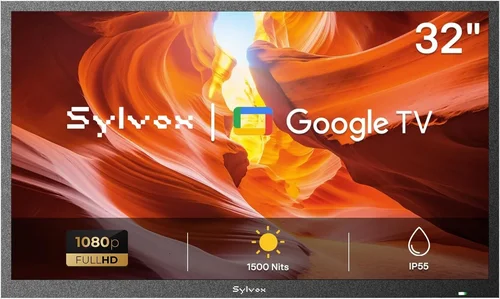
❌ Mistake: Using a Standard Indoor TV Outdoors
Why it’s bad: Indoor TVs lack weatherproofing, UV protection, and thermal regulation. Even under a covered patio, humidity and temperature swings can cause condensation inside the panel, leading to fogging, corrosion, or complete failure within months. Plus, their low brightness makes them nearly invisible in daylight.
What to do instead: Always choose a TV specifically rated for outdoor use—either an all-weather integrated model or an indoor TV paired with a certified weatherproof enclosure. Never assume “it’ll be fine under the eaves.”
❌ Mistake: Ignoring Viewing Angle and Glare
Why it’s bad: Many outdoor TVs look great head-on but suffer from color shift or washout when viewed from the side—a common scenario at a patio bar where guests sit at various angles. Glare from nearby windows, water features, or reflective surfaces can also ruin the experience.
What to do instead: Opt for TVs with wide viewing angles (178° horizontal/vertical) and anti-glare coatings. Position the TV to minimize direct reflections, and consider using outdoor curtains or shades during peak sun hours.
❌ Mistake: Overlooking Audio Quality
Why it’s bad: Outdoor environments are noisy—wind, traffic, music, and conversation all compete with TV audio. Most built-in TV speakers are too weak and lack bass, resulting in muffled dialogue and poor immersion.
What to do instead: Invest in a weatherproof soundbar or outdoor speaker system. Look for models with dedicated subwoofers and clear vocal enhancement. Wireless options like Sonos Move or Bose SoundLink can be placed strategically around your bar area.
❌ Mistake: Skimping on Mounting Hardware
Why it’s bad: Standard wall mounts aren’t designed for outdoor conditions. Rust, vibration from wind, and improper sealing can lead to loose fittings or even TV detachment—posing a serious safety risk.
What to do instead: Use marine-grade stainless steel mounts rated for outdoor use. Ensure the mount is compatible with your TV’s VESA pattern and includes tilt/swivel features for optimal viewing. Have it installed by a professional if you’re unsure.
❌ Mistake: Not Planning for Cable Management
Why it’s bad: Exposed cables are unsightly, vulnerable to weather damage, and can become tripping hazards. Water can seep into unsealed cable entries, damaging both the TV and connected devices.
What to do instead: Use waterproof conduit or cable raceways to route wires neatly along the wall. Choose TVs with rear cable channels or include a weatherproof junction box. Label all cables for easy troubleshooting.
❌ Mistake: Assuming All “Outdoor” TVs Are Equal
Why it’s bad: Marketing terms like “weather-resistant” or “suitable for covered patios” can be misleading. Some brands use minimal sealing or low-grade materials that degrade quickly.
What to do instead: Research independent reviews, check IP ratings, and verify warranty terms. Stick to reputable brands with proven outdoor performance histories.
❌ Mistake: Forgetting About Power and Connectivity Needs
Why it’s bad: Running extension cords across your patio creates hazards and looks messy. Weak Wi-Fi signals can cause buffering, especially if your router is indoors.
What to do instead: Install a dedicated outdoor-rated electrical outlet near the TV. Use a Wi-Fi extender or mesh network node to boost signal strength. Consider Power over Ethernet (PoE) for smart features if wiring is feasible.
Budget Guidelines: How Much Should You Spend?
Entry-Level ($800–$1,800): This tier includes weatherproof enclosures paired with mid-range indoor TVs (e.g., TCL 5-Series or Hisense U6). Ideal for covered patios with minimal direct sun exposure. Expect decent brightness (500–700 nits), basic smart features, and limited thermal management. Best for occasional use or smaller screens (50–65 inches).
Mid-Range ($1,800–$3,500): The sweet spot for most homeowners. These are often all-weather integrated TVs from brands like SunBriteTV Veranda series or Samsung’s outdoor-compatible QLED models. They offer 1,000+ nits brightness, IP55 rating, robust build quality, and full smart functionality. Perfect for semi-covered patios, backyard bars, and regular entertainment.
Premium ($3,500–$6,000): Designed for enthusiasts and those seeking top-tier performance. Models like the SunBriteTV Pro Series or Seura Luxury Line feature 1,500–2,000+ nits, advanced anti-glare tech, superior cooling, and premium audio. Ideal for fully exposed areas, large screens (75+ inches), and high-end outdoor living spaces.
Luxury ($6,000+): For those who want the absolute best. Includes commercial-grade displays, transparent OLED panels, or custom-built solutions with 24/7 operation capability, extreme temperature tolerance, and concierge-level support. Common in luxury resorts, high-end homes, or architectural installations where aesthetics and reliability are paramount.
Expert Tips for Getting the Best Deal
– Buy During Off-Seasons: Prices drop significantly in late fall and winter (November–February) when outdoor living demand is lowest. Many retailers clear inventory before spring launches.
– Shop Certified Retailers: Purchase from authorized dealers (not third-party Amazon sellers) to ensure genuine products, full warranties, and access to support. Brands like SunBriteTV only honor warranties through certified channels.
– Bundle with Accessories: Some retailers offer discounts when you buy a TV + mount + soundbar together. Ask about package deals—they can save you 10–15%.
– Check for Rebates: Utility companies and local governments sometimes offer rebates for energy-efficient outdoor electronics. LG and Samsung have participated in such programs in the past.
– Read the Fine Print on Returns: Outdoor TVs often have stricter return policies due to their specialized nature. Ensure you have at least 30 days to test the unit in your actual environment.
– Test Before Finalizing: If possible, visit a showroom or request a demo unit. Brightness and glare performance can vary greatly between models—what looks good in a dim showroom may disappoint in sunlight.
– Negotiate Installation: Many dealers include free or discounted installation with purchase. Even if not advertised, it’s worth asking—especially for premium models.
– Consider Refurbished Units: Manufacturer-refurbished outdoor TVs (not open-box) often come with full warranties and can save you 20–30%. Just verify the refurbishment source.

Frequently Asked Questions
Q: Can I use my regular TV outside if it’s under a covered patio?
A: Technically yes—but it’s not recommended. Even covered areas experience humidity, temperature swings, and indirect moisture. Over time, this leads to internal corrosion, fogging, and premature failure. A weatherproof enclosure or dedicated outdoor TV is a far safer, longer-lasting investment.
Q: Do outdoor TVs need special power outlets?
A: Not necessarily, but they should be connected to a GFCI (Ground Fault Circuit Interrupter) outlet for safety, especially in damp locations. Avoid daisy-chaining multiple devices on one circuit.
Q: How do I clean my outdoor TV screen?
A: Use a microfiber cloth slightly dampened with distilled water. Never use ammonia-based cleaners (like Windex) or abrasive materials—they can damage anti-glare coatings. For stubborn grime, use a screen-safe cleaner designed for outdoor displays.
Q: Will an outdoor TV work in winter?
A: Yes, if it’s rated for low temperatures. Most quality outdoor TVs operate down to -22°F (-30°C). However, allow the TV to acclimate for 1–2 hours before powering on after extreme cold exposure.
Q: Can I mount an outdoor TV on a brick or stucco wall?
A: Absolutely—but use appropriate anchors (like Tapcon screws for concrete/brick or expansion anchors for stucco). Ensure the wall can support the TV’s weight (typically 50–100+ lbs). Consult a professional if unsure.
Q: Do outdoor TVs come with remotes that work in the rain?
A: Most include standard IR remotes, which can fail in wet conditions. Consider upgrading to a weatherproof remote or using a smartphone app (if supported). Some models offer RF remotes that don’t require line-of-sight.
Q: How long do outdoor TVs last?
A: With proper care, 7–10 years is typical—comparable to indoor TVs. Harsh climates may shorten lifespan, but quality models are built to endure. Regular maintenance (cleaning, checking seals) extends longevity.
Q: Can I stream 4K content reliably outdoors?
A: Yes, provided you have strong Wi-Fi. Use a mesh network or outdoor Wi-Fi extender to ensure consistent bandwidth. Wired Ethernet is even better if you can run a cable.
Q: Are outdoor TVs energy-efficient?
A: Modern models are surprisingly efficient. Look for ENERGY STAR certification—many outdoor QLED and OLED TVs consume less power than older LCDs while delivering higher brightness.
Q: What if my TV gets hit by hail or debris?
A: Premium outdoor TVs use shatter-resistant glass and reinforced frames. While no TV is indestructible, they’re designed to withstand typical weather events. For extreme climates, consider a retractable cover or motorized lift system.
Our Final Recommendations
Best for Budget-Conscious Buyers: SunBriteTV Veranda Series 55″ – At around $2,200, it offers excellent brightness (1,000 nits), IP55 rating, and reliable smart features without breaking the bank. Perfect for covered patios.
Best Overall Value: Samsung The Terrace 65″ – Combines QLED color accuracy, 1,500-nit brightness, and seamless SmartThings integration. Priced around $3,800, it’s a versatile choice for most outdoor bars.
Best Premium Option: SunBriteTV Pro Series 75″ – Built for full exposure with 2,000-nit brightness, military-grade durability, and whisper-quiet cooling. Ideal for luxury setups ($5,500+).
Best for Beginners: Seura Shade 55″ – User-friendly setup, elegant design, and strong anti-glare performance. Great for those new to outdoor tech ($3,200).
Best for Advanced Users: LG Outdoor OLED 65″ – Delivers perfect blacks, infinite contrast, and stunning visuals even in daylight. Requires careful installation but rewards with cinematic quality ($6,500).
Conclusion: Making the Right Choice
Choosing the best patio TV for your outdoor bar isn’t just about picking the shiniest screen—it’s about balancing performance, durability, and practicality for your unique environment. From understanding the critical role of brightness and weather resistance to avoiding common installation pitfalls, every decision shapes your long-term enjoyment. Remember: a great outdoor TV enhances your space, but a poorly chosen one becomes a costly headache.
Prioritize your must-have features based on how and where you’ll use the TV. If you host daytime events, brightness and glare control are paramount. If your bar is fully exposed, invest in top-tier weatherproofing and thermal management. And always factor in audio, mounting, and connectivity from day one.
Ultimately, the right patio TV transforms your backyard into a true entertainment destination—one where friends gather, memories are made, and every game night feels like a premiere event. Use this guide as your compass, trust reputable brands, and don’t rush the process. Your perfect outdoor viewing experience is within reach. Now go enjoy the show—under the open sky.

