
Garden TVs have become a transformative addition to outdoor living spaces, especially in gazebos where families and friends gather to enjoy entertainment under the open sky. Whether you’re streaming a movie during a summer evening or catching up on your favorite show while grilling, a garden TV brings the comfort of indoor viewing into your backyard oasis. However, unlike indoor televisions, these outdoor screens face constant exposure to the elements—rain, dust, pollen, UV rays, and temperature fluctuations—all of which can degrade performance and shorten lifespan if not properly maintained. This is where a proper cleaning routine becomes not just helpful, but essential.
That’s why this comprehensive guide is so important. Many homeowners invest hundreds or even thousands of dollars into high-quality outdoor TVs, only to neglect their upkeep, leading to foggy screens, streaky displays, and premature wear. A well-maintained garden TV not only looks better but also performs more reliably and lasts significantly longer. In this guide, you’ll learn everything you need to know about cleaning your garden TV safely and effectively, from the tools and techniques to avoid common pitfalls and extend the life of your investment. We’ll walk you through step-by-step cleaning methods, product recommendations, and expert-backed strategies tailored specifically for outdoor environments.
The market for outdoor TVs has grown rapidly in recent years, with brands like SunBrite, Samsung Terrace, and Seura leading the charge in weather-resistant technology. These models are engineered with sealed casings, anti-glare screens, and corrosion-resistant components—but even the most rugged designs require regular maintenance. Whether you own a full-shade, partial-sun, or full-sun rated outdoor TV, understanding how to clean it properly ensures you get the most out of your purchase. This guide will empower you with practical knowledge, helping you protect your investment, maintain picture clarity, and enjoy uninterrupted outdoor entertainment for years to come.
What to Look for When Buying Buying Guide
1. Budget & Price Range
When it comes to garden TVs, price can vary dramatically—from under $1,000 for basic models to over $5,000 for premium, commercial-grade units. Your budget will significantly influence the type of TV you can purchase, the features it includes, and how durable it is in outdoor conditions. Entry-level outdoor TVs may offer weather resistance but often lack advanced cooling systems or anti-reflective coatings, which can impact performance in direct sunlight. Mid-range models typically strike a balance between cost and functionality, offering better build quality and enhanced durability. High-end units, on the other hand, are built for extreme conditions and often include features like heated screens for cold climates or enhanced brightness for sunny areas.
It’s important to remember that while a higher price doesn’t always guarantee better performance, it often correlates with superior materials, longer warranties, and better long-term reliability. When setting your budget, consider not just the upfront cost but also potential maintenance expenses and the expected lifespan of the unit. A $2,500 TV that lasts 10 years may be a better value than a $1,200 model that needs replacing after 4. Additionally, factor in installation costs, mounting hardware, and any necessary accessories like weatherproof enclosures or surge protectors. Ultimately, your budget should align with how frequently you plan to use the TV and how harsh your local climate is.
2. Performance Specifications
Performance specs are critical when choosing a garden TV, as outdoor viewing conditions differ greatly from indoor environments. Brightness, measured in nits, is one of the most important factors—outdoor TVs typically range from 700 to over 2,500 nits, with higher numbers indicating better visibility in direct sunlight. For gazebos that receive partial or full sun, aim for at least 1,000 nits to ensure a clear, vibrant picture. Resolution is another key consideration; while 4K UHD is standard on most modern models, ensure the TV supports HDR (High Dynamic Range) for richer colors and better contrast.
Refresh rate, typically 60Hz or 120Hz, affects motion clarity—important for sports or action movies. Look for models with low input lag if you plan to use the TV for gaming. Audio performance is often overlooked but essential, as built-in speakers on outdoor TVs can struggle in open spaces. Consider models with enhanced audio output or plan to connect external weatherproof speakers. Connectivity options like HDMI, USB, Wi-Fi, and Bluetooth should also be evaluated based on your entertainment setup. Finally, check for smart TV capabilities—many outdoor models now run on platforms like Android TV or Roku, allowing access to streaming apps without additional devices.
3. Build Quality & Durability
Outdoor TVs must withstand rain, snow, dust, extreme temperatures, and UV exposure—making build quality a top priority. Look for models with an IP (Ingress Protection) rating, which indicates resistance to water and dust. For garden TVs, an IP55 or higher rating is recommended, meaning the unit is protected against low-pressure water jets and limited dust ingress. The casing should be made of powder-coated aluminum or stainless steel to resist rust and corrosion, especially in humid or coastal areas.
Internal components are equally important. High-quality outdoor TVs feature sealed cooling systems that prevent moisture from entering while allowing heat to dissipate. Some models include internal heaters to prevent screen fogging in cold weather or dehumidifiers to reduce condensation. The screen itself should be made of tempered glass with anti-reflective and anti-glare coatings to maintain visibility in bright conditions. Additionally, check for reinforced mounting points and secure cable management systems to prevent damage from wind or tampering. A well-built TV not only performs better but also requires less frequent cleaning and maintenance, saving you time and effort in the long run.
4. Features & Functionality
Modern garden TVs come packed with features designed to enhance the outdoor viewing experience. One of the most valuable is automatic brightness adjustment, which uses ambient light sensors to optimize screen luminance based on surrounding conditions—this not only improves visibility but also reduces eye strain. Anti-glare and anti-reflective coatings are standard on most outdoor models, but higher-end units may include advanced optical films that minimize reflections from sunlight or nearby lights.
Weatherproof remote controls with extended range are another useful feature, allowing you to operate the TV from inside the gazebo or nearby seating area. Some models offer voice control compatibility with Alexa or Google Assistant, enabling hands-free operation. Built-in Wi-Fi and streaming apps eliminate the need for external devices, while multiple HDMI ports allow connection to cable boxes, gaming consoles, or sound systems. For those in colder climates, heated screens prevent ice buildup and ensure quick startup in freezing temperatures. Additionally, consider models with modular designs that allow for easy servicing or upgrades. The more features a TV offers, the more versatile and user-friendly it becomes—but be sure to prioritize those that match your specific needs and environment.
5. Brand Reputation
Not all outdoor TV brands are created equal, and choosing a reputable manufacturer can make a significant difference in performance, reliability, and customer support. Established brands like SunBrite (a subsidiary of Peerless-AV), Samsung (with its Terrace series), and Seura have spent years refining their outdoor display technology and have a proven track record of durability and innovation. These companies invest heavily in R&D, rigorous testing, and customer feedback to ensure their products meet the demands of real-world outdoor use.
When evaluating brand reputation, look for customer reviews, professional ratings, and industry awards. Brands with strong reputations often provide better warranties, more responsive customer service, and longer product lifecycles. They’re also more likely to offer replacement parts and technical support years after purchase. Avoid lesser-known or generic brands that may cut corners on materials or lack proper weatherproofing. While they might be cheaper upfront, they often fail prematurely, leading to higher long-term costs. Additionally, reputable brands typically offer detailed user manuals, cleaning guidelines, and installation support—resources that are invaluable when maintaining your garden TV.
6. Warranty & Support
A solid warranty is a strong indicator of a manufacturer’s confidence in their product. Most premium outdoor TVs come with warranties ranging from 2 to 5 years, covering defects in materials and workmanship. Some brands even offer extended warranties or service plans for an additional fee. When comparing warranties, pay attention to what’s included—does it cover screen damage, water ingress, or power surges? Is on-site service available, or do you need to ship the unit for repairs?
Customer support is equally important. Look for brands that offer multiple support channels, including phone, email, and live chat, with reasonable response times. Check online forums and review sites to see how quickly and effectively the company resolves issues. A good support team can guide you through troubleshooting, cleaning procedures, and maintenance tips, helping you avoid costly mistakes. Additionally, some manufacturers provide detailed care instructions and recommended cleaning products, which can extend the life of your TV. A strong warranty and reliable support network not only protect your investment but also give you peace of mind, knowing help is available if something goes wrong.
7. Size & Portability
p>Size matters when it comes to garden TVs, but it’s not just about screen dimensions—it’s also about how the TV fits into your gazebo layout and whether it can be moved or repositioned as needed. Most outdoor TVs range from 43 inches to 75 inches, with larger screens offering a more immersive experience but requiring more space and stronger mounting solutions. Consider the viewing distance: for optimal picture quality, sit at a distance of 1.5 to 2.5 times the screen’s diagonal measurement. For example, a 55-inch TV is best viewed from 6.5 to 11 feet away.
Portability is another factor, especially if you plan to move the TV between locations—such as from the gazebo to a patio or garage during off-seasons. Some models are designed with lightweight frames and built-in handles, making them easier to transport. However, most outdoor TVs are intended to be permanently mounted, so portability may not be a priority for everyone. If you do need flexibility, consider a TV with a quick-release mounting system or a portable outdoor TV cart. Keep in mind that larger, heavier models may require professional installation, which adds to the overall cost. Ultimately, choose a size and design that complements your space and usage habits without compromising on performance or safety.
8. User Reviews & Ratings
User reviews and ratings provide real-world insights that specs and marketing materials can’t match. They reveal how a TV performs in actual outdoor conditions, how durable it is over time, and whether it lives up to its promises. Look for reviews from users in similar climates and environments—someone in Florida will have different experiences than someone in Colorado, for example. Pay attention to recurring themes: if multiple users mention screen fogging, remote control issues, or poor customer service, those are red flags.
Ratings on trusted platforms like Amazon, Best Buy, or specialty outdoor electronics sites can help you narrow down your options. Aim for models with at least 4 stars and a high number of reviews—this indicates consistent satisfaction across a broad user base. Read both positive and negative reviews to get a balanced perspective. Positive reviews often highlight ease of installation, picture quality, and reliability, while negative ones may point out flaws in build quality, software bugs, or inadequate weatherproofing. Additionally, check for updates from manufacturers—some brands release firmware updates to fix issues reported by users. By leveraging the collective experience of other buyers, you can make a more informed decision and avoid common pitfalls.
Different Types of Buying Guide

Common Buying Mistakes to Avoid

❌ Mistake: Using Indoor TVs Outdoors
Why it’s bad: Indoor TVs are not designed to handle moisture, temperature swings, or UV exposure. Even if placed under a gazebo, they can suffer from condensation, screen burn-in, or electrical failure due to humidity. The lack of weatherproofing means internal components are vulnerable to corrosion, leading to costly repairs or complete failure.
What to do instead: Always choose a TV specifically rated for outdoor use. Look for models with IP ratings, sealed enclosures, and weather-resistant materials. If budget is a concern, consider a partial-sun model for covered gazebos rather than risking an indoor TV.
❌ Mistake: Ignoring Climate Conditions
Why it’s bad: Not all outdoor TVs perform equally in every environment. A TV designed for mild climates may fog up in high humidity or overheat in direct desert sun. Choosing the wrong type can result in poor picture quality, frequent malfunctions, or shortened lifespan.
What to do instead: Assess your local weather patterns. If you live in a rainy or snowy area, opt for an all-weather model with heating elements. For sunny regions, prioritize high brightness and anti-glare screens. Match the TV’s specifications to your climate for optimal performance.
❌ Mistake: Overlooking Mounting and Installation
Why it’s bad: Improper mounting can lead to instability, especially in windy conditions. Using indoor mounts or DIY solutions may void warranties or cause the TV to fall, posing safety risks. Poor cable management can also expose wires to the elements.
What to do instead: Use manufacturer-recommended outdoor mounts rated for your TV’s size and weight. Ensure the mounting surface is secure and capable of supporting the load. Hire a professional installer if needed, and use weatherproof cable conduits to protect connections.
❌ Mistake: Neglecting Regular Cleaning
Why it’s bad: Dust, pollen, bird droppings, and water spots can accumulate quickly on outdoor screens, reducing clarity and potentially damaging coatings. Harsh cleaners or abrasive cloths can scratch the surface or degrade anti-reflective layers.
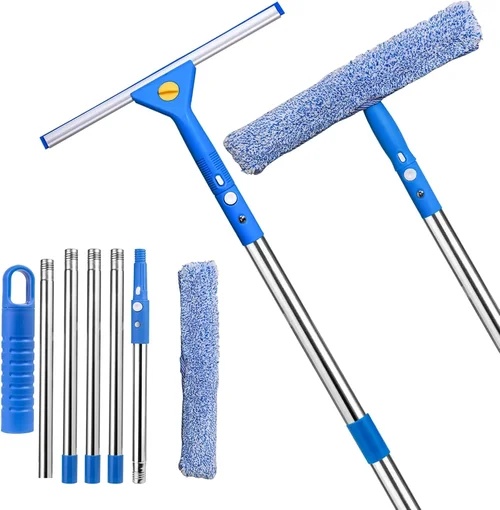
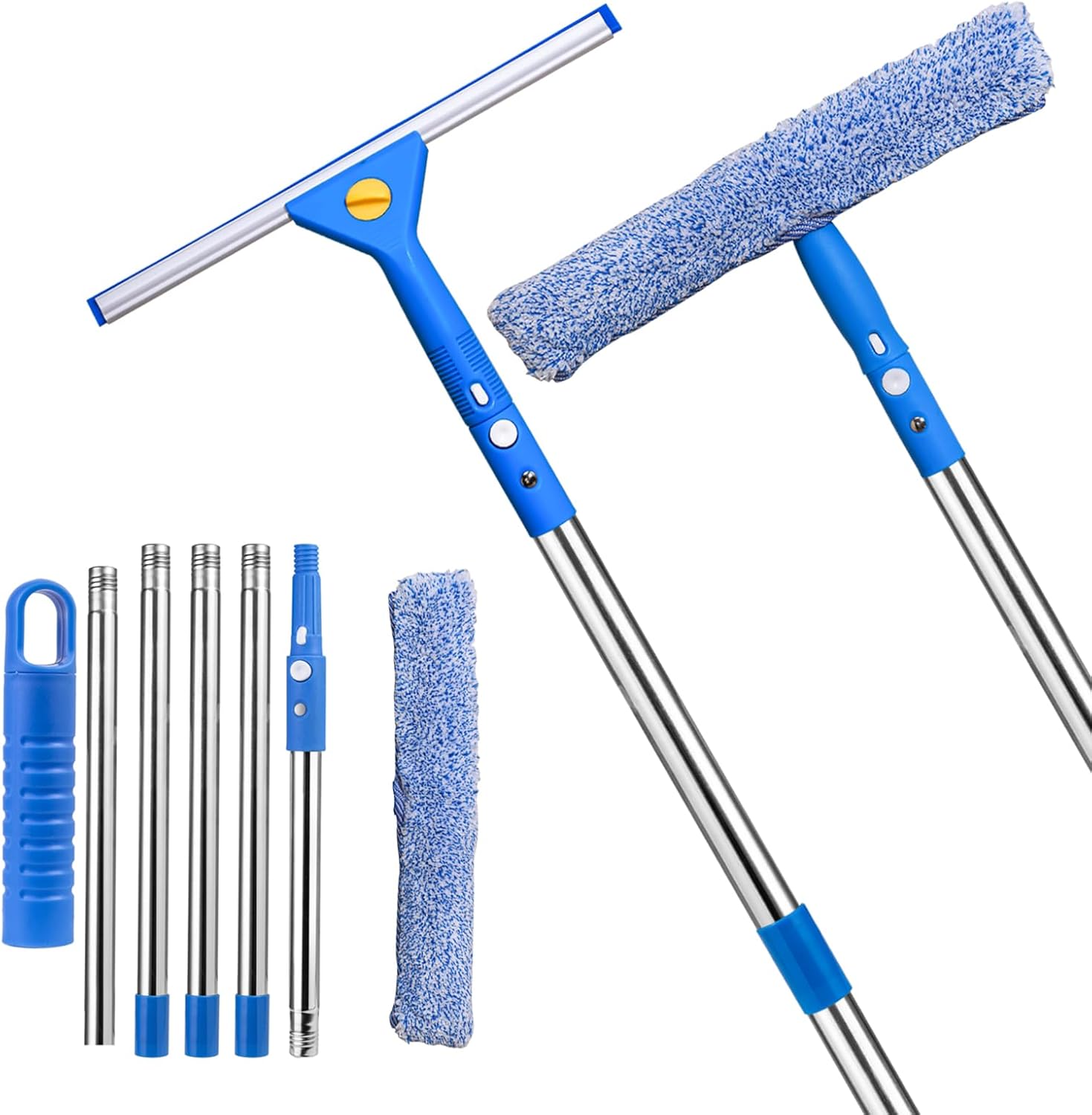
What to do instead: Establish a regular cleaning schedule—every 2–4 weeks depending on conditions. Use only approved cleaning solutions and microfiber cloths. Avoid spraying liquid directly on the screen; instead, apply cleaner to the cloth first.
❌ Mistake: Skimping on Surge Protection
Why it’s bad: Outdoor electronics are more vulnerable to power surges from lightning or grid fluctuations. Without proper protection, a single surge can fry the TV’s internal circuitry, leading to expensive repairs or replacement.
What to do instead: Invest in a high-quality outdoor surge protector with a high joule rating (at least 2,000 joules). Consider a whole-house surge protector for added security. Unplug the TV during severe storms if possible.
❌ Mistake: Buying Based Solely on Price
Why it’s bad: The cheapest option often cuts corners on build quality, durability, and features. A low-cost TV may save money upfront but could fail prematurely, requiring replacement sooner than expected.
What to do instead: Focus on value, not just price. Consider total cost of ownership, including lifespan, maintenance, and warranty. A mid-range TV with strong reviews and solid construction often offers the best long-term value.
❌ Mistake: Forgetting About Audio Needs
Why it’s bad: Built-in speakers on outdoor TVs are often weak and muffled, especially in open spaces. Relying solely on them can result in poor sound quality, forcing you to strain to hear dialogue or music.
What to do instead: Plan for external audio from the start. Invest in weatherproof outdoor speakers or a soundbar designed for exterior use. Ensure the TV has audio output options (HDMI ARC, optical, or Bluetooth) for easy connection.
Budget Guidelines: How Much Should You Spend?
Entry-Level ($800 – $1,500): These models are ideal for covered gazebos with minimal sun exposure. They offer basic weather resistance and decent picture quality but may lack advanced features like high brightness or smart capabilities. Expect shorter lifespans and limited warranties. Best for occasional use or budget-conscious buyers.
Mid-Range ($1,500 – $3,000): This is the sweet spot for most homeowners. These TVs provide excellent brightness (1,000–1,500 nits), reliable weatherproofing, and smart features. They’re suitable for partial-sun areas and offer good durability with 2–3 year warranties. Great balance of performance and value.
Premium ($3,000 – $5,500): Designed for full-sun exposure and harsh climates, these models feature ultra-high brightness, heated screens, and advanced cooling systems. They often include premium materials, extended warranties, and top-tier customer support. Ideal for enthusiasts and those in extreme environments.
Luxury ($5,500+): Top-tier units with commercial-grade construction, 2,500+ nits brightness, and comprehensive weather protection. These are built for permanent outdoor installation and offer the longest lifespans. Best for luxury homes, resorts, or professional installations where performance and reliability are paramount.
Expert Tips for Getting the Best Deal
- Shop During Off-Seasons: Prices on outdoor TVs often drop in late fall and winter when demand is lower. Look for end-of-season sales or holiday promotions to save 10–20%.
- Compare Retailers: Check prices across multiple platforms—Best Buy, Amazon, specialty outdoor electronics stores, and manufacturer websites. Some retailers offer price matching or bundle deals.
- Read the Fine Print on Warranties: A longer warranty isn’t always better if it excludes common issues like screen damage or water ingress. Understand what’s covered before buying.
- Consider Refurbished Models: Certified refurbished outdoor TVs from reputable brands can offer significant savings (20–40% off) with full warranties and quality assurance.
- Test Before You Buy: If possible, visit a showroom to see the TV in person. Check brightness, color accuracy, and remote functionality under lighting conditions similar to your gazebo.
- Check Return Policies: Ensure the retailer offers a generous return window (30 days or more) in case the TV doesn’t meet your expectations or has defects.
- Bundle with Installation: Some companies offer discounted or free installation when you purchase the TV and mount together. This can save time and ensure proper setup.
- Join Loyalty Programs: Sign up for newsletters or loyalty programs from outdoor electronics brands to receive exclusive discounts, early access to sales, and maintenance tips.
Frequently Asked Questions
Q: Can I use a regular TV cleaner on my garden TV?
A: No, avoid household cleaners like Windex or ammonia-based solutions, as they can damage anti-reflective coatings. Use only cleaners specifically formulated for outdoor or LCD screens, or a mixture of distilled water and isopropyl alcohol (50/50).
Q: How often should I clean my outdoor TV?
A: Clean the screen every 2–4 weeks, or more frequently if you notice dust, pollen, or water spots. The frame and vents should be wiped down monthly to prevent buildup.
Q: Is it safe to clean the TV when it’s wet?
A: No, always turn off and unplug the TV before cleaning. Wait until the screen is completely dry to avoid electrical hazards or water seeping into seams.
Q: Can I leave my garden TV on during rain?
A: Yes, outdoor TVs are designed to withstand rain, but avoid direct exposure to heavy downpours or flooding. Ensure all ports and vents are properly sealed.
Q: What should I do if my screen fogs up?
A: Fogging is usually due to condensation from temperature changes. Turn on the TV and let it run for 30–60 minutes. If it persists, check for seal damage or consider a model with a built-in heater.
Q: Can I mount my garden TV on a wooden gazebo beam?
A: Yes, but ensure the beam is structurally sound and can support the TV’s weight. Use lag bolts and consider reinforcing the area if necessary.
Q: Do outdoor TVs consume more power?
A: They can, especially high-brightness models. Look for Energy Star-rated units or those with power-saving modes to reduce electricity usage.
Q: Can I use a garden TV in winter?
A: Yes, but only if it’s rated for cold weather. Models with heated screens prevent ice buildup and ensure reliable operation in freezing temperatures.
Q: What’s the difference between partial-sun and full-sun TVs?
A: Partial-sun TVs are for shaded or covered areas with indirect light, while full-sun models have much higher brightness and anti-glare features for direct sunlight.
Q: How do I protect my TV from birds or pests?
A: Install a protective cover when not in use, or use a gazebo with screens. Avoid placing food or water near the TV to deter animals.
Our Final Recommendations
Best for Budget-Conscious Buyers: SunBrite Veranda Series (43″–65″) – Offers solid weather resistance and good picture quality at an affordable price. Ideal for covered gazebos.
Best Overall Value: Samsung The Terrace (55″–75″) – Combines high brightness, smart features, and durable construction. Excellent for partial to full sun.
Best Premium Option: Seura Shade Series – Ultra-bright, all-weather design with heated screen and premium audio. Perfect for extreme climates.
Best for Beginners: Peerless-AV Outdoor TV (50″) – Easy to install, reliable performance, and strong customer support. Great first outdoor TV.
Best for Advanced Users: SunBrite Pro Series – Commercial-grade build, 2,500+ nits brightness, and modular design. Built for professionals and tech enthusiasts.
Conclusion: Making the Right Choice
Choosing and maintaining a garden TV for your gazebo is a significant investment in your outdoor lifestyle. With the right model, proper installation, and regular cleaning, you can enjoy crystal-clear entertainment year-round, rain or shine. This guide has equipped you with the knowledge to select a TV that matches your budget, environment, and usage needs—while avoiding common pitfalls that lead to frustration and premature failure.
Remember, the key to longevity isn’t just buying a high-quality TV—it’s also about consistent care. Establish a cleaning routine, protect your investment with surge protection, and don’t hesitate to seek professional help when needed. Whether you’re watching a movie under the stars or catching the big game with friends, your garden TV should deliver a seamless, enjoyable experience.
Take the time to evaluate your space, research your options, and prioritize durability and performance. Your outdoor oasis deserves the best—and with the insights from this guide, you’re well on your way to making a smart, informed decision. Happy viewing!

