
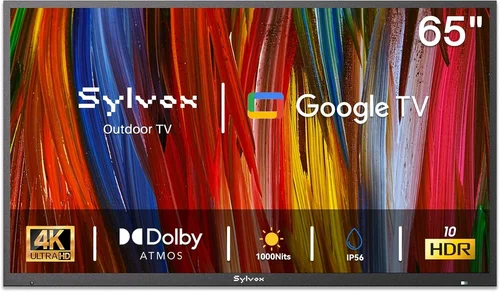
When it comes to transforming your large outdoor space into a true entertainment oasis, few upgrades deliver the same impact as a dedicated patio TV. Whether you’re hosting summer barbecues, watching the big game under the stars, or enjoying a quiet evening with a movie al fresco, having a television built specifically for outdoor use can elevate your experience dramatically. But not all TVs are created equal—especially when it comes to enduring the elements while delivering crisp visuals from across a sprawling deck, patio, or backyard.
That’s where this comprehensive buying guide comes in. With so many options flooding the market in 2026, choosing the right patio TV for a large outdoor area can feel overwhelming. From weather-resistant enclosures to ultra-bright displays and smart connectivity, the features that matter most differ significantly from those of indoor models. This guide is designed to cut through the noise and help you make an informed, confident decision. You’ll learn what truly matters when selecting a patio TV, how to avoid common pitfalls, and which models offer the best value for your specific needs—whether you’re on a tight budget or ready to invest in top-tier performance.
The outdoor TV market has evolved rapidly over the past few years. What once meant clunky, expensive all-weather enclosures has now blossomed into sleek, purpose-built televisions engineered from the ground up for outdoor environments. Brands like SunBriteTV, Samsung, LG, and Seura have pioneered innovations in brightness, thermal management, and durability, making it easier than ever to enjoy high-quality viewing outdoors. Whether you have a covered pergola, an open-air terrace, or a fully exposed backyard setup, there’s a solution tailored to your space. By the end of this guide, you’ll understand exactly what to look for, how much to spend, and which models stand out in 2026.

What to Look for When Buying Buying Guide
1. Brightness & Display Quality
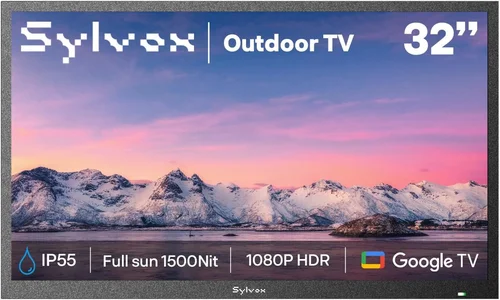
One of the most critical factors when choosing a patio TV—especially for a large outdoor space—is display brightness. Unlike indoor TVs, which typically operate at 300–500 nits, outdoor models need to combat direct sunlight, glare, and ambient light. For large patios where viewers may be seated 15–25 feet away, a minimum brightness of 700 nits is recommended, with 1,000+ nits being ideal for full sun exposure. Look for TVs with anti-reflective coatings and high dynamic range (HDR) support to maintain color accuracy and contrast even in bright conditions.
Additionally, consider screen technology. OLED offers superior contrast and viewing angles but can struggle with brightness longevity in direct sun. QLED and advanced LED panels, especially those with quantum dot enhancement, often perform better in outdoor settings due to higher peak brightness and better heat dissipation. For large spaces, a 65-inch or larger screen is usually necessary to ensure visibility from all seating areas without straining the eyes.
2. Weather Resistance & Build Quality
Outdoor TVs must withstand temperature fluctuations, humidity, rain, dust, and even snow depending on your climate. The gold standard for weather resistance is an IP55 or higher rating, which ensures protection against water jets and limited dust ingress. However, many premium outdoor TVs go beyond basic ratings by using fully sealed aluminum chassis, corrosion-resistant components, and internal climate control systems that prevent condensation and overheating.
Pay close attention to whether the TV is designed for partial or full exposure. Partial-shade models are suitable for covered patios, while full-exposure units are built to handle direct sunlight and rain. Also, check the operating temperature range—most outdoor TVs function between -22°F and 122°F (-30°C to 50°C), but verify this matches your local climate. A poorly built TV may survive a season or two but will degrade quickly under constant environmental stress.
3. Size & Viewing Distance
For large patios, screen size isn’t just about aesthetics—it’s about usability. A 55-inch TV might feel immersive indoors, but from 20 feet away on a wide deck, it can appear disappointingly small. As a rule of thumb, divide your maximum viewing distance (in inches) by 12 to get the ideal screen diagonal. So, for a 240-inch (20-foot) distance, aim for at least a 65-inch screen, with 75 inches being preferable for group viewing.
Also consider aspect ratio and resolution. All modern outdoor TVs support 4K UHD, which is essential for large screens to maintain sharpness. Avoid stretching lower-resolution content, as it becomes visibly pixelated on bigger panels. If your patio includes multiple seating zones at varying distances, opt for a TV with wide viewing angles (178 degrees or more) to ensure consistent picture quality across the space.
4. Audio Performance & Sound Solutions
Built-in speakers on outdoor TVs are often underpowered due to space and weatherproofing constraints. On a large patio, ambient noise from wind, traffic, or nature can easily drown out weak audio. While some models include decent 20W–30W speaker systems, most users will benefit from external sound solutions.
Consider pairing your TV with weather-resistant outdoor speakers or a soundbar designed for open-air use. Wireless options like Bluetooth or Wi-Fi-enabled speakers allow flexible placement without running cables across your deck. Alternatively, look for TVs with robust audio outputs (optical, HDMI ARC, or analog) to connect to a dedicated outdoor audio system. Don’t overlook this aspect—great picture means little if you can’t hear dialogue during a crucial scene.
5. Smart Features & Connectivity
Even outdoors, you’ll want access to streaming services, voice assistants, and app ecosystems. Most premium outdoor TVs now come with built-in smart platforms like Android TV, webOS (LG), or Tizen (Samsung), allowing direct access to Netflix, YouTube, Disney+, and more without needing a separate streaming device.
Ensure the TV has sufficient HDMI ports (at least three), USB inputs, and reliable Wi-Fi (preferably dual-band 2.4GHz/5GHz). For large patios where the router may be far away, look for models with strong antenna designs or consider a mesh Wi-Fi extender near the TV. Some units also support Bluetooth for wireless headphones or speakers—a handy feature for late-night viewing without disturbing others.
6. Installation & Mounting Flexibility
Installing a TV on a large patio isn’t as simple as hanging it on a wall. You’ll need to consider mounting options, cable management, and power access. Most outdoor TVs are VESA-compatible and work with standard full-motion or tilt mounts, but verify weight limits—some large models exceed 50 pounds.
For expansive decks, a ceiling mount or articulating arm may provide better viewing angles than a fixed wall bracket. If your patio lacks nearby power outlets, consult an electrician about running weatherproof conduit or installing a GFCI-protected outlet. Also, ensure all cables (HDMI, power, audio) are rated for outdoor use or routed through protective conduits to prevent degradation.
7. Brand Reputation & Ecosystem Compatibility
Not all outdoor TV brands are created equal. Established names like SunBriteTV (a leader in the category since 2004), Samsung (with its Terrace series), and Seura (known for mirror TVs and outdoor displays) have proven track records for reliability and customer support. Lesser-known brands may offer lower prices but often cut corners on materials, software updates, or warranty coverage.
Consider how well the TV integrates with your existing smart home ecosystem. If you use Alexa, Google Assistant, or Apple HomeKit, choose a model that supports seamless voice control and automation. Also, check for firmware update policies—outdoor TVs should receive regular security and feature updates to stay compatible with evolving streaming standards.
8. Warranty & Long-Term Support
Outdoor electronics face harsher conditions than indoor gear, so a strong warranty is non-negotiable. Most reputable brands offer 2–3 years of coverage, with some extending to 5 years for commercial-grade models. Read the fine print: does the warranty cover labor, parts, and on-site service? Is it voided by improper installation or extreme weather events?
Also investigate customer support responsiveness. Can you reach a human quickly? Are replacement parts readily available? Brands with dedicated outdoor divisions (like SunBriteTV’s U.S.-based support team) typically outperform general electronics retailers in post-purchase service. A good warranty isn’t just about peace of mind—it’s a reflection of the manufacturer’s confidence in their product’s durability.
Different Types of Buying Guide

Common Buying Mistakes to Avoid
❌ Mistake: Buying a Regular Indoor TV for Outdoor Use
Why it’s bad: Indoor TVs lack weatherproofing, UV protection, and sufficient brightness. They can overheat, suffer screen burn-in from constant sun exposure, and fail prematurely—even under a covered patio. Moisture ingress can cause electrical shorts, creating safety hazards.
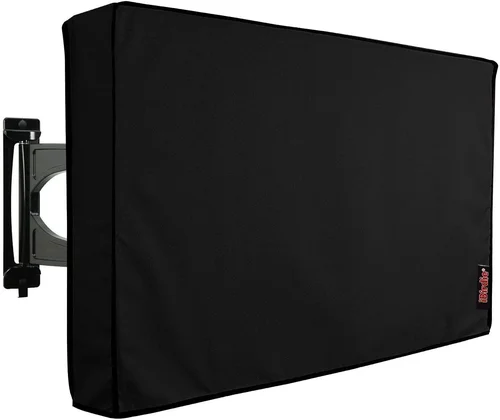
What to do instead: Always choose a TV specifically engineered for outdoor use. If budget is tight, pair a quality indoor TV with a certified all-weather enclosure from brands like Peerless or Celectrac.
❌ Mistake: Ignoring Viewing Distance and Screen Size
Why it’s bad: A 50-inch TV might look great in your living room, but from 18 feet away on a large deck, it will appear tiny and hard to read. This leads to eye strain and a disappointing viewing experience, especially during group gatherings.
What to do instead: Use the “distance ÷ 12” rule to calculate minimum screen size. For large patios, start at 65 inches and scale up based on seating layout. Test with a tape measure or laser distance tool before purchasing.
❌ Mistake: Overlooking Audio Needs
Why it’s bad: Most outdoor TVs have weak built-in speakers that can’t compete with ambient noise. You’ll end up turning up the volume excessively, which distorts sound and drains battery (if using wireless remotes).
What to do instead: Plan your audio setup from day one. Invest in weather-resistant outdoor speakers or a soundbar. Consider wireless options for flexible placement and minimal cable clutter.
❌ Mistake: Skimping on Mounting and Installation
Why it’s bad: Improper mounting can lead to sagging, vibration damage, or even the TV falling—especially in windy areas. DIY installations without professional electrical work may violate local codes and void warranties.
What to do instead: Hire a certified installer experienced with outdoor AV setups. Use heavy-duty, corrosion-resistant mounts and ensure all wiring is properly grounded and protected.
❌ Mistake: Choosing Based Solely on Price
Why it’s bad: The cheapest option often uses inferior components, lacks essential features like HDR or smart OS, and comes with minimal warranty. You may end up replacing it within 2–3 years, costing more long-term.
What to do instead: Focus on total cost of ownership. A mid-range outdoor TV with strong reviews and a 3-year warranty often delivers better value than a bargain model that fails prematurely.
❌ Mistake: Not Checking Local Climate Compatibility
Why it’s bad: A TV rated for mild climates may malfunction in desert heat or northern winters. Condensation in humid regions can fog the screen or damage internal circuits.
What to do instead: Verify the TV’s operating temperature range and humidity tolerance. If you live in an extreme climate, opt for a full-exposure model with active cooling/heating systems.
❌ Mistake: Assuming All “Outdoor” TVs Are Equal
Why it’s bad: Some manufacturers label TVs as “outdoor-ready” but only include basic weather resistance. These may not handle direct sun or heavy rain, leading to premature failure.
What to do instead: Research the specific model’s certifications (IP rating, UL listing) and read professional reviews. Stick to brands with dedicated outdoor product lines.
Budget Guidelines: How Much Should You Spend?
Outdoor TVs represent a significant investment, but understanding price tiers helps you allocate your budget wisely. Here’s what to expect at each level in 2026:
Entry-Level ($1,200 – $2,500): These are typically partial-shade models or indoor TVs in basic enclosures. Expect 55–65 inch screens, 700–800 nits brightness, limited smart features, and 1–2 year warranties. Best for covered patios in mild climates. Example: SunBriteTV Veranda Series.
Mid-Range ($2,500 – $4,500): The sweet spot for most homeowners. You’ll get 65–75 inch 4K displays, 900–1,200 nits brightness, robust weather resistance (IP55), full smart platforms, and 2–3 year warranties. Ideal for large patios with mixed sun/shade exposure. Example: Samsung The Terrace Partial Shade.
Premium ($4,500 – $7,000): Designed for full exposure and demanding environments. Features include 1,500+ nits brightness, advanced thermal management, commercial-grade materials, and extended support. Perfect for open decks, pool areas, or coastal homes. Example: SunBriteTV Pro Series.
Luxury ($7,000+): Top-tier models with mirror finishes, ultra-thin profiles, 24/7 operation capability, and bespoke installation services. Often used in high-end resorts or luxury homes. Includes features like automatic brightness adjustment, integrated sound systems, and 5-year+ warranties. Example: Seura Outdoor Mirror TV.
Expert Tips for Getting the Best Deal
- Buy During Off-Season: Prices drop significantly in late fall and winter (October–February) when demand is lowest. Retailers often clear inventory before spring launches.
- Check Manufacturer Refurbished Programs: Brands like SunBriteTV offer certified refurbished units with full warranties at 20–30% off retail. These are rigorously tested and ideal for budget-conscious buyers.
- Bundle with Accessories: Some dealers offer discounts when you purchase a TV, mount, and speakers together. Ask about package deals—they can save you hundreds.
- Negotiate Installation: If buying from a local AV integrator, ask if they’ll waive or reduce installation fees with a TV purchase. Many will to secure the sale.
- Use Price Tracking Tools: Set alerts on Google Shopping or CamelCamelCamel (for Amazon) to monitor price drops on specific models.
- Verify Return Policies: Ensure the seller allows returns within 30–60 days, especially if shipping a large TV. Outdoor units are often final sale due to size and cost.
- Consider Leasing or Financing: Some retailers offer 0% APR financing for 12–24 months. This spreads the cost without interest if paid on time.
- Read Professional Reviews, Not Just User Ratings: Sites like RTINGS.com, CNET, and Sound & Vision conduct rigorous outdoor testing. User reviews can be biased or based on improper installation.

Frequently Asked Questions
Q: Can I use a regular TV outdoors if it’s under a covered patio?
A: Technically yes, but it’s not recommended long-term. Even under cover, humidity, temperature swings, and dust can damage internal components. For true peace of mind and longevity, invest in a purpose-built outdoor TV or a high-quality all-weather enclosure.
Q: How do I protect my outdoor TV from theft?
A: Use a lockable mounting system, install motion-sensor lighting, and consider a security cable. Some high-end models include built-in anti-theft features like tamper alerts or GPS tracking.
Q: Will my outdoor TV work in winter or snowy conditions?
A: Yes, if it’s a full-exposure model rated for sub-freezing temperatures. Most operate down to -22°F. However, avoid placing it where snow can accumulate on the screen, as this may scratch the surface or block the IR sensor.
Q: Do outdoor TVs consume more power than indoor ones?
A: Slightly, due to higher brightness and internal cooling systems. However, modern models are energy-efficient. Look for ENERGY STAR certification to minimize electricity costs.
Q: Can I control my outdoor TV with my smartphone?
A: Absolutely. Most smart outdoor TVs support companion apps for iOS and Android, allowing remote control, content casting, and voice commands via Alexa or Google Assistant.
Q: What’s the lifespan of an outdoor TV?
A: With proper care, a quality outdoor TV should last 7–10 years. Full-exposure models with robust build quality often outlast partial-shade units due to superior materials and thermal design.
Q: Do I need a special HDMI cable for outdoor use?
A: Yes, if running cables externally. Use outdoor-rated, UV-resistant HDMI cables or run standard cables through waterproof conduit to prevent degradation.
Q: Can I mount my outdoor TV on a brick or concrete wall?
A: Yes, but you’ll need masonry anchors and a drill capable of handling concrete. Consult a professional installer to ensure secure mounting and avoid structural damage.
Q: Are outdoor TVs compatible with streaming devices like Roku or Apple TV?
A: Most have built-in smart platforms, but you can still connect external devices via HDMI. Just ensure the device is protected from the elements or placed in a weatherproof box.
Q: What happens if my outdoor TV gets rained on?
A: If it’s a certified full-exposure model with an IP55+ rating, rain won’t damage it. However, avoid spraying water directly into ventilation ports or the IR sensor area.
Our Final Recommendations
Best for Budget-Conscious Buyers: SunBriteTV Veranda 65-inch – At around $2,200, this partial-shade model delivers 800 nits brightness, 4K HDR, and reliable weather resistance. Perfect for covered patios and offers excellent value for the price.
Best Overall Value: Samsung The Terrace 75-inch Partial Shade – Priced near $3,800, it combines stunning QLED color, 1,000+ nits brightness, and seamless Tizen OS integration. Ideal for large patios with mixed lighting.
Best Premium Option: SunBriteTV Pro Series 75-inch Full Exposure – At $5,500, this is built like a tank with 1,500 nits, IP56 rating, and military-grade durability. A top choice for open decks and extreme climates.
Best for Beginners: Peerless-AV Outdoor Enclosure + LG C3 OLED – For around $2,800 total, this DIY-friendly setup lets you use a premium indoor TV safely outdoors. Great for those wanting OLED quality without breaking the bank.
Best for Advanced Users: Seura 75-inch Outdoor Mirror TV – At $8,500+, this luxury model disappears into your wall when off and delivers cinema-grade visuals when on. Ideal for design-forward homes seeking seamless integration.
Conclusion: Making the Right Choice
Choosing the best patio TV for a large outdoor space isn’t just about picking the biggest or brightest screen—it’s about finding the right balance of durability, performance, and value for your unique environment. From understanding critical specs like brightness and weather resistance to avoiding common installation pitfalls, this guide has equipped you with the knowledge to make a confident decision. Remember, your patio is an extension of your home, and the right TV can turn it into a year-round entertainment hub.
Prioritize your needs: if you host frequently, invest in size and audio; if you live in a harsh climate, don’t compromise on build quality. And always factor in long-term costs—warranty, support, and energy efficiency matter just as much as the initial price tag. With the 2026 market offering more innovation than ever, there’s never been a better time to bring the cinema experience outdoors.
Take your time, compare models, and don’t hesitate to consult a professional installer. Your perfect patio TV is out there—ready to deliver unforgettable movie nights, game days, and quiet moments under the open sky. Start your search today, and transform your backyard into the ultimate outdoor retreat.

