
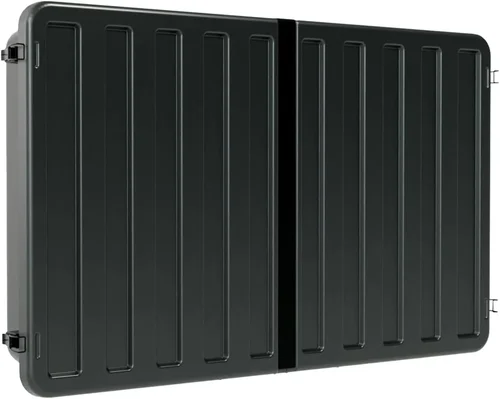
Outdoor football season is one of the most exciting times of the year—especially when you’ve got a deck setup that turns your backyard into a full-blown game-day headquarters. Whether you’re hosting a tailgate-style party, watching the Super Bowl with friends, or catching every touchdown under the stars, your outdoor TV is the centerpiece of the experience. But unlike indoor TVs, deck-mounted screens face constant exposure to the elements: dust, pollen, bird droppings, rain, humidity, and even salt air if you live near the coast. Over time, this buildup doesn’t just make your screen look dirty—it can actually degrade image quality, reduce brightness, and even shorten the lifespan of your investment.
That’s why knowing how to properly clean your outdoor TV isn’t just about aesthetics—it’s about performance, longevity, and safety. Many homeowners assume that because their TV is “weatherproof” or “outdoor-rated,” it’s immune to damage from dirt or moisture. But that’s a dangerous misconception. Even the most rugged outdoor televisions require regular maintenance to function at their best. A dirty screen can cause glare, reduce contrast, and make it harder to see crucial plays during daylight hours. Worse, using the wrong cleaning tools or chemicals can scratch the anti-reflective coating, leave streaks, or even seep into ventilation ports and damage internal components.
This comprehensive guide is designed for anyone who wants to keep their deck TV in peak condition—whether you’re a casual fan or a die-hard football enthusiast hosting weekly watch parties. You’ll learn not only how to clean your outdoor TV safely and effectively, but also how to choose the right cleaning supplies, avoid common pitfalls, and establish a maintenance routine that protects your investment for years to come. We’ll cover everything from understanding your TV’s specific needs based on its type and location, to expert tips on seasonal care, budget-friendly solutions, and pro-level techniques used by outdoor entertainment specialists. By the end, you’ll have a clear, actionable plan to ensure your TV stays crystal clear, game after game, season after season.
The market for outdoor TVs has exploded in recent years, driven by advancements in weather-resistant technology and a growing demand for outdoor living spaces. Brands like Samsung, LG, SunBriteTV, Seura, and Peerless have developed specialized models built to withstand extreme temperatures, UV exposure, and moisture. These aren’t just regular TVs shoved into a plastic box—they’re engineered from the ground up for outdoor use, with sealed casings, anti-glare screens, and enhanced cooling systems. However, even these high-end models aren’t maintenance-free. In fact, their sophisticated coatings and enclosures often require more careful handling than standard indoor screens. As outdoor viewing becomes a staple of modern home entertainment, the need for proper care and cleaning has never been greater. This guide will help you navigate that responsibility with confidence, so your deck TV remains a reliable, high-performing part of your football traditions for many seasons to come.

What to Look for When Buying Buying Guide
1. Screen Coating & Material
The type of screen coating on your outdoor TV plays a critical role in how it should be cleaned—and how resistant it is to smudges, fingerprints, and environmental grime. Most premium outdoor TVs feature anti-reflective (AR) coatings designed to reduce glare from sunlight, which is essential for daytime football viewing. However, these coatings are often delicate and can be easily damaged by abrasive cleaners or rough cloths. Some models also include oleophobic coatings to repel oils from fingerprints, similar to those found on smartphones. When evaluating a TV, look for specifications that mention “anti-glare,” “anti-reflective,” or “weather-resistant coating.” Avoid TVs with glossy finishes unless they explicitly state the coating is durable and cleanable with standard methods. A high-quality coating not only improves visibility but also makes cleaning easier and safer, reducing the risk of permanent damage during routine maintenance.
2. Enclosure Design & Sealing
Outdoor TVs are built with sealed enclosures to protect internal components from rain, dust, and insects. However, the quality of this sealing varies significantly between models. Look for IP (Ingress Protection) ratings—such as IP55 or IP65—which indicate resistance to water and solid particles. An IP65 rating means the TV is dust-tight and protected against low-pressure water jets from any direction, making it ideal for deck installations exposed to sprinklers, rain, or accidental spills. Pay attention to ventilation ports, cable entry points, and mounting brackets, as these are common weak spots where moisture can infiltrate if not properly sealed. A well-designed enclosure not only prevents internal corrosion but also reduces the buildup of external debris, making cleaning more straightforward and less frequent.
3. Mounting System & Accessibility
How your TV is mounted directly affects how easily you can clean it. Fixed mounts may limit access to the screen’s edges and back, while full-motion or tilt mounts allow you to angle the TV for better reach. Consider a mounting system that enables you to safely tilt or swivel the TV outward without straining cables or risking falls. This is especially important for larger screens (65 inches and above), where reaching the center from the sides can be difficult. Some outdoor mounts include quick-release mechanisms or tool-free adjustments, which simplify maintenance. Additionally, ensure there’s enough clearance between the TV and the wall or railing to allow airflow and prevent moisture trapping—a key factor in reducing mold and mildew growth in humid climates.
4. Environmental Exposure Level
Not all outdoor spaces are created equal. Your TV’s cleaning needs will vary depending on whether it’s under a covered patio, fully exposed to the elements, or near a pool, grill, or garden. Coastal homes face salt spray, which can corrode metal parts and leave white residue on screens. Areas with high pollen counts (like during spring football season) require more frequent cleaning to maintain visibility. If your deck is near a barbecue or fire pit, grease and soot can accumulate quickly. Assess your specific environment before choosing cleaning products and schedules. For example, a TV under a roof may only need monthly cleaning, while one in an open yard might require bi-weekly attention during peak pollen or storm seasons.
5. Cleaning Compatibility & Manufacturer Guidelines
Always check the manufacturer’s cleaning recommendations before purchasing cleaning supplies. Some brands specify approved cleaners or warn against certain chemicals. For instance, ammonia-based glass cleaners (like Windex) can degrade anti-reflective coatings, while alcohol-based solutions may dry out seals. Reputable outdoor TV manufacturers often provide detailed care instructions in the user manual or on their website. Look for models that offer clear, accessible guidance—this is a sign of a company that stands behind its product’s durability. Ignoring these guidelines can void your warranty, so treat this factor as non-negotiable when evaluating long-term value.
6. Frequency of Use & Viewing Conditions
How often you use your outdoor TV impacts how quickly it gets dirty. A TV used weekly for football games will accumulate dust and smudges faster than one used only a few times per year. Additionally, daytime viewing increases exposure to UV rays and glare, which can highlight dirt and fingerprints more than nighttime use. If you frequently host large groups, expect more fingerprints and accidental spills. Consider your usage patterns when planning a cleaning schedule—regular users may benefit from quick-dry microfiber cloths and spray-free cleaning solutions for fast touch-ups between games.
7. Availability of Replacement Parts & Service
Even with proper care, outdoor TVs may eventually need repairs due to extreme weather or component failure. Choose a brand with a strong service network and readily available replacement parts, such as seals, filters, or power supplies. Brands like SunBriteTV and Seura offer dedicated support for outdoor models, including regional service centers and extended warranties. This ensures that if damage occurs during cleaning or due to environmental factors, you won’t be left with a costly repair bill or long downtime. A reliable support system adds peace of mind and protects your investment over the long haul.
8. Warranty Coverage for Cleaning-Related Damage
Some manufacturers explicitly exclude damage caused by improper cleaning from warranty coverage. Always read the fine print to understand what’s covered. Look for brands that offer comprehensive warranties that include protection against coating degradation or seal failure—even if caused by environmental exposure. A strong warranty not only reflects confidence in the product but also reduces your risk if an accident occurs during maintenance. For high-end models, consider purchasing an extended warranty that covers accidental damage, including cleaning mishaps.
Different Types of Buying Guide
Common Buying Mistakes to Avoid
❌ Mistake: Using Household Glass Cleaners
Why it’s bad: Most household glass cleaners contain ammonia or alcohol, which can strip anti-reflective coatings and leave behind a hazy film. Over time, this reduces screen clarity and can cause permanent damage that isn’t covered under warranty.
What to do instead: Use only cleaners specifically formulated for coated screens, such as those from brands like Whoosh! or Screen Mom. These are alcohol- and ammonia-free and safe for delicate surfaces.
❌ Mistake: Cleaning in Direct Sunlight
Why it’s bad: Cleaning a hot screen in direct sunlight causes cleaning solutions to evaporate too quickly, leaving streaks and residue. The heat can also warp plastic components or weaken adhesive seals.
What to do instead: Always clean your TV during cooler parts of the day—early morning or evening—and ensure the screen is at ambient temperature. If possible, tilt the TV away from the sun during cleaning.
❌ Mistake: Using Paper Towels or Rough Cloths
Why it’s bad: Paper towels and abrasive fabrics can scratch the screen surface, especially on coated models. Micro-scratches accumulate over time, reducing visibility and requiring costly repairs.
What to do instead: Use only microfiber cloths designed for electronics. Look for lint-free, non-abrasive options with a tight weave. Replace cloths regularly to avoid transferring dirt back onto the screen.
❌ Mistake: Spraying Cleaner Directly on the Screen
Why it’s bad: Liquid can seep into the edges of the screen or ventilation ports, potentially damaging internal electronics or degrading seals. This is especially risky on outdoor models where moisture resistance is critical.
What to do instead: Always spray the cleaner onto the cloth first, not the screen. This gives you better control over the amount used and prevents overspray.
❌ Mistake: Ignoring the Back and Sides
Why it’s bad: Dust and debris buildup on the back and sides can block ventilation, leading to overheating. In humid environments, this can also promote mold growth inside the enclosure.
What to do instead: Include the entire unit in your cleaning routine. Use a soft brush or compressed air to remove dust from vents and crevices, and wipe down the casing with a damp microfiber cloth.
❌ Mistake: Overcleaning or Using Excessive Pressure
Why it’s bad: Frequent aggressive cleaning wears down protective coatings faster. Applying too much pressure can crack the screen or dislodge internal components.
What to do instead: Clean only when necessary—typically every 2–4 weeks depending on environment. Use gentle, circular motions with light pressure. Let the cleaner do the work.
❌ Mistake: Not Checking Manufacturer Guidelines
Why it’s bad: Each TV model has unique materials and coatings. Using incompatible methods can void your warranty and cause irreversible damage.
What to do instead: Always consult the user manual or manufacturer’s website before cleaning. When in doubt, contact customer support for approved cleaning recommendations.
Budget Guidelines: How Much Should You Spend?
– Entry-Level ($10 – $25): This range covers basic cleaning kits with microfiber cloths and mild screen sprays. Ideal for occasional use or TVs in protected areas. Expect limited effectiveness on heavy grime or salt residue. Best for budget-conscious buyers who clean infrequently.
– Mid-Range ($25 – $50): The sweet spot for most homeowners. Includes high-quality microfiber cloths, spray bottles with precise nozzles, and specialized cleaners safe for coated screens. Some kits come with brushes for vents and extension handles for hard-to-reach areas. Offers excellent value and performance for regular maintenance.
– Premium ($50 – $100): For enthusiasts and frequent users. These kits often include multiple cloth types (e.g., plush for drying, abrasive for tough spots), concentrated cleaning solutions, and tools like air dusters or UV sanitizers. Ideal for coastal homes or high-pollen areas where deep cleaning is needed.
– Luxury ($100+): Top-tier options designed for commercial or extreme environments. May include automated cleaning systems, industrial-grade sealants, or professional service subscriptions. Best for large installations or those who want hands-off maintenance.

Expert Tips for Getting the Best Deal
– Buy Cleaning Supplies in Bulk: If you clean regularly, purchasing larger bottles of cleaner or multi-packs of microfiber cloths reduces cost per use. Many brands offer discounts for subscriptions or repeat orders.
– Time Your Purchases Around Sales: Look for deals during spring cleaning season (March–April) or post-football season (February–March). Retailers often discount outdoor maintenance products as demand shifts.
– Choose Multi-Purpose Kits: Kits that include cloths, sprays, brushes, and storage bags offer better value than buying items separately. They also ensure compatibility between products.
– Check Retailer Return Policies: Some cleaners may not work well with your specific TV coating. Buy from retailers with flexible return policies so you can test and exchange if needed.
– Read User Reviews Carefully: Look for reviews from other outdoor TV owners, especially those in similar climates. Real-world feedback reveals which products perform best under actual conditions.
– Consider DIY Solutions (With Caution): A mix of distilled water and white vinegar (50/50) can work for light cleaning, but always test on a small area first. Avoid tap water, which leaves mineral deposits.
– Store Supplies Properly: Keep cleaning kits in a cool, dry place away from direct sunlight. Exposure to heat or moisture can degrade cloths and reduce cleaner effectiveness.
– Schedule Regular Maintenance: Set calendar reminders for monthly inspections and cleaning. Consistency prevents buildup and makes each session quicker and easier.

Frequently Asked Questions
Q: Can I use Windex to clean my outdoor TV?
A: No. Windex contains ammonia, which can damage anti-reflective and oleophobic coatings. Use only cleaners labeled safe for coated screens, such as Whoosh! or Screen Mom.
Q: How often should I clean my deck TV?
A: It depends on your environment. In dry, covered areas, every 4–6 weeks may suffice. In humid, coastal, or high-pollen regions, clean every 2–3 weeks. Always inspect the screen before major events like football games.
Q: Is it safe to clean my TV when it’s raining?
A: No. Moisture from rain combined with cleaning solutions increases the risk of water intrusion. Wait for a dry, calm day with low humidity.
Q: Can I use a pressure washer to clean my outdoor TV?
A: Absolutely not. High-pressure water can force moisture into seals and damage internal components. Use only gentle wiping methods.
Q: What should I do if my screen has hard water stains?
A: Mix distilled water with a small amount of white vinegar (10:1 ratio). Apply with a microfiber cloth using light pressure. Rinse with a distilled water-dampened cloth and dry immediately.
Q: Are there self-cleaning outdoor TVs?
A: Not yet. While some prototypes exist, no commercially available outdoor TV offers automated cleaning. Regular manual maintenance remains essential.
Q: Can I clean my TV with just water?
A: Yes, but only distilled water. Tap water contains minerals that leave spots. Use a damp microfiber cloth and follow with a dry one to prevent streaks.
Q: What if my TV has a cracked screen?
A: Stop cleaning immediately and contact the manufacturer. Continuing to clean a damaged screen can worsen the crack and void your warranty.
Q: Do I need to unplug the TV before cleaning?
A: Yes. Always power off and unplug the TV to prevent electrical hazards and allow the screen to cool completely.
Q: Can I use baby wipes to clean my TV?
A: Avoid them. Most baby wipes contain alcohol, fragrances, and moisturizers that can leave residues or damage coatings. Stick to electronics-safe products.
Our Final Recommendations
– Best for Budget-Conscious Buyers: Whoosh! Screen Cleaner Kit – Affordable, effective, and widely available. Safe for all coated screens and comes with a reusable microfiber cloth.
– Best Overall Value: Screen Mom Premium Cleaning Kit – Includes a spray bottle, two cloths, and a travel-size cleaner. Highly rated for streak-free results and gentle on delicate surfaces.
– Best Premium Option: Seura Outdoor TV Care Bundle – Designed specifically for outdoor models, this kit includes weather-resistant cloths, a vent brush, and a concentrated cleaner. Ideal for high-end installations.
– Best for Beginners: Klear Screen Starter Kit – Simple, no-fuss solution with clear instructions. Great for first-time outdoor TV owners who want reliable results without complexity.
– Best for Advanced Users: Peerless Professional Maintenance Kit – Includes industrial-grade tools, seal conditioners, and a UV inspection light. Perfect for those managing multiple outdoor displays or commercial setups.
Conclusion: Making the Right Choice
Keeping your deck TV clean isn’t just about maintaining a spotless screen—it’s about preserving performance, protecting your investment, and ensuring every football game looks its best. From understanding your TV’s unique coating and enclosure to choosing the right cleaning tools and establishing a consistent routine, every step matters. Avoid common mistakes like using harsh chemicals or cleaning in direct sunlight, and always prioritize manufacturer guidelines to safeguard your warranty.
Remember, the best cleaning strategy is proactive, not reactive. A little effort every few weeks prevents major issues down the line and keeps your outdoor entertainment space ready for action. Whether you’re watching a rivalry game under the Friday night lights or hosting a Super Bowl bash, a clean TV means clearer visuals, better contrast, and an immersive experience your guests will remember.
Don’t wait until the screen is streaked or blurry—start your maintenance routine today. Invest in quality supplies, follow expert advice, and treat your outdoor TV with the care it deserves. With the right approach, your deck will remain the ultimate game-day destination for years to come. Now grab your microfiber cloth, power down that TV, and get ready to enjoy every play in pristine clarity.

