
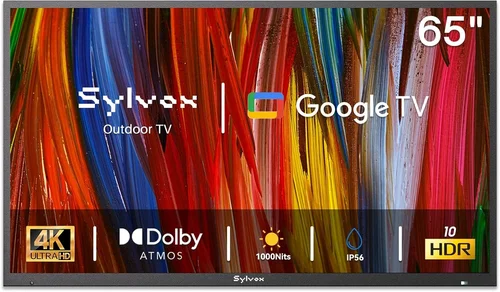
Choosing the right television for your gazebo isn’t just about picking the biggest screen or the most expensive model. It’s about finding a display that can withstand the elements, deliver clear visuals in bright outdoor light, and integrate seamlessly into your outdoor living space. Whether you’re hosting summer barbecues, watching the big game under string lights, or enjoying a quiet evening movie night under the stars, your patio TV needs to do more than just play content—it needs to perform reliably in conditions that indoor TVs were never designed for.
This comprehensive buying guide is designed to help you navigate the unique challenges of selecting a television for outdoor use, specifically in a gazebo setting. We’ll walk you through the essential factors to consider, from weather resistance and brightness to connectivity and installation. You’ll learn how to balance performance with durability, how to avoid common pitfalls, and how to get the best value for your investment. By the end of this guide, you’ll have the knowledge and confidence to choose a patio TV that enhances your outdoor experience for years to come.
The market for outdoor televisions has evolved significantly in recent years. What was once a niche category dominated by a few ruggedized models has now expanded to include a wide range of options—from fully weatherproof outdoor TVs to indoor models protected by outdoor enclosures. Brands like SunBriteTV, Samsung, LG, and Seura have introduced specialized products, while traditional electronics retailers now offer more outdoor-ready solutions than ever before. With so many choices, it’s easy to feel overwhelmed. But with the right information, you can cut through the noise and make a smart, informed decision.

What to Look for When Buying Buying Guide
1. Weather Resistance & IP Rating
When installing a TV in a gazebo, exposure to the elements is inevitable—even if the structure is covered. Rain, humidity, dust, and temperature fluctuations can all impact performance and longevity. That’s why weather resistance is the single most important factor to consider. Look for televisions with a high Ingress Protection (IP) rating, which indicates how well the device is sealed against dust and moisture.
For outdoor use, an IP55 rating or higher is recommended. IP55 means the TV is protected against low-pressure water jets from any direction and limited dust ingress. Some premium outdoor TVs boast IP65 or even IP66 ratings, offering near-total protection against dust and powerful water jets. These models are ideal for gazebos in areas with heavy rainfall or high humidity.
Additionally, consider the TV’s operating temperature range. Most outdoor TVs are designed to function between -22°F and 122°F (-30°C to 50°C), which covers nearly all climate conditions. Avoid using standard indoor TVs outdoors, even under cover—they lack the necessary seals and cooling systems, and exposure to moisture can cause permanent damage.
2. Brightness & Anti-Glare Technology
One of the biggest challenges with outdoor viewing is screen visibility in bright sunlight. Indoor TVs typically have brightness levels around 300–500 nits, which is fine for dimly lit rooms but inadequate for outdoor settings. For gazebos—especially those with partial shade or morning/afternoon sun exposure—you’ll need a display with significantly higher brightness.
Look for outdoor TVs with a minimum brightness of 700 nits, though 1000 nits or more is ideal for full sun conditions. Many outdoor models feature high-brightness LED or OLED panels specifically engineered for daylight visibility. Additionally, anti-glare coatings and optically bonded screens help reduce reflections from sunlight, ensuring a clear picture even when the sun is shining directly on the screen.
Some premium models also include ambient light sensors that automatically adjust brightness based on surrounding light conditions. This not only improves viewing comfort but also helps conserve energy and extend the TV’s lifespan.
3. Build Quality & Durability
Outdoor environments are tough on electronics. Your TV will be exposed to temperature extremes, UV radiation, insects, and potential physical impacts. That’s why build quality matters just as much as picture performance. Look for TVs with robust, powder-coated aluminum or stainless-steel chassis that resist rust and corrosion.
Pay attention to the quality of internal components as well. Outdoor TVs often feature sealed cooling systems, moisture-resistant circuit boards, and reinforced connectors. These design elements prevent overheating and protect sensitive electronics from humidity and condensation.
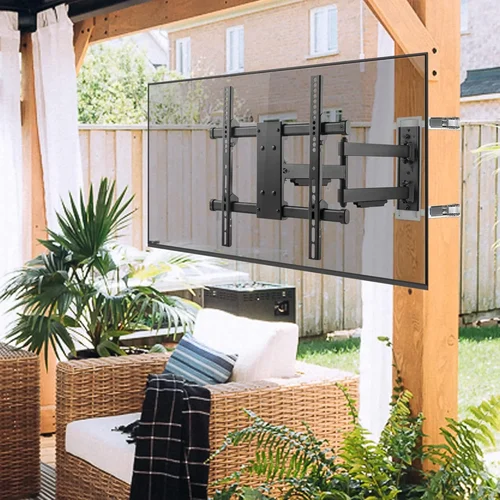
Mounting hardware should also be durable and corrosion-resistant. Many outdoor TVs come with specialized wall or ceiling mounts made from marine-grade materials. If you’re installing the TV in a gazebo with a sloped roof or exposed beams, ensure the mounting system allows for secure, adjustable positioning.
Finally, consider the TV’s weight and structural integrity. A well-built outdoor TV should feel solid and stable, not flimsy or top-heavy. This is especially important in windy areas where a poorly mounted TV could become a safety hazard.
4. Display Technology & Picture Quality
While durability is crucial, you still want a TV that delivers excellent picture quality. The two main display technologies used in outdoor TVs are LED/LCD and OLED. LED/LCD panels are more common in outdoor models due to their higher brightness capabilities and lower cost. They offer good color accuracy, wide viewing angles, and strong performance in daylight.
OLED TVs, on the other hand, provide superior contrast ratios, deeper blacks, and faster response times. However, they are typically more expensive and may not reach the same peak brightness levels as high-end LED models. Some manufacturers have begun introducing outdoor-rated OLED TVs, but they remain a premium option.
Resolution is another key factor. 4K Ultra HD (3840 x 2160) is the standard for modern outdoor TVs and provides sharp, detailed images even on large screens. If you’re planning to mount the TV farther away—say, 10–15 feet—consider a 65-inch or larger model to maintain visual clarity.
HDR (High Dynamic Range) support is also worth looking for. HDR enhances color depth, contrast, and brightness, making images appear more lifelike. Look for TVs that support HDR10, Dolby Vision, or HLG (Hybrid Log-Gamma) for the best experience.
5. Connectivity & Smart Features
Modern outdoor TVs aren’t just about picture quality—they’re also hubs for entertainment and smart home integration. Look for models with a full suite of connectivity options, including HDMI ports, USB inputs, Ethernet, and Wi-Fi. At least two HDMI ports are recommended, especially if you plan to connect a streaming device, gaming console, or soundbar.
Smart TV platforms like Android TV, webOS (LG), or Tizen (Samsung) allow you to stream content directly from apps like Netflix, YouTube, and Disney+. This eliminates the need for external devices and simplifies setup. Ensure the TV’s operating system is up-to-date and receives regular software updates for security and feature improvements.
Bluetooth support is also useful for connecting wireless headphones or speakers, which is ideal for late-night viewing without disturbing others. Some outdoor TVs even include built-in voice assistants like Google Assistant or Amazon Alexa, enabling hands-free control.
If your gazebo is far from your home’s Wi-Fi router, consider a TV with a strong internal antenna or the option to connect an external one. Alternatively, use a Wi-Fi extender or mesh network to ensure reliable connectivity.
6. Audio Performance & Sound Solutions
While picture quality often takes center stage, audio is just as important for an immersive outdoor experience. Most outdoor TVs come with built-in speakers, but these are often limited in power and clarity—especially in open or semi-open spaces like gazebos where sound can dissipate quickly.
Look for TVs with at least 20W of total audio output, though 30W or more is preferable. Some models include enhanced audio technologies like Dolby Audio or DTS Studio Sound, which improve dialogue clarity and bass response.
For the best sound, consider pairing your TV with an outdoor soundbar or wireless speaker system. Weather-resistant soundbars from brands like Sonos, Bose, or Polk Audio are designed to withstand the elements and deliver rich, room-filling audio. Alternatively, install in-ceiling or in-wall outdoor speakers for a clean, integrated look.
Keep in mind that audio quality can be affected by wind, ambient noise, and distance. Test your setup during different weather conditions to ensure consistent performance.
7. Installation & Mounting Options
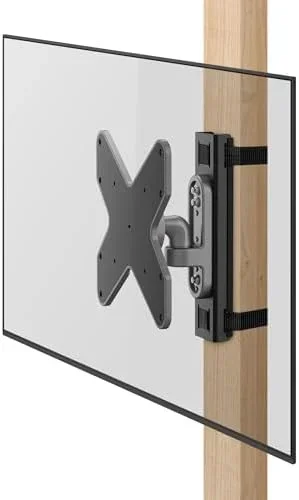
Proper installation is critical for both safety and performance. Gazebos often have unique structural features—wooden beams, sloped roofs, or open sides—that require careful planning. Most outdoor TVs are VESA-compatible, meaning they can be mounted on standard wall or ceiling brackets.
Wall mounts are the most common option and work well for gazebos with solid vertical surfaces. Ceiling mounts are ideal for open-sided structures or when you want to position the TV above a seating area. Tilt and swivel mounts offer flexibility, allowing you to adjust the viewing angle based on the sun’s position or seating layout.
Ensure the mounting hardware is rated for outdoor use and can support the TV’s weight. Use stainless steel screws and anchors to prevent rust. If drilling into wood or metal, seal the holes with waterproof caulk to prevent moisture ingress.
Cable management is another important consideration. Use weatherproof conduit or raceways to protect power and HDMI cables from exposure. Conceal wires within the gazebo structure when possible to maintain a clean, professional appearance.
8. Brand Reputation & Customer Support
Not all outdoor TV brands are created equal. Some specialize exclusively in outdoor displays, while others offer limited outdoor models as part of broader product lines. Research the manufacturer’s reputation for quality, reliability, and customer service.
Brands like SunBriteTV, Seura, and Samsung have established themselves as leaders in the outdoor TV market. They offer comprehensive warranties, detailed installation guides, and responsive support teams. Reading customer reviews on trusted platforms like Amazon, Best Buy, or specialized outdoor electronics sites can provide valuable insights into real-world performance.
Pay attention to warranty terms. Most outdoor TVs come with 1–3 year warranties, but some premium models offer extended coverage. Check whether the warranty covers both parts and labor, and whether it applies to outdoor use specifically. Avoid brands with vague or restrictive warranty policies.
Finally, consider the availability of replacement parts and service centers. If something goes wrong, you’ll want to be able to get help quickly—especially if your TV is installed in a hard-to-reach location.
Different Types of Buying Guide

Common Buying Mistakes to Avoid
❌ Mistake: Using an Indoor TV Outdoors
Why it’s bad: Indoor TVs are not designed to handle moisture, temperature swings, or UV exposure. Even in a covered gazebo, condensation and humidity can damage internal components, leading to premature failure. Most manufacturers void warranties if indoor TVs are used outdoors.
What to do instead: Invest in a TV specifically rated for outdoor use or use a high-quality outdoor enclosure. The added cost is worth the protection and longevity.
❌ Mistake: Ignoring Brightness Requirements
Why it’s bad: A dim screen will be washed out in daylight, making it difficult to see details or colors. This leads to a frustrating viewing experience, especially during daytime events.
What to do instead: Choose a TV with at least 700 nits of brightness, and consider 1000+ nits for full sun exposure. Look for anti-glare coatings and ambient light sensors.
❌ Mistake: Overlooking Audio Needs
Why it’s bad: Built-in TV speakers are often weak and lack bass, resulting in poor sound quality—especially in open outdoor spaces where sound dissipates quickly.
What to do instead: Pair your TV with a weather-resistant soundbar or outdoor speaker system. Test audio at different volumes and distances.
❌ Mistake: Poor Cable Management
Why it’s bad: Exposed cables are unsightly and vulnerable to weather damage, chewing pests, and accidental disconnection. They can also create tripping hazards.
What to do instead: Use waterproof conduit, raceways, or in-wall wiring. Conceal cables within the gazebo structure whenever possible.
❌ Mistake: Choosing the Wrong Size
Why it’s bad: A TV that’s too small will be hard to see from a distance, while one that’s too large can overwhelm the space and strain your budget.
What to do instead: Measure your viewing distance and use a TV size calculator. For gazebos, 55–65 inches is typically ideal for distances of 8–12 feet.
❌ Mistake: Skipping Professional Installation
Why it’s bad: Improper mounting can lead to TV damage, electrical issues, or even injury. DIY mistakes can also void warranties.
What to do instead: Hire a certified installer, especially for complex setups involving electrical work or structural modifications.
❌ Mistake: Not Checking Warranty Terms
Why it’s bad: Some warranties don’t cover outdoor use, or they exclude certain types of damage like moisture ingress or UV exposure.
What to do instead: Read the fine print and choose a brand that offers comprehensive outdoor coverage. Consider extended warranty plans for added peace of mind.
Budget Guidelines: How Much Should You Spend?
- Entry-Level ($800 – $1,500): This range includes indoor TVs in outdoor enclosures or basic weather-resistant models. Picture quality is decent, but brightness and durability may be limited. Best for shaded gazebos or occasional use.
- Mid-Range ($1,500 – $3,000): The sweet spot for most buyers. These TVs offer strong weather resistance, 700–1000 nits brightness, smart features, and reliable build quality. Ideal for regular outdoor entertainment.
- Premium ($3,000 – $5,000): High-end outdoor TVs with OLED or advanced LED panels, HDR support, premium audio, and commercial-grade durability. Perfect for full sun exposure and luxury setups.
- Luxury ($5,000+): Top-tier models with 24/7 operation capability, extreme weather resistance, and professional installation support. Designed for high-traffic or commercial environments.
Expert Tips for Getting the Best Deal
- Buy during off-season sales: Look for discounts in late fall or winter when outdoor electronics are less in demand.
- Compare online and in-store prices: Retailers like Best Buy, Costco, and specialized outdoor electronics stores often run promotions. Check for bundle deals that include mounts or sound systems.
- Read real customer reviews: Focus on feedback about outdoor performance, durability, and customer service—not just picture quality.
- Check return policies: Ensure you can return or exchange the TV if it doesn’t meet your expectations, especially after installation.
- Test before finalizing: If possible, view the TV in person under bright lighting to assess screen visibility.
- Consider refurbished models: Certified refurbished outdoor TVs from reputable sellers can offer significant savings with full warranties.
- Negotiate installation costs: Some retailers offer free or discounted installation with purchase—don’t hesitate to ask.
- Invest in surge protection: Outdoor electronics are vulnerable to power surges. Use a high-quality outdoor surge protector.
Frequently Asked Questions
Q: Can I use a regular TV in my gazebo if it’s covered?
A: Technically yes, but it’s not recommended. Even covered gazebos can experience humidity, temperature swings, and condensation. Indoor TVs lack the seals and cooling systems needed for outdoor use, and most warranties won’t cover damage from outdoor exposure.
Q: How do I protect my TV from rain if the gazebo isn’t fully enclosed?
A: Use a fully weatherproof outdoor TV with an IP65 or higher rating. Alternatively, install a retractable awning or roof extension to provide additional shelter during rain.
Q: Do outdoor TVs consume more power?
A: Not necessarily. While some high-brightness models use more energy, many outdoor TVs are designed with energy efficiency in mind. Look for ENERGY STAR-certified models to reduce power consumption.
Q: Can I mount an outdoor TV on a wooden beam?
A: Yes, but ensure the beam is structurally sound and use appropriate lag bolts. Seal all drill holes with waterproof caulk to prevent moisture damage.
Q: Are outdoor TVs compatible with streaming devices?
A: Absolutely. Most outdoor TVs have HDMI ports and support popular streaming devices like Roku, Apple TV, and Amazon Fire Stick. Some even have built-in smart platforms.
Q: How long do outdoor TVs typically last?
A: With proper installation and maintenance, outdoor TVs can last 7–10 years or more. Regular cleaning and surge protection can extend their lifespan.
Q: Can I use solar power for my outdoor TV?
A: Yes, with the right setup. A solar panel system with a battery backup can power a TV and sound system, especially in remote gazebos. Consult a solar installer for sizing and compatibility.
Q: Do outdoor TVs come with remotes that work in sunlight?
A: Most standard IR remotes can be affected by bright light. Consider using a Bluetooth remote or a smartphone app for more reliable control.
Q: What’s the difference between an outdoor TV and a weatherproof TV?
A: “Outdoor TV” is a broad term, but true outdoor models are built from the ground up for exterior use, with sealed components and enhanced cooling. “Weatherproof” often refers to enclosures that protect indoor TVs—less durable but more affordable.
Q: Can I install an outdoor TV myself?
A: If you’re experienced with electrical work and mounting, yes. However, for safety and warranty reasons, professional installation is strongly recommended—especially for ceiling mounts or hardwired setups.
Our Final Recommendations
- Best for Budget-Conscious Buyers: SunBriteTV Veranda Series – A fully outdoor 4K TV with 700 nits brightness, IP55 rating, and smart features starting under $1,800. Excellent value for shaded or partially covered gazebos.
- Best Overall Value: Samsung The Terrace – Combines QLED color, 1500 nits brightness, and robust weather resistance. Priced around $2,500–$3,500, it’s ideal for full sun exposure and modern smart homes.
- Best Premium Option: Seura Shade Series – Ultra-bright 4K OLED with IP66 rating, built-in soundbar, and luxury design. Perfect for high-end gazebos and all-weather performance.
- Best for Beginners: LG Outdoor TV in Weatherproof Enclosure – A user-friendly indoor TV protected by a durable outdoor case. Great for those new to outdoor setups who want simplicity and reliability.
- Best for Advanced Users: Peerless-AV Xtreme High-Brightness Display – A commercial-grade 4K TV with 2500 nits brightness, 24/7 operation, and modular design. Ideal for tech-savvy users with demanding outdoor environments.
Conclusion: Making the Right Choice
Choosing the best patio TV for your gazebo is about more than just picture quality—it’s about finding a display that can thrive in the great outdoors while delivering an exceptional viewing experience. From weather resistance and brightness to smart features and audio performance, every factor plays a role in your long-term satisfaction. By understanding your specific needs, avoiding common pitfalls, and investing in the right technology, you can create an outdoor entertainment space that’s both functional and enjoyable.
Remember, the goal isn’t to buy the most expensive TV on the market, but the one that best fits your environment, usage, and budget. Whether you’re watching a sunset movie night or the championship game with friends, your gazebo TV should enhance the moment—not detract from it. Take your time, do your research, and don’t hesitate to consult professionals when needed.
With the insights from this guide, you’re now equipped to make a confident, informed decision. Your perfect outdoor TV is out there—ready to transform your gazebo into the ultimate backyard retreat.

