
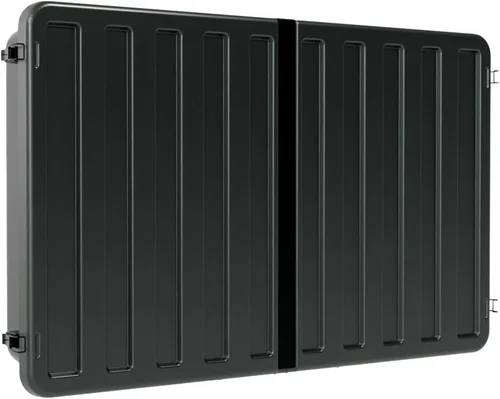
If you’re a football fan who loves to gather friends and family outdoors for game day, you already know the magic of watching a live match under the open sky—whether it’s tailgating in a parking lot, hosting a backyard watch party, or setting up camp on your patio. But nothing kills the vibe faster than a TV that can’t handle the elements. Rain, humidity, dust, extreme heat, or sudden temperature drops can turn your dream outdoor viewing experience into a costly disappointment. That’s where a weatherproof TV comes in—a rugged, purpose-built display designed to perform reliably in outdoor environments year-round.
This comprehensive buying guide is designed to help you navigate the often-confusing world of outdoor televisions. Whether you’re a die-hard fan planning your next Super Bowl bash or a homeowner looking to upgrade your outdoor living space, we’ll walk you through everything you need to know before making a purchase. You’ll learn how to evaluate key performance specs, understand IP ratings, compare different types of outdoor TVs, avoid common pitfalls, and find the best model for your budget and needs. By the end of this guide, you’ll be equipped with expert-level knowledge to make a confident, informed decision—no matter the weather.
The market for weatherproof TVs has evolved dramatically in recent years. Once limited to bulky, expensive commercial-grade units, today’s outdoor TVs offer sleek designs, 4K HDR clarity, smart functionality, and durability that rivals indoor models. Brands like SunBriteTV, Samsung, LG, and Seura have led the charge, introducing models that blend performance with resilience. With options ranging from fully sealed all-weather enclosures to partial outdoor models that require protective covers, there’s a solution for nearly every outdoor setup. Whether you live in a rainy Pacific Northwest climate or a sun-scorched desert region, this guide will help you find the perfect TV to keep the game on, rain or shine.

What to Look for When Buying a Weatherproof TV
1. IP Rating and Weather Resistance
The most critical factor when choosing a weatherproof TV is its Ingress Protection (IP) rating. This two-digit code tells you exactly how well the TV resists dust and moisture. The first digit ranges from 0 to 6 and measures protection against solid particles like dust and debris. The second digit ranges from 0 to 8 and indicates resistance to liquids, including rain, splashes, and even temporary submersion.
For outdoor use, especially in unpredictable weather, look for a TV with an IP55 or higher rating. IP55 means the TV is protected against dust (limited ingress) and low-pressure water jets from any direction—ideal for most backyard or patio setups. If you live in an area with heavy rain, coastal humidity, or frequent storms, consider models with IP65 or IP66 ratings, which offer full dust protection and resistance to powerful water jets. Some premium models even boast IP67, meaning they can withstand temporary immersion in water up to 1 meter deep for 30 minutes.
It’s also important to note that not all “outdoor” TVs are created equal. Some manufacturers market TVs as “weather-resistant” but only mean they can handle light moisture when used under a covered area. True weatherproof TVs are built with sealed enclosures, corrosion-resistant materials, and internal heating/cooling systems to prevent condensation and overheating. Always verify the IP rating and read the fine print to ensure the TV is truly built for full outdoor exposure.
2. Display Brightness and Anti-Glare Technology
One of the biggest challenges with outdoor TV viewing is screen visibility in bright sunlight. Unlike indoor TVs, which are designed for dimly lit rooms, outdoor models must combat glare, reflections, and ambient light to deliver a clear picture. This is where brightness—measured in nits—becomes crucial.
For shaded patios or covered decks, a brightness of 500 to 700 nits may suffice. However, if your TV will be exposed to direct sunlight, you’ll need a minimum of 1,000 nits, with 1,500 nits or higher being ideal for peak daytime viewing. Some top-tier outdoor TVs, like the SunBriteTV Veranda series, offer up to 2,500 nits of brightness, ensuring crisp, vibrant images even at noon.
Equally important is anti-glare technology. Look for TVs with optically bonded glass, which reduces internal reflections by fusing the display panel directly to the outer glass. This not only improves brightness but also enhances contrast and color accuracy. Additionally, some models feature anti-reflective coatings or matte finishes that minimize glare from windows, water features, or nearby lighting.
3. Temperature Tolerance and Internal Climate Control
Outdoor environments can swing from freezing cold to scorching heat in a matter of hours. A weatherproof TV must be able to operate reliably across a wide temperature range—typically from -30°F to 120°F (-34°C to 49°C). But temperature tolerance isn’t just about surviving extremes; it’s about maintaining performance and longevity.
High-end outdoor TVs include built-in climate control systems. These may feature internal heaters to prevent condensation and freezing in cold weather, and cooling fans or heat sinks to dissipate excess heat during summer months. Without proper thermal management, LCD panels can suffer from image retention, color distortion, or even permanent damage.
When evaluating a model, check the manufacturer’s specified operating temperature range. Avoid TVs that only list “storage” temperatures, as these don’t guarantee functionality. Also, consider your local climate: if you experience frequent temperature swings or live in a region with harsh winters or intense summers, invest in a TV with active climate control.
4. Build Quality and Enclosure Design
The physical construction of a weatherproof TV is just as important as its electronic specs. Unlike indoor TVs, which are housed in lightweight plastic or thin metal frames, outdoor models require rugged, corrosion-resistant materials to withstand the elements.
Look for TVs with powder-coated aluminum or stainless-steel enclosures. These materials resist rust, UV degradation, and warping over time. The back panel should be fully sealed, with no exposed vents or gaps that could allow moisture or insects to enter. Cable management is another key consideration—outdoor TVs should include weatherproof cable ports or grommets to protect connections from water intrusion.
Additionally, the mounting system must be robust. Most weatherproof TVs are VESA-compatible and designed for use with heavy-duty outdoor mounts. Ensure the TV includes reinforced mounting points and that the included hardware is stainless steel or coated to prevent rust. Some models even come with built-in mounting brackets for easier installation.
5. Smart Features and Connectivity
Just because a TV is built for the outdoors doesn’t mean it should lack modern conveniences. Today’s best weatherproof TVs come equipped with full smart functionality, allowing you to stream games, access sports apps, and control the TV with voice commands—all without needing a separate streaming device.
Look for models with built-in Wi-Fi, Bluetooth, and popular platforms like Roku TV, Android TV, or webOS. These systems give you access to NFL+, ESPN, YouTube TV, and other streaming services directly on the TV. Voice control via Google Assistant or Alexa is a major plus, especially when your hands are full with snacks and drinks.
Connectivity options are equally important. Ensure the TV has multiple HDMI ports (preferably HDMI 2.0 or higher for 4K content), USB ports for media playback, and an Ethernet port for a stable wired connection. Some models also include optical audio outputs or ARC (Audio Return Channel) for connecting to soundbars or outdoor speakers.
6. Size and Viewing Distance
Choosing the right screen size for your outdoor space is essential for an immersive experience. Unlike indoor viewing, where you might sit 6–8 feet from a 55-inch TV, outdoor setups often require larger screens due to greater distances and ambient light.
A general rule of thumb: for every 1.5 feet of viewing distance, you should have 10 inches of screen size. So, if your seating area is 12 feet from the TV, a 75-inch screen would be ideal. However, this can vary based on seating arrangement and ambient conditions. For large gatherings or open yards, consider 85-inch or even 98-inch models to ensure everyone gets a clear view.
Keep in mind that larger screens consume more power and may require stronger mounting solutions. Also, ensure your outdoor space has enough wall or ceiling support for the TV and mount. If space is limited, a 65-inch model with high brightness and anti-glare features may offer the best balance of size and performance.
7. Audio Performance and External Sound Options
While picture quality is paramount, audio is what brings the roar of the crowd and the commentary to life. Unfortunately, most weatherproof TVs have limited built-in speakers due to space and weatherproofing constraints. The sound is often tinny or lacks bass, especially in open outdoor environments.
To compensate, many outdoor TVs are designed to work seamlessly with external audio systems. Look for models with optical audio outputs, HDMI ARC, or Bluetooth connectivity for pairing with wireless speakers or soundbars. Some premium models even include built-in subwoofers or enhanced audio processing to improve sound quality.
If you’re hosting large watch parties, consider investing in a weatherproof sound system. Options range from portable Bluetooth speakers to full outdoor speaker setups with amplifiers. Just ensure all audio equipment is also rated for outdoor use and protected from moisture.
8. Warranty and Customer Support
Outdoor TVs are a significant investment, often costing two to three times more than comparable indoor models. As such, a strong warranty and reliable customer support are essential.
Most reputable brands offer warranties ranging from 1 to 3 years, with some extending coverage to 5 years for commercial use. Look for warranties that cover both parts and labor, and check whether on-site service is available in your area. Some manufacturers, like SunBriteTV, offer dedicated outdoor TV support teams with expertise in installation and troubleshooting.
Avoid brands with vague warranty terms or those that require you to ship the TV back for repairs—this can be costly and time-consuming. Also, read customer reviews to gauge the company’s responsiveness and reliability. A TV is only as good as the support behind it, especially when it’s exposed to the elements 24/7.
Different Types of Weatherproof TVs

Common Buying Mistakes to Avoid
❌ Mistake: Assuming All “Outdoor” TVs Are Fully Weatherproof
Why it’s bad: Many manufacturers use the term “outdoor” loosely. Some TVs are only meant for covered areas and will fail if exposed to rain or humidity. Using an underprotected TV outdoors can lead to electrical shorts, screen damage, or complete failure.
What to do instead: Always check the IP rating and product specifications. If the TV doesn’t have a clear IP rating or mentions “partial outdoor use,” it’s not suitable for full exposure. Stick to models explicitly rated for all-weather performance.
❌ Mistake: Ignoring Brightness Requirements
Why it’s bad: A dim screen turns your game day into a squint-fest. Indoor TVs typically range from 300–500 nits, which is insufficient for daylight viewing. Without adequate brightness, colors appear washed out, and details are lost.
What to do instead: Choose a TV with at least 1,000 nits for shaded areas and 1,500+ nits for direct sunlight. Look for models with anti-glare coatings and optically bonded glass to maximize visibility.
❌ Mistake: Overlooking Audio Needs
Why it’s bad: Most outdoor TVs have weak built-in speakers. In an open space, sound dissipates quickly, making it hard to hear commentary or crowd noise—especially during critical plays.
What to do instead: Plan for external audio from the start. Invest in weatherproof speakers or a soundbar with Bluetooth or wired connectivity. Test the audio setup before game day to ensure clarity and volume.
❌ Mistake: Skimping on Mounting and Installation
Why it’s bad: A poorly mounted TV can fall, get damaged, or become a safety hazard. Outdoor mounts must withstand wind, vibration, and temperature changes. Using indoor mounts or weak brackets is a recipe for disaster.
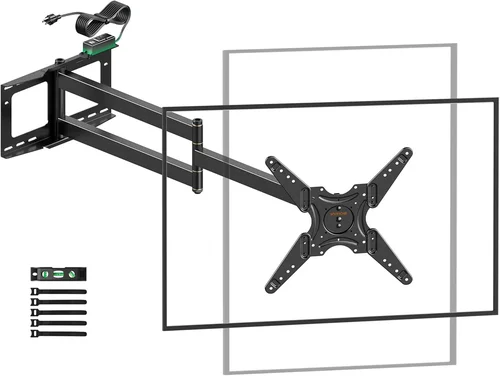
What to do instead: Use a heavy-duty, VESA-compatible outdoor mount made from rust-resistant materials. Ensure the mounting surface (wall, ceiling, or post) is structurally sound. Consider professional installation for peace of mind.
❌ Mistake: Not Considering Power and Connectivity
Why it’s bad: Running long, exposed cables is unsafe and unsightly. Without proper cable management, wires can get damaged by weather or pests, leading to signal loss or electrical issues.
What to do instead: Use weatherproof conduit or cable raceways to protect wires. Choose a TV with rear-facing or side-facing ports for easier routing. If possible, have an electrician install a dedicated outdoor outlet near the TV.
❌ Mistake: Buying Based on Price Alone
Why it’s bad: The cheapest outdoor TV may save money upfront but cost more in repairs or replacements. Low-cost models often cut corners on materials, brightness, and durability.
What to do instead: Focus on value, not just price. A mid-range TV with strong reviews, good warranty, and proven performance will last longer and deliver better results than a budget model that fails after one season.
❌ Mistake: Neglecting Local Climate Conditions
Why it’s bad: A TV designed for mild climates may not survive extreme heat, cold, or humidity. Ignoring your local weather can lead to premature failure or reduced performance.
What to do instead: Research your area’s climate extremes. If you live in a rainy, coastal, or desert region, prioritize TVs with higher IP ratings, climate control, and corrosion-resistant materials.
Budget Guidelines: How Much Should You Spend?
Entry-Level ($800 – $1,500): This tier includes partial outdoor TVs and basic all-weather models. Expect smaller screen sizes (55–65 inches), lower brightness (500–700 nits), and limited smart features. These are best for covered patios or garages where the TV is protected from direct exposure. Brands like Seura and some Samsung outdoor models fall into this range. While affordable, they may require a protective cover when not in use and lack advanced climate control.
Mid-Range ($1,500 – $3,000): This is the sweet spot for most buyers. TVs in this range offer full weatherproofing (IP55 or higher), 1,000+ nits of brightness, smart platforms, and solid build quality. Models like the SunBriteTV Veranda series or LG’s outdoor-compatible displays provide excellent performance for backyard watch parties. They include features like anti-glare screens, multiple HDMI ports, and reliable Wi-Fi connectivity. This tier balances cost, durability, and functionality.
Premium ($3,000 – $5,000): Designed for enthusiasts and serious outdoor entertainers, premium TVs deliver top-tier performance. Expect 75-inch and larger screens, 1,500–2,500 nits of brightness, Dolby Vision HDR, and advanced climate control systems. These models are built for year-round use in any climate and often include commercial-grade components. Brands like SunBriteTV and Samsung’s The Terrace series dominate this space. They’re ideal for large gatherings, poolside viewing, or permanent outdoor installations.
Luxury ($5,000+): At this level, you’re investing in the best of the best. These TVs feature 85-inch or larger displays, ultra-high brightness, professional installation support, and extended warranties. Some models include built-in heaters, cooling fans, and modular designs for easy maintenance. They’re commonly used in luxury homes, resorts, or commercial venues. While overkill for casual use, they offer unmatched reliability and image quality for those who demand perfection.
Expert Tips for Getting the Best Deal
1. Buy During Off-Season Sales: The best time to purchase a weatherproof TV is during the spring or early summer, before the peak outdoor season. Retailers often discount older models to make room for new inventory. Black Friday and Cyber Monday can also offer savings, but selection may be limited.
2. Compare Retailers: Don’t limit yourself to big-box stores. Check specialty outdoor electronics retailers, manufacturer websites, and authorized dealers. Some offer bundle deals with mounts, cables, or extended warranties.
3. Look for Certified Refurbished Models: Many brands sell certified refurbished outdoor TVs at 20–30% off retail price. These units are tested, cleaned, and come with full warranties—making them a smart way to save without sacrificing quality.
4. Negotiate Installation Packages: If you’re buying from a local dealer, ask about installation services. Some offer free or discounted setup when you purchase the TV and mount together.
5. Read Real User Reviews: Professional reviews are helpful, but user feedback reveals long-term reliability. Look for comments about brightness, weather resistance, and customer service. Sites like Amazon, Best Buy, and Reddit’s r/homeaudio are great resources.
6. Check Return and Warranty Policies: Ensure the retailer offers a generous return window (30 days or more) in case the TV doesn’t meet your expectations. Also, verify that the warranty covers outdoor use—some indoor TV warranties are voided if used outside.
7. Test Before Finalizing: If possible, visit a showroom with an outdoor display. See how the TV performs in daylight, check the menu interface, and test the remote range. A hands-on experience can prevent buyer’s remorse.
8. Consider Total Cost of Ownership: Factor in the cost of mounts, cables, audio systems, and potential installation. A cheaper TV may end up costing more when all accessories are included.
Frequently Asked Questions
Q: Can I use a regular indoor TV outdoors with a cover?
A: While possible, it’s not recommended for long-term use. Indoor TVs lack the brightness, weather resistance, and thermal management needed for outdoor environments. Even with a cover, moisture can seep in, and the screen will be hard to see in daylight. For reliable performance, invest in a purpose-built outdoor TV.
Q: Do weatherproof TVs need to be plugged in all the time?
A: Yes, most outdoor TVs require constant power to maintain internal climate control and prevent condensation. However, some models have low-power standby modes. Always follow the manufacturer’s guidelines for power usage.
Q: Can I mount a weatherproof TV on a pole or post?
A: Absolutely. Many outdoor TVs are designed for pole or ceiling mounts. Just ensure the mount is rated for the TV’s weight and wind load, and use weatherproof hardware.
Q: Are weatherproof TVs energy efficient?
A: Modern outdoor TVs are surprisingly efficient, especially LED models. Look for ENERGY STAR certification to ensure low power consumption. Brightness settings can also be adjusted to save energy during nighttime use.
Q: Can I use a soundbar with an outdoor TV?
A: Yes, as long as the soundbar is also weatherproof or placed under cover. Use Bluetooth or a wired connection via HDMI ARC or optical audio. Avoid placing non-weatherproof audio equipment directly in the elements.
Q: How do I clean a weatherproof TV screen?
A: Use a microfiber cloth and a mild cleaning solution designed for electronics. Avoid ammonia-based cleaners or abrasive materials. Turn off the TV and unplug it before cleaning.
Q: Will a weatherproof TV work in freezing temperatures?
A: Yes, if it’s rated for low temperatures. Look for models with internal heaters and an operating range that includes sub-zero conditions. Avoid turning on the TV if it’s been exposed to extreme cold without acclimating first.
Q: Can I stream 4K content on an outdoor TV?
A: Most premium outdoor TVs support 4K resolution and HDR. Ensure your internet connection is fast enough (25 Mbps or higher) and that the TV has HDMI 2.0 or higher ports for 4K streaming.
Q: Do weatherproof TVs come with remotes?
A: Yes, but some remotes are not weatherproof. Consider using a universal remote or a smartphone app for control. Some models also support voice commands via Google or Alexa.
Q: How long do weatherproof TVs last?
A: With proper care, a high-quality outdoor TV can last 7–10 years or more. Regular maintenance, such as cleaning and checking connections, can extend its lifespan.
Our Final Recommendations
Best for Budget-Conscious Buyers: Seura Shadow Series 55-inch – At around $1,200, this model offers solid weather resistance (IP54), 700 nits of brightness, and smart functionality. Ideal for covered patios or garages.
Best Overall Value: SunBriteTV Veranda 65-inch – Priced around $2,200, it delivers 1,000 nits, IP55 rating, full smart features, and excellent build quality. A reliable choice for most outdoor setups.
Best Premium Option: Samsung The Terrace 75-inch – At $3,500, this TV boasts 2,000 nits, IP55 rating, Dolby Vision, and a sleek design. Perfect for luxury outdoor entertainment.
Best for Beginners: LG 55-inch Outdoor Display – User-friendly interface, good brightness (800 nits), and reliable performance. Great for first-time outdoor TV buyers.
Best for Advanced Users: SunBriteTV Pro Series 85-inch – Commercial-grade durability, 2,500 nits, and advanced climate control. Built for 24/7 operation in any environment.
Conclusion: Making the Right Choice
Choosing the right weatherproof TV for football games and outdoor entertainment is about more than just picture quality—it’s about durability, reliability, and performance in real-world conditions. From understanding IP ratings and brightness requirements to avoiding common pitfalls and selecting the right size, this guide has equipped you with the knowledge to make a smart, informed decision.
Remember, the best TV for you depends on your specific needs: your climate, viewing environment, budget, and how you plan to use the TV. Whether you’re hosting a small family gathering or a full-scale tailgate party, investing in a quality weatherproof TV ensures that the game—and the fun—never stops, no matter the weather.
Take your time, compare models, read reviews, and prioritize features that matter most to you. With the right TV, your outdoor space becomes more than just a backyard—it becomes the ultimate game-day destination. So grab your jersey, fire up the grill, and get ready to watch every touchdown in stunning clarity, rain or shine.

