
Outdoor living spaces have evolved far beyond simple patios and decks—today’s homeowners are transforming these areas into fully functional entertainment zones, complete with grills, sound systems, fire pits, and yes, even televisions. But bringing the living room experience outdoors comes with unique challenges, especially when it comes to electronics. Standard indoor TVs simply aren’t built to withstand the elements: rain, snow, humidity, extreme temperatures, dust, and direct sunlight can quickly damage internal components and degrade picture quality. That’s where weatherproof TVs come in.
A weatherproof TV—also known as an outdoor TV—is specifically engineered to operate reliably in open-air environments. Unlike indoor models protected by enclosures or makeshift covers, these displays feature sealed casings, corrosion-resistant materials, and thermal management systems that allow them to function safely year-round, regardless of the forecast. Whether you’re hosting a summer barbecue, watching the big game under the stars, or enjoying a quiet evening on your covered porch, a properly chosen weatherproof TV can elevate your outdoor experience dramatically.
This comprehensive buying guide is designed to help you navigate the growing market of outdoor televisions with confidence. You’ll learn how to evaluate key performance specs, understand critical durability ratings, compare different types of weatherproof TVs, avoid common purchasing pitfalls, and ultimately select the model that best fits your deck setup, entertainment needs, and budget. We’ll also share expert tips on timing your purchase, maximizing value, and ensuring long-term satisfaction. By the end, you’ll have all the knowledge needed to make a smart, informed decision—so you can enjoy crystal-clear viewing from sunrise to sunset, rain or shine.

What to Look for When Buying Buying Guide
1. IP Rating & Weather Resistance
The most fundamental consideration when choosing a weatherproof TV is its Ingress Protection (IP) rating. This international standard indicates how well a device resists dust and moisture. For outdoor use, look for a minimum IP55 rating—this means the TV is protected against low-pressure water jets from any direction and limited dust ingress. However, for full four-season durability, especially in regions with heavy rain, snow, or high humidity, aim for IP65 or higher. An IP65-rated TV is dust-tight and can withstand powerful water jets, making it suitable for uncovered decks or coastal areas.
Beyond the IP rating, examine the TV’s overall sealing. High-quality outdoor TVs use gaskets, silicone seals, and fully enclosed back panels to prevent moisture from reaching internal circuitry. Some premium models even feature hydrophobic coatings on circuit boards to repel condensation. Always verify that both the screen and the rear housing meet the stated IP standard—some manufacturers only rate the front bezel, which leaves the back vulnerable.
2. Display Technology & Brightness
Outdoor visibility is arguably the biggest challenge for any TV used outside. Sunlight glare can wash out images on standard LCD or OLED screens, rendering them nearly unwatchable during daytime hours. That’s why brightness—measured in nits—is critical. For shaded or covered decks, a brightness of 700–1,000 nits may suffice. But for fully exposed areas with direct sun, you’ll need at least 1,500 nits, with premium models offering 2,000+ nits for optimal clarity.
Most weatherproof TVs use high-brightness LED or QLED panels rather than OLED, which struggles in bright conditions due to lower peak luminance and potential burn-in risks from static outdoor content like scoreboards or news tickers. QLED technology offers excellent color volume and brightness, while newer Mini-LED backlights provide better contrast and local dimming. Avoid TVs with matte or anti-glare coatings unless specifically designed for outdoor use—some can reduce sharpness or create haze.
3. Temperature Tolerance & Thermal Management
Outdoor TVs must operate reliably across a wide temperature range—from sub-freezing winters to scorching summer afternoons. Most quality models are rated for operation between -22°F and 122°F (-30°C to 50°C). However, sustained exposure to extreme heat can cause overheating, leading to shutdowns or permanent damage. Look for TVs with active cooling systems (like quiet fans) or passive heat dissipation designs (such as aluminum heat sinks) that prevent thermal buildup without compromising weather sealing.
Similarly, cold temperatures can affect LCD response times and battery-backed components (like Wi-Fi modules). Ensure the TV includes cold-start capability and doesn’t require pre-warming. Some manufacturers specify separate storage and operating temperature ranges—always check both. If you live in a region with harsh seasons, consider models with built-in heaters for winter operation.
4. Build Quality & Materials
A weatherproof TV isn’t just about electronics—it’s also a structural investment. The chassis should be constructed from marine-grade aluminum, stainless steel, or powder-coated metals resistant to rust, UV degradation, and salt air (critical for coastal installations). Avoid plastic housings, which can become brittle over time when exposed to sunlight and temperature swings.
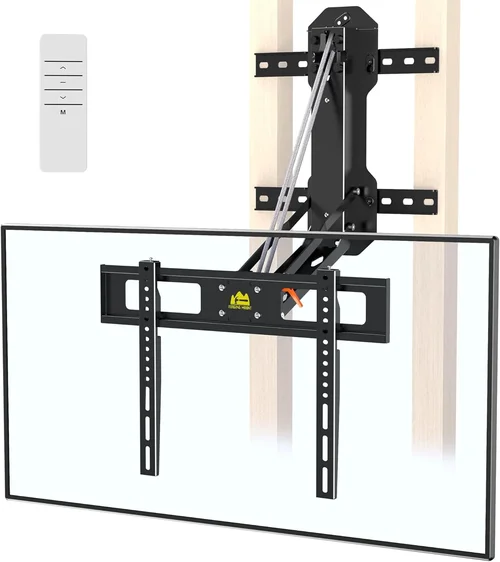
Pay attention to mounting hardware as well. VESA-compatible brackets are standard, but outdoor mounts must also be corrosion-resistant and capable of supporting the TV’s weight in windy conditions. Many manufacturers offer proprietary mounting kits designed specifically for their models—these often provide better sealing and stability than third-party alternatives.
5. Smart Features & Connectivity
Just because a TV lives outside doesn’t mean it should lack modern conveniences. Most weatherproof TVs now come with built-in smart platforms like Android TV, webOS, or Roku, allowing access to streaming services without external devices. However, verify that the OS receives regular updates and that apps perform smoothly—some budget models use underpowered processors that lag during navigation.
Connectivity is equally important. Look for multiple HDMI ports (preferably HDMI 2.1 for future-proofing), USB inputs, optical audio out, and Ethernet for stable wired internet. Wi-Fi 6 support ensures reliable streaming even at a distance from your router. If you plan to connect gaming consoles, soundbars, or streaming sticks, ensure there’s enough space behind the TV for cables and dongles without compromising the seal.
6. Audio Performance
Outdoor acoustics are unforgiving—open spaces, wind, and ambient noise (like traffic or birds) can drown out weak speakers. While many weatherproof TVs include basic stereo speakers, they’re often insufficient for deck entertainment. Premium models integrate high-wattage, weather-resistant speakers with enhanced bass and clarity. Alternatively, consider models with robust audio outputs so you can easily connect external weatherproof soundbars or wireless speakers.
Some TVs feature audio enhancement technologies like Dolby Atmos or DTS:X, but these are less effective outdoors due to sound dispersion. Focus instead on speaker placement—front-firing drivers generally perform better than bottom- or rear-firing ones in open areas.
7. Brand Reputation & Ecosystem Compatibility
Not all brands approach outdoor TVs with the same rigor. Established players like Samsung (with its Terrace series), SunBriteTV (a pioneer in the category), and LG have extensive field testing and proven track records. Lesser-known brands may offer lower prices but often cut corners on sealing, brightness, or support.
Also consider ecosystem compatibility. If you already own smart home devices (e.g., Amazon Echo, Google Nest, or Apple HomeKit), choose a TV that integrates seamlessly. Some models support voice control, ambient mode, or automatic brightness adjustment based on ambient light sensors—features that enhance usability outdoors.
8. Warranty & Customer Support
Outdoor electronics face harsher conditions than indoor gear, so warranty coverage is crucial. Look for at least a 2–3 year comprehensive warranty that includes both parts and labor, with clear terms for outdoor use. Some manufacturers void warranties if the TV is installed in uncovered areas—always read the fine print.
Customer support matters too. Can you get help via phone, chat, or on-site service? Are replacement parts readily available? Brands with dedicated outdoor divisions (like SunBriteTV) typically offer better post-purchase assistance than general electronics retailers.
Different Types of Buying Guide

Common Buying Mistakes to Avoid
❌ Mistake: Assuming All “Outdoor” TVs Are Created Equal
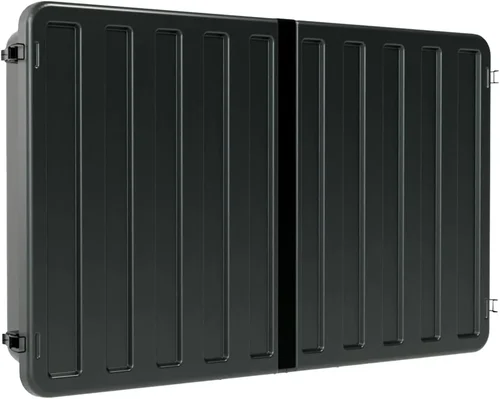
Why it’s bad: The term “outdoor TV” is not regulated. Some manufacturers slap the label on indoor TVs sold with optional enclosures, which may not provide adequate protection against condensation, insects, or UV damage. These setups often fail within 1–2 years.
What to do instead: Verify that the TV is purpose-built for outdoor use with a certified IP rating, sealed chassis, and outdoor-rated components. Check independent reviews and manufacturer documentation.
❌ Mistake: Ignoring Ambient Light Conditions
Why it’s bad: A TV bright enough for a shaded patio will be invisible on a sun-drenched deck. Choosing based solely on indoor brightness specs leads to disappointment.
What to do instead: Assess your deck’s sun exposure throughout the day. Use a lux meter app to measure ambient light, then match it to the TV’s nit rating. When in doubt, go brighter.
❌ Mistake: Overlooking Installation Requirements
Why it’s bad: Weatherproof TVs often require specialized mounting, wiring through walls or conduits, and professional installation to maintain seals and safety. DIY attempts can void warranties or create hazards.
What to do instead: Consult a certified installer before purchasing. Factor in installation costs (typically $300–$800) into your total budget.
❌ Mistake: Neglecting Audio Needs
Why it’s bad: Most outdoor TVs have underpowered speakers. Relying solely on built-in audio results in muffled dialogue and weak sound during gatherings.
What to do instead: Plan for external audio from day one. Invest in weatherproof speakers or a soundbar, or choose a TV with strong audio outputs and preamp capabilities.
❌ Mistake: Skimping on Warranty Coverage
Why it’s bad: Outdoor electronics are prone to failure from environmental stress. A short or restrictive warranty leaves you footing repair bills.
What to do instead: Prioritize brands offering 3+ years of comprehensive outdoor coverage. Consider extended service plans if available.
❌ Mistake: Buying Based Solely on Price
Why it’s bad: The cheapest option often uses inferior materials, lower brightness, and minimal sealing—leading to premature failure and higher lifetime cost.
What to do instead: View the TV as a long-term investment. Calculate cost per year of expected use (e.g., $3,000 TV lasting 8 years = $375/year).
❌ Mistake: Forgetting About Future-Proofing
Why it’s bad: Technology evolves rapidly. A TV without HDMI 2.1, Wi-Fi 6, or smart platform updates may become obsolete quickly.
What to do instead: Choose a model with modern connectivity, regular software updates, and compatibility with emerging standards like HDR10+ or Dolby Vision.
Budget Guidelines: How Much Should You Spend?
Weatherproof TVs represent a significant investment, but pricing tiers align closely with performance, durability, and features. Here’s what to expect at each level:
Entry-Level ($1,000 – $2,000): These models are ideal for covered decks or three-season use in mild climates. Expect IP55 ratings, 700–1,000 nits brightness, basic smart features, and plastic-aluminum hybrid builds. Picture quality is decent in shade but struggles in direct sun. Brands like Seura and some Vizio outdoor lines fall here. Best for occasional use or secondary viewing areas.
Mid-Range ($2,000 – $3,500): This is the sweet spot for most homeowners. TVs in this range offer IP65 sealing, 1,000–1,500 nits brightness, robust metal chassis, and reliable smart platforms. They handle partial sun well and include better thermal management. Models like the Samsung Terrace Partial Sun series or SunBriteTV Veranda line deliver excellent value with 3-year warranties.
Premium ($3,500 – $6,000): Designed for full sun exposure and all-weather reliability, these TVs boast 1,500–2,500+ nits, advanced cooling/heating systems, and commercial-grade materials. Expect superior color accuracy, HDR support, and seamless integration with home automation. The Samsung Terrace Full Sun and SunBriteTV Pro series dominate this tier. Ideal for primary outdoor entertainment zones.
Luxury ($6,000+): Reserved for large estates, hospitality venues, or extreme environments, these models feature 24/7 operation capability, vandal-resistant glass, centralized control systems, and custom finishes. Brightness exceeds 2,500 nits, and some include motorized lifts or hidden installations. Only necessary for demanding applications or architectural integration.
Expert Tips for Getting the Best Deal
- Time your purchase around seasonal sales: The best deals on outdoor TVs occur in late winter (February–March) as retailers clear inventory before spring installations ramp up. Black Friday and Memorial Day also offer solid discounts, but selection may be limited.
- Buy directly from manufacturers or authorized dealers: Brands like SunBriteTV and Samsung often offer exclusive bundles (e.g., free mounting hardware or extended warranties) not available through big-box stores. Avoid third-party marketplaces where counterfeit or refurbished units may be sold as new.
- Negotiate installation packages: Many dealers provide discounted or bundled pricing when you purchase the TV and installation together. Ask about “complete outdoor entertainment packages” that include sound, lighting, and wiring.
- Check for rebates or energy incentives: Some utility companies offer rebates for energy-efficient outdoor electronics. While rare, it’s worth inquiring—especially for commercial installations.
- Inspect return and exchange policies: Outdoor TVs are difficult to return once installed. Ensure the retailer allows at least 30 days for testing in your actual environment. Some brands offer 60- or 90-day trial periods.
- Test brightness in person if possible: If you can visit a showroom, compare models side-by-side under bright lighting. Online specs don’t always reflect real-world performance.
- Consider refurbished or open-box units: Authorized refurbishers often sell lightly used demo models at 20–30% off with full warranties. These are typically inspected and sealed like new.
- Document everything: Keep records of purchase receipts, warranty registration, and installation details. This simplifies claims and increases resale value.
Frequently Asked Questions
Q: Can I use a regular indoor TV outdoors with a cover?
A: While possible in very mild, covered conditions, this approach is risky and not recommended for permanent installations. Most covers don’t fully prevent condensation, and indoor TVs lack the thermal management and sealing needed for reliable outdoor operation. Over time, moisture ingress, overheating, or UV damage will likely cause failure—voiding any warranty.
Q: Do weatherproof TVs need to be plugged into a GFCI outlet?
A: Yes, absolutely. Any outdoor electrical device, including TVs, must be connected to a Ground Fault Circuit Interrupter (GFCI) outlet for safety. This protects against electrical shock in wet conditions and is often required by local building codes.
Q: How do I clean the screen of my outdoor TV?
A: Use a soft, lint-free microfiber cloth slightly dampened with distilled water. Avoid ammonia-based cleaners, abrasives, or paper towels, which can scratch the anti-reflective coating. For stubborn grime, use a solution of 70% isopropyl alcohol and 30% water, but test on a small area first.
Q: Will my outdoor TV work in the rain?
A: Yes—if it’s truly weatherproof with an appropriate IP rating (IP55 or higher). The TV is designed to operate safely during rain, snow, or humidity. However, avoid spraying water directly onto the screen or ports during cleaning.
Q: Can I leave my outdoor TV on all the time?
A: Most consumer-grade outdoor TVs are rated for continuous operation, but check your model’s specifications. Commercial units are built for 24/7 use, while residential models may have recommended duty cycles. Leaving it on overnight occasionally is fine, but constant operation may reduce lifespan.
Q: What’s the difference between partial sun and full sun models?
A: Partial sun models are designed for areas with dappled light or shade (e.g., under a pergola) and typically offer 700–1,000 nits brightness. Full sun models handle direct, unobstructed sunlight with 1,500+ nits and enhanced anti-glare coatings. Using a partial sun TV in full sun results in a washed-out image.
Q: Do outdoor TVs come with remotes that work in the sun?
A: Most include standard IR remotes, which can struggle in bright light due to interference. Some premium models offer Bluetooth remotes or smartphone apps for better reliability. Consider a remote with a backlit keypad for evening use.
Q: How long do weatherproof TVs last?
A: With proper installation and maintenance, quality outdoor TVs last 7–10 years or more. Factors like climate severity, usage frequency, and build quality significantly impact longevity. Cheaper models may fail in 3–5 years.
Q: Can I mount my outdoor TV on a swing arm or tilt bracket?
A: Yes, but only if the mount is specifically rated for outdoor use and compatible with your TV’s weight and VESA pattern. Ensure all pivot points are sealed and corrosion-resistant. Avoid excessive extension in windy areas.
Q: Is professional installation really necessary?
A: Strongly recommended. Improper mounting can compromise weather seals, create electrical hazards, or lead to structural failure in high winds. Certified installers ensure code compliance, optimal placement, and warranty validity.
Our Final Recommendations
Best for Budget-Conscious Buyers: Samsung The Terrace Partial Sun (55″) – At around $2,200, this model offers excellent brightness (1,000 nits), IP55 rating, and Samsung’s reliable smart platform. Perfect for covered decks in temperate climates.
Best Overall Value: SunBriteTV Veranda Series (65″) – Priced near $3,000, it delivers IP65 protection, 1,000 nits brightness, all-weather speakers, and a 3-year warranty. A proven performer for most residential setups.
Best Premium Option: Samsung The Terrace Full Sun (75″) – With 2,000+ nits, IP65 rating, and advanced cooling, this TV dominates in direct sunlight. Ideal for poolside or open-air entertaining.
Best for Beginners: Seura Outdoor TV (50″) – User-friendly setup, good brightness for shaded areas, and straightforward smart features. Great for first-time outdoor TV owners.
Best for Advanced Users: SunBriteTV Pro Series with Integrated Heating (65″) – Built for extreme climates, this model includes internal heaters, 2,500 nits brightness, and commercial durability. Suited for tech-savvy homeowners in harsh environments.
Conclusion: Making the Right Choice
Choosing the right weatherproof TV for your deck is about more than just screen size or brand name—it’s about matching technology to environment, usage, and long-term expectations. From understanding IP ratings and brightness requirements to avoiding common pitfalls and budgeting wisely, every decision shapes your outdoor entertainment experience. Remember: a weatherproof TV isn’t a seasonal accessory; it’s a durable centerpiece designed to deliver years of reliable performance, rain or shine.
As you evaluate options, prioritize your specific needs. Do you watch mostly at night or during sunny afternoons? Is your deck fully exposed or partially covered? How important is audio quality or smart functionality? Answering these questions honestly will guide you toward the ideal model—one that enhances your lifestyle without compromising on safety or quality.
Finally, don’t rush the process. Take advantage of expert advice, read real user reviews, and consult professionals before making your purchase. The right weatherproof TV will transform your deck into a true extension of your home, where memories are made under open skies. Invest wisely, install properly, and enjoy the freedom of outdoor viewing—anytime, anywhere.

