
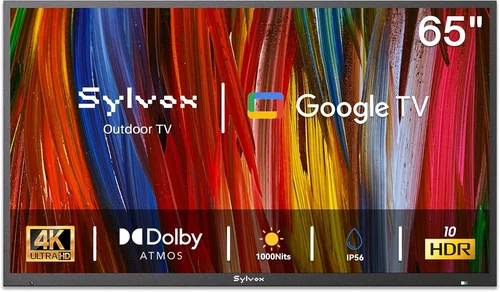
Outdoor living spaces have evolved far beyond simple patios and decks—today’s coastal homes demand entertainment solutions that match both the beauty and the challenges of seaside environments. Whether you’re sipping coffee at sunrise or hosting sunset gatherings with friends, a reliable patio TV transforms your outdoor area into a true extension of your home. But choosing the right television for a coastal setting isn’t as simple as picking up any weather-resistant model from the store. Salt air, high humidity, intense UV exposure, and unpredictable weather patterns all pose serious threats to standard electronics. That’s why investing in a purpose-built patio TV designed specifically for these conditions is essential—not just for performance, but for longevity and safety.
This comprehensive buying guide is crafted to help homeowners, designers, and outdoor enthusiasts make informed decisions when selecting the best patio TV for coastal homes in 2026. You’ll learn how to evaluate critical factors like durability, display technology, weatherproofing standards, and smart features—all tailored to the unique demands of seaside living. We’ll break down the differences between indoor, outdoor, and fully weatherized models, compare top brands and price tiers, and highlight common pitfalls to avoid. By the end, you’ll have a clear roadmap to choose a TV that delivers stunning picture quality year-round while standing up to salt spray, sand, and sun without breaking the bank.
The market for outdoor televisions has matured significantly over the past decade. What once consisted of bulky, expensive specialty units now includes sleek, feature-rich options from mainstream manufacturers like Samsung, LG, and Sony, alongside dedicated outdoor brands such as SunBriteTV and Seura. Innovations in anti-glare coatings, sealed enclosures, and corrosion-resistant materials have made it possible to enjoy 4K HDR content outdoors—even in bright daylight. However, not all “outdoor” TVs are created equal, especially when it comes to coastal resilience. This guide cuts through the marketing noise to focus on what truly matters: real-world performance in salty, humid, and sun-drenched environments.

What to Look for When Buying Buying Guide
1. Weather Resistance & IP Rating
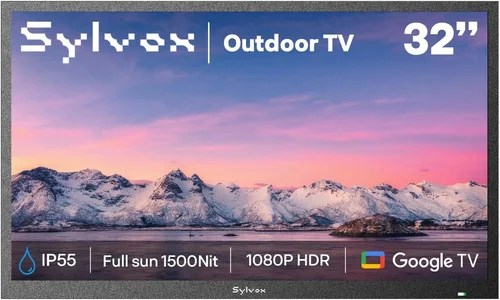
When it comes to coastal homes, weather resistance isn’t optional—it’s mandatory. Standard indoor TVs may survive a light drizzle, but they’ll quickly succumb to the corrosive effects of salt air and constant moisture. Look for televisions with an official Ingress Protection (IP) rating, specifically IP55 or higher. An IP55 rating means the TV is protected against dust ingress (limited) and low-pressure water jets from any direction—ideal for patios exposed to ocean spray. For even harsher conditions, consider models with IP65 or IP66 ratings, which offer full dust protection and resistance to powerful water jets.
Beyond the IP rating, examine the materials used in construction. Aluminum chassis with powder-coated finishes resist rust far better than steel or plastic. Sealed ports, gaskets around buttons, and hydrophobic screen coatings also play crucial roles in preventing internal corrosion. Some premium models go further by using marine-grade stainless steel screws and conformal coating on internal circuit boards—tiny details that dramatically extend lifespan in coastal zones.
2. Brightness & Anti-Glare Technology
One of the biggest challenges with outdoor viewing is ambient light. On a sunny afternoon, even the brightest indoor TVs can appear washed out. Coastal patios often receive direct sunlight for much of the day, so brightness becomes a top priority. Aim for a minimum of 700 nits (cd/m²), but ideally 1,000 nits or more for full sun exposure. Many outdoor TVs now feature high-brightness LED backlighting specifically tuned for daylight visibility.
Equally important is anti-glare technology. Look for screens with optically bonded glass and anti-reflective coatings. These reduce mirror-like reflections and improve contrast in bright conditions. Some manufacturers, like SunBriteTV, use proprietary “Direct Sunlight Readable” (DSR) panels that maintain color accuracy and black levels even under direct sun—a game-changer for morning yoga sessions or afternoon barbecues. Avoid TVs with glossy, non-coated screens; they’ll turn your patio into a giant mirror on sunny days.
3. Build Quality & Durability
Coastal environments are unforgiving. Salt corrosion can eat through wiring, degrade connectors, and weaken structural components within months if proper materials aren’t used. High-quality patio TVs are built with durability in mind from the ground up. This includes reinforced frames, sealed cooling systems (passive or fan-assisted), and components rated for extended operation in high-humidity conditions.
Pay close attention to the cooling system. Unlike indoor TVs that rely on passive airflow through vents, outdoor models must prevent moisture ingress while managing heat. Top-tier units use sealed convection cooling or silent fan systems with moisture filters. Also check for UV-resistant casings—prolonged sun exposure can cause plastics to yellow or become brittle over time. Brands like Seura and Avid Power use UV-stabilized polymers that retain their appearance for years.
4. Smart Features & Connectivity
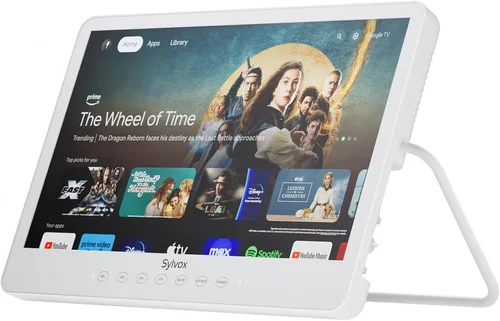
Just because your TV lives outside doesn’t mean it should lack modern conveniences. Most premium patio TVs now come with built-in smart platforms like Android TV, webOS (LG), or Tizen (Samsung). This allows you to stream Netflix, YouTube, or Disney+ directly without needing an external device—though we still recommend using a streaming box for better performance and updates.
Connectivity is another key area. Ensure the TV has sufficient HDMI ports (at least two), USB inputs, and Wi-Fi 6 or Ethernet for stable streaming. Some models include weatherproof cable glands or rear-access compartments to protect connections from the elements. Bluetooth support is also useful for wireless speakers or headphones during quiet evenings. Avoid models that require proprietary streaming sticks—they often lack software updates and limit flexibility.
5. Size & Viewing Distance
Choosing the right screen size depends on your patio layout and typical seating arrangement. A common mistake is going too small—outdoor spaces often feel larger, and viewers sit farther away than indoors. As a rule of thumb, multiply your viewing distance (in inches) by 0.84 to get the ideal diagonal screen size. For example, if you’ll be sitting 10 feet (120 inches) away, aim for a 100-inch TV.
However, in coastal settings, larger isn’t always better. Oversized screens can create excessive glare or overwhelm smaller patios. Consider the angle of the sun throughout the day and whether your seating is fixed or movable. If you have a retractable awning or pergola, you might opt for a slightly smaller, brighter panel that performs well in partial shade. Also, ensure your mounting solution can support the weight—many outdoor TVs are heavier due to reinforced enclosures.
6. Brand Reputation & Specialization
Not all TV manufacturers understand the nuances of outdoor use. While mainstream brands offer some “outdoor-compatible” models, specialized companies like SunBriteTV, Seura, and Avid Power have spent years refining designs for real-world conditions. These brands conduct rigorous testing in salt fog chambers, thermal cycling labs, and UV exposure chambers—far beyond typical consumer electronics standards.
Research customer reviews from users in similar climates. A TV that works well in Arizona may fail quickly in Florida or Hawaii due to humidity differences. Look for brands that explicitly mention coastal or marine applications in their marketing and documentation. Additionally, check if the company offers local service centers or on-site support—important if something goes wrong far from major cities.
7. Warranty & Support
Given the investment involved, warranty coverage is non-negotiable. Standard indoor TV warranties often exclude damage from moisture, salt, or outdoor use—even if the TV is technically rated for it. Reputable outdoor TV brands provide extended warranties (typically 2–3 years) that explicitly cover environmental damage. Some even offer pro-rated replacements or loaner units during repairs.
Read the fine print carefully. Does the warranty require professional installation? Are certain components (like power supplies) covered separately? Can you get service in your region? Brands like SunBriteTV offer nationwide service networks, while others may only support mail-in repairs. Also, inquire about software update policies—outdoor TVs should receive regular firmware patches to maintain security and performance.
8. Installation & Mounting Requirements
Even the best TV won’t perform well if it’s poorly installed. Coastal patios often face strong winds, so secure mounting is critical. Use only VESA-compatible outdoor mounts rated for your TV’s weight and wind load. Many manufacturers sell proprietary wall or ceiling mounts designed to integrate seamlessly with their enclosures.
Consider cable management too. Exposed wires are vulnerable to corrosion and pests. Look for TVs with built-in cable channels or optional raceway kits. If mounting on a post or freestanding frame, ensure it’s anchored securely into concrete or decking—not just surface-mounted. For salt-heavy areas, choose mounts made from aluminum or stainless steel, not painted steel, which will rust quickly.
Different Types of Buying Guide

Common Buying Mistakes to Avoid
❌ Mistake: Assuming All “Outdoor” TVs Are Equal
Why it’s bad: Many retailers market standard TVs as “suitable for outdoor use” simply because they come with a weatherproof cover. These covers often trap moisture, restrict airflow, and void manufacturer warranties. In coastal areas, this can lead to rapid corrosion and electrical failure.
What to do instead: Only purchase TVs specifically engineered for outdoor installation with sealed enclosures, proper ventilation, and corrosion-resistant materials. Verify the IP rating and look for certifications like UL Listed for outdoor use.
❌ Mistake: Ignoring Local Climate Conditions
Why it’s bad: A TV rated for desert climates may not handle constant humidity and salt exposure. Coastal zones require specialized protection that generic outdoor models don’t provide.
What to do instead: Choose a model explicitly tested for marine or coastal environments. Contact the manufacturer to confirm suitability for your specific region (e.g., Gulf Coast vs. Pacific Northwest).
❌ Mistake: Overlooking Power Supply Protection
Why it’s bad: Standard power cords and surge protectors aren’t designed for outdoor use. Salt air can degrade insulation, leading to short circuits or fire hazards.
What to do instead: Use GFCI-protected outdoor outlets and weatherproof extension cords rated for marine environments. Consider hardwiring the TV through a dedicated circuit with an outdoor-rated junction box.
❌ Mistake: Skimping on Mounting Hardware
Why it’s bad: Cheap mounts rust quickly in salty air, risking TV detachment during storms. This poses serious safety risks and can damage your property.
What to do instead: Invest in marine-grade aluminum or stainless steel mounts from reputable suppliers. Ensure they’re rated for wind loads exceeding local historical maxima.
❌ Mistake: Neglecting Software Updates
Why it’s bad: Outdoor TVs left unpatched become vulnerable to security exploits, especially if connected to home networks. Outdated firmware can also cause performance issues.
What to do instead: Choose brands that commit to long-term software support. Enable automatic updates and periodically check for firmware patches—even if the TV seems to work fine.
❌ Mistake: Buying Based Solely on Price
Why it’s bad: The cheapest option often lacks critical features like proper sealing or brightness, leading to premature failure and higher long-term costs.
What to do instead: Focus on total cost of ownership. A $3,000 TV that lasts 8 years is better value than a $1,500 model that fails in 2.
❌ Mistake: Forgetting About Audio
Why it’s bad: Most outdoor TVs have weak built-in speakers due to space and sealing constraints. Relying on them results in poor sound quality, especially with ocean noise.
What to do instead: Plan for external weatherproof speakers or a soundbar. Many outdoor TVs support Bluetooth or optical audio output for clean integration.
Budget Guidelines: How Much Should You Spend?
Entry-Level ($800–$1,800): This tier typically includes indoor TVs paired with third-party outdoor enclosures or basic partial-shade models. While affordable, they offer limited brightness (under 700 nits) and minimal corrosion protection. Best for covered lanais with indirect sun and low salt exposure. Expect 2–3 year lifespan in harsh coastal zones.
Mid-Range ($1,800–$3,500): The sweet spot for most coastal homeowners. These TVs feature IP55+ ratings, 800–1,200 nits brightness, and decent smart platforms. Brands like Avid Power and partial-shade SunBrite models fall here. Ideal for semi-covered patios with some sun exposure. With proper care, they last 5–7 years.
Premium ($3,500–$6,000): Designed for full sun and year-round use. Expect 1,000+ nits brightness, full sealing (IP65), marine-grade materials, and advanced cooling. Models from SunBriteTV Veranda and Seura Outdoor deliver exceptional reliability and picture quality. Perfect for open decks, beachfront homes, and high-end installations.
Luxury ($6,000+): Top-tier commercial-grade or custom solutions. These include 24/7 operation capability, remote monitoring, ultra-high brightness (1,500+ nits), and bespoke finishes. Often used in resorts, luxury estates, or smart home integrations. Built to last 10+ years with minimal maintenance.
Expert Tips for Getting the Best Deal
1. Buy During Off-Season: Demand peaks in spring and summer. Shop in late fall or winter (October–February) for discounts of 15–25%. Manufacturers often clear inventory before new models launch.
2. Bundle with Accessories: Some retailers offer free mounts, cables, or speakers with TV purchases. Compare total package value—not just the TV price.
3. Check Manufacturer Rebates: Brands like SunBriteTV occasionally run seasonal promotions or trade-in programs. Sign up for newsletters to stay informed.
4. Consider Refurbished Units: Certified refurbished outdoor TVs from authorized dealers can save 20–30% and often include the same warranty as new models.
5. Negotiate Installation: If buying locally, ask if the store offers discounted or bundled installation services. This ensures proper setup and maintains warranty validity.
6. Verify Return Policies: Outdoor TVs are difficult to return once installed. Choose retailers with generous trial periods (30+ days) and clear return terms for defective units.
7. Test Before Final Mounting: Unbox and test the TV in a temporary location first. Check for dead pixels, Wi-Fi connectivity, and remote functionality before committing to permanent installation.
8. Join Owner Communities: Online forums like AVS Forum or Reddit’s r/outdoortv offer real-user insights, deal alerts, and troubleshooting tips from fellow coastal homeowners.

Frequently Asked Questions
Q: Can I use a regular TV outdoors if I cover it?
A: Technically yes, but it’s not recommended—especially in coastal areas. Most covers trap moisture, restrict ventilation, and void warranties. Salt corrosion can still occur through gaps or seams. For reliable, long-term use, invest in a purpose-built outdoor TV.
Q: How often do I need to clean my patio TV?
A: Clean the screen and exterior every 2–4 weeks with a microfiber cloth and mild soap solution. Rinse thoroughly to remove salt residue. Avoid abrasive cleaners or paper towels, which can scratch anti-glare coatings.
Q: Will my outdoor TV work in winter or cold climates?
A: Yes—most outdoor TVs operate from -22°F to 122°F (-30°C to 50°C). However, extreme cold can temporarily reduce brightness. Ensure your model is rated for your climate zone.
Q: Do I need a special internet connection for streaming?
A: A stable Wi-Fi signal is essential. Coastal areas may have weaker signals due to distance from routers. Consider a weatherproof Wi-Fi extender or mesh network node near your patio.
Q: Can I leave my outdoor TV on all the time?
A: Only commercial-grade models are designed for 24/7 operation. Residential outdoor TVs should be turned off when not in use to prolong lifespan and reduce energy costs.
Q: What happens if my TV gets rained on?
A: If it’s a true outdoor model with proper IP rating, rain won’t damage it. However, avoid spraying water directly into ports or vents during cleaning.
Q: Are outdoor TVs energy efficient?
A: Modern LED-based outdoor TVs are quite efficient, especially compared to older plasma models. Look for ENERGY STAR certification—many premium outdoor TVs meet these standards.
Q: Can I mount my outdoor TV on a pole or freestanding frame?
A: Yes, but ensure the structure is anchored securely and rated for wind loads. Use only outdoor-rated poles with corrosion-resistant finishes.
Q: Do outdoor TVs come with remotes that work in sunlight?
A: Most include standard IR remotes, which can struggle in bright light. Consider upgrading to RF remotes (like those from Seura) or using a smartphone app for control.
Q: How do I know if my patio gets too much sun for an outdoor TV?
A: Observe your space from 10 AM to 4 PM. If direct sunlight hits the screen for more than 2 hours daily, you’ll need a full-sun model with 1,000+ nits brightness and anti-glare coating.
Our Final Recommendations
Best for Budget-Conscious Buyers: Avid Power 55″ Partial-Shade Outdoor TV – At around $1,600, this model offers solid IP55 protection, 800 nits brightness, and Android TV for streaming. Ideal for covered patios with minimal direct sun.
Best Overall Value: SunBriteTV Veranda 65″ 4K UHD – Priced at $3,200, it delivers 1,000 nits brightness, full weather sealing, and excellent color accuracy. Perfect balance of performance, durability, and smart features for most coastal homes.
Best Premium Option: Seura Outdoor 75″ Ultra Bright – At $5,800, this flagship model boasts 1,500 nits, marine-grade construction, and a sleek design that doubles as a mirror when off. Built for luxury beachfront properties.
Best for Beginners: LG 55″ UQ75 + Peerless Outdoor Enclosure – A DIY-friendly combo ($1,400 total) for those new to outdoor setups. Easy to install and upgrade, though less durable than sealed units.
Best for Advanced Users: SunBriteTV Pro Series 86″ Commercial Grade – For tech-savvy homeowners who want 24/7 reliability, remote monitoring, and integration with smart home systems. Overkill for casual use but unmatched in performance.
Conclusion: Making the Right Choice
Choosing the best patio TV for your coastal home is about more than just picture quality—it’s an investment in durability, safety, and long-term enjoyment. The salty, humid, sun-drenched environment demands equipment built to withstand nature’s harshest elements. By prioritizing weather resistance, brightness, build quality, and proper installation, you’ll ensure your outdoor entertainment space remains a vibrant hub for years to come.
Remember, the cheapest option rarely delivers the best value in coastal settings. Instead, focus on total cost of ownership, brand reputation, and real-world performance in similar climates. Use this guide to compare models, avoid common pitfalls, and make a confident decision that aligns with your lifestyle and budget.
Whether you’re watching the sunrise with coffee or hosting a movie night under the stars, the right patio TV transforms your coastal retreat into a true sanctuary. Take your time, do your research, and don’t hesitate to consult professionals for installation. Your future self—and your guests—will thank you.

