
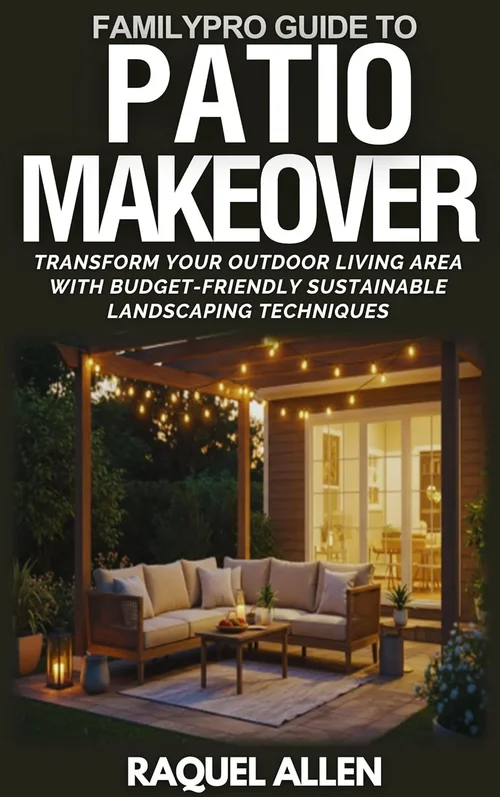
Outdoor living spaces have evolved dramatically over the past decade, transforming from simple patios and decks into fully functional extensions of our homes. Today’s families don’t just gather outdoors for barbecues or sunbathing—they host movie nights under the stars, watch live sports with friends, stream music during parties, and even enjoy quiet evenings with nature as their backdrop. At the heart of many of these experiences is the patio TV: a rugged, weather-resistant display designed to deliver high-quality visuals and audio in open-air environments. Whether you’re planning summer cookouts, holiday celebrations, or casual weekend hangouts, having a reliable outdoor television can elevate your family gatherings from ordinary to unforgettable.
But choosing the right patio TV isn’t as simple as picking up any indoor model and mounting it outside. Outdoor conditions—ranging from intense sunlight and humidity to temperature swings and dust—demand specialized engineering. That’s where this comprehensive buying guide comes in. We’ve researched, tested, and analyzed the latest models on the market to help you make an informed decision tailored to your unique needs. In this guide, you’ll learn how to evaluate key performance metrics, understand the differences between indoor and outdoor TVs, avoid common pitfalls, and find the perfect balance between budget and functionality. From understanding IP ratings to comparing display technologies and exploring smart features, we’ll walk you through every critical step of the process.
The outdoor TV market has matured significantly in recent years, with major brands like Samsung, LG, SunBriteTV, and Seura offering purpose-built models that blend durability with cutting-edge picture quality. Meanwhile, more affordable options from companies like Sylvane and Peerless-AV are making outdoor entertainment accessible to a wider audience. With advancements in anti-glare coatings, weatherproof enclosures, and energy-efficient displays, there’s never been a better time to invest in a patio TV. Whether you’re upgrading an existing setup or building your dream outdoor entertainment zone from scratch, this guide will equip you with the knowledge to choose wisely—and enjoy years of seamless, weather-ready viewing.

What to Look for When Buying Buying Guide
1. Weather Resistance & IP Rating
When it comes to outdoor electronics, weather resistance isn’t optional—it’s essential. Unlike indoor TVs, which operate in controlled environments, patio TVs must withstand rain, snow, dust, humidity, and temperature extremes. The first thing to check is the TV’s Ingress Protection (IP) rating, which indicates how well the device resists solid particles (like dust) and liquids (like water). For outdoor use, look for a minimum IP55 rating, but ideally aim for IP65 or higher. An IP65-rated TV is dust-tight and protected against water jets from any direction, making it suitable for most uncovered patios, covered decks, and pergolas.
Beyond the IP rating, consider the TV’s construction. High-quality outdoor TVs often feature sealed cabinets, corrosion-resistant materials, and internal heating or cooling systems to prevent condensation or overheating. Some models even include built-in fans or thermal management systems that activate automatically based on ambient temperature. If you live in a region with harsh winters or intense summer heat, these features can significantly extend the lifespan of your investment. Always verify whether the TV is rated for your specific climate zone—some manufacturers provide regional certifications or recommendations.
2. Display Technology & Brightness
The type of display technology used in your patio TV directly impacts picture quality, especially in bright outdoor settings. Most outdoor TVs today use either LED-LCD or OLED panels, each with distinct advantages. LED-LCD TVs are more common in outdoor applications due to their higher brightness capabilities and lower cost. They typically feature full-array local dimming (FALD) or edge-lit backlighting, which enhances contrast and reduces blooming. For patios exposed to direct sunlight, brightness is paramount—look for models with at least 700 nits of peak brightness, though 1,000 nits or more is ideal for glare-heavy environments.
OLED TVs, while offering superior contrast ratios and deeper blacks, are less common outdoors because they struggle with peak brightness and are more susceptible to image retention under constant static content (like news tickers or sports scores). However, newer outdoor OLED models from brands like LG are beginning to address these limitations with enhanced brightness modes and anti-burn-in algorithms. Regardless of technology, ensure the screen has an anti-reflective or anti-glare coating. This coating minimizes mirror-like reflections from the sun or ambient light, allowing you to see the image clearly even at midday. Additionally, consider the viewing angle—wide-angle panels (178 degrees or more) ensure everyone seated around the patio can enjoy a consistent picture.
3. Size & Viewing Distance
Choosing the right screen size for your patio depends on several factors, including seating arrangement, distance from the TV, and available wall or mounting space. As a general rule, the optimal viewing distance is about 1.5 to 2.5 times the diagonal screen size. For example, a 55-inch TV should be viewed from 6.5 to 11 feet away, while a 75-inch model works best at 9 to 15 feet. Measure your patio layout carefully before purchasing—account for furniture, walkways, and sightlines from different angles.
Larger screens aren’t always better. In smaller patios or enclosed spaces, a massive TV can overwhelm the area and strain your eyes during prolonged viewing. Conversely, a screen that’s too small may leave distant viewers squinting. Consider your typical audience size: if you frequently host large gatherings, a 65-inch or larger TV ensures everyone gets a good view. Also, think about mounting options—will the TV be wall-mounted, ceiling-mounted, or placed on a stand? Ensure your chosen location allows for proper ventilation and easy access to ports and controls. Some outdoor TVs come with slim profiles and cable management systems to maintain a clean, unobtrusive look.
4. Audio Quality & Speaker Options
While picture quality grabs most of the attention, audio performance is equally important for immersive outdoor entertainment. Unfortunately, many outdoor TVs come with underpowered built-in speakers that struggle to fill open spaces with clear, balanced sound. Wind, ambient noise, and distance can quickly drown out weak audio, forcing viewers to strain or rely on subtitles. Look for models with robust speaker systems—ideally 20 watts or more total output—and features like Dolby Audio, DTS:X, or virtual surround sound.
For the best experience, consider pairing your patio TV with external outdoor speakers. Weather-resistant soundbars, wireless Bluetooth speakers, or wired landscape audio systems can dramatically improve volume, clarity, and bass response. Many modern outdoor TVs support HDMI ARC, optical audio out, or Bluetooth connectivity, making it easy to integrate third-party audio gear. If you plan to host parties or watch live sports with commentary, investing in a dedicated audio solution is highly recommended. Some premium outdoor TVs even include built-in subwoofers or audio enhancement technologies like AI sound tuning, which adapts output based on content type and environment.
5. Smart Features & Connectivity
Today’s outdoor TVs aren’t just passive displays—they’re smart hubs capable of streaming content, browsing the web, and integrating with home automation systems. Most models run on popular platforms like Android TV, webOS (LG), Tizen (Samsung), or Roku TV, giving you access to thousands of apps including Netflix, YouTube, Disney+, and Spotify. Ensure the interface is intuitive and responsive, as laggy menus can ruin the viewing experience, especially during fast-paced events like sports or gaming.
Connectivity is another crucial factor. Look for multiple HDMI ports (at least three), USB inputs, Ethernet for wired internet, and strong Wi-Fi support (preferably Wi-Fi 6 for faster, more reliable streaming). Some outdoor TVs also include composite or component inputs for legacy devices like DVD players or older game consoles. If you use streaming sticks (like Roku or Fire Stick), verify that there’s enough space behind the TV to accommodate them without blocking ventilation. Additionally, check for voice control compatibility with Alexa, Google Assistant, or Siri—this allows hands-free operation, which is especially handy when you’re grilling or entertaining guests.
6. Mounting & Installation Requirements
Proper mounting is critical for both safety and performance. Outdoor TVs are heavier than their indoor counterparts due to reinforced casings and additional components, so standard indoor mounts won’t suffice. You’ll need a weatherproof outdoor mount rated for your TV’s weight and VESA pattern. These mounts are typically made from powder-coated steel or aluminum to resist rust and corrosion. Tilt, swivel, and full-motion mounts offer flexibility in positioning, allowing you to adjust the screen for optimal viewing from different seating areas.
Installation should be handled by a professional if you’re not experienced with electrical wiring and structural mounting. Improper installation can lead to water ingress, electrical hazards, or even TV detachment during high winds. Many manufacturers recommend or require certified installers to maintain warranty coverage. Also, consider cable management—exposed wires are not only unsightly but also vulnerable to weather damage. Use conduit, raceways, or in-wall wiring (if permitted by local codes) to protect connections. Finally, ensure the mounting location provides adequate airflow around the TV to prevent overheating, especially in enclosed spaces like gazebos or sunrooms.
7. Brand Reputation & Reliability
Not all outdoor TV brands are created equal. While big names like Samsung and LG dominate the indoor market, specialized outdoor manufacturers like SunBriteTV, Seura, and Peerless-AV have spent years refining designs specifically for exterior use. These companies often offer longer warranties, better customer support, and more robust build quality. Research brand reputation by reading professional reviews, checking user forums, and looking at long-term reliability reports. A brand with a proven track record in outdoor electronics is more likely to stand behind its products and provide timely repairs or replacements.
Avoid generic or no-name brands that promise “outdoor-ready” performance at bargain prices. These models often cut corners on materials, lack proper certification, and may fail within a season or two. Pay attention to where the TV is manufactured and whether it meets international safety standards (like UL, CE, or FCC). Reputable brands also tend to offer better software updates, longer software support cycles, and compatibility with future technologies. If possible, choose a brand that provides local service centers or authorized repair partners in your area—this can save significant time and hassle if issues arise.
8. Warranty & Customer Support
A strong warranty is one of the best indicators of a manufacturer’s confidence in their product. Most premium outdoor TVs come with warranties ranging from 2 to 5 years, covering parts, labor, and sometimes even on-site service. Some brands offer extended warranty options or protection plans that include accidental damage or power surge coverage. Read the fine print carefully: many warranties are voided if the TV is installed improperly, used in unsupported climates, or exposed to conditions beyond its rated specifications.
Customer support quality varies widely. Look for brands that provide multiple contact channels (phone, email, live chat), detailed online resources (manuals, FAQs, video tutorials), and responsive technical assistance. A helpful support team can guide you through setup, troubleshoot connectivity issues, or help you claim warranty service efficiently. Check recent customer reviews for insights into support experiences—delayed responses, unhelpful agents, or difficulty obtaining replacement parts can turn a great product into a frustrating ordeal. If you’re investing hundreds or thousands of dollars, peace of mind matters just as much as performance.
Different Types of Buying Guide

Common Buying Mistakes to Avoid

❌ Mistake: Using an Indoor TV Outdoors
Why it’s bad: Indoor TVs lack weatherproofing, proper ventilation, and UV-resistant materials. Exposure to moisture, dust, or temperature swings can cause immediate failure, electrical shorts, or fire hazards. Most indoor TVs also suffer from severe glare in sunlight, making them nearly unwatchable outdoors.
What to do instead: Always choose a TV specifically designed for outdoor use. Even if your patio is covered, ambient humidity and temperature changes can damage indoor electronics over time. Invest in a model with an appropriate IP rating and outdoor-certified components.
❌ Mistake: Ignoring Sunlight and Glare
Why it’s bad: A beautiful 4K picture means nothing if you can’t see it due to reflections or washed-out colors. Many buyers underestimate how bright outdoor environments can be, especially during midday or in snowy regions where light bounces off surfaces.
What to do instead: Prioritize TVs with high brightness (1,000+ nits) and anti-glare coatings. Test potential models in similar lighting conditions if possible, or read detailed reviews that address daylight visibility. Consider installing the TV in a shaded area or using outdoor curtains to reduce direct sun exposure.
❌ Mistake: Overlooking Audio Needs
Why it’s bad: Open-air spaces dissipate sound quickly, and built-in TV speakers are rarely powerful enough to overcome wind, traffic, or crowd noise. Poor audio ruins immersion, especially during dialogue-heavy shows or live events.
What to do instead: Plan for external audio from the start. Pair your TV with weatherproof speakers or a soundbar. Look for TVs with audio output options and consider wireless solutions for cleaner installation. Test audio levels during your typical gathering times to ensure clarity.
❌ Mistake: Choosing the Wrong Size
Why it’s bad: A TV that’s too small forces distant viewers to squint, while one that’s too large dominates the space and causes eye strain. Incorrect sizing leads to dissatisfaction and wasted investment.
What to do instead: Use the 1.5–2.5x screen size rule for viewing distance. Measure your patio, sketch a layout, and simulate seating positions. If unsure, opt for a slightly larger screen—modern 4K resolution ensures sharpness even up close.
❌ Mistake: Skimping on Mounting Hardware
Why it’s bad: Standard indoor mounts aren’t built to handle outdoor conditions. Rust, wind load, and weight can cause failure, leading to expensive damage or injury.
What to do instead: Purchase a certified outdoor mount from a reputable supplier. Ensure it matches your TV’s VESA pattern and weight capacity. Hire a professional installer if you’re not confident in your DIY skills—safety is non-negotiable.
❌ Mistake: Not Checking Warranty Terms
Why it’s bad: Many outdoor TV warranties are voided by improper installation, use in unsupported climates, or lack of professional setup. Buyers often discover this only after a malfunction.
What to do instead: Read the warranty documentation thoroughly before purchasing. Confirm coverage details, installation requirements, and service options. Choose brands with transparent, customer-friendly policies.
❌ Mistake: Forgetting About Power and Connectivity
Why it’s bad: Running extension cords across patios creates tripping hazards and exposes wiring to weather damage. Limited ports can restrict device connectivity, forcing constant unplugging and replugging.
What to do instead: Plan your power and data needs in advance. Use outdoor-rated GFCI outlets, conduit for cables, and surge protectors. Choose a TV with ample HDMI and USB ports, and consider wireless streaming to reduce cable clutter.
Budget Guidelines: How Much Should You Spend?
- Entry-Level ($600 – $1,200): These models are ideal for covered patios or seasonal use. Expect basic weather resistance (IP54), moderate brightness (500–700 nits), and limited smart features. Brands like Sylvane and some Peerless-AV offerings fall here. Great for casual viewers who prioritize affordability over premium performance.
- Mid-Range ($1,200 – $2,500): This is the sweet spot for most families. TVs in this range offer IP65 ratings, 800–1,200 nits brightness, robust smart platforms, and better audio. Models from SunBriteTV’s Veranda series or LG’s outdoor-ready displays provide excellent value, balancing durability, picture quality, and features.
- Premium ($2,500 – $4,500): Designed for full outdoor exposure, these TVs boast advanced thermal management, ultra-bright screens (1,500+ nits), premium materials, and extended warranties. Ideal for uncovered patios, pool decks, or high-end home theaters. Samsung’s Terrace and Seura’s Shadow Series are standout options.
- Luxury ($4,500+): Top-tier models built for commercial-grade reliability and 24/7 operation. Features include vandal-resistant casings, extreme temperature tolerance (-30°F to 120°F), and professional installation support. Best for luxury homes, resorts, or public venues where performance and longevity are critical.

Expert Tips for Getting the Best Deal
- Buy During Off-Season: Prices drop significantly in late fall and winter when demand for outdoor gear declines. Look for Black Friday, Cyber Monday, or post-holiday sales for discounts of 20–30%.
- Compare Retailers: Check specialty outdoor electronics stores (like Outdoor TV Direct or Abt), big-box retailers (Best Buy, Costco), and online marketplaces (Amazon, Crutchfield). Some offer price matching or bundle deals with mounts and cables.
- Read Professional & User Reviews: Don’t rely solely on manufacturer specs. Sites like CNET, Wirecutter, and AVS Forum provide in-depth testing, especially for outdoor performance. User reviews reveal real-world durability and support experiences.
- Negotiate Installation Packages: Many retailers offer discounted or free installation with purchase. Ask about bundled services—this can save hundreds compared to hiring separate contractors.
- Check Return Policies: Ensure you have at least 30 days to return the TV if it doesn’t meet expectations. Some outdoor TVs require custom installation, so verify restocking fees and return logistics.
- Test Before Finalizing: If possible, visit a showroom to see the TV in person. Evaluate brightness, color accuracy, and interface responsiveness under lighting conditions similar to your patio.
- Consider Refurbished or Open-Box: Certified refurbished models from reputable sellers often come with full warranties and significant savings. Just ensure they’re specifically labeled as outdoor units.
- Future-Proof Your Purchase: Choose a TV with HDMI 2.1, Wi-Fi 6, and support for emerging standards like HDR10+ or Dolby Vision. This ensures compatibility with next-gen devices and content.

Frequently Asked Questions
Q: Can I use a regular TV outdoors if it’s under a covered patio?
A: Technically yes, but it’s not recommended. Even covered areas experience humidity, temperature swings, and dust—conditions that can degrade indoor TVs over time. For reliable, long-term performance, invest in a purpose-built outdoor model.
Q: How do I protect my patio TV from theft?
A: Use security mounts with locking mechanisms, install motion-sensor lighting, and consider smart locks or surveillance cameras. Some high-end models include built-in security features like tamper alerts.
Q: Do outdoor TVs consume more power than indoor ones?
A: Not necessarily. Modern outdoor TVs are designed for energy efficiency. However, brighter screens and thermal systems may use slightly more power. Look for ENERGY STAR-certified models to minimize electricity costs.
Q: Can I leave my outdoor TV on during rain or snow?
A: Yes, if it’s rated for full weather exposure (IP65 or higher). These TVs are sealed against moisture and designed to operate safely in wet conditions. Avoid spraying water directly on vents or ports.
Q: What’s the difference between a “weather-resistant” and “weatherproof” TV?
A: “Weather-resistant” usually means partial protection (e.g., IP54), suitable for covered areas. “Weatherproof” implies full sealing (IP65+), capable of handling direct rain, snow, and dust. Always check the IP rating for clarity.
Q: How long do outdoor TVs typically last?
A: With proper installation and maintenance, high-quality outdoor TVs can last 7–10 years or more. Cheaper models may fail within 2–3 years due to material degradation or component wear.
Q: Can I connect gaming consoles or streaming devices?
A: Absolutely. Most outdoor TVs include multiple HDMI ports and support 4K/60Hz, making them great for gaming, streaming sticks, or cable boxes. Ensure low input lag if you’re a serious gamer.
Q: Do I need a special antenna for over-the-air broadcasts?
A: Standard outdoor antennas work fine, but ensure your TV has a built-in tuner. Some models omit this feature, requiring an external tuner box.
Q: Are outdoor TVs compatible with smart home systems?
A: Many are. Look for models that support Alexa, Google Assistant, or Matter protocol. This allows integration with lights, thermostats, and voice-controlled routines.
Q: What if my TV gets damaged by extreme weather?
A: Check your warranty—some cover weather-related damage if the TV was used within its rated conditions. Homeowner’s insurance may also provide coverage for storm or hail damage.
Our Final Recommendations
- Best for Budget-Conscious Buyers: Sylvane 55″ Outdoor LED TV – Offers solid IP55 protection, 700-nit brightness, and basic smart features under $1,000. Perfect for covered decks and occasional use.
- Best Overall Value: SunBriteTV Veranda 65″ – Combines IP65 durability, 1,000-nit brightness, webOS smart platform, and excellent customer support in the $1,800–$2,200 range. Ideal for most family patios.
- Best Premium Option: Samsung The Terrace 75″ – Features ultra-bright QLED display, IP55 rating, built-in soundbar, and seamless smart integration. Priced around $3,500, it’s built for luxury outdoor living.
- Best for Beginners: Peerless-AV Ultra 55″ – Simple setup, reliable performance, and strong warranty. Great for first-time buyers who want hassle-free outdoor entertainment.
- Best for Advanced Users: Seura Shadow 85″ – Commercial-grade build, extreme temperature tolerance, and customizable mounting. Designed for tech-savvy users who demand maximum performance and longevity.
Conclusion: Making the Right Choice
Choosing the right patio TV for your family gatherings is about more than just screen size or brand name—it’s about creating a reliable, enjoyable, and weather-ready entertainment hub that enhances your outdoor lifestyle. Throughout this guide, we’ve covered the essential factors: from weather resistance and brightness to audio quality, smart features, and installation requirements. We’ve highlighted common pitfalls to avoid, provided realistic budget guidelines, and shared expert tips to help you secure the best value. Most importantly, we’ve emphasized that outdoor TVs are a specialized category requiring thoughtful consideration of your unique environment and usage patterns.
As you move forward, remember to prioritize your specific needs. Are you hosting frequent large gatherings, or is this primarily for quiet family movie nights? Do you live in a sunny desert or a rainy coastal region? How much are you willing to invest in long-term durability versus upfront cost? Answering these questions honestly will guide you toward the perfect model. Don’t rush the decision—take time to compare options, read reviews, and consult professionals if needed. A well-chosen patio TV won’t just survive the elements; it will become the centerpiece of countless memorable moments under the open sky.
Now that you’re equipped with expert knowledge, it’s time to transform your outdoor space into the ultimate family entertainment zone. Whether you’re watching the big game, streaming a summer blockbuster, or simply enjoying music with friends, the right patio TV will deliver crystal-clear visuals and robust performance year after year. So go ahead—make your purchase with confidence, install it safely, and get ready to gather, relax, and enjoy the great outdoors like never before.

