
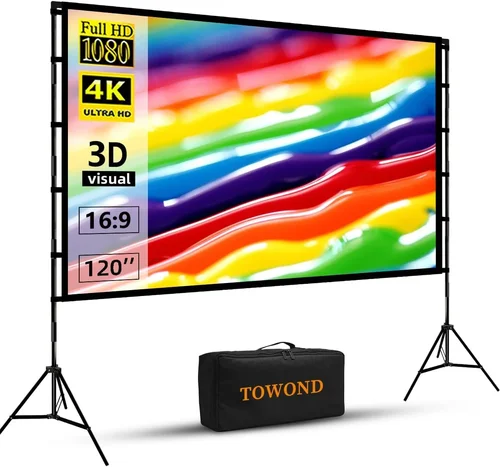
When summer rolls around, there’s nothing quite like gathering friends and family in the backyard for a barbecue, movie night under the stars, or watching the big game al fresco. But to truly elevate your outdoor entertainment experience, you need more than just good music and cold drinks—you need a reliable, high-performing outdoor TV. Whether you’re hosting a pool party, setting up a cozy patio cinema, or simply want to enjoy your favorite shows while grilling, the right outdoor television can transform your space into a true entertainment hub.
However, choosing the best outside TV for summer parties isn’t as simple as picking up any old flat-screen from the electronics store. Outdoor environments present unique challenges: direct sunlight, humidity, temperature swings, dust, and even wildlife can all impact performance and longevity. That’s why it’s crucial to invest in a display specifically engineered for outdoor use. In this comprehensive buying guide, we’ll walk you through everything you need to know to make an informed decision—from key technical specs and durability considerations to budget-friendly options and expert recommendations. By the end, you’ll be equipped with the knowledge to select the perfect outdoor TV that delivers stunning visuals, withstands the elements, and keeps your guests entertained all season long.
The market for outdoor TVs has evolved significantly over the past few years. What once was a niche category dominated by a handful of premium brands now offers a wider range of options across various price points and feature sets. From fully weatherproof models built to endure rain and snow to brighter, anti-glare screens designed to combat harsh daylight, today’s outdoor televisions are smarter, sleeker, and more accessible than ever. Whether you’re looking for a permanent installation on your covered patio or a portable solution for weekend camping trips, there’s likely a model tailored to your needs. This guide will help you navigate that landscape with confidence, ensuring you get the best value, performance, and peace of mind for your summer soirées.

What to Look for When Buying Buying Guide
1. Brightness & Anti-Glare Performance
One of the most critical factors when selecting an outdoor TV is its brightness level, measured in nits. Standard indoor TVs typically range from 250 to 500 nits—fine for dimly lit living rooms but utterly inadequate under direct sunlight. For outdoor use, especially in open patios or poolside areas, you’ll want a display with at least 700 nits, though 1,000 nits or higher is ideal for bright daylight viewing. High brightness ensures that colors remain vibrant and details stay sharp even when the sun is high.
Equally important is anti-glare technology. Many outdoor TVs feature specialized coatings or matte finishes that diffuse reflections from the sun or nearby light sources. Some premium models go further by incorporating optical bonding—a process where the screen layer is fused directly to the glass, eliminating air gaps that cause glare. Without these features, even a bright screen can become unwatchable during midday hours. Always check whether the TV includes built-in anti-reflective treatment, and consider your typical viewing times. If you plan to watch during golden hour or evening events, slightly lower brightness may suffice—but for all-day versatility, prioritize high-nit performance.
2. Weather Resistance & IP Rating
Outdoor TVs must withstand more than just occasional splashes—they need to resist rain, snow, dust, humidity, and temperature extremes. This is where the Ingress Protection (IP) rating comes into play. The IP code consists of two digits: the first indicates protection against solid particles (like dust), and the second refers to liquid ingress (like rain or spray). For outdoor use, aim for a minimum IP55 rating, which means the TV is dust-protected and resistant to water jets from any direction. However, if you live in a region with heavy rainfall or plan to leave the TV exposed year-round, consider models with IP65 or higher ratings for full dust-tightness and protection against low-pressure water jets.
Beyond the IP rating, examine the materials used in construction. Look for powder-coated aluminum chassis, stainless steel hardware, and sealed ports. Avoid plastic enclosures unless they’re specifically rated for outdoor durability. Also, note that some TVs are designed for “partial sun” (covered patios) while others are built for “full sun” exposure. Make sure the model you choose matches your installation environment. A TV rated only for partial sun won’t hold up under constant direct sunlight and rain.
3. Screen Size & Viewing Distance
Choosing the right screen size isn’t just about aesthetics—it directly impacts visibility and immersion, especially in group settings. For outdoor gatherings, larger screens generally work better because viewers may be seated farther away or spread across a wide area. A good rule of thumb is to multiply your optimal viewing distance (in feet) by 12 to get the recommended screen diagonal in inches. For example, if your seating area is 10 feet from the TV, a 120-inch screen would be ideal—but that’s impractical for most homes.
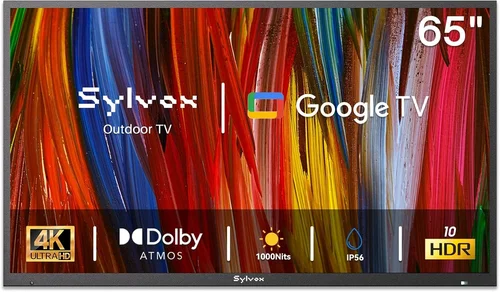
In reality, most outdoor setups benefit from screens between 43 and 65 inches. A 55-inch TV is a sweet spot for patios 8–12 feet deep, while a 65-inch model shines in larger yards or pool decks. Keep in mind that very large screens can be harder to mount securely outdoors and may require additional structural support. Also, consider sightlines: ensure the TV is visible from all intended seating areas without obstruction from trees, railings, or furniture. If your space is narrow or L-shaped, a slightly smaller, ultra-bright screen might outperform a massive but dimmer one.
4. Audio Quality & Built-in Speakers
While many outdoor TVs come with built-in speakers, don’t expect cinematic sound quality—especially in open-air environments where audio dissipates quickly. Most outdoor displays prioritize visual performance over audio, so their speakers are often underpowered and lack bass response. That said, some models do offer enhanced audio systems with dual drivers, passive radiators, or even Dolby Audio support.
For serious summer parties, we strongly recommend pairing your outdoor TV with external weatherproof speakers or a soundbar. This not only improves volume and clarity but also allows you to position sound strategically around your space. If you prefer an all-in-one solution, look for TVs with robust built-in audio (check wattage—ideally 20W or higher) and audio output options like optical or Bluetooth for connecting external systems. Remember: wind, distance, and ambient noise (like pool pumps or music) can drown out weak speakers, so invest in audio that matches your TV’s visual capabilities.
5. Smart Features & Connectivity
Modern outdoor TVs aren’t just dumb screens—they’re smart hubs capable of streaming Netflix, YouTube, Disney+, and more directly without needing a separate device. Look for models running established platforms like Android TV, webOS, or Roku TV, which offer intuitive interfaces, regular updates, and access to thousands of apps. Built-in Wi-Fi (preferably dual-band 2.4GHz/5GHz) ensures stable streaming even in areas with spotty coverage.
Connectivity is equally vital. Ensure the TV has multiple HDMI ports (at least two, preferably three), USB inputs for media playback, and possibly an Ethernet port for wired internet if your outdoor setup supports it. Some premium models include HDMI ARC (Audio Return Channel) for simplified audio routing to external sound systems. Also, check for compatibility with voice assistants like Google Assistant or Amazon Alexa—these can be handy for hands-free control during parties when your hands are full of snacks or drinks.
6. Installation & Mounting Options
How you plan to mount your outdoor TV affects both functionality and safety. Most outdoor models are VESA-compatible, meaning they work with standard wall mounts—but not all mounts are created equal. Standard indoor mounts often lack the corrosion resistance needed for outdoor use. Invest in a marine-grade or powder-coated outdoor mount rated for your TV’s weight and size.
Consider whether you want a fixed, tilt, or full-motion (articulating) mount. Fixed mounts are simplest and most secure but offer no adjustability. Tilt mounts allow slight angle changes to reduce glare, while full-motion mounts let you swivel the screen for optimal viewing from different areas—ideal for multi-zone patios. If you’re mounting on a post, fence, or uneven surface, ensure the mount includes leveling adjustments. And never skip professional installation if you’re unsure about electrical wiring, structural integrity, or local building codes—especially for permanent setups.
7. Energy Efficiency & Operating Temperature Range
Outdoor TVs often run longer hours than indoor ones, especially during summer weekends. Energy efficiency matters not just for environmental reasons but also for long-term cost savings. Look for ENERGY STAR-certified models, which consume less power without sacrificing performance. While outdoor TVs generally draw more power than indoor equivalents due to higher brightness, efficient models can still keep electricity bills manageable.
More importantly, check the operating temperature range. Most outdoor TVs function reliably between -22°F and 122°F (-30°C to 50°C), but cheaper models may shut down in extreme heat or cold. If you live in a desert climate or a region with harsh winters, verify that the TV can handle your local conditions. Some manufacturers provide detailed spec sheets listing min/max temps—don’t assume all “outdoor” TVs are built equally for thermal resilience.
8. Brand Reputation & Customer Support
Not all outdoor TV brands are equal. Established names like Samsung, LG, Sony, and specialized outdoor manufacturers such as SunBriteTV, Seura, and Peerless-AV have proven track records for quality, innovation, and customer service. Research user reviews on trusted platforms like Amazon, Best Buy, or specialty AV forums. Pay attention to comments about long-term durability, firmware updates, and responsiveness of support teams.
A reputable brand often means better warranty coverage, easier access to replacement parts, and clearer documentation. Avoid no-name brands that offer suspiciously low prices—they may cut corners on weatherproofing or use substandard components that fail within a season. When in doubt, stick with companies that specialize in outdoor displays or have strong endorsements from professional installers.
Different Types of Buying Guide

Common Buying Mistakes to Avoid
❌ Mistake: Using an Indoor TV Outdoors
Why it’s bad: Indoor TVs lack weatherproofing, have low brightness, and aren’t built to handle temperature fluctuations. Even under a covered patio, moisture, dust, and insects can damage internal components, leading to premature failure or safety hazards.
What to do instead: Always choose a TV specifically rated for outdoor use. If budget is tight, consider a partial-sun model or a DIY enclosure—but never expose a standard TV directly to the elements.
❌ Mistake: Ignoring Brightness Requirements
Why it’s bad: A dim screen turns your backyard movie night into a guessing game. Without sufficient brightness, images appear washed out, colors lose vibrancy, and fast-moving scenes (like sports) become blurry.
What to do instead: Prioritize TVs with at least 700 nits for shaded areas and 1,000+ nits for full sun. Test brightness specs—not just marketing claims—before buying.
❌ Mistake: Overlooking Audio Needs
Why it’s bad: Poor sound ruins the experience, especially with background noise from pools, wind, or music. Built-in speakers on outdoor TVs are often inadequate for group settings.
What to do instead: Plan for external audio from day one. Invest in weatherproof speakers or a soundbar that complements your TV’s size and your space’s acoustics.
❌ Mistake: Choosing the Wrong Mount
Why it’s bad: Standard indoor mounts corrode quickly outdoors and may not support the TV’s weight securely. Improper mounting can lead to falls, damage, or injury.
What to do instead: Use only outdoor-rated mounts with corrosion-resistant coatings. Consult a professional if you’re unsure about structural support or electrical connections.
❌ Mistake: Skipping the Warranty Check
Why it’s bad: Outdoor TVs face harsher conditions than indoor models, increasing the risk of malfunction. Without a solid warranty, repairs or replacements can be costly.
What to do instead: Choose brands offering at least a 2–3 year warranty covering both parts and labor. Read the fine print—some exclude damage from extreme weather unless installed per guidelines.
❌ Mistake: Buying Based Solely on Price
Why it’s bad: The cheapest option often cuts corners on weatherproofing, brightness, or build quality, resulting in a TV that lasts only one season.
What to do instead: Balance cost with features that match your environment. A mid-range partial-sun TV may outperform a bargain basement “all-weather” model in real-world conditions.
❌ Mistake: Not Planning for Power & Connectivity
Why it’s bad: Running extension cords across your yard is unsafe and unsightly. Lack of nearby outlets or weak Wi-Fi can limit placement and functionality.
What to do instead: Have an electrician install a dedicated outdoor outlet near your desired location. Use Wi-Fi extenders or mesh networks to ensure strong signal coverage.
Budget Guidelines: How Much Should You Spend?
Entry-Level ($500–$1,000): This tier includes partial-sun outdoor TVs and portable models ideal for covered patios or occasional use. Expect brightness around 500–700 nits, basic smart features, and IP54 ratings. Great for casual viewers who prioritize affordability over all-weather resilience. Examples include certain Seura or Sylvane models.
Mid-Range ($1,000–$2,500): The sweet spot for most homeowners. These TVs offer 700–1,200 nits brightness, robust weatherproofing (IP55+), reliable smart platforms, and better audio. Suitable for semi-exposed areas like pergolas or screened porches. Brands like SunBriteTV and LG’s outdoor line shine here.
Premium ($2,500–$4,000): Designed for full-sun exposure and year-round durability. Expect 1,500+ nits brightness, optical bonding, advanced cooling systems, and premium materials. Ideal for pool decks, open yards, or commercial settings. Models from SunBriteTV Veranda or Peerless-AV fall into this category.
Luxury ($4,000+): Top-tier all-weather displays with cutting-edge tech: 4K HDR, Dolby Vision, integrated sound systems, and military-grade durability. These are built for enthusiasts, luxury homes, or hospitality venues where performance and aesthetics are non-negotiable.
Expert Tips for Getting the Best Deal
– Shop during off-seasons: Prices on outdoor TVs dip in fall and winter when demand is low. Look for end-of-summer sales in August or post-holiday discounts in January.
– Compare retailers: Check specialty AV stores, big-box retailers (Best Buy, Costco), and online marketplaces. Some offer bundle deals with mounts or soundbars.
– Read professional reviews: Sites like CNET, RTINGS.com, and Outdoor Home Theater Magazine provide hands-on testing insights beyond manufacturer specs.
– Negotiate installation packages: Many retailers or local AV installers offer discounted rates when you bundle TV purchase with mounting and setup.
– Check return policies: Ensure you have at least 30 days to test the TV in your actual environment. Some brands allow returns even after installation if performance doesn’t meet expectations.
– Verify firmware update support: Smart outdoor TVs should receive regular updates for security and feature improvements. Avoid brands with a history of abandoning older models.
– Consider refurbished units: Certified refurbished outdoor TVs from reputable sellers can save 20–30% while offering the same warranty as new models.
– Join loyalty programs: Retailers like Best Buy or Crutchfield often give members early access to sales, exclusive discounts, or free shipping.

Frequently Asked Questions
Q: Can I use a regular TV outdoors if it’s under a covered patio?
A: Technically yes—but it’s not recommended long-term. Even covered areas can experience humidity, temperature swings, and dust accumulation that indoor TVs aren’t designed to handle. For occasional use, it might work, but for regular summer parties, invest in a proper outdoor model to avoid costly repairs or replacements.
Q: Do outdoor TVs need special power outlets?
A: Not necessarily, but they should be plugged into a GFCI (Ground Fault Circuit Interrupter) outlet for safety, especially in damp locations. Have a licensed electrician install a weatherproof outlet box if needed.
Q: How do I clean an outdoor TV screen?
A: Use a microfiber cloth slightly dampened with water or a screen-safe cleaner. Never use ammonia-based cleaners or abrasive materials. Turn off and unplug the TV before cleaning.
Q: Will an outdoor TV work in winter?
A: Yes, if it’s rated for full-weather use. Most outdoor TVs operate reliably in temperatures as low as -22°F. However, avoid turning them on immediately after extreme cold—let them acclimate indoors first if possible.
Q: Can I stream Netflix on an outdoor TV?
A: Absolutely—if it’s a smart outdoor TV with Wi-Fi and a supported app platform. Most modern outdoor models run Android TV, Roku, or webOS, giving you access to all major streaming services.
Q: Are outdoor TVs worth the extra cost?
A: If you entertain outdoors regularly, yes. The durability, brightness, and reliability justify the premium over indoor TVs. Think of it as an investment in your home’s entertainment value.
Q: How long do outdoor TVs typically last?
A: With proper care and installation, high-quality outdoor TVs can last 7–10 years or more. Cheaper models may fail within 2–3 seasons due to component degradation.
Q: Can I mount an outdoor TV on a brick wall?
A: Yes, but use masonry anchors and a heavy-duty outdoor mount. Consult a professional to ensure the wall can support the weight and that drilling won’t compromise structural integrity.
Q: Do I need a surge protector for my outdoor TV?
A: Highly recommended. Outdoor electronics are vulnerable to power surges from lightning or grid fluctuations. Use a high-quality outdoor-rated surge protector with joule rating of at least 2,000.
Q: What’s the difference between “partial sun” and “full sun” outdoor TVs?
A: Partial-sun models are designed for covered areas with indirect light and minimal rain exposure. Full-sun TVs are built for direct sunlight, heavy rain, and extreme temps—with higher brightness, better sealing, and enhanced cooling.
Our Final Recommendations
Best for Budget-Conscious Buyers: Seura 55″ Partial Sun Outdoor TV – At around $1,200, this model offers excellent brightness (700 nits), IP54 rating, and reliable smart features for covered patios. Perfect for casual summer gatherings without breaking the bank.
Best Overall Value: SunBriteTV Veranda 55″ 4K UHD – Priced near $2,000, it delivers 1,000+ nits brightness, IP55 weatherproofing, and robust build quality. Ideal for semi-exposed areas and delivers stunning picture day or night.
Best Premium Option: SunBriteTV Pro 2 Series 65″ – For those who want the ultimate outdoor experience, this full-sun beast boasts 2,500 nits brightness, optical bonding, and military-grade durability. Worth every penny for poolside movie nights.
Best for Beginners: Sylvane 50″ Outdoor Smart TV – User-friendly interface, easy setup, and solid performance for first-time outdoor TV buyers. Great entry point with room to grow.
Best for Advanced Users: Peerless-AV Xtreme 75″ All-Weather Display – Built for commercial-grade resilience, this model supports custom calibration, advanced mounting, and integrates seamlessly with home automation systems.
Conclusion: Making the Right Choice
Choosing the best outside TV for summer parties is about more than just picking a screen that looks good in a catalog—it’s about finding a reliable, high-performance display that enhances your outdoor lifestyle while standing up to the rigors of nature. From brightness and weather resistance to smart features and audio quality, every detail matters when you’re entertaining under the open sky.
As you weigh your options, remember to prioritize your specific needs: your climate, viewing habits, budget, and installation environment should all guide your decision. Don’t fall for marketing hype—focus on verified specs, real user feedback, and reputable brands. And always plan for the full ecosystem: mounting, audio, power, and connectivity are just as important as the TV itself.
Investing in a quality outdoor television isn’t just about watching shows—it’s about creating memorable experiences with friends and family. Whether you’re cheering on your team, streaming a classic film, or simply enjoying ambient visuals with cocktails in hand, the right TV turns your backyard into a true summer sanctuary. So take your time, do your research, and choose wisely. Your perfect outdoor entertainment setup is within reach—and your next unforgettable party starts with the press of a button.

