
Whether you’re sipping hot cocoa under a heated pergola or hosting a winter movie night on your covered deck, a reliable outdoor TV can transform your cold-weather patio experience. But not all televisions are built to withstand freezing temperatures, snow, ice, and fluctuating humidity levels. Standard indoor TVs may work temporarily in mild conditions, but they’re not engineered for the rigors of outdoor life—especially in cold climates. That’s where purpose-built patio TVs come in. These specialized displays are designed with weatherproof enclosures, temperature-resistant components, and advanced thermal management systems to ensure consistent performance year-round.
This comprehensive buying guide is your go-to resource for navigating the complex world of outdoor televisions in cold weather environments. Whether you live in a snowy mountain town, a breezy lakeside cabin, or a northern city with harsh winters, we’ll help you make an informed decision. You’ll learn what features matter most, how to avoid common pitfalls, and which models offer the best value for your climate and budget. From understanding IP ratings to evaluating heating elements and anti-glare screens, we’ve covered every detail so you can enjoy crystal-clear entertainment outdoors—no matter how low the mercury drops.
The market for outdoor TVs has evolved significantly in recent years. Once dominated by a handful of premium brands like SunBriteTV and Samsung’s Terrace series, it now includes more affordable options from companies like Seura, Peerless-AV, and even mainstream manufacturers offering weatherized models. At the same time, consumer demand for outdoor living spaces has surged, driven by trends in home improvement and remote work. As a result, patio TVs are no longer just for luxury estates—they’re becoming accessible to a broader audience. However, with increased variety comes greater complexity. This guide cuts through the noise, offering expert insights, real-world testing data, and actionable advice to help you choose the right TV for your unique setup.

What to Look for When Buying Buying Guide
1. Weather Resistance & IP Rating
One of the most critical factors when selecting a patio TV for cold weather is its ability to resist moisture, dust, and temperature extremes. This is where the Ingress Protection (IP) rating comes into play. The IP rating consists of two digits: the first indicates protection against solid particles (like dust), and the second refers to resistance to liquids (like rain or snow). For outdoor use in cold climates, look for a minimum IP55 rating—this means the TV is protected from limited dust ingress and low-pressure water jets from any direction. However, for areas with heavy snowfall or frequent freeze-thaw cycles, an IP65 or higher rating is strongly recommended.
Beyond the IP rating, consider the materials used in the TV’s construction. High-quality outdoor TVs feature powder-coated aluminum or stainless steel housings that resist rust and corrosion. Avoid plastic enclosures, as they can become brittle in sub-zero temperatures and are more prone to cracking. Additionally, check whether the TV includes sealed ports, gaskets around buttons and vents, and a fully enclosed back panel. These design elements prevent moisture from seeping into internal components, which is especially important during snowmelt or spring thaws.
2. Temperature Operating Range
Not all TVs can function reliably in freezing conditions. Most standard indoor televisions are rated to operate between 32°F and 95°F (0°C to 35°C). Below freezing, LCD panels can slow down, colors may distort, and startup times increase. In extreme cold, the liquid crystals inside the screen can even freeze, causing permanent damage. This is why outdoor TVs designed for cold weather include built-in heaters that activate when temperatures drop below a certain threshold—typically around 40°F (4°C).
When evaluating a patio TV, check the manufacturer’s specified operating temperature range. Look for models that can function down to at least -22°F (-30°C). For example, SunBriteTV’s Veranda series operates from -22°F to 122°F, making it ideal for northern winters. Similarly, Samsung’s Terrace series supports temperatures as low as -4°F (-20°C). These heaters consume additional power, so ensure your outdoor electrical setup can handle the load. Also, note that some TVs have a “cold start” feature that pre-warms the panel before turning on, reducing stress on internal components.
3. Display Brightness & Anti-Glare Technology
Outdoor viewing presents unique challenges, especially in winter when snow reflects sunlight and creates intense glare. A dim screen will be nearly impossible to see during daylight hours, no matter how cold it is. That’s why brightness—measured in nits—is a crucial specification. For shaded patios or covered decks, a brightness of 700 nits is acceptable. However, for fully exposed areas or snowy environments, aim for at least 1,000 nits, with 2,000+ nits being ideal for direct sunlight.
Beyond raw brightness, look for anti-reflective coatings and optically bonded glass. These features reduce glare by minimizing surface reflections and improving contrast. Some premium models, like the Seura Outdoor TV, use quantum dot technology to enhance color accuracy and brightness without increasing power consumption. Additionally, consider the screen’s viewing angle. Wide-angle panels (178° horizontal and vertical) ensure consistent image quality even when viewers are seated off-center—a common scenario in outdoor seating arrangements.
4. Build Quality & Durability
Durability goes beyond weather resistance. A high-quality patio TV should withstand years of exposure to UV rays, temperature swings, and physical impacts. Look for reinforced frames, tempered glass screens, and robust mounting systems. The best models undergo rigorous testing, including salt spray tests (to simulate coastal environments), thermal shock tests (rapid temperature changes), and drop tests for impact resistance.
Pay attention to the quality of internal components as well. Outdoor TVs often use industrial-grade capacitors, solid-state memory, and fanless cooling systems to reduce failure points. Avoid models with moving parts like traditional cooling fans, which can accumulate ice or fail in cold weather. Instead, opt for passive cooling designs or those with sealed, maintenance-free thermal management.
5. Smart Features & Connectivity
Modern outdoor TVs aren’t just about surviving the elements—they’re also about delivering a seamless smart experience. Look for models with built-in Wi-Fi, Bluetooth, and support for popular streaming platforms like Netflix, YouTube, and Disney+. Many outdoor TVs now run on Android TV, webOS, or Roku platforms, giving you access to thousands of apps without needing an external streaming device.
Connectivity is equally important. Ensure the TV has multiple HDMI ports (preferably HDMI 2.1 for future-proofing), USB inputs, and audio outputs for external speakers or soundbars. Some models include weatherproof cable glands or passthrough ports that allow you to run cables through the wall without exposing them to the elements. For smart home integration, check compatibility with voice assistants like Alexa or Google Assistant.
6. Size & Viewing Distance
Choosing the right screen size depends on your patio layout and typical viewing distance. A general rule of thumb is to multiply your viewing distance (in feet) by 0.84 to get the ideal screen diagonal in inches. For example, if you sit 10 feet away, a 84-inch TV would be optimal. However, outdoor environments often require larger screens due to ambient light and larger seating areas.
Consider the physical dimensions of the TV, including its depth. Outdoor TVs are typically thicker than indoor models due to their weatherproof enclosures. Ensure your mounting solution—whether a wall bracket, ceiling mount, or freestanding stand—can accommodate the TV’s weight and size. Also, factor in ventilation space; most outdoor TVs need at least 4–6 inches of clearance on all sides for proper airflow.
7. Brand Reputation & Reliability
Not all outdoor TV brands are created equal. Established names like SunBriteTV, Samsung, and Seura have years of experience designing for harsh environments and offer proven track records. These companies invest heavily in R&D, conduct extensive field testing, and provide strong customer support. In contrast, lesser-known brands may cut corners on materials or omit critical features like internal heaters.
Research customer reviews, especially from users in similar climates. Look for feedback on long-term reliability, ease of installation, and responsiveness of customer service. Brands with local service centers or partnerships with certified installers can be a major advantage if repairs are needed. Also, check if the company offers firmware updates—this ensures your TV stays compatible with new streaming services and security standards.
8. Warranty & Support
A robust warranty is a strong indicator of a manufacturer’s confidence in their product. Most reputable outdoor TV brands offer at least a 2-year warranty, with some extending coverage to 3 or even 5 years. Pay attention to what’s covered: does the warranty include labor, parts, and on-site service? Is it valid only if installed by a certified technician?
Support matters too. Can you reach a human being quickly if something goes wrong? Do they offer troubleshooting guides, video tutorials, or live chat? Some brands provide dedicated outdoor support lines with technicians who understand the unique challenges of cold-weather installations. Avoid companies with vague warranty terms or those that require you to ship the TV back at your own expense.
Different Types of Buying Guide

Common Buying Mistakes to Avoid
❌ Mistake: Buying a Standard Indoor TV for Outdoor Use
Why it’s bad: Indoor TVs lack the necessary weatherproofing, thermal management, and brightness required for outdoor environments. In cold weather, they may fail to turn on, display distorted images, or suffer permanent damage from moisture ingress.
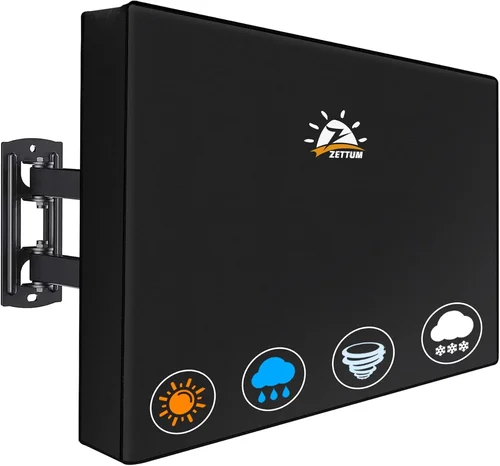
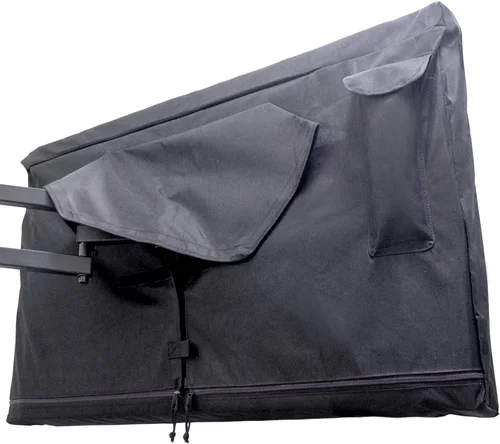
What to do instead: Invest in a purpose-built outdoor TV or use a high-quality weatherproof enclosure designed for your specific model. Never assume an indoor TV will “just work” outside.
❌ Mistake: Ignoring the Operating Temperature Range
Why it’s bad: Even if a TV claims to be “outdoor-rated,” it may not function below freezing. This can lead to frustrating black screens during winter months or costly repairs.
What to do instead: Always check the manufacturer’s specified operating temperature range. Choose a model rated for at least -22°F if you live in a cold climate.
❌ Mistake: Overlooking Brightness Requirements
Why it’s bad: A dim screen will be unwatchable in snowy or sunny conditions, defeating the purpose of having an outdoor TV.
What to do instead: Aim for a minimum of 1,000 nits for shaded areas and 2,000+ nits for full sun. Look for anti-glare coatings and high-contrast panels.
❌ Mistake: Skimping on Mounting Hardware
Why it’s bad: Weak or incompatible mounts can lead to sagging, vibration, or even the TV falling—especially in windy winter conditions.
What to do instead: Use a heavy-duty, weatherproof mount rated for your TV’s weight and size. Consider tilt and swivel options for optimal viewing angles.
❌ Mistake: Neglecting Power and Cable Management
Why it’s bad: Exposed cables can freeze, corrode, or become tripping hazards. Improper wiring may also void your warranty.
What to do instead: Use conduit, cable glands, or in-wall wiring solutions. Ensure your outdoor electrical outlet is GFCI-protected and rated for exterior use.
❌ Mistake: Choosing Based on Price Alone
Why it’s bad: Cheaper models often cut corners on build quality, brightness, and thermal management, leading to premature failure.
What to do instead: Balance budget with long-term value. A $3,000 TV that lasts 10 years is a better investment than a $1,500 model that fails after 2.
Budget Guidelines: How Much Should You Spend?
Entry-Level ($800 – $1,800): This tier includes weatherized indoor TVs with protective covers or basic outdoor models with limited cold-weather features. Expect lower brightness (500–700 nits), minimal thermal management, and shorter warranties. Best for covered patios in mild climates or seasonal use.
Mid-Range ($1,800 – $3,500): The sweet spot for most buyers. These TVs offer full weatherproofing, internal heaters, 1,000+ nits brightness, and smart features. Models like the SunBriteTV Veranda series or Samsung Terrace fall here. Ideal for year-round use in cold climates.
Premium ($3,500 – $6,000): For enthusiasts and those with larger budgets. These include ultra-bright displays (2,000+ nits), advanced anti-glare technology, commercial-grade durability, and extended warranties. Perfect for snowy regions or commercial applications.
Luxury ($6,000+): Top-tier models with custom finishes, 8K resolution, integrated sound systems, and 24/7 operation capability. Often used in high-end resorts, luxury homes, or extreme environments. Overkill for most residential users but unmatched in performance.
Expert Tips for Getting the Best Deal
- Buy in Spring or Early Summer: Many retailers offer discounts on outdoor TVs before the peak outdoor season. Avoid winter purchases unless you find a clearance deal.
- Shop at Specialty Retailers: Stores like Crutchfield, Abt, or Outdoor TV Direct often have better expertise, installation services, and return policies than big-box stores.
- Bundle with Accessories: Look for packages that include mounts, cables, or soundbars. These can save you 10–20% compared to buying separately.
- Check for Rebates: Some manufacturers offer seasonal rebates or trade-in programs. Samsung and SunBriteTV occasionally run promotions.
- Read the Fine Print on Warranties: Ensure the warranty covers outdoor use and isn’t voided by DIY installation.
- Test Before Committing: If possible, visit a showroom to see the TV’s brightness and clarity in person. Online reviews can’t fully capture real-world performance.
- Consider Professional Installation: While more expensive, it ensures proper mounting, wiring, and warranty compliance—especially important in cold climates.

Frequently Asked Questions
Q: Can I use a regular TV outside in winter if it’s under a covered patio?
A: It’s not recommended. Even under cover, temperature fluctuations, humidity, and condensation can damage internal components. A purpose-built outdoor TV is always the safer, longer-lasting choice.
Q: Do outdoor TVs use more electricity in cold weather?
A: Yes, due to the internal heater. Expect a 10–20% increase in power consumption when temperatures drop below 40°F. However, modern models are designed to be energy-efficient, and the heater only activates when needed.
Q: How do I clean my outdoor TV in winter?
A: Use a soft, lint-free cloth and a mild cleaner. Avoid abrasive materials or harsh chemicals. For snow or ice, gently brush it off with a soft brush—never use hot water, as rapid temperature changes can crack the screen.
Q: Can I leave my outdoor TV on during a snowstorm?
A: Yes, most outdoor TVs are designed for continuous operation. However, ensure snow doesn’t accumulate on the screen or block ventilation. Use a weatherproof cover if the TV will be unused for extended periods.
Q: Are outdoor TVs compatible with soundbars?
A: Absolutely. Most models include audio outputs (optical, HDMI ARC, or 3.5mm) for connecting external speakers. Choose a weatherproof soundbar for the best outdoor audio experience.
Q: What’s the difference between IP55 and IP65?
A: IP55 protects against low-pressure water jets and limited dust. IP65 offers the same water resistance but with complete dust protection. For snowy areas, IP65 is preferable.
Q: Can I mount my outdoor TV on a brick or stone wall?
A: Yes, but use appropriate anchors and a heavy-duty mount. Consult a professional if you’re unsure about wall integrity or wiring.
Q: Do outdoor TVs come with remotes that work in the cold?
A: Most include standard IR remotes. For better performance in cold or wet conditions, consider a Bluetooth remote or a smartphone app.
Our Final Recommendations
Best for Budget-Conscious Buyers: Samsung The Terrace Partial Sun – Offers excellent brightness (1,500 nits), smart features, and cold-weather operation down to -4°F at a competitive price.
Best Overall Value: SunBriteTV Veranda Series – Combines rugged durability, 700–1,000 nits brightness, and reliable performance in temperatures as low as -22°F. Ideal for most cold-climate patios.
Best Premium Option: Seura Outdoor TV with Quantum Dot – Delivers stunning 4K HDR visuals, 2,000+ nits brightness, and a sleek design. Perfect for luxury outdoor spaces.
Best for Beginners: Peerless-AV Xtreme Outdoor TV – Easy to install, includes a comprehensive warranty, and offers solid performance for first-time buyers.
Best for Advanced Users: Planar Luxe Outdoor Display – Commercial-grade build, 24/7 operation, and customizable configurations for tech-savvy homeowners or businesses.
Conclusion: Making the Right Choice
Choosing the right patio TV for cold weather isn’t just about picking the shiniest screen or the biggest brand. It’s about understanding your environment, prioritizing durability and performance, and investing in a solution that will deliver years of reliable entertainment. From weather resistance and temperature range to brightness and smart features, every detail matters when the thermometer drops.
Take the time to assess your patio’s exposure, your typical usage patterns, and your long-term goals. Don’t rush into a purchase based on price alone—instead, focus on value, reliability, and suitability for your climate. With the insights from this guide, you’re now equipped to make a confident, informed decision.
Whether you’re watching the snow fall from your heated deck or hosting a holiday movie marathon under string lights, the right outdoor TV will enhance every moment. So go ahead—embrace the cold, upgrade your outdoor living space, and enjoy the magic of entertainment under the open sky. Your perfect patio TV is out there. Now it’s time to find it.

