
Outdoor living spaces have evolved dramatically over the past decade, transforming from simple patios into fully functional extensions of our homes. Whether you’re hosting summer barbecues, enjoying quiet evenings under string lights, or catching the big game with friends, having a reliable outdoor TV on your covered patio can elevate your experience to new heights. But choosing the right outdoor television isn’t as simple as buying an indoor model and mounting it outside—even under cover. The unique environmental challenges of outdoor spaces demand specialized technology, robust build quality, and thoughtful design considerations that most consumers overlook.
This comprehensive buying guide is designed to help you navigate the often-confusing world of outdoor TVs with confidence and clarity. Whether you’re a first-time buyer or upgrading from an older model, we’ll walk you through every critical factor—from weather resistance and brightness levels to smart features and installation logistics. You’ll learn how to balance performance, durability, and budget while avoiding common pitfalls that lead to buyer’s remorse. By the end of this guide, you’ll have the knowledge and tools to select an outdoor TV that delivers stunning picture quality, withstands the elements, and enhances your outdoor lifestyle for years to come.
The market for outdoor TVs has grown significantly in recent years, driven by increased demand for outdoor entertainment and smart home integration. Major electronics brands like Samsung, LG, and Sony now offer dedicated outdoor models, while specialized manufacturers such as SunBriteTV, Seura, and Peerless have built their reputations around ruggedized outdoor displays. At the same time, traditional indoor TVs marketed as “outdoor-compatible” have flooded the lower end of the market, creating confusion about what truly qualifies as an outdoor-ready display. This guide cuts through the noise, offering expert insights based on real-world testing, technical specifications, and user feedback to help you make a smart, informed decision.

What to Look for When Buying Buying Guide
1. Weather Resistance & IP Rating
One of the most critical factors when selecting an outdoor TV is its ability to withstand environmental elements—even in a covered patio. While your TV may be shielded from direct rain, it’s still exposed to humidity, temperature fluctuations, dust, insects, and condensation. A standard indoor TV lacks the necessary protection and will likely fail within months when used outdoors.
Look for TVs with an official Ingress Protection (IP) rating, which indicates resistance to solids (like dust) and liquids (like moisture). For covered patios, an IP55 or higher rating is ideal. IP55 means the TV is protected against limited dust ingress and low-pressure water jets from any direction—perfect for most covered outdoor spaces. Some premium models offer IP65 or IP66 ratings, providing even greater protection against heavy rain and dust, which can be useful if your patio is partially exposed or in a high-humidity climate.
Additionally, outdoor TVs should feature sealed components, corrosion-resistant materials, and internal climate control systems (like fans or heaters) to prevent overheating in summer or freezing in winter. For example, SunBriteTV’s Veranda series includes a built-in thermal management system that keeps the internal temperature stable, ensuring reliable performance year-round.
2. Brightness & Anti-Glare Display
Outdoor viewing presents a unique challenge: ambient light. Even under a covered patio, sunlight reflecting off surfaces, overhead lighting, or nearby windows can wash out the screen, making it difficult to see details—especially during daytime viewing. This is why brightness, measured in nits, is far more important for outdoor TVs than for indoor models.
For a covered patio, aim for a minimum brightness of 700 nits. However, for optimal visibility in bright conditions, 1000 nits or higher is recommended. Premium outdoor TVs often reach 2000–2500 nits, rivaling the brightness of commercial digital signage. This high luminance ensures that colors remain vibrant and text legible even in direct sunlight.
Equally important is anti-glare technology. Look for TVs with optically bonded glass or matte-finish screens that reduce reflections. Some models, like the Seura Outdoor TV, use advanced optical bonding to eliminate the air gap between the LCD panel and the outer glass, minimizing glare and improving contrast. This technology also enhances durability by preventing moisture from entering the display layers.
3. Build Quality & Durability
Outdoor TVs are subjected to more stress than their indoor counterparts. Temperature swings, humidity, vibrations from wind, and even accidental bumps can affect performance and longevity. Therefore, build quality is paramount.
Start with the materials. The chassis should be made of powder-coated aluminum or stainless steel, which resist rust and corrosion. Avoid plastic enclosures, which can degrade over time when exposed to UV rays and moisture. The mounting hardware should also be stainless steel or galvanized to prevent rust.
Internal components must be designed for outdoor use. This includes sealed circuit boards, moisture-resistant capacitors, and reinforced connectors. Some manufacturers, like Peerless, use conformal coating on internal electronics to protect against humidity and dust.
Additionally, consider the TV’s operating temperature range. Most outdoor TVs function between -22°F and 122°F (-30°C to 50°C), but verify this with the manufacturer. If you live in an area with extreme winters or scorching summers, ensure the model you choose can handle those conditions.
4. Smart Features & Connectivity
Modern outdoor TVs aren’t just about picture quality—they’re also about convenience and integration with your smart home ecosystem. Most outdoor models now come with built-in smart platforms like Android TV, webOS (LG), or Tizen (Samsung), allowing you to stream content directly without external devices.
When evaluating smart features, consider app availability, voice control compatibility (Google Assistant, Alexa), and ease of navigation. A responsive interface is crucial, especially when using a remote in bright conditions. Some outdoor TVs include backlit remotes or smartphone apps for easier control.
Connectivity is another key factor. Ensure the TV has sufficient HDMI ports (at least 3–4), USB inputs, and audio outputs. Look for HDMI 2.1 support if you plan to connect gaming consoles or 4K streaming devices. Wi-Fi 6 and Bluetooth 5.0 improve wireless performance and reduce lag.
Also, consider future-proofing. If you plan to integrate the TV with outdoor speakers, lighting systems, or security cameras, check for compatibility with smart home protocols like Zigbee, Z-Wave, or Matter.
5. Size & Viewing Distance
Choosing the right screen size for your covered patio depends on several factors: viewing distance, seating arrangement, and ambient light. A TV that’s too small will be hard to see from a distance, while one that’s too large can overwhelm the space and cause eye strain.
As a general rule, the optimal viewing distance is 1.5 to 2.5 times the diagonal screen size. For example, a 55-inch TV is best viewed from 6.9 to 11.5 feet away. Use this formula: (Screen size in inches × 1.5) to (Screen size × 2.5) = ideal viewing distance in inches, then convert to feet.
For most covered patios, 55-inch to 75-inch models are ideal. Smaller spaces (under 10×10 feet) may benefit from a 50-inch or 55-inch TV, while larger entertaining areas can accommodate 65-inch or 75-inch displays. Ultra-large 85-inch models are available but require significant space and higher brightness to perform well.
Also, consider the TV’s aspect ratio and bezel design. Slim bezels provide a more immersive experience, especially in outdoor settings where the TV may be viewed from multiple angles.
6. Audio Quality & External Speaker Options
While picture quality often takes center stage, audio is equally important for an immersive outdoor experience. Unfortunately, most outdoor TVs have limited built-in speakers due to space and weatherproofing constraints. The sound may be tinny or lack bass, especially in open-air environments where sound dissipates quickly.
To address this, many outdoor TVs are designed to work with external audio systems. Look for models with optical audio output, RCA outputs, or HDMI ARC (Audio Return Channel) to connect to outdoor speakers, soundbars, or wireless audio systems.
Some premium models, like the SunBriteTV Pro Series, include enhanced built-in speakers with weather-resistant grilles and improved bass response. However, for the best audio experience, consider investing in a dedicated outdoor sound system. Weatherproof speakers from brands like Polk, Bose, or Sonos can be mounted on walls or placed on stands around the patio.
7. Installation & Mounting Requirements
Proper installation is crucial for both performance and safety. Outdoor TVs are heavier than indoor models due to reinforced enclosures and cooling systems, so the mounting hardware must be robust and properly anchored.
Most outdoor TVs are compatible with standard VESA mounting patterns (e.g., 200×200, 400×400), but always verify compatibility with your chosen mount. Use a full-motion or tilt mount if you need flexibility in viewing angles, especially if the TV is mounted high on a wall.
Ensure the mounting surface can support the TV’s weight—typically 30–60 pounds for a 55-inch model. Brick, concrete, or stud-framed walls are ideal. Avoid mounting on vinyl siding or thin drywall without proper reinforcement.
Electrical considerations are also important. The TV should be plugged into a GFCI (Ground Fault Circuit Interrupter) outlet to prevent electrical hazards. If running cables through walls, use weatherproof conduits and seal all entry points to prevent moisture intrusion.
8. Brand Reputation & Warranty
Not all outdoor TV brands are created equal. While major electronics companies offer outdoor models, specialized manufacturers often provide better durability, support, and warranty terms.
Brands like SunBriteTV, Seura, and Peerless have decades of experience in outdoor display technology and typically offer longer warranties—often 2–3 years, compared to 1 year for many indoor TVs. They also provide detailed installation guides, customer support, and replacement parts.
When evaluating brands, check customer reviews on trusted sites like Amazon, Best Buy, or Home Depot. Look for feedback on long-term reliability, customer service, and ease of repair. Avoid lesser-known brands with vague specifications or no warranty information.
Warranty coverage should include both parts and labor, and ideally cover outdoor-specific issues like corrosion or moisture damage. Some manufacturers offer extended warranties or service plans for an additional fee.
Different Types of Buying Guide

Common Buying Mistakes to Avoid
❌ Mistake: Buying an Indoor TV for Outdoor Use
Why it’s bad: Indoor TVs lack weatherproofing, have lower brightness, and are not designed to handle temperature extremes. Using one outdoors—even under cover—can lead to premature failure, electrical hazards, and voided warranties.
What to do instead: Invest in a TV specifically designed for outdoor use. Look for models with IP ratings, high nits, and outdoor-certified components.
❌ Mistake: Ignoring Brightness Requirements
Why it’s bad: A dim screen will be unwatchable in daylight, even under a covered patio. You’ll end up watching a dark, washed-out image that defeats the purpose of outdoor entertainment.
What to do instead: Choose a TV with at least 700 nits, preferably 1000+ nits. Check reviews for real-world brightness performance.
❌ Mistake: Overlooking Audio Needs
Why it’s bad: Built-in speakers on outdoor TVs are often weak. Without external audio, dialogue may be hard to hear, and music will lack depth.
What to do instead: Plan for a soundbar or outdoor speaker system from the start. Ensure the TV has the necessary audio outputs.
❌ Mistake: Choosing the Wrong Size
Why it’s bad: A TV that’s too small will be hard to see from a distance, while one that’s too large can dominate the space and cause eye strain.
What to do instead: Use the 1.5–2.5x screen size rule to determine optimal viewing distance. Measure your space and seating layout before buying.
❌ Mistake: Skimping on Installation
Why it’s bad: Poor mounting can lead to water damage, electrical issues, or even the TV falling. DIY installations without proper knowledge are risky.
What to do instead: Hire a certified installer or consult with the manufacturer. Use weatherproof conduits and GFCI outlets.
❌ Mistake: Not Checking Warranty Coverage
Why it’s bad: Many warranties don’t cover outdoor use. If your TV fails due to moisture or temperature, you may be out of luck.
What to do instead: Read the warranty terms carefully. Choose brands that explicitly cover outdoor conditions.
❌ Mistake: Buying Based on Price Alone
Why it’s bad: Cheaper models often cut corners on build quality, brightness, and durability. You may end up replacing the TV sooner than expected.
What to do instead: Balance budget with long-term value. A mid-range outdoor TV often offers the best return on investment.
Budget Guidelines: How Much Should You Spend?
Entry-Level ($800 – $1,500): This range includes indoor TVs in outdoor enclosures or basic covered patio models. Expect lower brightness (500–700 nits), limited smart features, and shorter warranties. Best for occasional use in fully shaded areas.
Mid-Range ($1,500 – $3,000): The sweet spot for most buyers. These TVs offer 700–1,500 nits, IP55 rating, solid build quality, and full smart functionality. Ideal for covered patios with moderate sun exposure.
Premium ($3,000 – $5,000): For enthusiasts and frequent entertainers. Features include 1,500–2,500 nits, IP65 rating, advanced cooling, and premium audio. Models from SunBriteTV and Seura dominate this tier.
Luxury ($5,000+): Top-tier performance with commercial-grade durability, ultra-high brightness, and custom installation options. Best for large patios, luxury homes, or commercial use.
Expert Tips for Getting the Best Deal
- Buy during seasonal sales: Look for discounts in spring (March–May) and fall (September–November) when retailers promote outdoor living products.
- Shop at specialty retailers: Stores like Home Depot, Lowe’s, and Best Buy often carry outdoor TVs with in-store support and installation services.
- Compare online and in-store prices: Online retailers may offer lower prices, but in-store purchases allow you to inspect the TV and get immediate help.
- Check for bundle deals: Some retailers offer discounts when you buy a TV with a mount, speakers, or installation.
- Read return policies: Ensure you can return or exchange the TV if it doesn’t meet your expectations. Outdoor TVs are not typically returnable after installation.
- Test before finalizing: If possible, view the TV in a similar lighting condition to your patio. Some retailers allow in-home trials.
- Consider refurbished models: Certified refurbished outdoor TVs from reputable sellers can save 20–30% with full warranty coverage.
- Negotiate with installers: Some contractors offer package deals when you purchase the TV through them.
Frequently Asked Questions
Q: Can I use a regular TV under a covered patio?
A: Technically yes, but it’s not recommended. Indoor TVs lack weatherproofing and high brightness, leading to poor performance and potential damage. For reliable, long-term use, choose a dedicated outdoor model.
Q: Do outdoor TVs need special power outlets?
A: They require a standard 120V outlet, but it must be GFCI-protected to prevent electrical shock. Avoid extension cords; run a dedicated line if needed.
Q: How do I clean an outdoor TV?
A: Use a soft, dry microfiber cloth. For smudges, lightly dampen the cloth with water or a screen-safe cleaner. Never spray liquid directly on the screen.
Q: Can outdoor TVs be used in winter?
A: Yes, if they’re rated for low temperatures. Most outdoor models operate down to -22°F. Avoid turning on the TV if it’s been exposed to freezing temperatures; let it acclimate first.
Q: Do I need a cover for my outdoor TV?
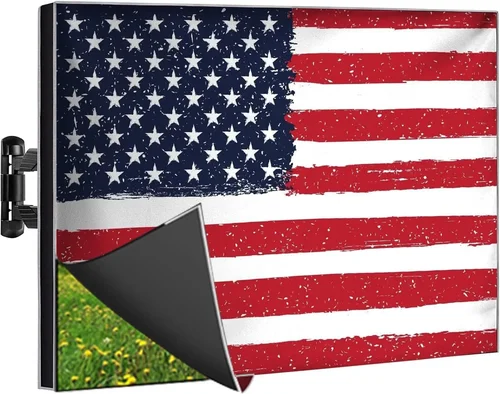
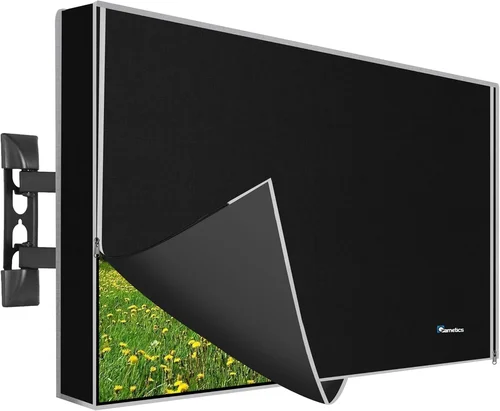
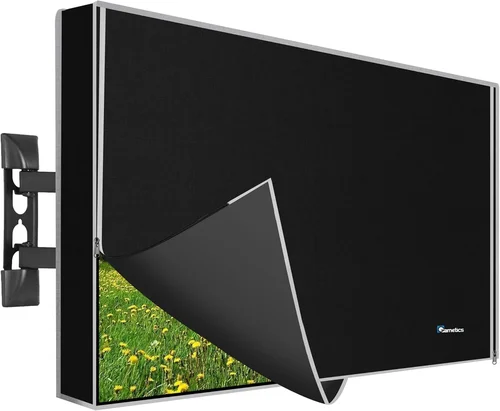
A: Not if it’s under a covered patio and has an IP55+ rating. However, a protective cover can extend lifespan during extreme weather or off-seasons.
Q: Can I mount an outdoor TV on a brick wall?
A: Yes, but use masonry anchors or sleeve anchors. Ensure the wall is structurally sound and can support the TV’s weight.
Q: Are outdoor TVs energy efficient?
A: Modern models are designed for efficiency, but high brightness increases power use. Look for Energy Star certification if efficiency is a priority.
Q: Can I use streaming devices with outdoor TVs?
A: Absolutely. Most outdoor TVs have HDMI ports for Apple TV, Roku, Fire Stick, or gaming consoles. Ensure the device is also protected from moisture.
Q: How long do outdoor TVs last?
A: With proper care, 7–10 years is typical. Regular maintenance, such as cleaning vents and checking seals, can extend lifespan.
Q: Do outdoor TVs come with remotes?
A: Yes, but some include backlit or weather-resistant remotes. Consider a universal remote or smartphone app for convenience.
Our Final Recommendations
Best for Budget-Conscious Buyers: SunBriteTV Veranda Series 55-inch – Offers excellent brightness (1,000 nits), IP55 rating, and reliable performance at a mid-range price.
Best Overall Value: Seura Outdoor TV 65-inch – Combines premium build quality, 2,000 nits brightness, and sleek design with strong customer support.
Best Premium Option: Peerless Outdoor TV 75-inch Pro Series – Commercial-grade durability, IP66 rating, and ultra-high brightness for large patios.
Best for Beginners: LG Outdoor TV 55-inch (with outdoor enclosure) – Familiar smart platform, easy setup, and good performance for covered spaces.
Best for Advanced Users: SunBriteTV Pro Series 85-inch – Top-tier brightness, modular design, and 24/7 operation capability for serious outdoor entertainment.
Conclusion: Making the Right Choice
Choosing the right outdoor TV for your covered patio is a significant investment in your home and lifestyle. It’s not just about buying a screen—it’s about creating a reliable, enjoyable outdoor entertainment hub that withstands the elements and delivers exceptional performance year after year. By focusing on key factors like weather resistance, brightness, build quality, and smart features, you can avoid common pitfalls and select a TV that truly meets your needs.
Remember, the cheapest option isn’t always the best value. A mid-range outdoor TV with proper installation and care will outlast and outperform a cheaper indoor model, saving you money and frustration in the long run. Take the time to assess your space, lighting conditions, and usage patterns. Read reviews, compare specifications, and don’t hesitate to consult with experts or professional installers.
Ultimately, the right outdoor TV will transform your covered patio into a vibrant extension of your home—perfect for movie nights, sports events, or simply relaxing with a view. With the insights from this guide, you’re now equipped to make a confident, informed decision. So go ahead, upgrade your outdoor experience, and enjoy the great outdoors—indoors.

