
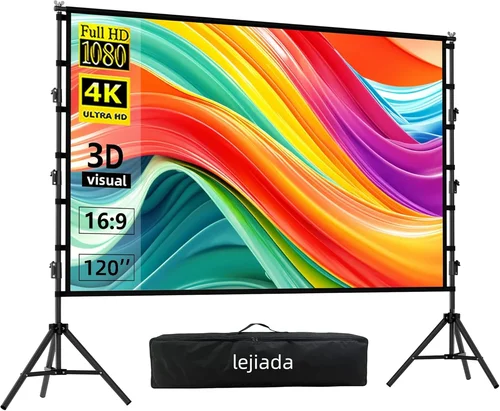
Outdoor movie nights have evolved from simple backyard gatherings with a projector and bedsheet into immersive, high-quality entertainment experiences. Whether you’re hosting family under the stars, throwing a summer block party, or simply unwinding with a favorite film after sunset, having the right outdoor TV can make all the difference. But choosing the perfect screen for your patio, deck, or garden isn’t as simple as buying a regular indoor television. Outdoor TVs must withstand the elements, deliver bright and clear visuals in daylight or ambient light, and often come with specialized features to enhance durability and usability.
This comprehensive buying guide is designed to help you navigate the growing market of outdoor TVs in 2026. Whether you’re a first-time buyer or upgrading from an older model, we’ll walk you through every critical decision point—from understanding key performance specs to avoiding common pitfalls. You’ll learn how to balance budget, durability, image quality, and smart functionality to find a TV that fits your space, lifestyle, and viewing habits. By the end of this guide, you’ll be equipped with expert-level knowledge to make a confident, informed purchase.
The outdoor TV market has matured significantly over the past few years. What was once a niche category dominated by a handful of ruggedized models has now expanded to include a wide range of options—from budget-friendly weatherproof displays to premium 4K HDR screens with built-in streaming and voice control. Brands like SunBriteTV, Samsung, LG, and newer entrants like Seura and Peerless have pushed innovation in brightness, anti-glare coatings, temperature resilience, and smart integration. With so many choices, it’s easy to feel overwhelmed. That’s why this guide breaks down everything you need to know, so you can invest wisely and enjoy countless movie nights under the open sky.

What to Look for When Buying Buying Guide
1. Brightness & Display Performance
When it comes to outdoor TVs, brightness isn’t just a nice-to-have—it’s essential. Unlike indoor TVs, which operate in controlled lighting, outdoor screens must compete with sunlight, porch lights, and ambient glow from nearby windows or landscape lighting. The standard measure for brightness is nits (or cd/m²), and for outdoor use, you’ll want a minimum of 700 nits, with 1000+ nits being ideal for full daylight viewing.
Look for TVs with high peak brightness and anti-reflective or anti-glare coatings. These coatings reduce the mirror-like effect that can make screens hard to see when the sun hits them at an angle. Additionally, consider whether the TV supports HDR (High Dynamic Range). While not all outdoor content is mastered in HDR, having HDR10 or Dolby Vision support ensures richer colors and better contrast when available.
Another key factor is viewing angle. Many outdoor setups involve people sitting at various angles—on lounge chairs, benches, or even the ground. A TV with wide viewing angles (ideally 178 degrees) ensures consistent color and contrast no matter where someone is seated.
2. Weather Resistance & Durability
Outdoor TVs must endure rain, snow, dust, humidity, and temperature swings—sometimes all in the same week. That’s why weather resistance is non-negotiable. Look for TVs with an IP (Ingress Protection) rating. For outdoor use, an IP55 or higher rating is recommended. IP55 means the TV is protected against low-pressure water jets from any direction and limited dust ingress. Some premium models go up to IP65, offering full dust protection and resistance to water jets.
Beyond the IP rating, consider the internal cooling and heating systems. Extreme cold can cause condensation inside the TV, while high heat can damage internal components. Top-tier outdoor TVs include built-in thermal management—fans for cooling in summer and heaters for winter operation. These systems ensure the TV operates safely between -22°F and 122°F (-30°C to 50°C), which is crucial if you live in a region with harsh winters or scorching summers.
Also, check the materials used in the chassis. Aluminum or powder-coated steel enclosures resist rust and corrosion better than plastic. Avoid TVs with exposed vents or unsealed ports, as these can allow moisture and insects to enter.
3. Screen Size & Viewing Distance
Choosing the right screen size depends on your outdoor space and typical seating arrangement. A TV that’s too small will strain viewers’ eyes, while one that’s too large can overwhelm the area and look out of place.
As a general rule, multiply your ideal viewing distance (in inches) by 0.84 to get the recommended screen diagonal in inches. For example, if your seating is 10 feet (120 inches) away, a 100-inch screen (120 × 0.84 ≈ 101) would be ideal. However, outdoor environments often have more ambient light and less control over seating, so err on the larger side if possible.
Common outdoor TV sizes range from 43 inches to 85 inches. For small patios or balconies, a 43- to 55-inch model works well. For larger backyards or pool decks, consider 65 inches or more. Keep in mind that larger screens require more power and may need professional mounting, especially if wall-mounted under a pergola or awning.
4. Smart Features & Connectivity
Most modern outdoor TVs come with smart platforms, but the quality and usability vary widely. Look for models with intuitive interfaces like Android TV, webOS (LG), or Tizen (Samsung). These platforms offer access to streaming apps like Netflix, Disney+, Hulu, and YouTube, so you don’t need an external streaming device.
Check the availability of voice control via Google Assistant or Amazon Alexa. This is especially useful outdoors, where remotes can get lost or wet. Some TVs even include built-in microphones for hands-free commands.
Connectivity is another key area. Ensure the TV has multiple HDMI ports (at least 3), USB ports for media playback, and Ethernet for stable internet. Wi-Fi 6 support is a plus for faster, more reliable streaming. If you plan to connect a soundbar, gaming console, or Blu-ray player, confirm compatibility and port availability.
Also, consider whether the TV supports wireless screen mirroring (Miracast, AirPlay 2) for casting content from smartphones or tablets. This is great for sharing vacation photos or playing mobile games on the big screen.
5. Audio Quality & Sound Solutions
Outdoor environments are noisy—wind, birds, traffic, and chatter can drown out TV audio. Most outdoor TVs have built-in speakers, but they’re often underpowered and lack bass. While some models include enhanced audio systems, you’ll likely need external speakers for a true cinematic experience.
Look for TVs with audio output options: optical (TOSLINK), HDMI ARC, or 3.5mm aux. These allow you to connect a soundbar, outdoor speaker system, or wireless audio transmitter. For immersive sound, consider a 2.1 or 5.1 surround setup with weather-resistant speakers placed around the seating area.
Some premium outdoor TVs come with built-in subwoofers or partnerships with audio brands (e.g., JBL or Bose) for enhanced sound. However, even these may struggle in open spaces. A separate audio system is almost always recommended.
6. Installation & Mounting Options
How and where you install your outdoor TV affects both performance and longevity. Wall mounting is the most common method, but you’ll need a sturdy, weatherproof mount rated for outdoor use. Look for mounts with tilt, swivel, and full-motion capabilities to adjust the screen angle based on sun position and seating.
Ceiling mounts are ideal for pergolas or covered patios, while freestanding stands work well on decks or near pools. Ensure the stand is heavy and stable to prevent tipping in windy conditions.
Cable management is crucial. Use waterproof conduit or cable raceways to protect HDMI, power, and Ethernet cables from moisture and UV damage. Some TVs include built-in cable channels or rear covers to hide wires.
Professional installation is recommended for larger TVs (65+ inches) or complex setups. Many retailers offer installation services, and it’s worth the cost to ensure safety and optimal placement.
7. Brand Reputation & Reliability
Not all outdoor TVs are created equal. Stick with reputable brands known for durability and customer support. SunBriteTV has been a leader in the outdoor TV space for over a decade, offering rugged, purpose-built models. Samsung and LG have entered the market with weather-resistant versions of their indoor TVs, often at lower prices but with some compromises in durability.
Research brand warranties and service networks. A good outdoor TV should come with at least a 2-year warranty, with some brands offering 3–5 years. Check if the company provides on-site repair or replacement services, especially if you live in a remote area.
Read customer reviews on trusted platforms like Amazon, Best Buy, or specialized outdoor tech forums. Pay attention to long-term feedback—how the TV performs after 1–2 years of outdoor use.
8. Warranty & Support
Outdoor TVs are a significant investment, so robust warranty and support are essential. Look for comprehensive coverage that includes both parts and labor, and confirm whether the warranty applies to outdoor use. Some manufacturers void warranties if the TV is installed in direct sunlight or unprotected areas.
Check the return policy—most retailers allow 14–30 days for returns, but outdoor TVs may have restocking fees or require professional uninstallation. Ensure you can test the TV in your environment before committing.
Customer support responsiveness matters. Can you reach a human quickly? Is there a dedicated outdoor TV support line? Brands with strong service reputations (like SunBriteTV) often provide better long-term value.
Different Types of Buying Guide

Common Buying Mistakes to Avoid
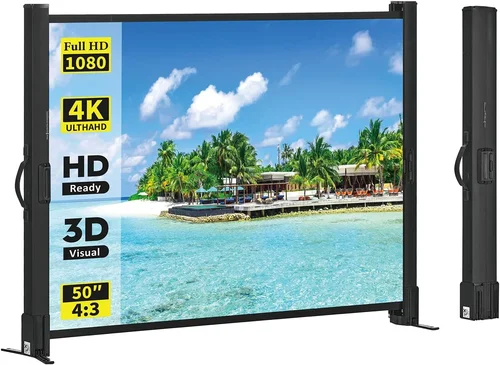
❌ Mistake: Buying a Regular Indoor TV for Outdoor Use
Why it’s bad: Indoor TVs lack weatherproofing, brightness, and thermal protection. Even under cover, moisture, temperature changes, and UV exposure can cause premature failure. The internal components are not sealed, and the screen may fog or degrade over time.
What to do instead: Invest in a TV specifically designed for outdoor use or use a weatherproof enclosure if you must repurpose an indoor model. Always check the manufacturer’s guidelines—most void warranties for outdoor installation.
❌ Mistake: Ignoring Brightness Requirements
Why it’s bad: A dim screen will look washed out in daylight or even under evening ambient light. You’ll struggle to see details, and colors will appear dull, ruining the movie experience.
What to do instead: Prioritize brightness (1000+ nits) over resolution. A bright 1080p screen will outperform a dim 4K TV outdoors. Test the TV during the time of day you’ll most often use it.
❌ Mistake: Overlooking Audio Needs
Why it’s bad: Built-in speakers on outdoor TVs are often weak and lack bass. In open spaces, sound dissipates quickly, making dialogue hard to hear.
What to do instead: Plan for external audio from the start. Invest in weather-resistant speakers or a soundbar with outdoor compatibility. Consider wireless options to reduce cable clutter.
❌ Mistake: Poor Placement or Mounting
Why it’s bad: Mounting a TV in direct sunlight or without proper tilt can cause glare, overheating, or water pooling on the screen. Unstable mounts risk tipping in wind.
What to do instead: Choose a shaded or covered location. Use a full-motion mount to adjust angle based on sun position. Ensure the mount is rated for outdoor use and properly anchored.
❌ Mistake: Skipping Cable Protection
Why it’s bad: Exposed cables can degrade from UV exposure, moisture, and pests. Loose wires are also tripping hazards and can disconnect during storms.
What to do instead: Use waterproof conduit, cable raceways, or in-wall wiring (if permitted). Label cables and secure them with zip ties or clips.
❌ Mistake: Not Considering Power Supply
Why it’s bad: Outdoor outlets may not be GFCI-protected, increasing shock risk. Long extension cords can cause voltage drop or overheating.
What to do instead: Install a dedicated outdoor GFCI outlet near the TV. Use heavy-duty, outdoor-rated extension cords if needed, and avoid daisy-chaining multiple cords.
❌ Mistake: Forgetting About Maintenance
Why it’s bad: Dust, pollen, and bird droppings can accumulate on the screen and vents, reducing performance and potentially causing damage.
What to do instead: Clean the screen monthly with a microfiber cloth and mild cleaner. Check vents and ports for debris. Cover the TV during off-seasons if possible.
Budget Guidelines: How Much Should You Spend?
Entry-Level ($500 – $1,000): These are typically portable TVs or indoor models in basic enclosures. Best for covered patios with minimal weather exposure. Expect lower brightness (500–700 nits), limited smart features, and shorter lifespans. Ideal for occasional use or temporary setups.
Mid-Range ($1,000 – $2,500): This is the sweet spot for most homeowners. You’ll find partial-shade outdoor TVs with 700–1000 nits brightness, basic weather resistance (IP54), and decent smart platforms. Brands like Samsung The Terrace and LG OLED Flex offer good value here. Suitable for pergolas, screened porches, or areas with partial cover.
Premium ($2,500 – $5,000): For enthusiasts and serious outdoor entertainers. These TVs are fully weatherproof (IP55+), include thermal management, high brightness (1000+ nits), and advanced features like HDR, voice control, and premium audio. SunBriteTV Veranda and Samsung’s full outdoor line fall here. Built to last 5–10 years with proper care.
Luxury ($5,000+): Top-tier models with commercial-grade durability, 4K HDR, ultra-bright displays (1500+ nits), and custom installation support. Often used in high-end homes, hotels, or public venues. Expect full sealing, vandal resistance, and 24/7 operation capability. Brands like Peerless and Planar lead this category.
Expert Tips for Getting the Best Deal
1. Buy During Off-Season: Outdoor TVs see peak demand in spring and summer. Shop in late fall or winter (October–February) for discounts of 15–30%. Retailers clear inventory to make room for new models.
2. Compare Retailers: Check prices at Best Buy, Costco, Amazon, and specialty outdoor tech stores. Some retailers offer price matching or bundle deals (e.g., TV + mount + installation).
3. Look for Refurbished Models: Certified refurbished outdoor TVs from reputable sellers can save you 20–40%. Ensure they come with a warranty and have been tested for outdoor use.
4. Negotiate Installation: If buying from a local dealer, ask for free or discounted installation. Many will include it to close the sale.
5. Check for Rebates: Some manufacturers offer mail-in rebates or trade-in programs. SunBriteTV, for example, occasionally runs promotions for older model trade-ins.
6. Read the Fine Print on Warranties: Confirm what’s covered (e.g., screen burn-in, thermal damage) and whether outdoor use is explicitly included. Avoid extended warranties unless they add real value.
7. Test Before Finalizing: If possible, visit a showroom or borrow a friend’s setup to test brightness, sound, and ease of use in your lighting conditions.
8. Consider Total Cost of Ownership: Factor in installation, mounts, cables, audio, and potential repairs. A cheaper TV may cost more long-term if it fails prematurely.
Frequently Asked Questions
Q: Can I use a regular TV outside if it’s under cover?
A: Technically yes, but it’s not recommended. Even under cover, humidity, temperature swings, and dust can damage internal components. Most indoor TVs lack the brightness and sealing needed for reliable outdoor performance. If you must, use a high-quality weatherproof enclosure and avoid direct sun exposure.
Q: Do outdoor TVs need to be plugged in, or can they run on battery?
A: Most outdoor TVs require a constant power source. Portable models may have battery options, but they’re typically limited to 2–4 hours of use and are best for camping or short events. For permanent setups, hardwired power is essential.
Q: How do I protect my outdoor TV from theft?
A: Use a lockable mount, install the TV in a visible but secure location, and consider a security camera. Some mounts include tamper-resistant screws. For high-risk areas, removable TVs or hidden storage may be necessary.
Q: Can I leave my outdoor TV on all night?
A: It depends on the model. Commercial-grade TVs are designed for 24/7 operation. Consumer outdoor TVs can usually handle overnight use, but prolonged operation in extreme temperatures may reduce lifespan. Use a timer or smart plug to automate power.
Q: What’s the difference between partial-shade and all-weather TVs?
A: Partial-shade TVs are designed for covered areas with minimal direct exposure to rain and sun. They’re less expensive but may not have full sealing or thermal management. All-weather TVs are built for full exposure and include enhanced protection, higher brightness, and internal climate control.
Q: Do outdoor TVs support 4K and HDR?
A: Yes, many premium outdoor TVs offer 4K resolution and HDR support. However, brightness and anti-glare performance are more critical outdoors than resolution. A bright 1080p screen often looks better than a dim 4K one in daylight.
Q: How often should I clean my outdoor TV?
A: Clean the screen every 2–4 weeks, or more often in dusty or pollen-heavy areas. Use a microfiber cloth and avoid harsh chemicals. Check vents and ports monthly for debris.
Q: Can I connect a gaming console to an outdoor TV?
A: Absolutely. Most outdoor TVs have HDMI ports compatible with PlayStation, Xbox, or Nintendo Switch. Ensure the TV supports low input lag for gaming and has sufficient brightness for daytime play.
Q: What happens if my outdoor TV gets rained on?
A: If it’s a true outdoor model with an IP55+ rating, it should be fine. Water may bead up and roll off the screen. Avoid wiping it while wet—let it dry naturally. If water enters the unit, power it off immediately and contact support.
Q: Are outdoor TVs energy efficient?
A: Modern outdoor TVs use LED backlighting and efficient processors, but high brightness increases power consumption. Look for ENERGY STAR ratings if efficiency is a concern. Use a smart plug to turn off the TV when not in use.
Our Final Recommendations
Best for Budget-Conscious Buyers: Samsung The Terrace Partial Shade – At around $1,200 for a 55-inch model, it offers excellent brightness (700 nits), smart features, and solid build quality for covered areas. Great value for the price.
Best Overall Value: SunBriteTV Veranda Series – Priced between $2,000–$3,500, these TVs are purpose-built for outdoor use with IP55 rating, 1000+ nits brightness, and reliable performance. Ideal for most backyard setups.
Best Premium Option: SunBriteTV Pro Series – With 1500+ nits, full thermal management, and commercial-grade durability, this is the top choice for extreme conditions and professional installations. Expect to pay $4,000+.
Best for Beginners: LG OLED Flex (Outdoor Edition) – Combines stunning picture quality with user-friendly webOS and decent weather resistance. Perfect for those new to outdoor entertainment who want a familiar interface.
Best for Advanced Users: Peerless Paramount Outdoor Display – A commercial-grade powerhouse with customizable mounting, 24/7 operation, and vandal resistance. Ideal for tech-savvy users or public installations.
Conclusion: Making the Right Choice
Choosing the right outdoor TV for your backyard movie nights is about more than just picture quality—it’s about creating a reliable, enjoyable, and long-lasting entertainment experience. From brightness and weather resistance to smart features and audio, every detail matters when you’re watching under the open sky. By understanding your environment, prioritizing key specs, and avoiding common pitfalls, you can find a TV that delivers stunning visuals season after season.
Remember, the best outdoor TV is the one that fits your space, budget, and viewing habits. Don’t overspend on features you won’t use, but don’t cut corners on durability and brightness. Take your time, compare options, and consider the total cost of ownership. With the right setup, your backyard can become the ultimate destination for family fun, date nights, and summer blockbusters.
Now that you’re armed with expert knowledge, it’s time to make your purchase. Whether you’re upgrading from a projector or setting up your first outdoor screen, invest wisely—and get ready to enjoy countless movie nights under the stars.

