
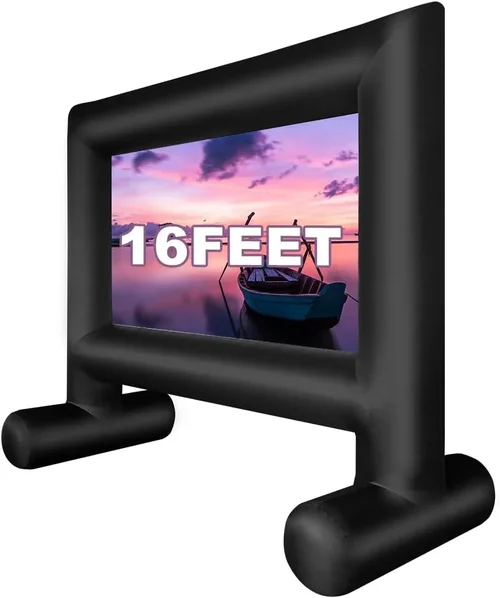
Outdoor living spaces have evolved dramatically over the past decade, and the screened porch has become one of the most cherished areas of the modern home. No longer just a transitional space between indoors and out, today’s screened porches serve as year-round entertainment hubs—ideal for watching the big game, streaming movies under the stars, or catching up on your favorite shows while enjoying a gentle breeze. But to truly elevate this experience, you need more than just a standard indoor TV shoved into a corner. You need an outdoor TV specifically designed to withstand the elements, deliver exceptional picture quality in varying light conditions, and integrate seamlessly into your outdoor aesthetic.
That’s where this comprehensive buying guide comes in. Whether you’re a weekend warrior looking to upgrade your backyard setup or a homeowner investing in long-term outdoor comfort, choosing the right outdoor TV for your screened porch is no small decision. With so many options on the market—from fully weatherproof models to semi-outdoor displays—it’s easy to feel overwhelmed. This guide cuts through the noise, offering expert insights, practical advice, and real-world recommendations to help you make a confident, informed purchase. We’ll walk you through everything from key performance specs and build quality to budget considerations and common pitfalls, ensuring you get the best value for your investment.
The outdoor TV market has matured significantly in recent years, with manufacturers now offering a range of solutions tailored to different environments and use cases. While fully sealed, all-weather outdoor TVs dominate the premium segment, there’s also a growing category of “partial outdoor” or “sheltered outdoor” models designed specifically for covered areas like screened porches. These units strike a balance between durability and affordability, making them ideal for homeowners who want reliable performance without breaking the bank. As we move through 2026, advancements in display technology—such as brighter panels, anti-glare coatings, and improved weather resistance—are making outdoor viewing more enjoyable than ever. By the end of this guide, you’ll know exactly what to look for, how to avoid costly mistakes, and which models deliver the best bang for your buck.

What to Look for When Buying Buying Guide
1. Weather Resistance & Environmental Rating
Even though your TV will be installed under a screened porch, it’s still exposed to humidity, temperature fluctuations, dust, and occasional moisture—especially if your screens aren’t fully sealed or if you live in a region with high rainfall or coastal air. That’s why weather resistance is arguably the most critical factor when selecting an outdoor TV. Look for models with an IP (Ingress Protection) rating, which indicates how well the unit resists dust and water. For screened porches, an IP55 rating is typically sufficient—this means the TV is protected against limited dust ingress and low-pressure water jets from any direction. However, if your porch is partially open or prone to wind-driven rain, consider stepping up to IP65 for added peace of mind.
Beyond the IP rating, pay attention to the internal components. True outdoor TVs are built with sealed cooling systems (often fanless), corrosion-resistant materials, and conformal coatings on circuit boards to prevent damage from moisture and salt air. Indoor TVs, even when placed in a covered area, lack these protections and can fail prematurely due to condensation buildup or rust. Additionally, check the operating temperature range—most outdoor models function reliably between -22°F and 122°F (-30°C to 50°C), which covers nearly all U.S. climates.
2. Brightness & Anti-Glare Performance
One of the biggest challenges of outdoor viewing is ambient light. Even on a cloudy day, natural daylight can wash out the image on a standard TV screen. This is why brightness—measured in nits—is crucial. For a screened porch, aim for a minimum of 700 nits, but ideally 1,000 nits or higher for optimal visibility during daytime hours. Some premium models now boast 2,000+ nits, rivaling commercial-grade displays used in stadiums and public venues.
Equally important is anti-glare technology. Look for TVs with matte or anti-reflective coatings that diffuse sunlight rather than reflecting it directly into your eyes. OLED panels, while stunning indoors, often struggle outdoors due to their lower peak brightness and glossy finishes. Instead, LED-LCD panels with high dynamic range (HDR) support and local dimming tend to perform better in bright environments. Also consider the screen’s viewing angle—wide-angle panels ensure consistent color and contrast even when viewers are seated off-center, which is common in outdoor seating arrangements.
3. Build Quality & Durability
An outdoor TV isn’t just about surviving the weather—it’s about lasting for years without degradation. Start by examining the chassis material. High-quality outdoor TVs use powder-coated aluminum or stainless steel frames that resist rust and UV damage. Avoid plastic housings, which can become brittle and discolored over time when exposed to sunlight. The mounting hardware should also be corrosion-resistant; many manufacturers include stainless steel brackets and bolts specifically designed for outdoor use.
Internal durability matters too. Look for TVs with solid-state components, sealed connectors, and robust thermal management. Fanless designs are preferable because they eliminate moving parts that can fail or accumulate dust. Additionally, check whether the TV is designed for permanent installation—some models include reinforced VESA mounts and cable management systems to keep wiring tidy and protected. A well-built outdoor TV should feel substantial and well-engineered, not flimsy or hastily assembled.
4. Smart Features & Connectivity
Just because it’s an outdoor TV doesn’t mean it should lack modern conveniences. Most outdoor models now come with built-in smart platforms like Android TV, webOS, or Roku, allowing you to stream content directly without needing an external device. This is especially useful for screened porches where space and cable clutter are concerns. Ensure the TV supports Wi-Fi 6 or at least dual-band Wi-Fi for stable streaming, even at a distance from your router.
Connectivity is another key consideration. Look for multiple HDMI ports (preferably HDMI 2.1 for future-proofing), USB inputs, and audio outputs. If you plan to connect a soundbar or outdoor speakers, verify that the TV has optical or ARC (Audio Return Channel) support. Some models also include weatherproof cable glands or pass-through ports to protect connections from moisture. For those who enjoy gaming outdoors, low input lag and support for variable refresh rate (VRR) can enhance the experience, though these features are less common in outdoor-specific models.
5. Size & Viewing Distance
Choosing the right screen size depends on your porch layout and typical seating arrangement. A general rule of thumb is to multiply your viewing distance (in inches) by 0.84 to get the ideal diagonal screen size. For example, if you’ll be sitting 8 feet (96 inches) away, a 70- to 80-inch TV would be appropriate. However, outdoor environments often benefit from larger screens due to ambient light and the desire for a more immersive experience.
That said, don’t go oversized just for the sake of it. A screen that’s too large can overwhelm a small porch and make viewing uncomfortable. Also consider the physical dimensions—ensure there’s enough wall or ceiling space for mounting, and that the TV won’t obstruct walkways or doors. Many manufacturers offer size variants of the same model, so you can choose based on your specific needs. Lastly, think about future flexibility: if you might move the TV to a different location (like a patio or garage), opt for a size that’s versatile across spaces.
6. Brand Reputation & Ecosystem Compatibility
Not all outdoor TV brands are created equal. Stick with reputable manufacturers known for quality and reliability, such as SunBriteTV, Samsung (with its Terrace line), LG, and Seura. These companies have extensive experience in outdoor display technology and offer consistent performance across their product lines. Be wary of generic or off-brand models sold through online marketplaces—they may lack proper certifications, customer support, or long-term availability of parts.
Also consider ecosystem compatibility. If you already own smart home devices (like Amazon Echo, Google Nest, or Apple HomeKit), choose a TV that integrates seamlessly. For instance, Samsung’s Terrace supports SmartThings, while LG’s outdoor models work with ThinQ AI. This allows for voice control, automation, and unified management through a single app. Additionally, check whether the brand offers complementary accessories like outdoor soundbars, mounting kits, or protective covers—these can simplify installation and enhance your setup.
7. Warranty & Customer Support
Outdoor TVs represent a significant investment, so robust warranty coverage is essential. Most reputable brands offer at least a 2-year limited warranty, with some extending to 3 or even 5 years for commercial-grade models. Pay close attention to what’s covered: does the warranty include labor for repairs? Are on-site service options available? Can you get replacement parts years down the line?
Customer support quality varies widely. Before purchasing, research user reviews about the brand’s responsiveness and technical assistance. Some companies provide dedicated outdoor TV support lines, while others route inquiries through general consumer channels. Also inquire about return policies—many retailers allow 30-day returns for outdoor TVs, but restocking fees may apply if the unit has been installed. A strong warranty and responsive support team can save you headaches and money in the long run.
8. User Reviews & Real-World Performance
Spec sheets tell part of the story, but real-world user experiences reveal the rest. Spend time reading verified customer reviews on trusted platforms like Amazon, Best Buy, or specialty outdoor electronics sites. Look for patterns: do multiple users report issues with brightness, connectivity, or durability? Are there consistent praises for ease of installation or picture quality?
Pay special attention to reviews from people in similar climates or porch setups. A TV that performs well in Arizona may struggle in Florida’s humidity. Also watch for long-term feedback—some problems (like seal degradation or capacitor failure) only emerge after 12–18 months of use. Forums and Reddit communities dedicated to home theater or outdoor living can provide unfiltered insights. Whenever possible, try to see the TV in person at a showroom or retailer to assess build quality and interface usability firsthand.
Different Types of Buying Guide

Common Buying Mistakes to Avoid
❌ Mistake: Using an Indoor TV Outdoors
Why it’s bad: Indoor TVs are not designed to handle humidity, temperature swings, or dust. Over time, moisture can seep into the internal components, causing corrosion, short circuits, or permanent damage. Even in a screened porch, condensation can form overnight, leading to early failure.
What to do instead: Invest in a TV specifically rated for outdoor or partial outdoor use. If budget is tight, consider a weatherproof enclosure, but understand that this adds bulk and may limit ventilation.
❌ Mistake: Ignoring Brightness Requirements
Why it’s bad: A dim screen will look washed out and unwatchable during daylight hours, defeating the purpose of having an outdoor TV. Many buyers are surprised by how much brighter outdoor displays need to be compared to indoor ones.
What to do instead: Prioritize models with at least 700 nits, and aim for 1,000+ nits if you plan to use the TV frequently during the day. Check reviews for real-world brightness performance, not just manufacturer claims.
❌ Mistake: Overlooking Mounting and Installation Needs
Why it’s bad: Outdoor TVs often require specialized mounting hardware and professional installation to ensure safety and weatherproofing. DIY attempts with indoor mounts can lead to instability or water intrusion.
What to do instead: Purchase a mounting kit designed for your specific TV model. Consider hiring a certified installer, especially if running cables through walls or ceilings. Ensure all connections are sealed with silicone or grommets.
❌ Mistake: Choosing Based Solely on Price
Why it’s bad: The cheapest option may save money upfront but cost more in repairs, replacements, or frustration. Low-end models often cut corners on build quality, brightness, and warranty support.
What to do instead: Focus on total cost of ownership. A mid-range outdoor TV with a strong warranty and proven durability often provides better long-term value than a bargain-bin alternative.
❌ Mistake: Neglecting Audio Quality
Why it’s bad: Most outdoor TVs have limited built-in speakers due to space and weather constraints. Relying solely on them results in tinny, quiet audio that ruins the viewing experience.
What to do instead: Plan for external audio from the start. Pair your TV with weather-resistant outdoor speakers or a soundbar. Many models support Bluetooth or wired audio outputs for easy integration.
❌ Mistake: Not Checking Return and Warranty Policies
Why it’s bad: Outdoor TVs are difficult to return once installed. If the unit arrives damaged or doesn’t perform as expected, a restrictive return policy can leave you stuck with a defective product.
What to do instead: Buy from retailers with generous return windows (30 days or more) and clear warranty terms. Read the fine print—some warranties are voided if the TV is installed by unauthorized personnel.
❌ Mistake: Assuming All “Outdoor” TVs Are Equal
Why it’s bad: The term “outdoor TV” is not regulated. Some manufacturers label indoor TVs as “outdoor-ready” with minimal modifications, misleading consumers.
What to do instead: Verify the IP rating, operating temperature range, and internal sealing. Stick to brands with a proven track record in outdoor display technology.
Budget Guidelines: How Much Should You Spend?
Outdoor TVs span a wide price spectrum, and your budget should align with your usage needs, environment, and long-term expectations. Here’s a breakdown of what to expect at each tier:
Entry-Level ($800–$1,800): This range typically includes indoor TVs paired with third-party weatherproof enclosures or basic partial outdoor models. While affordable, these setups often lack the brightness, durability, and integrated design of purpose-built outdoor TVs. Best for occasional use in fully sheltered areas with minimal weather exposure. Expect shorter lifespans and limited smart features.
Mid-Range ($1,800–$3,500): This is the sweet spot for most screened porch owners. You’ll find well-built partial outdoor TVs from reputable brands like SunBriteTV’s Veranda series or Samsung’s Terrace (non-pro models). These units offer 700–1,200 nits brightness, IP55 ratings, solid smart platforms, and reliable performance in covered outdoor spaces. They strike an excellent balance between cost and capability.
Premium ($3,500–$6,000): Designed for enthusiasts and those in harsher climates, premium models feature 1,500+ nits brightness, enhanced cooling systems, commercial-grade components, and extended warranties. Brands like Seura and SunBriteTV’s Pro series dominate this space. Ideal for porches with partial exposure or homes in humid, salty, or extreme-temperature regions.
Luxury ($6,000+): At this level, you’re investing in top-tier engineering, ultra-high brightness (2,000+ nits), 24/7 operation capability, and enterprise-level support. These are often used in high-end residences, hospitality venues, or luxury outdoor theaters. While overkill for most screened porches, they offer unmatched reliability and performance for demanding applications.
Expert Tips for Getting the Best Deal
Securing a great outdoor TV doesn’t have to mean paying full price. With smart timing and savvy shopping, you can save significantly without compromising on quality.
1. Shop During Seasonal Sales: The best deals on outdoor electronics typically occur in late winter (February–March) as retailers clear inventory before the spring outdoor season. Black Friday and Cyber Monday also offer solid discounts, though selection may be limited.
2. Consider Refurbished or Open-Box Models: Many manufacturers and retailers sell certified refurbished outdoor TVs with full warranties at 15–30% off retail. These units are thoroughly tested and often indistinguishable from new ones.
3. Bundle with Accessories: Some retailers offer package deals that include mounts, cables, or soundbars. Even if you don’t need everything, the bundled price is usually lower than buying items separately.
4. Negotiate with Local Installers: If you’re hiring a professional for installation, ask if they have partnerships with TV brands or access to dealer pricing. They may be able to source the TV at a discount as part of a larger job.
5. Check Manufacturer Rebates: Brands like Samsung and LG occasionally run rebate programs for outdoor products. These can save you $100–$300 and are often stackable with retailer promotions.
6. Compare Online vs. In-Store: Online retailers often have lower overhead and better pricing, but local electronics stores may offer price matching, free delivery, or in-person support. Use online listings to negotiate in-store.
7. Read the Fine Print on Warranties: Some extended warranties are worth it; others are overpriced. Focus on coverage for labor and on-site service—these are the most valuable for outdoor installations.
8. Test Before Committing: If possible, visit a showroom to see the TV’s brightness, interface, and build quality in person. Photos and videos don’t always capture how a screen performs in real-world lighting.

Frequently Asked Questions
Q: Can I use a regular indoor TV on my screened porch?
A: Technically yes, but it’s not recommended. Indoor TVs lack weatherproofing and can fail prematurely due to humidity, temperature changes, or dust. For long-term reliability, invest in a TV designed for outdoor or partial outdoor use.
Q: What’s the difference between IP55 and IP65?
A: IP55 protects against limited dust and low-pressure water jets from any direction. IP65 offers complete dust protection and resistance to stronger water jets. For screened porches, IP55 is usually sufficient unless you expect heavy wind-driven rain.
Q: Do outdoor TVs need special mounts?
A: Yes. Use mounts specifically rated for outdoor use and compatible with your TV model. Indoor mounts may not withstand outdoor conditions or provide adequate sealing.
Q: How bright should my outdoor TV be?
A: Aim for at least 700 nits for shaded areas, but 1,000+ nits is ideal for daytime viewing. Brightness needs increase with ambient light, so consider your porch’s sun exposure.
Q: Can I leave my outdoor TV on all the time?
A: Most consumer outdoor TVs are designed for intermittent use (a few hours daily). Commercial models support 24/7 operation, but prolonged use can reduce lifespan and increase energy costs.
Q: Will an outdoor TV work in winter?
A: Yes, as long as it’s within the specified operating temperature range (usually -22°F to 122°F). Avoid turning it on immediately after extreme cold—let it acclimate first.
Q: Do I need a separate sound system?
A: Highly recommended. Built-in speakers on outdoor TVs are often weak. Pair with weather-resistant outdoor speakers or a soundbar for immersive audio.
Q: How do I clean my outdoor TV screen?
A: Use a microfiber cloth and mild glass cleaner. Avoid abrasive materials or ammonia-based cleaners, which can damage anti-glare coatings.
Q: Are outdoor TVs energy efficient?
A: Modern LED outdoor TVs are relatively efficient, but higher brightness increases power consumption. Look for ENERGY STAR certification if efficiency is a priority.
Q: Can I control my outdoor TV with my phone?
A: Yes, most smart outdoor TVs support mobile apps for remote control, casting, and voice commands via Alexa, Google Assistant, or Siri.
Our Final Recommendations
Best for Budget-Conscious Buyers: SunBriteTV Veranda Series (55″–75″) – Offers excellent value with 700-nit brightness, IP55 rating, and reliable performance for covered porches. Priced under $2,500, it’s a smart entry point into outdoor viewing.
Best Overall Value: Samsung The Terrace (Partial Sun Model) – Combines stunning 4K HDR picture quality, 1,500-nit brightness, and robust smart features in a sleek, weather-resistant design. Ideal for most screened porch setups.
Best Premium Option: Seura Outdoor TV (Shadow Series) – Features ultra-bright 2,000-nit display, whisper-quiet fanless cooling, and elegant aesthetics that blend into luxury outdoor spaces. Perfect for discerning homeowners.
Best for Beginners: LG Outdoor Smart TV (OU Series) – User-friendly webOS interface, strong app ecosystem, and solid build quality make this a great first outdoor TV. Includes helpful setup guides and customer support.
Best for Advanced Users: SunBriteTV Pro Series – Built for extreme conditions with military-grade components, 24/7 operation capability, and customizable configurations. Ideal for tech-savvy users who demand maximum reliability.
Conclusion: Making the Right Choice
Choosing the right outdoor TV for your screened porch is about more than just picking the biggest or brightest screen—it’s about finding a balance between performance, durability, and value that matches your lifestyle and environment. By focusing on key factors like weather resistance, brightness, build quality, and smart features, you can avoid common pitfalls and invest in a TV that delivers years of enjoyment. Remember, your screened porch is an extension of your living space, and the right TV can transform it into a true entertainment destination.
Don’t rush the decision. Take time to assess your specific needs, read real user reviews, and consider long-term costs beyond the initial purchase price. Whether you’re streaming a summer movie night or catching the playoffs with friends, a well-chosen outdoor TV will enhance every moment. Use this guide as your roadmap, and you’ll be confidently watching under the stars in no time.

