
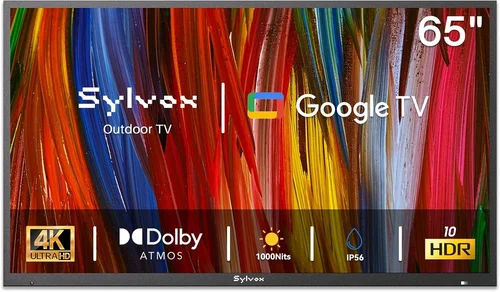
Outdoor living spaces have evolved dramatically over the past decade, transforming from simple backyard retreats into fully equipped entertainment zones. Among the most popular upgrades homeowners are making is the addition of an outdoor TV—especially under the shade and style of a pergola. Whether you’re hosting summer barbecues, watching the big game with friends, or enjoying a quiet evening movie under the stars, having a reliable, high-performing television designed for outdoor use can elevate your experience significantly. However, not all TVs are built to withstand the elements, and choosing the right one for your pergola requires careful consideration.
This comprehensive buying guide is designed to help you navigate the often-confusing world of outdoor televisions. We’ll break down the essential factors you need to evaluate—from weather resistance and screen brightness to connectivity and installation—so you can make a confident, informed decision. Whether you’re a first-time buyer or upgrading from an older model, this guide will equip you with the knowledge to select the best outside TV for your pergola setup. With advancements in display technology and outdoor-specific engineering, the market now offers a range of options that balance performance, durability, and value. Our goal is to help you find the perfect fit for your space, budget, and lifestyle.
The outdoor TV market has grown rapidly, driven by increased demand for outdoor entertainment and smart home integration. Major brands like Samsung, LG, Sony, and specialized outdoor manufacturers such as SunBriteTV, Seura, and Peerless have stepped up their game, offering models that are not only weatherproof but also deliver stunning picture quality even in bright daylight. These TVs are engineered to resist rain, dust, extreme temperatures, and UV exposure—conditions that would quickly destroy a standard indoor television. As a result, you’re no longer limited to dim, washed-out screens or bulky enclosures. Today’s outdoor TVs offer 4K resolution, HDR support, smart platforms, and sleek designs that blend seamlessly into your outdoor décor.

What to Look for When Buying an Outside TV for Your Pergola
1. Weather Resistance & IP Rating
One of the most critical factors when selecting an outdoor TV is its ability to withstand environmental conditions. Unlike indoor TVs, outdoor models must endure rain, snow, dust, humidity, and temperature fluctuations. This is where the Ingress Protection (IP) rating comes into play. The IP rating is a two-digit code that indicates how well a device is protected against solids (like dust) and liquids (like water). For outdoor TVs, look for a minimum IP55 rating, which means the TV is protected against dust and water jets from any direction. Higher ratings like IP65 or IP66 offer even greater protection, making them ideal for uncovered pergolas or areas with heavy rainfall.
Beyond the IP rating, consider the TV’s internal components. Outdoor TVs often feature sealed cooling systems, corrosion-resistant materials, and thermal management to prevent overheating in summer or freezing in winter. Some models also include built-in heaters or fans to maintain optimal operating temperatures. For example, SunBriteTV’s Veranda series is rated for full sun exposure and includes a thermal sensor that adjusts fan speed based on ambient temperature. This ensures consistent performance regardless of the season.
Another aspect of weather resistance is UV protection. Prolonged exposure to sunlight can degrade screen coatings and internal electronics over time. High-quality outdoor TVs use UV-resistant glass and anti-glare coatings to maintain image clarity and prevent yellowing or discoloration. If your pergola is partially shaded, you may have more flexibility, but if it’s fully exposed, prioritize models with robust UV shielding.
2. Screen Brightness & Anti-Glare Technology
Brightness is arguably the most important performance specification for an outdoor TV. Indoor TVs typically range from 300 to 600 nits (a unit of luminance), which is sufficient for dimly lit living rooms. However, outdoor environments—especially under a pergola with dappled sunlight—require much higher brightness to combat glare and maintain visibility. For optimal viewing, look for an outdoor TV with a brightness rating of at least 700 nits, though 1000 nits or more is ideal for areas with direct or reflected sunlight.
Anti-glare technology is equally important. Many outdoor TVs feature optically bonded glass, which reduces reflections by bonding the screen directly to the display panel. This eliminates the air gap that causes light to scatter, resulting in a clearer, more vibrant image. Some models also include anti-reflective coatings or matte finishes that further minimize glare. For instance, the Seura Shade Series uses a proprietary anti-glare layer that allows for vivid colors even in bright daylight.
Consider the viewing angle as well. Outdoor spaces often have multiple seating areas, so a TV with wide viewing angles (178 degrees or more) ensures that everyone gets a good view, even from the side. OLED panels typically offer superior viewing angles compared to standard LED/LCD displays, but they are less common in outdoor models due to cost and brightness limitations.
3. Build Quality & Durability
Outdoor TVs are an investment, and you want one that will last for years. Build quality directly impacts longevity, especially when exposed to the elements. Look for TVs constructed with powder-coated aluminum or stainless steel enclosures, which resist rust and corrosion. Avoid plastic housings, as they can become brittle and crack over time when exposed to UV rays and temperature changes.
Internal components should also be ruggedized. High-end outdoor TVs often use solid-state drives (SSDs) instead of traditional hard drives, which are more resistant to vibration and shock. Circuit boards may be conformal coated to protect against moisture and dust. Additionally, check for reinforced mounting points and secure cable management systems to prevent water ingress through ports.
Durability also extends to the remote control and input ports. Outdoor remotes are typically weather-resistant and may include backlighting for nighttime use. HDMI, USB, and power ports should be covered with rubber gaskets or have protective doors to keep moisture out. Some models even include wireless connectivity options like Bluetooth or Wi-Fi to reduce the need for physical cables.
4. Display Technology & Picture Quality
While brightness and weather resistance are paramount, don’t overlook picture quality. Most outdoor TVs use LED/LCD technology with full-array local dimming (FALD) to enhance contrast and black levels. This is especially important for evening viewing when ambient light is low. Look for models that support HDR (High Dynamic Range), including HDR10, Dolby Vision, or HLG, to enjoy richer colors and greater detail in both bright and dark scenes.
Resolution is another key factor. 4K UHD (3840 x 2160) is the standard for modern outdoor TVs and provides four times the detail of Full HD. This is particularly beneficial for larger screens (55 inches and above), where pixel density becomes more noticeable. Some premium models even offer 8K resolution, though content availability and cost may limit their practicality for most users.
Refresh rate matters too, especially for sports and action content. A 120Hz refresh rate reduces motion blur and provides smoother playback, which is ideal for fast-paced games or live events. Pair this with a low input lag (under 20ms) if you plan to use the TV for gaming.
5. Smart Features & Connectivity
Modern outdoor TVs are more than just displays—they’re smart entertainment hubs. Most come with built-in operating systems like Android TV, webOS (LG), or Tizen (Samsung), giving you access to streaming apps such as Netflix, YouTube, Hulu, and Disney+. This eliminates the need for external devices like streaming sticks or set-top boxes, simplifying setup and reducing cable clutter.
Connectivity options are crucial for versatility. Ensure the TV has multiple HDMI ports (preferably HDMI 2.1 for future-proofing), USB ports for media playback, and audio outputs for external speakers or soundbars. Wi-Fi and Bluetooth support allow for wireless streaming and remote control via smartphone apps. Some models also include Ethernet ports for a stable wired connection, which is beneficial in areas with weak Wi-Fi signals.
Voice control integration with assistants like Google Assistant or Amazon Alexa is a nice bonus, enabling hands-free operation. This is especially useful when you’re grilling or entertaining guests and don’t want to fumble with a remote.
6. Size & Viewing Distance
Choosing the right screen size depends on your pergola’s dimensions and seating arrangement. A common rule of thumb is to sit at a distance of 1.5 to 2.5 times the diagonal screen size for optimal viewing. For example, a 55-inch TV is best viewed from 6.9 to 11.5 feet away. Measure your space and consider where viewers will be seated to determine the ideal size.
Larger screens (65 inches and above) are great for open pergolas with ample space, while smaller models (43 to 50 inches) work well for compact setups or secondary viewing areas. Keep in mind that larger screens require more power and may need stronger mounting hardware. Also, ensure your pergola structure can support the weight—most outdoor TVs are heavier than their indoor counterparts due to reinforced enclosures.
7. Installation & Mounting Options
Proper installation is essential for both safety and performance. Outdoor TVs should be mounted on sturdy, weather-resistant brackets that can withstand wind and vibration. Tilt and swivel mounts offer flexibility in adjusting the viewing angle, which is helpful if your pergola has varying light conditions throughout the day.
Consider whether you want a fixed, tilt, or full-motion mount. Fixed mounts are the most secure but offer no adjustability. Tilt mounts allow you to angle the screen downward to reduce glare. Full-motion mounts let you swivel and extend the TV, ideal for multi-directional viewing. Ensure the mount is compatible with the TV’s VESA pattern (the standard for mounting holes) and rated for outdoor use.
Cable management is another consideration. Use weatherproof conduit or raceways to protect power and signal cables from moisture and UV damage. Some outdoor TVs include built-in cable channels or come with pre-installed conduit kits for a clean, professional look.
8. Brand Reputation & Warranty
Not all outdoor TVs are created equal, and brand reputation can be a strong indicator of quality and reliability. Established brands like SunBriteTV, Seura, and Peerless have years of experience in outdoor display technology and offer specialized support for their products. They often provide detailed installation guides, customer service, and extended warranties.
Warranty coverage is especially important for outdoor electronics. Look for a minimum 2-year warranty, with some premium models offering 3 to 5 years. Check what’s covered—does it include labor, parts, and on-site service? Some manufacturers also offer optional extended warranties or service plans. Avoid brands with vague warranty terms or limited support, as repairs can be costly and time-consuming.
Different Types of Outside TVs for Pergolas

Common Buying Mistakes to Avoid
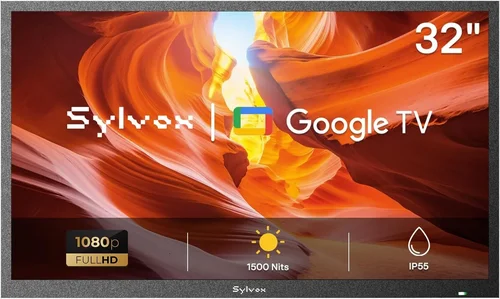
❌ Mistake: Buying a Standard Indoor TV for Outdoor Use
Why it’s bad: Indoor TVs are not designed to handle moisture, temperature swings, or UV exposure. Even under a pergola, they can suffer from condensation, screen burn-in, or electrical failure within months. Additionally, their low brightness makes them nearly unwatchable in daylight.
What to do instead: Invest in a purpose-built outdoor TV or use a high-quality outdoor enclosure if you must use an indoor model. The long-term savings in repairs and replacements far outweigh the initial cost difference.
❌ Mistake: Ignoring the IP Rating
Why it’s bad: Without a proper IP rating, your TV is vulnerable to water and dust damage. Rain, sprinklers, or even morning dew can seep into vents and ports, causing corrosion or short circuits.
What to do instead: Always check the IP rating before purchasing. For pergolas with any exposure to the elements, aim for IP55 or higher. If your pergola is fully covered and shaded, IP44 may suffice, but it’s better to err on the side of caution.
❌ Mistake: Overlooking Brightness Requirements
Why it’s bad: A dim screen will look washed out and unusable during the day, defeating the purpose of having an outdoor TV. You’ll end up watching mostly at night, limiting your enjoyment.
What to do instead: Choose a TV with at least 700 nits of brightness. For sunny pergolas, go for 1000+ nits. Look for models with anti-glare coatings and optically bonded glass to maximize visibility.
❌ Mistake: Choosing the Wrong Size
Why it’s bad: A TV that’s too small will be hard to see from a distance, while one that’s too large can overwhelm the space and strain your budget. Poor sizing leads to dissatisfaction and potential returns.
What to do instead: Measure your viewing distance and use the 1.5x to 2.5x rule to determine the ideal screen size. Consider seating layout and ambient light when making your decision.
❌ Mistake: Skimping on the Mount
Why it’s bad: A weak or incompatible mount can lead to instability, vibration, or even the TV falling—posing a safety hazard. Cheap mounts may also rust or degrade over time.
What to do instead: Invest in a heavy-duty, weather-resistant mount rated for your TV’s weight and size. Full-motion mounts offer the most flexibility, but ensure they’re securely anchored to a structural beam.
❌ Mistake: Neglecting Audio Quality
Why it’s bad: Outdoor environments have more ambient noise (wind, traffic, birds), making built-in TV speakers inadequate. Poor audio ruins the viewing experience, especially for movies and sports.
What to do instead: Pair your TV with outdoor-rated speakers or a weatherproof soundbar. Consider wireless options to reduce cable clutter. Some outdoor TVs include audio outputs for easy integration.
❌ Mistake: Not Planning for Power and Connectivity
Why it’s bad: Running power and signal cables improperly can lead to tripping hazards, water damage, or signal loss. Exposed wires are also unsightly and vulnerable to pests.
What to do instead: Plan your cable routing in advance. Use weatherproof conduits, in-wall wiring (if permitted), or wireless alternatives. Ensure your power source is GFCI-protected for safety.
Budget Guidelines: How Much Should You Spend?
Entry-Level ($500 – $1,200): This tier includes partial-shade outdoor TVs or indoor TVs paired with basic enclosures. Expect lower brightness (500–700 nits), limited smart features, and shorter warranties. Best for covered pergolas with minimal sun exposure. Examples include the SunBriteTV Veranda 43-inch or a Samsung QLED with a Peerless enclosure.
Mid-Range ($1,200 – $2,500): The sweet spot for most homeowners. These TVs offer 700–1000 nits brightness, IP55 rating, 4K HDR, and full smart functionality. Ideal for semi-covered pergolas with some sunlight. Models like the Seura Shade 55-inch or LG Outdoor Display fit this category.
Premium ($2,500 – $4,500): Designed for full sun exposure and harsh climates. Features include IP65/IP66 rating, 1000+ nits brightness, advanced thermal management, and extended warranties. Perfect for uncovered pergolas or coastal areas. SunBriteTV’s Pro Series and Seura’s Luxe line are top contenders.
Luxury ($4,500+): Commercial-grade displays with 24/7 operation capability, extreme durability, and custom installation options. These are overkill for most residential pergolas but may be justified for large estates or commercial properties. Expect features like 8K resolution, modular designs, and on-site service.
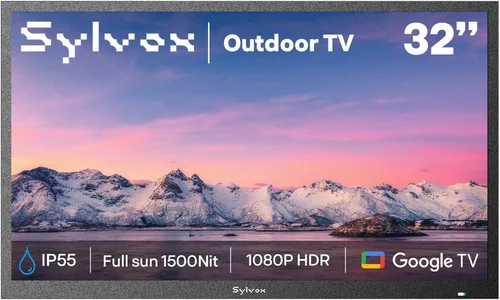
Expert Tips for Getting the Best Deal
1. Buy During Off-Season: Outdoor TVs are in highest demand during spring and summer. Shop in late fall or winter (October–February) for discounts and promotions. Retailers often clear inventory to make room for new models.
2. Compare Retailers: Prices can vary significantly between online stores, big-box retailers, and specialty AV dealers. Check Amazon, Best Buy, Crutchfield, and manufacturer websites. Look for bundle deals that include mounts or cables.
3. Look for Open-Box or Refurbished Models: Certified refurbished outdoor TVs from reputable sellers offer substantial savings (20–40% off) with full warranties. These units are tested and restored to like-new condition.
4. Negotiate Installation Packages: Many dealers offer free or discounted installation with purchase. This can save you hundreds, especially if you need custom mounting or wiring.
5. Check for Rebates and Tax Incentives: Some regions offer energy rebates for efficient outdoor electronics. While rare, it’s worth checking with local utilities or government programs.
6. Read Return Policies Carefully: Outdoor TVs are often non-returnable due to their specialized nature. Ensure the retailer offers a generous return window (30+ days) and covers return shipping.
7. Test Before Finalizing: If possible, visit a showroom to see the TV in person. Check brightness, color accuracy, and remote responsiveness under simulated outdoor conditions.
8. Consider Future-Proofing: Choose a TV with HDMI 2.1, Wi-Fi 6, and support for emerging standards like Dolby Vision IQ. This ensures compatibility with next-gen devices and content.

Frequently Asked Questions
Q: Can I use a regular TV under my pergola?
A: Technically yes, but it’s not recommended. Standard TVs lack weatherproofing, sufficient brightness, and thermal management for outdoor use. Even under a pergola, they can fail prematurely due to humidity, temperature changes, or UV exposure. For reliable performance, invest in an outdoor-rated model.
Q: Do outdoor TVs need to be covered when not in use?
A: Not necessarily. High-quality outdoor TVs are designed for continuous exposure. However, using a weatherproof cover during extreme weather (hurricanes, heavy snow) or long periods of non-use can extend lifespan and protect the screen from debris.
Q: How do I clean an outdoor TV screen?
A: Use a microfiber cloth and a mild cleaning solution (like distilled water with a drop of dish soap). Avoid ammonia-based cleaners or abrasive materials. Power off the TV and let it cool before cleaning. Gently wipe in circular motions to avoid scratching the anti-glare coating.
Q: Can outdoor TVs be used in winter?
A: Yes, most outdoor TVs are rated for temperatures as low as -22°F (-30°C). Models with built-in heaters automatically activate in cold weather to prevent freezing. Avoid turning on the TV if it’s been exposed to extreme cold without acclimating it indoors first.
Q: Do outdoor TVs consume more power?
A: They can, especially high-brightness models. Look for ENERGY STAR-certified units or those with eco modes to reduce power usage. LED backlighting is more efficient than older technologies.
Q: Can I mount an outdoor TV on a pergola beam?
A: Yes, but ensure the beam is structurally sound and can support the TV’s weight (typically 30–60 lbs). Use heavy-duty lag bolts and consider reinforcing the beam if necessary. Consult a contractor if unsure.
Q: Are outdoor TVs compatible with streaming devices?
A: Absolutely. Most outdoor TVs have multiple HDMI ports and support popular streaming sticks like Roku, Apple TV, or Amazon Fire Stick. For a cleaner look, choose a model with built-in smart features to eliminate external devices.
Q: How long do outdoor TVs last?
A: With proper care, a high-quality outdoor TV can last 7–10 years or more. Durability depends on climate, usage, and maintenance. Regular cleaning and avoiding extreme conditions can significantly extend lifespan.
Our Final Recommendations
Best for Budget-Conscious Buyers: SunBriteTV Veranda 50-inch – Offers excellent value with 700 nits brightness, IP55 rating, and 4K HDR at under $1,500. Ideal for covered pergolas.
Best Overall Value: Seura Shade 55-inch – Combines 1000 nits brightness, anti-glare glass, and sleek design for around $2,200. Perfect balance of performance and price.
Best Premium Option: SunBriteTV Pro Series 65-inch – Built for full sun exposure with IP66 rating, 2000 nits brightness, and military-grade durability. Priced at $3,800, it’s a top-tier choice for serious outdoor entertainment.
Best for Beginners: LG 55-inch Outdoor Display – User-friendly webOS interface, solid brightness (800 nits), and reliable performance. Great for first-time outdoor TV owners.
Best for Advanced Users: Peerless-AV Xtreme 75-inch – Commercial-grade build, modular design, and 24/7 operation capability. Ideal for large pergolas or tech-savvy homeowners wanting maximum customization.
Conclusion: Making the Right Choice
Choosing the best outside TV for your pergola is about more than just picture quality—it’s about finding a display that can thrive in your unique outdoor environment. From weather resistance and brightness to smart features and installation, every factor plays a role in ensuring a satisfying, long-lasting experience. By prioritizing your needs, setting a realistic budget, and avoiding common pitfalls, you can transform your pergola into a true entertainment oasis.
Remember, the right TV will not only withstand the elements but also enhance your outdoor lifestyle with vibrant visuals, seamless connectivity, and reliable performance. Whether you’re watching a sunset movie or cheering on your favorite team, your outdoor TV should deliver an immersive experience that brings people together. Take the time to research, compare options, and invest wisely. Your perfect outdoor viewing experience is within reach.

