
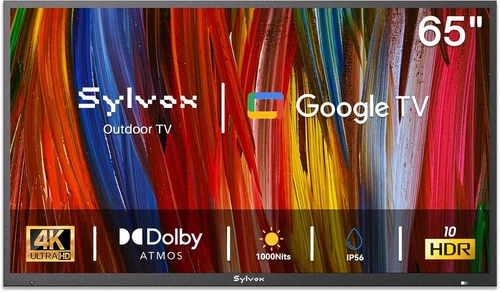
Watching live sports outdoors has become one of the most exciting ways to enjoy games with family and friends—whether you’re hosting a backyard tailgate, setting up a viewing area by the pool, or creating a permanent outdoor entertainment zone. But not all TVs are built to handle the unique challenges of outdoor environments. Sunlight glare, temperature swings, humidity, dust, and even rain can quickly ruin a standard indoor television. That’s why choosing the right outdoor TV is critical—not just for performance, but for longevity and safety.
This comprehensive buying guide is designed to help you navigate the growing market of outdoor TVs in 2026. Whether you’re a die-hard sports fan who never misses a game or someone looking to upgrade your outdoor living space, this guide will equip you with everything you need to make a smart, informed decision. We’ll walk you through key features, compare different types of outdoor TVs, highlight common pitfalls, and offer expert tips to ensure you get the best value for your investment. By the end, you’ll know exactly what to look for—and what to avoid—when shopping for the perfect outdoor TV for watching football, soccer, baseball, basketball, and more.
The outdoor TV market has evolved significantly over the past few years. What once consisted of bulky, expensive, and limited models has now expanded into a diverse range of options—from weatherproof displays to fully integrated smart systems designed specifically for open-air use. Brands like Samsung, LG, Sony, SunBriteTV, and Seura have stepped up their game, offering models that combine durability with cutting-edge picture quality, voice control, and streaming capabilities. With prices ranging from under $1,000 to well over $5,000, there’s something for every budget and use case. But with so many choices, it’s easy to get overwhelmed. That’s where this guide comes in.

What to Look for When Buying Buying Guide
1. Weather Resistance & IP Rating
One of the most critical factors when choosing an outdoor TV is its ability to withstand the elements. Unlike indoor TVs, outdoor models must be built to resist rain, snow, dust, extreme temperatures, and UV exposure. The first thing to check is the TV’s IP (Ingress Protection) rating, which indicates how well it’s protected against solids and liquids. For outdoor use, look for a minimum IP55 rating—this means the TV is protected against dust and water jets from any direction. Higher ratings like IP65 or IP66 offer even better protection, making them ideal for uncovered patios or poolside installations.
Beyond the IP rating, consider the TV’s internal components. Outdoor TVs should have sealed enclosures, corrosion-resistant materials, and thermal management systems to prevent overheating in summer or freezing in winter. Some models even include built-in heaters or cooling fans to maintain optimal operating temperatures. For example, SunBriteTV’s Veranda series is rated for full sun exposure and can operate in temperatures ranging from -24°F to 122°F, making it a top choice for year-round outdoor use.
2. Brightness & Anti-Glare Display
Sunlight is the enemy of screen visibility. Even the best indoor TV can become nearly unwatchable under direct sunlight. That’s why outdoor TVs must have significantly higher brightness levels than their indoor counterparts. Look for models with at least 700 nits of brightness, but ideally 1,000 nits or more. For full sun exposure—like a south-facing patio—you’ll want a TV with 1,500 to 2,000 nits to ensure the image remains clear and vibrant.
In addition to high brightness, anti-glare technology is essential. Many outdoor TVs feature matte screens or special optical filters that reduce reflections from the sun. Some models, like the Samsung The Terrace, use quantum dot technology combined with anti-reflective coatings to deliver vivid colors even in bright daylight. This is especially important for sports viewing, where fast motion and bright uniforms need to stand out clearly. Without proper brightness and glare control, you’ll be squinting at a washed-out screen instead of enjoying the game.
3. Build Quality & Durability
Outdoor TVs are exposed to more wear and tear than indoor models, so build quality is non-negotiable. Look for TVs with metal housings, reinforced corners, and tamper-resistant screws. The mounting system should also be robust—many outdoor TVs come with heavy-duty VESA-compatible brackets designed to withstand wind and vibration. Avoid plastic-heavy models, as they’re more prone to cracking in extreme temperatures.
Durability also extends to the internal electronics. Outdoor TVs should use industrial-grade components that can handle temperature fluctuations without failing. For instance, Seura’s Shadow series uses military-spec connectors and conformal-coated circuit boards to prevent moisture damage. Additionally, check if the TV is UL-listed for outdoor use—this certification ensures it meets safety standards for outdoor electrical devices. A well-built outdoor TV should last 7–10 years with proper maintenance, making it a worthwhile investment.
4. Smart Features & Connectivity
Just because a TV is designed for outdoor use doesn’t mean it should lack modern conveniences. Most premium outdoor TVs now come with built-in smart platforms like Android TV, webOS, or Roku, allowing you to stream content from Netflix, YouTube, ESPN+, and other apps directly. This is especially useful for watching live sports through services like Hulu + Live TV, Sling TV, or FuboTV.
Connectivity is equally important. Look for multiple HDMI ports (at least 3), USB inputs, Wi-Fi, Bluetooth, and Ethernet. Some models even support HDMI 2.1 for 4K/120Hz gaming, which is great if you plan to connect a console. Voice control via Google Assistant or Alexa is also becoming standard, letting you change channels or search for games hands-free. For example, LG’s Outdoor OLED TV includes ThinQ AI with voice recognition and supports AirPlay 2 and Chromecast built-in for easy streaming from your phone or tablet.
5. Size & Viewing Distance
Choosing the right screen size depends on your outdoor space and typical viewing distance. For a small patio or balcony, a 43- to 55-inch TV may be sufficient. But for larger areas like a backyard deck or outdoor theater, consider 65 inches or larger. A good rule of thumb is to sit at a distance equal to 1.5 to 2.5 times the screen’s diagonal size. So, for a 65-inch TV, aim for a viewing distance of 8 to 14 feet.
Keep in mind that outdoor environments often have more ambient light and wider viewing angles, so larger screens help maintain immersion. Also, consider the TV’s aspect ratio and bezel design—slim bezels create a more cinematic experience, while thicker bezels may be more durable. Some outdoor TVs, like the Sony X95L Outdoor Edition, offer ultra-slim profiles that blend seamlessly into outdoor décor.
6. Audio Performance
Outdoor spaces lack the acoustic containment of indoor rooms, so sound can easily get lost or distorted. While many outdoor TVs include built-in speakers, they’re often underpowered for open-air environments. Look for models with at least 20W of total audio output, and preferably those with Dolby Audio or DTS support for richer sound.
For the best audio experience, consider pairing your outdoor TV with external weatherproof speakers or a soundbar. Many outdoor TVs support Bluetooth audio output, allowing you to connect wireless speakers without running cables. Alternatively, some models come with built-in subwoofers or audio enhancement technologies like Sony’s X-Motion Clarity, which improves sound clarity during fast-paced sports action. If you’re setting up a dedicated outdoor theater, a full surround sound system with in-ground or wall-mounted speakers can elevate the experience significantly.
7. Installation & Mounting Options
Proper installation is crucial for both performance and safety. Outdoor TVs should be mounted securely to withstand wind, rain, and accidental bumps. Most models are VESA-compatible, meaning they can be attached to standard wall mounts, ceiling brackets, or articulating arms. However, outdoor-specific mounts often include additional features like tilt adjustment, locking mechanisms, and weatherproof coatings.
Consider where you’ll install the TV—on a wall, under a pergola, or on a freestanding pole. If mounting on a wall, ensure the structure can support the TV’s weight (some 75-inch models exceed 50 lbs). For ceiling mounts, look for models with reinforced brackets and cable management systems. Some brands, like Peerless-AV, offer all-weather mounting kits designed specifically for outdoor TVs. Professional installation is recommended for larger or more complex setups, especially if electrical work or structural modifications are needed.
8. Brand Reputation & Warranty
Not all outdoor TVs are created equal, and brand reputation matters. Established brands like Samsung, LG, Sony, SunBriteTV, and Seura have a proven track record of reliability and customer support. These companies invest in R&D to ensure their outdoor models meet rigorous performance and durability standards. Avoid generic or off-brand TVs that may cut corners on materials or lack proper certifications.
Warranty coverage is another key consideration. Most reputable outdoor TVs come with a 2- to 3-year limited warranty, covering defects and workmanship. Some brands, like SunBriteTV, offer extended warranties or optional service plans. Check what’s included—does the warranty cover outdoor use? Is on-site repair available? Also, look for brands with responsive customer service and accessible replacement parts. A strong warranty gives you peace of mind, especially when investing in a high-end outdoor TV.
Different Types of Buying Guide

Common Buying Mistakes to Avoid
❌ Mistake: Buying an Indoor TV for Outdoor Use
Why it’s bad: Indoor TVs are not designed to handle moisture, temperature changes, or UV exposure. Even a light rain shower can cause internal damage, and prolonged sun exposure can warp the screen or fade colors. Additionally, indoor TVs lack the brightness needed for outdoor visibility, making them nearly unusable in daylight.
What to do instead: Always choose a TV specifically rated for outdoor use. Look for models with IP ratings, weatherproof casings, and high brightness. If budget is a concern, consider a partial-shade outdoor TV or an indoor model in a protective enclosure—but never use a standard indoor TV directly outdoors.
❌ Mistake: Ignoring Brightness Requirements
Why it’s bad: A TV with low brightness will appear dim and washed out in sunlight, ruining the viewing experience. This is especially problematic during daytime sports events like football games or tennis matches.
What to do instead: Prioritize brightness—aim for at least 1,000 nits for partial shade and 1,500+ nits for full sun. Check reviews and specifications carefully, and consider models with anti-reflective coatings to minimize glare.
❌ Mistake: Overlooking Audio Needs
Why it’s bad: Outdoor spaces have poor acoustics, and built-in TV speakers are often too weak to deliver clear sound. You may end up missing commentary or crowd noise during crucial game moments.
What to do instead: Invest in weatherproof external speakers or a soundbar. Many outdoor TVs support Bluetooth audio, so you can pair wireless speakers without running cables. For larger areas, consider a full outdoor audio system with multiple zones.
❌ Mistake: Poor Mounting or Installation
Why it’s bad: Improper mounting can lead to instability, water damage, or even the TV falling. Using indoor mounts or weak brackets increases the risk of accidents, especially in windy conditions.
What to do instead: Use outdoor-rated mounts with secure locking mechanisms. Hire a professional installer if needed, and ensure all cables are properly sealed and routed to prevent water ingress.
❌ Mistake: Skipping the Warranty Check
Why it’s bad: Outdoor TVs are expensive, and repairs can be costly. If the warranty doesn’t cover outdoor use or has limited support, you could be stuck with a broken TV and no recourse.
What to do instead: Always verify the warranty terms. Choose brands that explicitly cover outdoor use and offer responsive customer service. Consider extended warranties for added protection.
❌ Mistake: Buying Based on Price Alone
Why it’s bad: The cheapest option may lack essential features like weather resistance, smart capabilities, or adequate brightness. You could end up replacing it within a year.
What to do instead: Focus on value, not just price. A mid-range outdoor TV with solid build quality and features will last longer and perform better than a budget model that fails prematurely.
Budget Guidelines: How Much Should You Spend?
Entry-Level ($800 – $1,500): This tier includes partial-shade outdoor TVs or indoor models in protective enclosures. Expect lower brightness (500–700 nits), basic smart features, and limited weather resistance. Best for covered patios or occasional use. Examples: Seura Partial Shade Series, Vizio Outdoor Enclosure Kits.
Mid-Range ($1,500 – $3,500): The sweet spot for most buyers. These TVs offer 1,000+ nits brightness, IP55 or higher ratings, smart platforms, and decent audio. Ideal for covered outdoor spaces with some sun exposure. Examples: Samsung The Terrace (Partial Shade), LG Outdoor OLED (Mid-tier).
Premium ($3,500 – $6,000): For enthusiasts and serious outdoor entertainers. These models feature 1,500+ nits brightness, full weather sealing, advanced smart features, and superior build quality. Perfect for full sun or uncovered areas. Examples: SunBriteTV Veranda Series, Sony X95L Outdoor Edition.
Luxury ($6,000+): Top-tier models with cutting-edge technology, ultra-high brightness (2,000+ nits), OLED or QLED displays, and premium audio. Designed for luxury outdoor theaters or commercial use. Examples: Samsung The Terrace Full Sun, LG Outdoor OLED Pro.
Expert Tips for Getting the Best Deal
- Buy during off-season sales: Outdoor TVs are often discounted in late fall and winter when demand is low. Look for Black Friday, Cyber Monday, or end-of-year clearance events.
- Shop at authorized retailers: Purchase from trusted sellers like Best Buy, Crutchfield, or the manufacturer’s website to ensure warranty validity and avoid counterfeit products.
- Compare total cost of ownership: Factor in mounting, cables, speakers, and potential installation fees. A cheaper TV may end up costing more overall.
- Check return policies: Ensure the retailer offers a generous return window (30+ days) in case the TV doesn’t meet your expectations.
- Test before you buy (if possible): Visit a showroom to see the TV’s brightness and picture quality in person. Some retailers have outdoor display areas.
- Consider refurbished models: Certified refurbished outdoor TVs from reputable brands can save you 20–30% and often come with the same warranty.
- Bundle with accessories: Some retailers offer discounts when you buy a TV with a mount, soundbar, or streaming device.

Frequently Asked Questions
Q: Can I use a regular TV outdoors if I cover it?
A: While you can place an indoor TV in a weatherproof enclosure, it’s not ideal. Enclosures can trap heat, reduce airflow, and may not provide adequate protection against condensation or UV damage. For reliable performance, invest in a true outdoor TV.
Q: Do outdoor TVs need special power outlets?
A: Most outdoor TVs use standard 120V outlets, but they should be connected to a GFCI (Ground Fault Circuit Interrupter) outlet for safety. This protects against electrical shock in wet conditions.
Q: How do I clean an outdoor TV screen?
A: Use a microfiber cloth and a mild cleaning solution designed for electronics. Avoid ammonia-based cleaners or abrasive materials, which can damage the anti-glare coating.
Q: Can outdoor TVs be used in extreme cold?
A: Yes, but only models rated for low temperatures. Check the operating temperature range—many outdoor TVs function down to -24°F. Avoid turning on the TV if it’s been exposed to freezing temps without acclimating first.
Q: Do outdoor TVs come with remotes?
A: Yes, most include weather-resistant remotes. Some models also support smartphone apps or voice control for added convenience.
Q: Can I mount an outdoor TV on a pole?
A: Yes, but use a heavy-duty, weatherproof pole mount designed for outdoor TVs. Ensure the pole is securely anchored and can withstand wind loads.
Q: Are outdoor TVs energy efficient?
A: Modern outdoor TVs are designed to be energy efficient, with LED backlighting and power-saving modes. Look for ENERGY STAR certification for lower electricity usage.
Q: What’s the difference between partial-shade and full-sun outdoor TVs?
A: Partial-shade models are designed for covered areas with indirect light, while full-sun TVs can handle direct sunlight and have higher brightness and better thermal management.
Q: Can I connect a cable box or streaming device?
A: Absolutely. Most outdoor TVs have multiple HDMI ports and support all major streaming devices, including Roku, Apple TV, and Amazon Fire Stick.
Our Final Recommendations
- Best for Budget-Conscious Buyers: Seura Partial Shade Series – Offers solid performance, IP55 rating, and smart features at an affordable price.
- Best Overall Value: Samsung The Terrace (Partial Shade) – Combines high brightness, excellent picture quality, and robust build for mid-range buyers.
- Best Premium Option: SunBriteTV Veranda Series – Built for full sun exposure with military-grade durability and top-tier brightness.
- Best for Beginners: LG Outdoor OLED (Mid-tier) – Easy setup, intuitive smart platform, and great audio for first-time outdoor TV owners.
- Best for Advanced Users: Sony X95L Outdoor Edition – Features cutting-edge display tech, superior motion handling, and premium audio for sports enthusiasts.
Conclusion: Making the Right Choice
Choosing the best outdoor TV for sports watching isn’t just about picture quality—it’s about finding a display that can thrive in the elements while delivering an immersive, reliable experience. From weather resistance and brightness to smart features and audio performance, every detail matters when you’re watching the game under the open sky. By considering your environment, budget, and viewing habits, you can narrow down the options and find a TV that enhances your outdoor lifestyle for years to come.
Remember, the cheapest option isn’t always the best, and cutting corners on durability or performance can lead to frustration down the line. Prioritize your needs: if you’re in a sunny area, invest in high brightness; if you’re hosting large gatherings, focus on audio and size. And don’t forget the importance of proper installation and warranty coverage.
With the insights from this guide, you’re now equipped to make a confident, informed decision. Whether you’re upgrading your backyard, setting up a tailgate zone, or creating a permanent outdoor theater, the right outdoor TV will transform how you experience live sports. So go ahead—grab some snacks, invite your friends, and enjoy the game like never before. Your perfect outdoor viewing experience is just a purchase away.

