

Outdoor living spaces have evolved far beyond simple patios and balconies. For apartment dwellers, these compact yet cherished areas—whether a sunny balcony, a rooftop terrace, or a small courtyard—are now extensions of the home where relaxation, entertainment, and connection happen. As remote work, staycations, and outdoor dining become the norm, the demand for high-quality outdoor entertainment has surged. Enter the outdoor television: a weather-resistant, high-brightness display designed to deliver a premium viewing experience under the open sky.
But choosing the right outdoor TV for an apartment setting isn’t as simple as buying an indoor model and hoping for the best. Unlike traditional TVs, outdoor models must withstand temperature swings, humidity, UV exposure, and even light rain—all while delivering clear, vibrant visuals in bright daylight. For apartment residents, space constraints, building regulations, and installation limitations add another layer of complexity. That’s where this comprehensive buying guide comes in. Whether you’re streaming your favorite show under string lights or catching the big game with friends on your rooftop, this guide will help you make an informed, confident decision.
In this expert-level buying guide, you’ll learn everything you need to know about selecting the perfect outdoor television for your apartment. We’ll break down the key factors that matter most—from brightness and weather resistance to smart features and mounting options. You’ll discover the different types of outdoor TVs available, compare their strengths and weaknesses, and avoid common pitfalls that can lead to buyer’s remorse. We’ll also provide budget guidelines, expert tips for getting the best deal, and real-world recommendations based on performance, durability, and value. By the end, you’ll have a clear roadmap to find an outdoor TV that fits your space, lifestyle, and budget—without compromising on quality or functionality.
The outdoor TV market has matured significantly in recent years. Once dominated by bulky, expensive commercial-grade displays, it now offers a range of options tailored to residential use—including models specifically designed for smaller spaces like apartments. Brands like SunBriteTV, Samsung, LG, and Seura have introduced sleek, consumer-friendly outdoor TVs that blend performance with aesthetics. Meanwhile, advancements in display technology—such as anti-glare coatings, high-nit brightness, and weatherproof enclosures—have made it possible to enjoy crystal-clear visuals even in direct sunlight. With options ranging from budget-friendly partial outdoor models to premium full outdoor units, there’s never been a better time to upgrade your outdoor living space with a dedicated television.

What to Look for When Buying Buying Guide
1. Brightness & Display Performance
One of the most critical factors when choosing an outdoor TV is brightness, measured in nits. Indoor TVs typically range from 300 to 500 nits, which is fine for dimly lit rooms but completely inadequate for outdoor use. Sunlight, reflections, and ambient light can wash out images, making content hard to see. For outdoor viewing, you’ll need a TV with at least 700 nits, but ideally 1,000 nits or higher for full sun exposure.
Look for models with anti-reflective or anti-glare coatings, which reduce screen glare and improve visibility in bright conditions. Some premium outdoor TVs use direct-lit LED or OLED panels with local dimming, enhancing contrast and black levels even in daylight. Additionally, consider the viewing angle—wide-angle panels ensure that everyone on your balcony or patio can see the screen clearly, even from the side.
Color accuracy and contrast ratio also matter. A high dynamic range (HDR) capable TV will deliver richer colors and deeper blacks, making movies and sports more immersive. However, HDR performance is only effective if the screen can maintain brightness without blooming or washing out. For apartment dwellers with partial shade or covered patios, a TV with 800–1,000 nits and good HDR support strikes the ideal balance.
2. Weather Resistance & Durability
Outdoor TVs must endure the elements—rain, snow, dust, humidity, and temperature extremes. Unlike indoor models, they are built with sealed enclosures, corrosion-resistant materials, and internal climate control systems. The level of protection is indicated by the IP (Ingress Protection) rating. For outdoor use, look for at least IP55, which means the TV is protected against dust and low-pressure water jets from any direction.
Full outdoor TVs are designed for permanent outdoor installation and can handle rain and snow. These models often include built-in heaters and fans to regulate internal temperature, preventing overheating in summer and freezing in winter. Partial outdoor TVs, on the other hand, are meant for covered areas like screened-in porches or balconies with overhead protection. They’re less expensive but not suitable for direct exposure to rain.
Durability also extends to the materials used. Aluminum or powder-coated steel housings resist rust and UV degradation. Internal components are often conformal-coated to prevent moisture damage. For apartment dwellers, where replacement or repair might be more complicated due to access issues, investing in a rugged, well-built TV is essential.
3. Size & Placement Considerations
Apartment outdoor spaces are typically compact, so screen size must be balanced with available wall or mounting space. A 55-inch TV might be ideal for a large rooftop terrace, but it could overwhelm a small balcony. Consider both the physical dimensions of the TV and the optimal viewing distance. As a rule of thumb, sit about 1.5 to 2.5 times the screen’s diagonal length away for the best experience.
For example, a 43-inch TV is best viewed from 5.5 to 9 feet away—perfect for a cozy balcony setup. A 65-inch model requires 8 to 13 feet, which may only work on a spacious terrace. Also, factor in bezel size and mounting depth. Some outdoor TVs are thicker than indoor models due to weatherproofing, which can affect how flush they sit against the wall.
Placement is equally important. Avoid installing the TV where it will face direct sunlight for extended periods, as this can cause overheating and screen damage. Use a shaded corner or install a retractable awning. If mounting on a railing or post, ensure the structure can support the weight—most outdoor TVs weigh 20–40% more than indoor equivalents.
4. Smart Features & Connectivity
Modern outdoor TVs come equipped with smart platforms like Android TV, webOS, or Tizen, allowing you to stream content directly without external devices. This is especially convenient for apartment dwellers who want a clean, cable-free setup. Look for models with built-in Wi-Fi, Bluetooth, and voice control compatibility (e.g., Google Assistant or Alexa).
Connectivity options are crucial. Ensure the TV has multiple HDMI ports (at least two), USB inputs, and an Ethernet port for stable internet. Some models include weatherproof cable entry points, which protect connections from moisture. If you plan to use a soundbar or external speakers, check for optical audio output or ARC (Audio Return Channel) support.
App availability varies by platform. Android TV offers the most flexibility with access to the Google Play Store, while webOS (LG) and Tizen (Samsung) have curated app selections. Consider which streaming services you use most—Netflix, Disney+, YouTube, etc.—and verify compatibility.
5. Audio Quality & Sound Solutions
Outdoor environments are inherently noisy—traffic, wind, birds, and neighbors can drown out TV audio. Most outdoor TVs have built-in speakers, but they’re often underpowered and lack bass. For a truly immersive experience, you’ll likely need external audio.
Consider weather-resistant soundbars or outdoor speakers designed for patios and balconies. Brands like Polk, Sonos (with weatherproof enclosures), and Bose offer outdoor audio solutions that pair well with outdoor TVs. Wireless options reduce cable clutter and simplify installation.
If you prefer a minimalist look, some outdoor TVs include enhanced audio processing or upward-firing speakers for virtual surround sound. However, these are no substitute for dedicated outdoor speakers in open or windy areas. For apartment dwellers concerned about noise complaints, wireless headphones or a quiet soundbar with volume limiting may be the best compromise.
6. Installation & Mounting Options
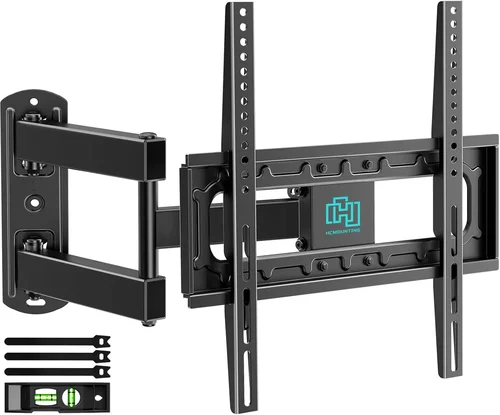
Proper installation is key to both performance and safety. Outdoor TVs require sturdy, weatherproof mounts that can withstand wind and vibration. Full-motion articulating mounts allow you to adjust the screen angle for optimal viewing, while fixed mounts offer a sleek, low-profile look.
For apartment balconies, wall-mounted installations are most common. Ensure your building allows drilling into exterior walls and that the structure can support the weight. Some landlords or homeowners’ associations (HOAs) have restrictions on modifications, so check regulations before purchasing.
Ceiling mounts are an alternative for covered patios or pergolas. They free up wall space and provide a clean, elevated view. Railing mounts are also available for balconies with sturdy railings, but they may limit adjustability.
Professional installation is recommended for full outdoor TVs, especially if electrical work or structural modifications are needed. Many retailers offer installation services, and some brands include it in the purchase price.
7. Brand Reputation & Reliability
Not all outdoor TVs are created equal. Established brands like SunBriteTV, Seura, and Samsung have a proven track record of durability and customer support. SunBriteTV, for example, specializes in outdoor displays and offers models with military-grade weather resistance. Seura combines TV technology with mirror functionality, ideal for discreet installations.
Avoid generic or off-brand outdoor TVs sold online without clear specifications or warranty information. These may use indoor panels in weatherproof casings, which can fail prematurely. Research customer reviews, especially from users in similar climates or living situations.
Reliability also extends to software updates and long-term support. A TV with a smart platform should receive regular firmware updates to fix bugs and improve performance. Brands with strong customer service can assist with troubleshooting, repairs, or replacements—important if you’re in an apartment with limited DIY repair options.
8. Warranty & Support
Outdoor TVs are a significant investment, so a solid warranty is essential. Most reputable brands offer 2–3 years of coverage, with some extending to 5 years for commercial-grade models. Look for warranties that cover both parts and labor, and check if on-site service is available.
Support matters too. Can you easily contact customer service? Are replacement parts available? Do they offer repair services or only replacements? For apartment dwellers, where returning a large TV might be logistically challenging, having local service options is a major advantage.
Some brands include extended warranty options or protection plans that cover accidental damage or power surges. While these add to the cost, they can save money in the long run—especially in areas prone to storms or electrical issues.
Different Types of Buying Guide

Common Buying Mistakes to Avoid
❌ Mistake: Buying an Indoor TV for Outdoor Use
Why it’s bad: Indoor TVs lack weatherproofing, UV protection, and sufficient brightness. Exposure to moisture can cause electrical failure, and sunlight will wash out the image. Even under cover, temperature swings can damage internal components.
What to do instead: Always choose a TV specifically designed for outdoor use. Look for IP ratings, weatherproof enclosures, and high-nit brightness. If budget is tight, consider a partial outdoor model for covered areas.
❌ Mistake: Ignoring Sunlight Exposure
Why it’s bad: A TV with low brightness will be unwatchable in direct sun, no matter how good the picture quality is indoors. Glare and reflections can make the screen impossible to see.
What to do instead: Assess your space’s sun exposure. Use a light meter app or observe the area at different times of day. Choose a TV with appropriate brightness (700+ nits for shade, 1,500+ for sun) and anti-glare coating.
❌ Mistake: Overlooking Audio Needs
Why it’s bad: Built-in TV speakers are often quiet and lack depth, especially outdoors where sound dissipates quickly. You’ll end up straining to hear dialogue or missing key moments.
What to do instead: Plan for external audio from the start. Invest in weather-resistant speakers or a soundbar. Consider wireless options to reduce cable clutter and simplify setup.
❌ Mistake: Skimping on Mounting Hardware
Why it’s bad: Using indoor mounts or flimsy brackets can lead to instability, especially in windy conditions. A falling TV can cause injury or property damage.
What to do instead: Use mounts rated for outdoor use and the TV’s weight. Ensure they’re corrosion-resistant and securely anchored. For balconies, check weight limits and HOA rules.
❌ Mistake: Not Checking Building Regulations
Why it’s bad: Many apartments and condos have rules about exterior modifications, drilling, or visible installations. Installing a TV without permission could result in fines or forced removal.
What to do instead: Review your lease or HOA guidelines before purchasing. Get written approval if needed. Consider non-permanent options like portable TVs or freestanding stands.
❌ Mistake: Choosing the Wrong Size
Why it’s bad: A TV that’s too large can overwhelm a small space, while one that’s too small will be hard to see from a distance. Both lead to a poor viewing experience.
What to do instead: Measure your space and calculate the optimal screen size based on viewing distance. Use online size calculators and consider bezel thickness and mounting depth.
❌ Mistake: Neglecting Warranty and Support
Why it’s bad: Outdoor TVs are expensive, and repairs can be costly. Without a good warranty, you’re on your own if something goes wrong.
What to do instead: Choose brands with strong warranties (2+ years) and reliable customer support. Read the fine print and consider extended coverage for peace of mind.
Budget Guidelines: How Much Should You Spend?
Entry-Level ($600 – $1,200): This tier includes portable outdoor TVs and basic partial outdoor models. They’re ideal for renters or those with covered balconies. Expect 700–1,000 nits brightness, limited smart features, and basic weather resistance (IP54). Brands like Seura and some Samsung models offer affordable options here. While not built for full exposure, they deliver solid performance in shaded areas.
Mid-Range ($1,200 – $2,500): The sweet spot for most apartment dwellers. These TVs offer 1,000–1,500 nits, full smart functionality, and better build quality. Look for models with anti-glare screens, multiple HDMI ports, and improved audio. SunBriteTV’s Veranda series and LG’s outdoor-compatible OLEDs fall into this range. They’re suitable for partially covered spaces and offer a great balance of price and performance.
Premium ($2,500 – $4,000): For those who want the best. These full outdoor TVs feature 1,500+ nits, IP65 or higher ratings, built-in climate control, and premium materials. They’re designed for year-round use in any weather. Samsung’s The Terrace and SunBriteTV’s Pro series are top contenders. Ideal for large terraces or rooftop entertaining.
Luxury ($4,000+): Top-tier models with commercial-grade durability, 2,000+ nits brightness, and advanced features like 8K resolution or integrated sound systems. These are overkill for most apartments but may be worth it for luxury buildings or high-end outdoor theaters. Expect professional installation and long-term reliability.
Expert Tips for Getting the Best Deal
1. Buy During Off-Season: Outdoor TVs are in highest demand during spring and summer. Shop in late fall or winter for discounts of 15–30%. Retailers often clear inventory before new models arrive.
2. Compare Retailers: Prices vary widely between online stores, big-box retailers, and specialty AV shops. Check Amazon, Best Buy, Crutchfield, and manufacturer websites. Look for bundle deals that include mounts or speakers.
3. Look for Open-Box or Refurbished Models: Certified refurbished outdoor TVs from reputable sellers can save you hundreds. Ensure they come with a warranty and have been tested for performance.
4. Negotiate Installation: Some retailers offer free or discounted installation with purchase. If not, ask—many are willing to negotiate, especially for higher-priced items.
5. Check for Rebates and Incentives: Energy-efficient models may qualify for local utility rebates. Some cities offer green living incentives for outdoor tech upgrades.
6. Read Return Policies: Outdoor TVs are large and expensive to return. Ensure the retailer offers a generous return window (30+ days) and covers return shipping.
7. Test Before Committing: If possible, visit a showroom to see the TV in person. Check brightness, color accuracy, and smart features. Some brands offer demo units at home improvement stores.
8. Consider Long-Term Value: A more expensive TV with a longer lifespan and better warranty may cost less over time than a cheap model that fails in two years.
Frequently Asked Questions
Q: Can I use a regular TV outdoors if it’s under cover?
A: Technically yes, but it’s not recommended. Indoor TVs aren’t built to handle humidity, temperature changes, or dust. Even under cover, moisture can seep in and cause corrosion. For reliable, long-term use, invest in a partial or full outdoor TV.
Q: Do outdoor TVs use more electricity?
A: They can, especially high-brightness models. However, many modern outdoor TVs are Energy Star certified and use efficient LED backlighting. Look for models with low power consumption ratings, especially if you plan to leave them on frequently.
Q: How do I protect my outdoor TV from theft?
A: Use a security mount with a locking mechanism. Install the TV in a visible but hard-to-reach location. Consider a CCTV camera or smart security system. Some models have built-in anti-theft features like alarms or GPS tracking.
Q: Can I leave my outdoor TV on all the time?
A: Full outdoor TVs are designed for continuous use, but it’s not necessary. Leaving it on 24/7 increases wear and energy costs. Use a timer or smart plug to turn it off when not in use.
Q: What’s the difference between partial and full outdoor TVs?
A: Partial outdoor TVs are for covered areas and can’t handle direct rain or snow. Full outdoor TVs are fully weatherproof, with sealed enclosures and internal climate control, making them suitable for any outdoor condition.
Q: Do I need a special internet connection for an outdoor TV?
A: A strong Wi-Fi signal is essential. If your balcony has weak coverage, consider a Wi-Fi extender or mesh network. For stability, use an Ethernet cable if possible.
Q: Can I mount an outdoor TV on a balcony railing?
A: Yes, with a railing mount. Ensure the railing is sturdy and can support the weight. Check local regulations and avoid overhanging designs that could pose a safety risk.
Q: Are outdoor TVs compatible with streaming devices?
A: Most have built-in smart platforms, but you can also use external devices like Apple TV, Roku, or Fire Stick. Ensure the HDMI ports are accessible and protected from moisture.
Q: How long do outdoor TVs last?
A: With proper care, 7–10 years is typical. Full outdoor models with climate control may last longer. Regular cleaning and avoiding extreme conditions can extend lifespan.
Q: Can I use an outdoor TV indoors?
A: Yes, but it’s overkill. Outdoor TVs are heavier, thicker, and more expensive. Indoor models offer better picture quality and design for interior use.
Our Final Recommendations
Best for Budget-Conscious Buyers: Seura Outdoor TV (43-inch Partial Outdoor) – At around $1,200, it offers excellent brightness (1,000 nits), smart features, and a sleek design. Perfect for covered balconies.
Best Overall Value: SunBriteTV Veranda Series (55-inch) – Priced around $2,000, it delivers 1,000 nits, IP55 rating, and robust build quality. Ideal for most apartment outdoor spaces.
Best Premium Option: Samsung The Terrace (65-inch Full Outdoor) – At $3,500, it features 2,000 nits, IP56 rating, and stunning QLED picture. Built for all-weather performance and large gatherings.
Best for Beginners: LG OLED Flex (48-inch Portable Outdoor) – Around $1,800, it’s easy to set up, has great picture quality, and works well in shaded areas. Great for first-time buyers.
Best for Advanced Users: SunBriteTV Pro Series (75-inch Commercial-Grade) – Priced at $6,000+, it’s overkill for most but offers unmatched durability, 2,500 nits, and 24/7 operation. For serious outdoor entertainment enthusiasts.
Conclusion: Making the Right Choice
Choosing the right outdoor television for your apartment is about more than just picture quality—it’s about creating a space where you can relax, entertain, and enjoy the outdoors to the fullest. From brightness and weather resistance to smart features and installation, every detail matters. By understanding your space, assessing your needs, and avoiding common pitfalls, you can find a TV that delivers years of reliable performance.
Remember, the best outdoor TV isn’t necessarily the most expensive or the biggest—it’s the one that fits your lifestyle, budget, and environment. Whether you’re sipping coffee on a quiet morning or hosting a summer barbecue, the right TV can transform your outdoor area into a true extension of your home.
Take your time, do your research, and don’t hesitate to consult with experts or read user reviews. With the insights from this guide, you’re well-equipped to make a smart, confident decision. So go ahead—bring the screen outside, and start enjoying your favorite shows under the open sky.

