
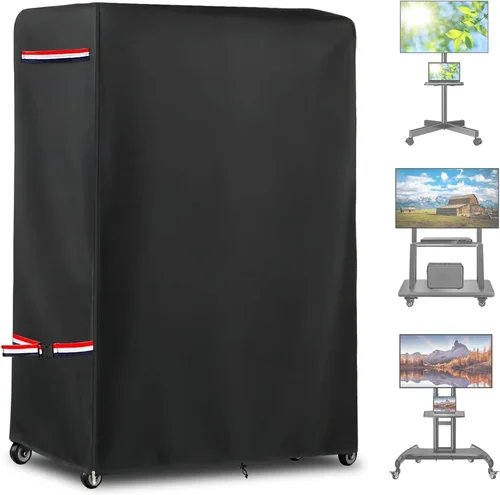
Outdoor living spaces have evolved dramatically over the past decade. What was once a simple backyard with a grill and a few chairs has transformed into fully functional extensions of the home—complete with outdoor kitchens, fire pits, and yes, even televisions. Among these modern amenities, garden TVs for covered patios have surged in popularity, offering homeowners the ability to enjoy their favorite shows, sports events, or movies while soaking in the fresh air and natural surroundings. Whether you’re hosting a summer barbecue, relaxing under string lights on a cool evening, or catching the big game with friends, a garden TV can elevate your outdoor experience to something truly special.
But buying a garden TV isn’t as simple as picking up any old television and mounting it outside. These environments present unique challenges: fluctuating temperatures, humidity, dust, insects, and even indirect sunlight can all impact performance and longevity. That’s why this comprehensive buying guide exists—to help you navigate the complexities of choosing the right outdoor TV for your covered patio. You’ll learn how to balance budget, durability, picture quality, and smart features while avoiding common pitfalls that could lead to premature failure or disappointment. We’ll break down everything from technical specifications to real-world usage scenarios, so you can make an informed decision that fits both your lifestyle and your space.
The market for outdoor TVs has grown significantly, with manufacturers now offering specialized models designed specifically for covered or semi-covered areas like patios, pergolas, and screened-in porches. Unlike fully weatherproof “all-weather” TVs built for open-air installations, garden TVs for covered patios strike a balance between performance and protection—delivering excellent picture quality without the premium price tag of fully sealed units. In this guide, we’ll explore the key factors to consider, compare different types of outdoor-ready displays, highlight mistakes to avoid, and provide expert-backed recommendations to ensure you get the most value from your investment.

What to Look for When Buying Buying Guide
1. Budget & Price Range
When shopping for a garden TV, your budget will be one of the most influential factors in your decision. Prices for outdoor-ready TVs can vary widely—from under $500 for basic indoor models used in sheltered areas to over $3,000 for premium all-weather units. However, for covered patios, you typically don’t need the full armor of an all-weather TV, which means you can find excellent options in the $800–$1,800 range that offer great value.
It’s important to understand what you’re paying for. Cheaper models may save you upfront but could lack essential features like brightness optimization, anti-glare coatings, or robust build quality—all critical for outdoor viewing. On the other hand, splurging on a high-end model with excessive weatherproofing might be unnecessary if your patio is fully covered and shielded from rain and direct sun. Set a realistic budget based on how often you’ll use the TV and how long you expect it to last. A mid-range investment often delivers the best balance of durability, performance, and cost-effectiveness.
2. Performance Specifications
Picture quality is paramount—even more so outdoors, where ambient light and viewing angles can degrade the experience. Start with resolution: 4K UHD is now the standard for new TVs and delivers sharp, detailed images ideal for larger screens viewed from a distance. Avoid 1080p models unless you’re on a tight budget and plan to sit very close.
Brightness is arguably the most critical spec for outdoor use. Indoor TVs typically range from 300 to 500 nits, but for patios—even covered ones—you’ll want at least 700 nits, with 1,000+ nits being ideal. Higher brightness helps combat glare from windows, skylights, or reflected sunlight, ensuring your content remains visible and vibrant. Look for TVs labeled “high-brightness” or “outdoor-enhanced,” as these are engineered for better performance in lit environments.
Color accuracy and contrast ratio also matter. OLED panels offer superior contrast and deep blacks but are less common in outdoor models due to cost and burn-in risks. QLED and high-end LED/LCD TVs with full-array local dimming (FALD) provide excellent color reproduction and brightness, making them strong contenders for garden setups. Refresh rate (60Hz vs. 120Hz) affects motion smoothness—important for sports and action content—so aim for at least 120Hz if you’re a sports fan.
3. Build Quality & Duridity
Even under a covered patio, your TV will face environmental stressors: temperature swings, humidity, dust, and occasional splashes. While you don’t need IP65 or IP67 waterproof ratings (reserved for fully exposed installations), you do need a unit built to withstand mild outdoor conditions.
Look for TVs with sealed internal components, rust-resistant chassis materials (like powder-coated aluminum), and ventilation systems that prevent overheating without allowing moisture ingress. Some manufacturers offer “weather-resistant” or “outdoor-ready” models that include protective coatings on circuit boards and reinforced ports. Avoid standard indoor TVs unless your patio is completely enclosed and climate-controlled—moisture can seep into vents and connectors over time, leading to corrosion and failure.
Additionally, consider the screen coating. Anti-reflective or anti-glare glass reduces distracting reflections from ambient light, improving visibility during daytime viewing. This feature is especially valuable if your patio has large windows or faces east/west for morning or evening sun.
4. Features & Functionality
Smart capabilities are no longer optional—they’re expected. Most modern garden TVs come with built-in platforms like Google TV, Roku TV, or webOS, giving you access to Netflix, YouTube, Disney+, and thousands of other apps without needing an external streaming box. Ensure the interface is responsive and supports voice control via Google Assistant or Alexa for hands-free operation.
Connectivity is another key area. You’ll want multiple HDMI ports (at least three), USB inputs, and possibly Ethernet for stable wired internet—Wi-Fi can be unreliable outdoors due to distance from your router. If you plan to connect a soundbar, gaming console, or cable box, verify compatibility and port availability.
Some models include bonus features like built-in heaters or cooling fans to regulate internal temperature, though these are more common in all-weather units. For covered patios, such extras are usually unnecessary but can be a nice-to-have if your climate experiences extreme seasonal shifts.
5. Brand Reputation
Not all TV brands are created equal—especially when it comes to outdoor performance. Stick with reputable manufacturers known for reliability and customer support. Samsung, LG, Sony, and TCL have strong track records in both indoor and outdoor display technology. Brands like SunBriteTV and Seura specialize exclusively in outdoor TVs and offer excellent warranties, but their products tend to be pricier.
Research brand-specific outdoor lines. For example, Samsung’s “The Terrace” series is designed for covered outdoor use and includes features like enhanced brightness and weather-resistant construction. LG’s “OLED evo” models, while primarily indoor, can work well in sheltered patios when paired with proper enclosures. Avoid unknown or off-brand labels that lack verified reviews or service networks—you don’t want to be stuck with a broken TV and no support.
6. Warranty & Support
Outdoor TVs represent a significant investment, so protecting that purchase with a solid warranty is essential. Standard indoor TV warranties often exclude outdoor use, so always check the fine print. Many outdoor-ready models come with extended coverage—sometimes up to three years—that explicitly covers use in covered outdoor areas.
Look for brands that offer in-home service or easy return policies. If something goes wrong, you shouldn’t have to disassemble your entire setup to ship the unit back. Some companies even provide free diagnostic calls or remote troubleshooting. Additionally, consider purchasing an extended warranty if available, especially if you live in a region with high humidity, salt air (near the coast), or frequent temperature extremes.
7. Size & Viewing Distance
Choosing the right screen size depends on your seating arrangement and available wall space. A general rule of thumb: for every foot of viewing distance, aim for about 1 inch of screen diagonal. So, if you’ll be sitting 8 feet away, a 65-inch TV is ideal. For larger patios with seating 10–12 feet back, consider 75-inch or even 85-inch models.
However, don’t go too big too fast. Oversized screens can overwhelm a space and strain your eyes if viewed too closely. Measure your wall carefully, accounting for bezel thickness and mounting hardware. Also, ensure your patio structure can support the weight—larger TVs can exceed 50 pounds, and improper mounting risks damage or injury.
8. User Reviews & Ratings
Before finalizing your purchase, dive into user reviews on trusted platforms like Amazon, Best Buy, or specialized AV forums. Pay attention to comments about long-term durability, brightness in daylight, ease of setup, and customer service experiences. Look for patterns: if multiple users report the same issue—like flickering after six months or poor app performance—it’s likely a real concern.
Be wary of overly positive or vague reviews that sound scripted. Genuine feedback often includes both pros and cons. Also, check for updates: some users return months later to report how the TV held up through seasons, which is invaluable insight you won’t get from spec sheets alone.
Different Types of Buying Guide

Common Buying Mistakes to Avoid
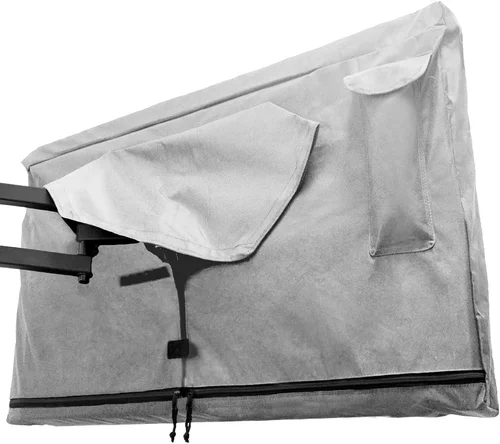
❌ Mistake: Using a Standard Indoor TV Without Protection
Why it’s bad: Indoor TVs aren’t designed to handle humidity, temperature fluctuations, or dust. Even in a covered patio, moisture can condense inside the unit during cool nights, leading to corrosion, short circuits, or screen fogging. Over time, this drastically shortens the TV’s lifespan—often within 1–2 years.
What to do instead: Invest in an outdoor-ready model or use a certified outdoor enclosure if you must repurpose an indoor TV. Ensure proper ventilation and avoid placing the TV near grills, sprinklers, or open windows where steam or rain could reach it.
❌ Mistake: Ignoring Brightness Requirements
Why it’s bad: A dim screen turns your outdoor movie night into a squint-fest. Most indoor TVs max out at 400–500 nits, which is insufficient when ambient light reflects off surfaces or filters through screens. You’ll end up turning up the brightness to max, draining energy and potentially overheating the panel.
What to do instead: Prioritize TVs with at least 700 nits, ideally 1,000+. Check specs carefully—some brands advertise “outdoor mode” that boosts brightness temporarily, but sustained high output requires hardware designed for it.
❌ Mistake: Overlooking Mounting and Installation Challenges
Why it’s bad: Outdoor mounting isn’t as simple as drilling into drywall. You may need masonry anchors, weatherproof conduit for cables, or a tilt/swivel mount to adjust for sun angles. Poor installation can lead to instability, water intrusion, or electrical hazards.
What to do instead: Hire a professional installer experienced with outdoor AV setups, or use a certified outdoor mounting kit. Run cables through sealed conduits and use silicone sealant around wall penetrations to prevent moisture ingress.
❌ Mistake: Skimping on Audio
Why it’s bad: Built-in TV speakers are rarely powerful enough for outdoor spaces, where sound dissipates quickly. You’ll struggle to hear dialogue over wind, traffic, or background noise, ruining the viewing experience.
What to do instead: Pair your TV with outdoor-rated speakers or a weather-resistant soundbar. Wireless options like Bluetooth speakers offer flexibility, but wired setups provide more reliable audio sync and volume.
❌ Mistake: Not Considering Future Upgrades
Why it’s bad: Technology evolves fast. Buying a TV with outdated ports (like only HDMI 1.4) or limited smart features can leave you unable to connect newer devices or access updated apps.
What to do instead: Choose a model with HDMI 2.1, eARC support, and a modern smart platform that receives regular software updates. This ensures compatibility with future streaming services, gaming consoles, and voice assistants.
❌ Mistake: Assuming All “Outdoor” TVs Are Equal
Why it’s bad: The term “outdoor TV” is loosely used. Some are merely indoor TVs sold with a disclaimer; others are truly engineered for exterior use. Confusing the two can lead to premature failure.
What to do instead: Read product descriptions carefully. Look for terms like “weather-resistant,” “enhanced brightness,” or “designed for covered outdoor use.” Verify IP ratings if applicable and check warranty coverage for outdoor installation.
❌ Mistake: Neglecting Power and Connectivity Planning
Why it’s bad: Running extension cords across your patio creates tripping hazards and looks messy. Weak Wi-Fi signals result in buffering and frustration.
What to do instead: Plan your power source and network connection before mounting. Use outdoor-rated extension cords or hire an electrician to install a dedicated outlet. For internet, consider a mesh Wi-Fi system with an outdoor node or run an Ethernet cable through the wall.
Budget Guidelines: How Much Should You Spend?
Entry-Level ($400–$700): This tier includes basic indoor TVs used in fully enclosed, climate-controlled patios. Expect 1080p or entry-level 4K resolution, standard brightness (300–500 nits), and minimal smart features. Ideal for occasional use in protected spaces, but not recommended for areas exposed to humidity or temperature swings. Brands like TCL and Hisense offer decent value here, but durability is a concern.
Mid-Range ($800–$1,500): The sweet spot for most covered patio owners. These TVs offer 4K resolution, 700–1,000+ nits brightness, weather-resistant builds, and full smart platforms. Models from Samsung, LG, and Vizio in this range deliver excellent picture quality and reliability. You’ll also find better warranties and customer support. This tier balances performance, protection, and price—perfect for regular outdoor entertainment.
Premium ($1,600–$2,500): Designed for enthusiasts who want top-tier performance and longevity. These units feature OLED or QLED panels, advanced anti-glare coatings, robust metal chassis, and extended warranties. Brands like Sony and premium lines from Samsung (e.g., The Terrace) dominate this space. Ideal for large patios, frequent use, or homes in challenging climates.
Luxury ($2,600+): Reserved for all-weather or custom-built solutions. These TVs are fully sealed, often include integrated heating/cooling, and come with professional installation services. Companies like SunBriteTV and Seura cater to this market. While overkill for most covered patios, they’re worth considering if your space is partially exposed or you demand absolute reliability.
Expert Tips for Getting the Best Deal
1. Shop During Seasonal Sales: The best time to buy an outdoor TV is late winter or early spring (February–April), just before outdoor living season kicks in. Retailers often discount previous-year models to clear inventory. Black Friday and Prime Day also offer solid deals, but selection may be limited.
2. Compare Online and In-Store Options: Online retailers like Amazon, Crutchfield, and Abt often have lower prices and detailed specs, while brick-and-mortar stores let you see the screen in person. Use both: research online, then visit a store to test brightness and color accuracy under bright lighting.
3. Look for Bundled Deals: Some sellers offer packages that include mounts, cables, or soundbars at a discount. These can save you $100–$200 compared to buying separately. Check manufacturer websites for promotions.
4. Verify Return and Exchange Policies: Outdoor TVs are harder to return due to size and installation complexity. Ensure the retailer offers at least a 30-day return window and covers return shipping. Some brands also allow in-home exchanges.
5. Test Before Finalizing Installation: Once delivered, power on the TV and test all inputs, apps, and audio before mounting. This ensures everything works and gives you time to return it if there’s an issue.
6. Consider Refurbished or Open-Box Units: Certified refurbished models from reputable sellers often come with full warranties and can save you 15–30%. Just verify they’re specifically rated for outdoor or covered use.
7. Don’t Overlook Local Installers: Many AV specialists offer TV + installation bundles at competitive rates. They can also advise on optimal placement, cable management, and audio integration—saving you headaches down the line.
8. Read the Warranty Fine Print: Confirm that outdoor use is covered. Some warranties void coverage if the TV is installed outside, even under cover. Keep all documentation and register your product promptly.

Frequently Asked Questions
Q: Can I use a regular indoor TV on my covered patio?
A: Technically yes—but only if your patio is fully enclosed, climate-controlled, and shielded from moisture, dust, and extreme temperatures. Even then, indoor TVs lack the brightness and durability needed for optimal outdoor viewing. For anything beyond occasional use in a sunroom-like space, an outdoor-ready model is strongly recommended.
Q: Do I need a special mount for an outdoor TV?
A: Yes. Standard mounts aren’t designed for outdoor conditions. Use a weather-resistant, corrosion-proof mount rated for your TV’s weight and size. Tilt or full-motion mounts help adjust for sun glare and viewing angles. Always secure it to structural studs or masonry—not just siding or drywall.
Q: How do I protect my TV from rain if the patio isn’t fully enclosed?
A: If there’s any risk of rain exposure, avoid using indoor TVs altogether. For outdoor-ready models, ensure the patio has adequate overhang (at least 2–3 feet) and consider adding side shields or a retractable awning. Never rely solely on the TV’s weather resistance—physical protection is key.
Q: Will my Wi-Fi work well outdoors?
A: It depends on your router’s range and obstacles like walls or metal structures. For reliable streaming, use a mesh Wi-Fi system with an outdoor extender or run a buried Ethernet cable to the patio. Powerline adapters are another option if electrical circuits are shared.
Q: Can I leave my garden TV on all the time?
A: Not recommended. Continuous operation generates heat and accelerates wear, especially in enclosed spaces with poor ventilation. Use a timer or smart plug to turn it off when not in use, and avoid leaving it on overnight.
Q: Are outdoor TVs energy efficient?
A: Modern LED/LCD outdoor TVs are relatively efficient, but high brightness increases power consumption. Look for ENERGY STAR-certified models, which meet strict efficiency guidelines. OLED TVs use less power for dark scenes but can draw more for bright content.
Q: What’s the difference between “outdoor-ready” and “all-weather” TVs?
A: “Outdoor-ready” models are designed for covered or semi-covered areas—they resist humidity and dust but aren’t fully sealed against rain or snow. “All-weather” TVs are IP-rated, fully enclosed, and built for direct exposure to the elements. For covered patios, outdoor-ready is usually sufficient and more affordable.
Q: How long do outdoor TVs typically last?
A: With proper care, a quality outdoor-ready TV should last 5–7 years—similar to indoor models. Factors like climate, usage frequency, and maintenance (e.g., cleaning vents, checking seals) significantly impact lifespan. All-weather units may last longer due to superior build quality.
Q: Can I connect a gaming console to my garden TV?
A: Absolutely. Most outdoor-ready TVs include HDMI 2.1 ports supporting 4K/120Hz, VRR, and ALLM—ideal for next-gen consoles like PlayStation 5 and Xbox Series X. Just ensure low input lag (<20ms) for responsive gameplay.
Q: Do I need a separate streaming device?
A: Not if your TV has a built-in smart platform (which most do). However, if the interface is slow or lacks your preferred apps, adding a Roku, Fire Stick, or Apple TV can improve performance and expand functionality.
Our Final Recommendations
Best for Budget-Conscious Buyers: TCL 6-Series (55″ or 65″) – Offers 4K QLED, 1,000+ nits brightness, and Roku TV at under $800. While not officially “outdoor,” it performs well in covered patios with minimal exposure. Pair with a basic weather-resistant mount for added protection.
Best Overall Value: Samsung The Terrace Partial Sun (65″) – Specifically engineered for covered outdoor use, this model delivers 2,000 nits brightness, anti-reflective coating, and a sleek weather-resistant design. Priced around $1,800, it’s a standout for performance and durability.
Best Premium Option: LG OLED evo G3 (65″) – Though primarily an indoor TV, its exceptional brightness (up to 1,500 nits with HDR), perfect blacks, and slim profile make it ideal for enclosed patios. Use with a quality outdoor enclosure for added protection. Expect to pay $2,200–$2,500.
Best for Beginners: Vizio M-Series Quantum (55″) – Affordable, bright (800 nits), and easy to set up with intuitive smart features. Great for first-time outdoor TV owners who want reliable performance without complexity.
Best for Advanced Users: SunBriteTV Veranda Series (75″) – A true all-weather unit with 1,000+ nits, full IP55 rating, and integrated cooling. Perfect for tech-savvy users who want maximum reliability and don’t mind the $3,000+ price tag.
Conclusion: Making the Right Choice
Choosing the right garden TV for your covered patio is about more than just picking a screen that fits your wall—it’s about creating an immersive, durable, and enjoyable outdoor entertainment experience. By focusing on key factors like brightness, build quality, smart features, and proper installation, you can avoid costly mistakes and ensure your investment lasts for years. Remember, your patio is an extension of your home, and the right TV can transform it into a true gathering place for family and friends.
Don’t rush the decision. Take time to assess your space, usage habits, and budget. Read reviews, compare models, and consult professionals if needed. And most importantly, prioritize your specific needs over flashy specs or brand names. Whether you’re watching the sunset with a movie or cheering on your team during playoffs, the perfect garden TV is out there—waiting to bring your outdoor vision to life.
Now that you’re equipped with expert knowledge, it’s time to make your move. Start shopping with confidence, install with care, and enjoy countless hours of entertainment under the open sky. Your ideal outdoor oasis is just a purchase away.

