
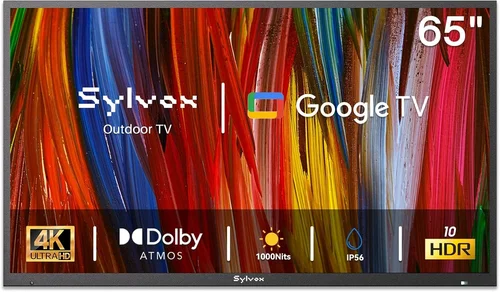
When it comes to transforming your screened porch into a true outdoor entertainment hub, few upgrades deliver the same wow factor as a weatherproof TV. Whether you’re watching the big game under the stars, catching up on your favorite series during a summer evening, or simply enjoying background entertainment while grilling, a properly installed outdoor television can elevate your outdoor living experience to a whole new level. But here’s the catch: not all TVs are created equal when it comes to enduring the elements. Unlike their indoor counterparts, weatherproof TVs are engineered to withstand humidity, temperature swings, dust, and even direct sunlight—making them a specialized investment that requires careful consideration.
This comprehensive buyer’s guide is designed to cut through the noise and help you make an informed decision. Whether you’re a first-time buyer or upgrading from an older model, you’ll learn exactly what to look for, how to avoid costly mistakes, and which models offer the best value for your specific needs. We’ll walk you through key performance specs, build quality, smart features, and installation tips—all tailored specifically for screened porch environments. By the end of this guide, you’ll have the confidence to choose a weatherproof TV that delivers stunning picture quality, reliable performance, and long-term durability, no matter the season.
The market for outdoor TVs has evolved significantly in recent years. Once dominated by bulky, expensive commercial-grade displays, today’s weatherproof TVs blend sleek design with advanced technology, offering options for every budget and lifestyle. From fully sealed, all-weather models to more affordable outdoor-enclosure solutions, there’s never been a better time to invest in an outdoor display. However, with so many choices—and a lot of marketing hype—it’s easy to get overwhelmed. That’s why this guide focuses on real-world performance, expert insights, and practical advice to help you navigate the options and find the perfect fit for your screened porch.

What to Look for When Buying Buying Guide
1. Weatherproof Rating (IP Rating)
The most critical factor when choosing a weatherproof TV is its Ingress Protection (IP) rating. This standardized code tells you exactly how well the TV resists dust and moisture. For screened porches—where humidity, occasional rain splash, and temperature fluctuations are common—you’ll want a TV with at least an IP55 rating. This means the unit is protected against dust ingress (limited) and low-pressure water jets from any direction. Higher-end models may offer IP65 or even IP66 ratings, providing full dust protection and resistance to powerful water jets, making them ideal for more exposed areas or regions with heavy rainfall.
It’s important to note that not all “outdoor” TVs are fully sealed. Some manufacturers sell standard indoor TVs with outdoor enclosures, which can be a cost-effective solution but may lack the same level of protection as a true all-weather display. Always check the IP rating and verify whether the TV itself is weatherproof or if it requires an external housing. For screened porches, where full exposure is limited but environmental factors still pose risks, a TV with a solid IP55 or higher rating ensures peace of mind and long-term reliability.
2. Display Technology & Brightness
Picture quality outdoors is a completely different challenge than indoors. Sunlight glare, ambient light, and reflections can wash out even the most vibrant indoor TVs. That’s why brightness—measured in nits—is one of the most important specs for outdoor use. For a screened porch, where direct sunlight is partially blocked but ambient light is still strong, aim for a minimum of 700 nits. Premium outdoor TVs often exceed 1,000 nits, delivering crisp, vivid images even on bright afternoons.
In terms of display technology, LED-LCD panels dominate the outdoor TV market due to their brightness, energy efficiency, and affordability. However, some high-end models now feature OLED or QLED technology, offering deeper blacks and richer colors. While OLED provides superior contrast, it can be more susceptible to burn-in and may not perform as well in high-brightness environments. QLED, on the other hand, uses quantum dots to enhance color and brightness, making it a strong contender for outdoor use. Ultimately, for a screened porch, a high-brightness QLED or advanced LED-LCD with anti-reflective coating will deliver the best viewing experience across varying light conditions.
3. Build Quality & Durational Materials
Outdoor TVs are built to last—but not all are created equal. The materials used in construction play a huge role in durability. Look for TVs with powder-coated aluminum or stainless-steel chassis, which resist rust, corrosion, and UV degradation. Avoid models with plastic casings, especially in humid or coastal environments, as they can warp, crack, or degrade over time.
Pay close attention to the sealing around ports, vents, and the screen itself. High-quality weatherproof TVs use gaskets, silicone seals, and fully enclosed designs to prevent moisture and dust from entering the internal components. Some models also feature passive cooling systems (no fans) to reduce the risk of dust buildup and mechanical failure. Additionally, check whether the TV includes a protective front glass layer—this not only enhances durability but also reduces glare and improves visibility in bright conditions. A well-built outdoor TV should feel solid, weather-resistant, and designed for long-term exposure to the elements.
4. Smart Features & Connectivity
Just because a TV is built for the outdoors doesn’t mean it should lack modern conveniences. Most premium weatherproof TVs now come with built-in smart platforms like Android TV, webOS, or Roku, giving you access to streaming services like Netflix, Hulu, Disney+, and YouTube without needing an external device. This is especially useful on a screened porch, where running cables or setting up a streaming box can be cumbersome.
Connectivity is another key consideration. Ensure the TV has multiple HDMI ports (preferably HDMI 2.1 for future-proofing), USB inputs, and support for wireless technologies like Wi-Fi 6 and Bluetooth. Some models also include built-in speakers, though for the best audio experience, you’ll likely want to connect external weatherproof speakers or a soundbar. Look for TVs with ARC (Audio Return Channel) support to simplify audio routing. Additionally, check for compatibility with voice assistants like Alexa or Google Assistant, which can make controlling your TV hands-free—perfect for outdoor entertaining.
5. Size & Viewing Distance
Choosing the right screen size for your screened porch depends on your seating arrangement and viewing distance. A common rule of thumb is to sit at a distance equal to 1.5 to 2.5 times the diagonal screen size. For example, a 55-inch TV is ideal for viewing distances of 7 to 10 feet, while a 75-inch model suits 10 to 15 feet. However, outdoor environments often require larger screens due to ambient light and the need for greater visibility.
Consider the layout of your porch. If you have a large seating area or plan to host gatherings, a 65-inch or 75-inch TV will provide a more immersive experience. On the other hand, if space is limited or you’re using the TV primarily for background viewing, a 50-inch or 55-inch model may be sufficient. Also, think about mounting options—wall mounts, ceiling mounts, or articulated arms can help optimize viewing angles and protect the TV from weather exposure. Always measure your space and consider sightlines from all seating areas before making a decision.
6. Brand Reputation & Reliability
Not all outdoor TV brands are created equal. While mainstream manufacturers like Samsung, LG, and Sony offer high-quality indoor displays, the outdoor TV market is dominated by specialized brands that focus exclusively on weatherproof technology. Companies like SunBriteTV, Seura, and SkyVue have built their reputations on durability, performance, and customer support in outdoor environments.
When evaluating brands, look for those with a proven track record in outdoor installations. Read customer reviews, especially from users in similar climates or settings. Check whether the brand offers dedicated outdoor support, including installation guidance and troubleshooting. Avoid unknown or generic brands that may cut corners on materials or lack proper certifications. A reputable brand not only ensures better build quality but also provides peace of mind knowing your investment is backed by expertise and reliable service.
7. Warranty & Support
Outdoor TVs are a significant investment, so warranty coverage is essential. Most premium weatherproof TVs come with a 2- to 3-year warranty, which is longer than standard indoor models. This reflects the manufacturer’s confidence in the product’s durability. Look for warranties that cover both parts and labor, and check whether they include protection against environmental damage—some brands offer specific coverage for humidity, temperature extremes, or corrosion.
Customer support is equally important. Choose a brand that offers responsive service, easy access to replacement parts, and clear installation guidelines. Some companies even provide on-site support or partner with certified installers. Avoid brands with limited support channels or long response times. A strong warranty and reliable support network can save you time, money, and frustration if issues arise down the line.
8. Installation & Mounting Requirements
Proper installation is critical for both performance and safety. Weatherproof TVs are heavier than indoor models due to their reinforced construction, so you’ll need a sturdy mount rated for outdoor use. Look for mounts made from corrosion-resistant materials like stainless steel or aluminum, with a weight capacity that exceeds your TV’s specifications.
Consider the location of power outlets, cable management, and signal sources. Running cables through walls or under flooring may be necessary, so plan your setup in advance. Some TVs come with built-in cable management systems, while others require external conduit. If you’re not comfortable with electrical work, hire a licensed professional to handle the installation. Additionally, ensure the TV is mounted in a shaded or covered area to minimize direct sun exposure, which can affect longevity and viewing quality. Proper installation not only protects your investment but also ensures optimal performance and safety.
Different Types of Buying Guide

Common Buying Mistakes to Avoid
❌ Mistake: Buying a Standard Indoor TV for Outdoor Use
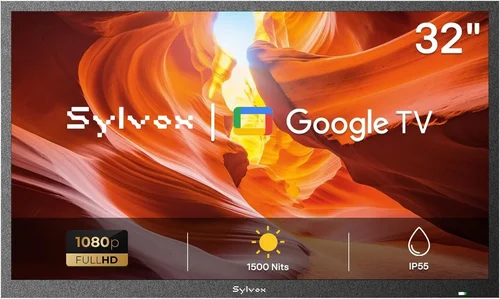
Why it’s bad: Indoor TVs are not designed to handle humidity, temperature changes, or dust. Even in a screened porch, moisture can seep into the internal components, causing corrosion, screen fogging, or complete failure. Additionally, indoor TVs lack the brightness needed for outdoor visibility, resulting in a washed-out image.
What to do instead: Invest in a true weatherproof TV or use a high-quality outdoor enclosure. If budget is a concern, consider a weather-resistant indoor model with an IP rating, but avoid placing standard TVs in any outdoor or semi-outdoor space.
❌ Mistake: Ignoring the IP Rating
Why it’s bad: Without a proper IP rating, you have no way of knowing how well the TV will resist environmental factors. A TV marketed as “outdoor-ready” may only have minimal protection, leading to premature failure in humid or rainy conditions.
What to do instead: Always check the IP rating before purchasing. For screened porches, aim for IP55 or higher. Verify the rating with the manufacturer if it’s not clearly listed.
❌ Mistake: Overlooking Brightness Requirements
Why it’s bad: A dim TV will be nearly unwatchable on a sunny day, even under a screen. Most indoor TVs peak at 300–500 nits, which is insufficient for outdoor use.
What to do instead: Choose a TV with at least 700 nits of brightness. For brighter porches, opt for 1,000+ nits. Look for models with anti-reflective coatings to reduce glare.
❌ Mistake: Choosing the Wrong Size
Why it’s bad: A TV that’s too small will be hard to see from a distance, while one that’s too large can overwhelm the space and strain your budget.
What to do instead: Measure your viewing distance and use the 1.5x to 2.5x rule. Consider the layout and seating arrangement to find the optimal size for your porch.
❌ Mistake: Skimping on Installation
Why it’s bad: Improper mounting can lead to instability, water damage, or electrical hazards. DIY installations without proper knowledge can void warranties.
What to do instead: Use a certified outdoor mount and consider hiring a professional installer. Ensure all cables are properly sealed and routed to prevent moisture ingress.
❌ Mistake: Neglecting Audio Quality
Why it’s bad: Built-in TV speakers are often weak and muffled, especially outdoors where sound dissipates quickly.
What to do instead: Pair your TV with weatherproof outdoor speakers or a soundbar. Look for models with ARC support for easy audio routing.
❌ Mistake: Forgetting About Power and Connectivity
Why it’s bad: Running cables across your porch can be unsightly and hazardous. Without proper planning, you may lack the ports or signal strength needed for streaming.
What to do instead: Plan your cable management in advance. Use weatherproof conduits and ensure your Wi-Fi signal reaches the TV. Consider a mesh network extender if needed.
Budget Guidelines: How Much Should You Spend?
- Entry-Level ($800 – $1,500): These are typically weather-resistant indoor TVs or basic outdoor enclosures. They offer decent brightness and basic smart features but may lack full weatherproofing or long-term durability. Best for covered porches with minimal exposure.
- Mid-Range ($1,500 – $3,000): This is the sweet spot for most buyers. You’ll find true all-weather TVs with IP55+ ratings, 700–1,000 nits brightness, and solid smart platforms. Ideal for screened porches with moderate environmental exposure.
- Premium ($3,000 – $5,000): High-end models with IP65+ ratings, QLED or OLED displays, and advanced features like voice control, built-in streaming, and superior audio. Built for longevity and performance in challenging conditions.
- Luxury ($5,000+): Commercial-grade or custom-built outdoor displays with extreme durability, 24/7 operation capability, and professional installation support. Best for large estates, commercial spaces, or extreme climates.
Expert Tips for Getting the Best Deal
- Buy During Off-Season: Prices on outdoor TVs often drop in late fall and winter when demand is lower. Look for end-of-season sales from retailers like Costco, Best Buy, or specialty outdoor tech stores.
- Compare Retailers: Check prices at both big-box stores and online specialists. Some online retailers offer free shipping, extended warranties, or bundle deals with mounts and speakers.
- Look for Refurbished Models: Certified refurbished outdoor TVs from reputable brands can save you 20–30% while offering the same performance and warranty coverage.
- Check Return Policies: Ensure the retailer offers a generous return window (at least 30 days) in case the TV doesn’t meet your expectations or has defects.
- Test Before You Buy: If possible, visit a showroom to see the TV in person. Pay attention to brightness, color accuracy, and build quality.
- Negotiate Installation: Some retailers offer free or discounted installation with purchase. Don’t hesitate to ask—especially during promotions.
- Consider Energy Efficiency: Look for ENERGY STAR-certified models to reduce long-term electricity costs, especially if the TV will be used frequently.
- Read the Fine Print: Warranty terms can vary widely. Make sure you understand what’s covered and for how long before making a purchase.

Frequently Asked Questions
Q: Can I use a regular TV on my screened porch?
A: Technically, yes—but it’s not recommended. Standard indoor TVs lack the weatherproofing, brightness, and durability needed for outdoor environments. Even in a screened porch, humidity and temperature swings can damage internal components over time.
Q: Do weatherproof TVs need to be covered?
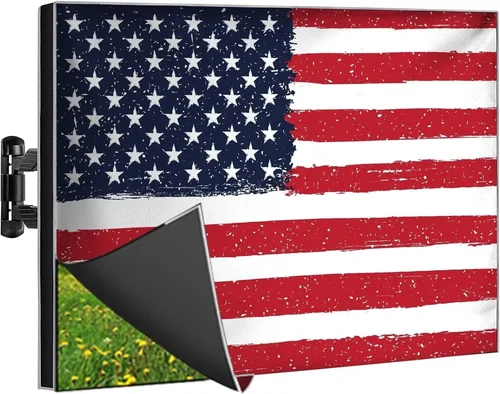
A: While they’re built to withstand the elements, it’s still a good idea to install them under a covered area or use a weatherproof cover when not in use. This extends the lifespan and maintains optimal performance.
Q: How long do outdoor TVs last?
A: With proper care, a high-quality weatherproof TV can last 7–10 years or more. Factors like climate, usage, and maintenance play a role in longevity.
Q: Can I stream content on an outdoor TV?
A: Yes! Most modern weatherproof TVs come with built-in smart platforms like Android TV or Roku, allowing you to stream directly from apps like Netflix, Hulu, and YouTube.
Q: Do I need special speakers for outdoor use?
A: While not required, weatherproof outdoor speakers significantly improve audio quality. Built-in TV speakers are often inadequate for outdoor environments.
Q: Can I mount an outdoor TV on a ceiling?
A: Yes, many outdoor TVs support ceiling mounts. Ensure the mount is rated for outdoor use and can support the TV’s weight.
Q: Are outdoor TVs energy efficient?
A: Many modern models are ENERGY STAR certified and use efficient LED backlighting. However, higher brightness levels can increase power consumption.
Q: What’s the difference between IP55 and IP65?
A: IP55 protects against dust and low-pressure water jets. IP65 offers full dust protection and resistance to powerful water jets, making it better for more exposed areas.
Q: Can I use a soundbar with an outdoor TV?
A: Yes, as long as the soundbar is weatherproof or placed in a protected area. Use ARC or optical audio for the best connection.
Q: Do outdoor TVs come with remotes?
A: Yes, most include weather-resistant remotes. Some also support smartphone control via apps.
Our Final Recommendations
- Best for Budget-Conscious Buyers: SunBriteTV Veranda Series – Offers excellent value with IP55 rating, 700+ nits brightness, and built-in smart features at a mid-range price.
- Best Overall Value: Seura Outdoor TV – Combines premium build quality, 1,000+ nits brightness, and a sleek design with reliable performance in screened porch environments.
- Best Premium Option: SkyVue Pro Series – Features IP65 rating, QLED display, and commercial-grade durability for those who want top-tier performance and longevity.
- Best for Beginners: LG Outdoor TV (with enclosure) – A user-friendly option with familiar LG smart features and easy setup, ideal for first-time outdoor TV owners.
- Best for Advanced Users: SunBriteTV Signature Series – Built for tech enthusiasts who demand the highest brightness, smart integration, and customization options.
Conclusion: Making the Right Choice
Choosing the right weatherproof TV for your screened porch is about more than just picture quality—it’s about investing in a durable, reliable, and enjoyable outdoor experience. From understanding IP ratings and brightness requirements to avoiding common pitfalls and selecting the right size, every decision plays a role in your long-term satisfaction. Remember, a screened porch is a transitional space, exposed to the elements yet sheltered from the worst of them. Your TV should be built to match that balance: resilient enough to endure humidity and temperature swings, yet sophisticated enough to deliver a premium viewing experience.
As you weigh your options, prioritize your specific needs. Are you hosting frequent gatherings? Do you live in a humid or coastal climate? How much sunlight does your porch receive? Answering these questions will guide you toward the right model, whether it’s a budget-friendly enclosure solution or a high-end all-weather display. And don’t forget the importance of professional installation and proper maintenance—these factors can make or break your investment.
Ultimately, the best weatherproof TV is the one that fits your lifestyle, budget, and environment. With the insights from this guide, you’re now equipped to make a confident, informed decision. So go ahead—transform your screened porch into the ultimate outdoor entertainment space. Your future self will thank you every time you press play under the open sky.

