
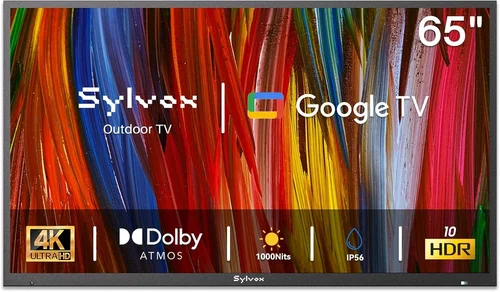
Outdoor living spaces have evolved dramatically over the past decade. What was once a simple patio or backyard has transformed into fully functional extensions of the home—complete with outdoor kitchens, fire pits, and yes, high-performance entertainment systems. Among the most sought-after additions to these spaces is a weatherproof TV, especially for structures like pergolas that offer partial shelter but little protection from the elements. Whether you’re hosting summer barbecues, watching the big game under string lights, or enjoying a quiet evening with a movie under the stars, a weatherproof TV can elevate your outdoor experience to something truly special.
But not all outdoor TVs are created equal—and choosing the right one for your pergola requires more than just picking the biggest screen you can afford. The market is flooded with options ranging from basic weather-resistant models to fully sealed, climate-controlled displays built to withstand rain, snow, dust, and extreme temperatures. With so many variables at play—from build quality and display performance to smart features and installation requirements—it’s easy to make a costly mistake if you’re not well-informed. That’s where this comprehensive buying guide comes in. We’ll walk you through everything you need to know to make a smart, confident decision tailored to your specific needs, budget, and outdoor setup.
In this guide, you’ll learn how to evaluate key factors like durability, display clarity in bright conditions, connectivity options, and long-term reliability. We’ll compare different types of weatherproof TVs, highlight common pitfalls to avoid, and provide expert-backed recommendations based on real-world performance. Whether you’re a first-time buyer or upgrading from an older model, this guide will equip you with the knowledge to invest wisely in a TV that delivers stunning visuals season after season—no matter what Mother Nature throws at it.

What to Look for When Buying a Weatherproof TV for Your Pergola
1. Weather Resistance Rating (IP Rating)
One of the most critical factors when selecting a weatherproof TV is its Ingress Protection (IP) rating. This standardized code indicates how well the TV resists dust and moisture. For pergola installations—where the TV is exposed to rain, humidity, and debris—you’ll want a model with at least an IP55 rating, though IP65 or higher is ideal. An IP55 rating means the TV is protected against low-pressure water jets and limited dust ingress, while IP65 offers complete dust protection and resistance to water projected from a nozzle. Some premium models even boast IP66 or IP67 ratings, making them suitable for harsher environments like coastal areas or regions with heavy rainfall.
Don’t confuse “weather-resistant” with “fully weatherproof.” Many manufacturers market TVs as “outdoor-ready” when they’re only partially sealed. Always check the IP rating and look for independent certifications. Also, consider the TV’s internal climate control system—many high-end models include built-in heaters and cooling fans to prevent condensation and overheating, which is essential for year-round use in variable climates.
2. Display Brightness and Anti-Glare Technology
Outdoor viewing presents unique challenges, especially when it comes to screen visibility in direct sunlight. Standard indoor TVs typically peak at 300–500 nits of brightness, which is insufficient for outdoor use. A quality weatherproof TV should deliver at least 700 nits, with premium models exceeding 2,000 nits. This ensures the image remains clear and vibrant even on sunny afternoons.
Equally important is anti-glare or anti-reflective coating. Pergolas often have open sides, allowing sunlight to hit the screen from multiple angles. Without proper glare reduction, the image can wash out or become unreadable. Look for TVs with matte finishes and optical bonding—a process that fuses the screen layers to minimize reflections. Some manufacturers, like SunBrite and Samsung, use advanced technologies such as direct-lit LED backlighting and high-contrast panels to enhance visibility in bright conditions.
3. Build Quality and Duraling Materials
The physical construction of a weatherproof TV determines its longevity. Unlike indoor TVs, which are housed in lightweight plastic or thin metal, outdoor models must endure temperature swings, UV exposure, and physical impacts. The best weatherproof TVs feature powder-coated aluminum or stainless-steel chassis that resist rust and corrosion. Avoid models with plastic exteriors, as they can degrade over time when exposed to sunlight and moisture.
Pay close attention to the seals around ports, vents, and the screen itself. High-quality gaskets and silicone seals prevent water and dust from entering the internal components. Additionally, check whether the TV includes a protective front glass layer—this not only enhances durability but also improves image clarity by reducing reflections. For pergola installations, where the TV may be mounted at an angle or partially exposed, robust build quality is non-negotiable.
4. Smart Features and Connectivity Options
Modern weatherproof TVs are no longer just dumb screens—they come packed with smart functionality. Look for models that support popular platforms like Android TV, webOS, or Roku, allowing you to stream content from Netflix, YouTube, Disney+, and more without needing an external device. Built-in Wi-Fi and Bluetooth are essential for seamless connectivity, especially if your pergola is far from your router.
Connectivity ports are another crucial consideration. Ensure the TV has multiple HDMI inputs (preferably HDMI 2.1 for 4K/120Hz support), USB ports, and an Ethernet jack for wired internet. Some models also include optical audio outputs or ARC (Audio Return Channel) for connecting soundbars or outdoor speakers. If you plan to use gaming consoles or streaming sticks, verify compatibility and port placement—some outdoor TVs have recessed or covered ports to protect against the elements, which can make plugging in cables a bit tricky.
5. Size and Viewing Distance
Choosing the right screen size depends on your pergola’s dimensions and typical seating arrangement. A general rule of thumb is that the viewing distance should be about 1.5 to 2.5 times the diagonal screen size. For example, a 55-inch TV is ideal for seating 6 to 10 feet away, while a 75-inch model suits distances of 10 to 15 feet.
However, outdoor environments often require larger screens due to ambient light and the need for greater visual impact. A 65-inch or 75-inch TV is often the sweet spot for most pergola setups. Keep in mind that larger screens may require stronger mounting hardware and more power, so ensure your pergola structure can support the weight and that you have access to a weatherproof power outlet.
6. Installation and Mounting Requirements
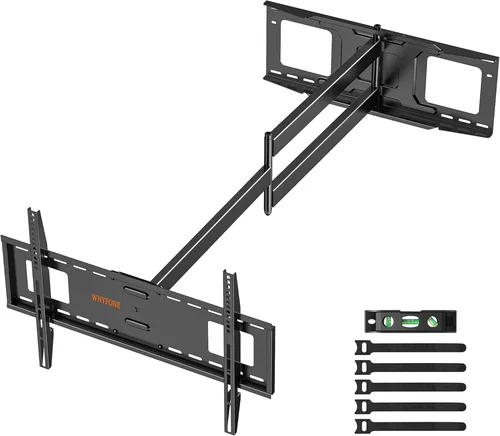
Proper installation is just as important as the TV itself. Weatherproof TVs are heavier than their indoor counterparts due to reinforced casings and additional components like cooling systems. You’ll need a sturdy, corrosion-resistant mount rated for outdoor use. Full-motion or tilt mounts are ideal for pergolas, as they allow you to adjust the screen angle to reduce glare and optimize viewing comfort.
Consider the TV’s ventilation needs. Even with built-in climate control, the unit requires adequate airflow to prevent overheating. Avoid enclosing the TV in a tight cabinet or covering it with a tarp, as this can trap heat and moisture. Many manufacturers provide detailed installation guides and recommend minimum clearance distances. If you’re not confident in your DIY skills, hire a professional installer familiar with outdoor AV setups.
7. Brand Reputation and Customer Support
Not all outdoor TV brands are equal. Established players like SunBriteTV, Samsung (with its Terrace line), and LG (with its Outdoor series) have a proven track record of reliability and innovation. These companies invest heavily in R&D to ensure their products meet rigorous outdoor performance standards. In contrast, lesser-known brands may cut corners on materials or lack proper testing.
Customer support is another key differentiator. Outdoor TVs are a significant investment, and you’ll want assurance that help is available if something goes wrong. Look for brands that offer responsive customer service, detailed troubleshooting resources, and accessible technical support. Reading user reviews on trusted platforms like Amazon, Best Buy, or specialty AV forums can provide valuable insights into real-world reliability and post-purchase experience.
8. Warranty and Long-Term Reliability
A strong warranty is a strong indicator of a manufacturer’s confidence in their product. Most reputable weatherproof TVs come with a 2- to 3-year limited warranty, covering defects in materials and workmanship. Some brands, like SunBriteTV, offer extended warranties or optional coverage plans that include accidental damage or environmental failures.
Pay attention to what the warranty covers. Does it include the display, internal electronics, and climate control system? Is it valid only if installed by a certified professional? Also, check whether the warranty is transferable—this can be a selling point if you ever decide to sell your home. Long-term reliability is crucial, as replacing an outdoor TV is far more complex and costly than swapping out an indoor model.
Different Types of Weatherproof TVs

Common Buying Mistakes to Avoid
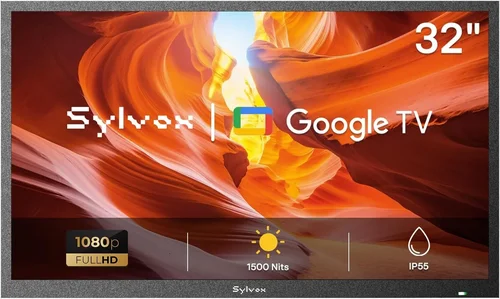
❌ Mistake: Assuming All “Outdoor” TVs Are Fully Weatherproof
Why it’s bad: Many TVs are labeled as “outdoor” but only offer basic weather resistance. These models may not withstand heavy rain, snow, or temperature extremes, leading to premature failure.
What to do instead: Always verify the IP rating and look for models specifically designed for full outdoor exposure. Check manufacturer specifications and user reviews to confirm real-world performance.
❌ Mistake: Ignoring Brightness and Glare Issues
Why it’s bad: A dim screen will be unwatchable in daylight, ruining the outdoor entertainment experience. Glare from sunlight can make the image invisible, especially on reflective surfaces.
What to do instead: Choose a TV with at least 700 nits of brightness and anti-glare coating. Test the screen in similar lighting conditions if possible, or rely on expert reviews that evaluate outdoor visibility.
❌ Mistake: Overlooking Installation Requirements
Why it’s bad: Improper mounting can lead to instability, water ingress, or overheating. Using indoor mounts or DIY enclosures not rated for outdoor use can void warranties and pose safety risks.
What to do instead: Use manufacturer-recommended outdoor mounts and follow installation guidelines precisely. Consider hiring a professional if you’re unsure about structural support or electrical wiring.
❌ Mistake: Buying Based on Size Alone
Why it’s bad: A larger screen doesn’t always mean better viewing. Without proper brightness, contrast, and resolution, a big TV can look washed out or pixelated outdoors.
What to do instead: Balance size with performance specs. A 65-inch TV with high brightness and 4K resolution will outperform an 85-inch model with poor outdoor visibility.
❌ Mistake: Neglecting Connectivity and Smart Features
Why it’s bad: Limited ports or outdated software can make it difficult to connect devices or access streaming services, reducing the TV’s functionality.
What to do instead: Ensure the TV has modern HDMI ports, Wi-Fi 6 support, and a current smart platform. Check for app availability and software update policies.
❌ Mistake: Skipping the Warranty Check
Why it’s bad: Outdoor TVs are expensive, and repairs can be costly. A weak or restrictive warranty leaves you vulnerable to unexpected expenses.
What to do instead: Compare warranty terms across brands. Look for coverage of at least 2 years, including the display and internal components. Consider extended plans for added peace of mind.
❌ Mistake: Not Planning for Power and Cable Management
Why it’s bad: Exposed cables can be damaged by weather or become tripping hazards. Running power to a pergola may require professional electrical work.
What to do instead: Plan your cable routing in advance. Use weatherproof conduit and cable covers. Ensure your power source is GFCI-protected and meets local electrical codes.
Budget Guidelines: How Much Should You Spend?
- Entry-Level ($800 – $1,500): These are typically semi-outdoor TVs or indoor models with basic weather-resistant enclosures. They offer decent performance in covered pergolas but may struggle in direct sunlight or heavy rain. Ideal for occasional use in mild climates.
- Mid-Range ($1,500 – $3,000): This is the sweet spot for most homeowners. These TVs feature higher brightness (1,000+ nits), better build quality, and improved smart features. Models like the Samsung Terrace or LG Outdoor series fall into this category and offer excellent value.
- Premium ($3,000 – $5,000): Designed for full outdoor exposure, these TVs include advanced climate control, IP65+ ratings, and top-tier displays. They’re built to last 7–10 years with minimal maintenance. Perfect for year-round use in harsh environments.
- Luxury ($5,000+): These are commercial-grade or custom-built displays with features like 2,500+ nits brightness, 24/7 operation capability, and modular designs. Suitable for high-end homes, resorts, or public spaces where reliability and performance are critical.
Expert Tips for Getting the Best Deal
- Buy During Off-Season: Prices on outdoor TVs often drop in late fall and winter when demand is low. Look for end-of-season sales from retailers like Best Buy, Costco, or specialty AV stores.
- Shop at Authorized Retailers: Avoid third-party sellers on marketplaces like eBay or Amazon Marketplace. Stick to authorized dealers to ensure you receive the full warranty and genuine products.
- Bundle with Accessories: Some retailers offer discounts when you purchase a TV with a mount, soundbar, or extended warranty. These bundles can save you 10–15% compared to buying items separately.
- Check for Rebates and Promotions: Manufacturers like Samsung and LG often run rebate programs, especially during holidays or product launches. Sign up for newsletters to stay informed.
- Read Professional Reviews: Sites like CNET, RTINGS.com, and Sound & Vision provide in-depth testing of outdoor TVs, including brightness, color accuracy, and durability. Use these insights to compare models objectively.
- Test Before You Buy (If Possible): Visit a local showroom or AV integrator to see the TV in person. Pay attention to screen clarity, menu navigation, and remote responsiveness.
- Negotiate Installation Services: Some retailers offer free or discounted installation with purchase. Even if not advertised, it doesn’t hurt to ask—especially for high-ticket items.
- Consider Refurbished Models: Certified refurbished outdoor TVs from reputable brands can offer significant savings (20–30% off) with the same warranty as new units. Ensure they come with a full inspection report.

Frequently Asked Questions
Q: Can I use a regular indoor TV in my pergola?
A: Technically, yes—but it’s not recommended. Indoor TVs lack weatherproofing and can fail quickly when exposed to moisture, dust, or temperature changes. Even in a covered pergola, humidity and occasional rain can damage internal components. For long-term reliability, invest in a purpose-built outdoor TV.
Q: Do weatherproof TVs need to be covered when not in use?
A: Not if they’re truly weatherproof. High-quality models are designed for continuous outdoor exposure. However, using a weatherproof cover during extreme storms or long periods of non-use can extend the TV’s lifespan and keep the screen clean.
Q: How do I clean a weatherproof TV screen?
A: Use a microfiber cloth and a mild cleaning solution designed for electronics. Avoid ammonia-based cleaners or abrasive materials. Gently wipe the screen and exterior, and ensure no liquid seeps into ports or seams.
Q: Can I mount a weatherproof TV on a pergola beam?
A: Yes, but ensure the beam is structurally sound and can support the TV’s weight (typically 50–100 lbs). Use a reinforced outdoor mount and consider reinforcing the beam with additional support if necessary. Always consult a structural engineer for large or complex installations.
Q: Do outdoor TVs consume more power?
A: They can, especially models with built-in heaters and cooling systems. However, many modern outdoor TVs are energy-efficient, with LED backlighting and smart power management. Check the Energy Star rating and annual power consumption estimates before purchasing.
Q: Can I use a soundbar with a weatherproof TV?
A: Absolutely. Many outdoor TVs support external audio via HDMI ARC, optical audio, or Bluetooth. Choose a weather-resistant soundbar or install indoor speakers in a protected enclosure for the best audio experience.
Q: What’s the lifespan of a weatherproof TV?
A: With proper installation and maintenance, most quality outdoor TVs last 7–10 years. Factors like climate, usage frequency, and build quality play a significant role. Premium models with robust climate control systems tend to outlast basic units.
Q: Are weatherproof TVs compatible with streaming devices?
A: Yes. Most models support popular streaming sticks like Roku, Amazon Fire Stick, or Apple TV. Ensure the HDMI port is accessible and that the device fits within the TV’s weatherproof housing. Some TVs even have built-in streaming platforms.
Q: Can I leave my weatherproof TV on all the time?
A: While many outdoor TVs are designed for 24/7 operation, continuous use can reduce component lifespan. It’s best to turn the TV off when not in use, especially during extreme weather. Use a smart plug or timer to automate power management.
Q: Do I need a permit to install an outdoor TV?
A: It depends on your local building codes. If the installation involves electrical work or structural modifications, a permit may be required. Check with your city or county building department before starting the project.
Our Final Recommendations
- Best for Budget-Conscious Buyers: Samsung The Terrace Partial Sun 55″ – Offers excellent brightness (1,500 nits), smart features, and solid build quality at a mid-range price. Ideal for pergolas with partial shade.
- Best Overall Value: SunBriteTV Veranda Series 65″ – Combines full weatherproofing (IP55), high brightness (2,000 nits), and reliable performance. A top choice for most outdoor setups.
- Best Premium Option: SunBriteTV Pro Series 75″ – Built for extreme conditions with IP66 rating, advanced cooling, and commercial-grade durability. Perfect for year-round use in any climate.
- Best for Beginners: LG 65″ Outdoor Smart TV – User-friendly interface, strong smart platform, and good visibility in bright light. Easy to set up and integrate with home systems.
- Best for Advanced Users: Samsung The Terrace Full Sun 75″ – Features 2,500 nits brightness, anti-glare coating, and seamless integration with Samsung’s ecosystem. Ideal for tech-savvy homeowners who want top-tier performance.
Conclusion: Making the Right Choice
Choosing the right weatherproof TV for your pergola is about more than just picking a screen that looks good—it’s about investing in a product that delivers consistent performance, withstands the elements, and enhances your outdoor lifestyle for years to come. By focusing on key factors like IP rating, brightness, build quality, and smart features, you can avoid common pitfalls and find a TV that truly meets your needs.
Remember, your pergola is an extension of your home, and the right TV can transform it into a year-round entertainment hub. Don’t rush the decision. Take time to compare models, read reviews, and consider your specific environment and usage patterns. Whether you’re watching a sunset movie night or hosting a Super Bowl party, a well-chosen weatherproof TV will make every moment more memorable.
Start by defining your budget and priorities, then use this guide to narrow down your options. With the right information and a clear plan, you’ll be well on your way to enjoying crystal-clear, weather-defying entertainment under the open sky. Your perfect outdoor TV is out there—make sure it’s built to last.

