
Outdoor living spaces have evolved far beyond simple patios and decks—today’s homeowners are transforming backyards, poolside lounges, covered porches, and even beachfront cabanas into fully functional entertainment zones. Central to this transformation is the weatherproof TV: a ruggedized display engineered to withstand rain, humidity, dust, extreme temperatures, and prolonged sun exposure. For those living in humid climates—whether coastal Florida, tropical Hawaii, the Gulf Coast, or Southeast Asia—the challenge isn’t just about finding a TV that survives the elements; it’s about finding one that thrives in them without compromising picture quality, longevity, or usability.
This comprehensive buying guide is designed for homeowners, contractors, hospitality professionals, and tech enthusiasts who demand reliability and performance from their outdoor displays. Whether you’re upgrading your backyard theater, installing a TV near a saltwater pool, or outfitting a beach bar, choosing the right weatherproof TV requires more than just checking an “outdoor-rated” box. Humidity alone can wreak havoc on internal components, cause fogging behind glass panels, corrode circuitry, and degrade image clarity over time. That’s why understanding the nuances of weatherproofing—especially moisture resistance—is critical. In this guide, you’ll learn how to evaluate key features like IP ratings, thermal management, anti-glare coatings, and build materials. You’ll also discover common pitfalls, budget considerations, expert tips for maximizing value, and real-world recommendations based on rigorous testing and industry insights.
The market for weatherproof TVs has grown significantly in recent years, with major brands like Samsung, LG, Sony, and specialized manufacturers such as SunBriteTV, Seura, and Peerless-AV leading the charge. However, not all “outdoor” TVs are created equal—especially when it comes to high-humidity environments. Some models prioritize aesthetics over durability, while others offer robust protection but lack smart features or energy efficiency. This guide cuts through the marketing noise to deliver actionable, expert-level advice tailored specifically to humid regions. By the end, you’ll have a clear roadmap to select a TV that delivers stunning visuals, stands up to daily moisture exposure, and lasts for years—even in the most challenging climates.

What to Look for When Buying a Weatherproof TV for Humid Areas
1. IP Rating and Moisture Protection
The Ingress Protection (IP) rating is your first line of defense when evaluating a weatherproof TV’s ability to handle humidity, rain, and condensation. This two-digit code indicates how well the device resists solid particles (first digit) and liquids (second digit). For humid environments, focus heavily on the second digit—water resistance. An IP55 rating means the TV is protected against low-pressure water jets from any direction, which is suitable for covered patios. However, for areas with high humidity, frequent rain, or proximity to pools or oceans, aim for at least IP65 (dust-tight and protected against water jets) or higher. Some premium models boast IP66 or even IP67 ratings, offering near-total protection against powerful water jets or temporary immersion—ideal for uncovered decks or tropical storms.
But don’t stop at the number. Humidity doesn’t just come from rain; it manifests as condensation inside the TV enclosure when temperatures fluctuate. Look for models with sealed internal compartments, hydrophobic coatings on circuit boards, and desiccant packs that absorb moisture. For example, SunBriteTV’s Veranda series uses a fully sealed aluminum chassis with no ventilation holes, preventing humid air from entering the electronics cavity. Similarly, Seura’s Outdoor TVs feature a double-gasket system around the screen bezel to block moisture ingress. Always verify whether the IP rating applies to the entire unit or just certain components—some cheaper models only protect the back panel, leaving the screen vulnerable.
2. Thermal Management and Ventilation Design
High humidity often coincides with high temperatures, creating a double threat to electronic components. Excessive heat can warp circuit boards, degrade capacitors, and shorten the lifespan of LEDs and processors. Yet, many outdoor TVs are sealed units with no fans—meaning they rely on passive cooling. This is where thermal management becomes critical. Look for TVs with heat-dissipating materials like aluminum heat sinks, thermally conductive adhesives, and strategic vent placement (if any). Some manufacturers use phase-change materials or internal airflow channels to regulate temperature without compromising waterproofing.
For humid climates, avoid TVs with active cooling fans unless they’re specifically rated for marine or industrial use—fans can pull in moist air, accelerating corrosion. Instead, opt for fanless designs with wide operating temperature ranges (typically -30°C to 50°C or better). Samsung’s The Terrace, for instance, uses a proprietary cooling system with heat pipes and a corrosion-resistant chassis, allowing it to operate efficiently in 90%+ humidity. LG’s OLED Outdoor TVs also employ advanced thermal sensors that dynamically adjust brightness and processing load to prevent overheating. Always check the manufacturer’s specified ambient humidity tolerance—some only guarantee performance up to 80% RH, which may not suffice for tropical zones.
3. Screen Technology and Anti-Glare Performance
Not all display technologies perform equally under direct sunlight or in humid conditions. Traditional LCDs can suffer from reduced contrast and color accuracy when exposed to heat and moisture, while OLEDs—though superior in color and contrast—are more sensitive to prolonged humidity exposure due to their organic compounds. For humid outdoor settings, full-array local dimming (FALD) LED-LCDs often strike the best balance between brightness, durability, and moisture resistance. These panels can achieve 1,000–2,000 nits of peak brightness, making them visible even in bright daylight—a must for poolside or open-air installations.
Equally important is the screen coating. Standard TVs use glossy finishes that reflect sunlight, turning your viewing experience into a mirror show. Weatherproof models should feature anti-reflective, anti-glare, or optically bonded glass. Optically bonded screens fuse the LCD layer directly to the outer glass, eliminating the air gap that causes fogging in humid conditions and reducing internal reflections by up to 70%. This not only improves visibility but also prevents moisture from condensing between layers. Peerless-AV’s Xtreme series uses optically bonded Direct View LED displays with hydrophobic nano-coatings that repel water droplets and reduce smudges—perfect for seaside lounges where salt spray and humidity are constant concerns.
4. Build Materials and Corrosion Resistance
Humidity doesn’t just affect electronics—it attacks metals, plastics, and seals. A TV’s chassis, mounting hardware, and internal frame must resist rust, oxidation, and mold growth. Aluminum is the gold standard for outdoor TV enclosures because it’s lightweight, strong, and naturally forms a protective oxide layer. Look for powder-coated or anodized aluminum, which adds an extra barrier against salt air and moisture. Avoid painted steel or untreated metals—they’ll corrode within months in coastal areas.
Internal components should also be treated. High-end models use conformal coatings on PCBs (printed circuit boards), which are thin polymer layers that shield against moisture, dust, and chemicals. Some manufacturers go further by using marine-grade stainless steel screws and gaskets made from EPDM (ethylene propylene diene monomer) rubber, which retains flexibility in extreme temperatures and resists UV degradation. For example, Seura’s Signature Series uses marine-grade aluminum and stainless steel throughout, with silicone gaskets rated for 10+ years of continuous outdoor use. Always ask about the materials used in mounting brackets and wall arms—these are often overlooked but equally vulnerable to humidity damage.
5. Smart Features and Connectivity Options
Just because a TV is built for the outdoors doesn’t mean it should sacrifice modern functionality. Today’s weatherproof TVs come equipped with full smart platforms, voice control, streaming apps, and wireless connectivity—but not all implementations are created equal. In humid environments, internal Wi-Fi antennas and Bluetooth modules can degrade if not properly sealed. Look for models with external antenna ports or dual-band Wi-Fi (2.4 GHz and 5 GHz) to ensure stable streaming even through thick walls or in areas with interference.
Smart OS matters too. Samsung’s Tizen, LG’s webOS, and Android TV offer robust app ecosystems, but their performance can vary under heat stress. Some outdoor TVs throttle processor speed to manage temperature, which may cause lag or app crashes. Choose models with dedicated outdoor-optimized firmware that prioritizes stability over speed. Additionally, check for HDMI-CEC, ARC/eARC, and optical audio outputs for connecting soundbars or external receivers. For commercial installations (e.g., restaurants or hotels), RS-232 control and IP-based management are essential for remote monitoring and updates. SunBriteTV’s Pro Series includes built-in RS-232 and IR repeaters, allowing seamless integration with Crestron or Control4 systems.
6. Size, Viewing Angle, and Installation Flexibility
Size isn’t just about screen real estate—it’s about visibility from various seating positions and resistance to environmental stress. Larger screens (65″ and above) are great for group viewing but may require reinforced mounts and additional structural support, especially in windy or humid coastal zones where corrosion weakens fasteners over time. Consider the viewing angle: IPS (In-Plane Switching) panels offer wider angles (up to 178°) but may sacrifice contrast, while VA panels deliver deeper blacks but narrow viewing cones. For patios with multiple seating areas, IPS is often preferable.
Installation flexibility is another key factor. Some weatherproof TVs are designed for permanent wall mounting, while others support articulating arms or ceiling brackets. Ensure the model you choose includes a compatible VESA pattern (e.g., 400x400mm) and comes with a weatherproof mounting kit. Many manufacturers sell optional outdoor enclosures or tilt/swivel arms rated for outdoor use. For example, Peerless-AV offers the DS-VW665, a full-motion outdoor mount with corrosion-resistant hardware and integrated cable management. Always factor in clearance space—humid air expands, so leave at least 2–3 inches around the TV for airflow, even in sealed units.
7. Warranty, Support, and Real-World Reliability
A long warranty is a strong indicator of a manufacturer’s confidence in their product—especially in harsh environments. Standard indoor TVs typically offer 1-year warranties, but reputable outdoor brands provide 2–5 years of coverage, often with on-site service or expedited replacements. SunBriteTV, for instance, offers a 3-year limited warranty with optional extended plans, including free shipping for repairs. Seura provides a 2-year warranty with lifetime technical support, which is invaluable when troubleshooting connectivity or image issues in remote locations.
Beyond the paper warranty, research real-world reliability. Check forums, installer reviews, and third-party testing reports. How do these TVs perform after 18 months in 90% humidity? Do they develop screen burn-in, color shifts, or audio distortion? Brands like LG and Samsung publish environmental test data, showing performance under IEC 60068-2-30 (damp heat cyclic testing). Independent reviewers like RTINGS.com and Outdoor TV Review conduct long-term stress tests, providing unbiased insights into durability. Avoid brands with vague warranty terms or those that exclude “environmental damage”—a common loophole that voids coverage for humidity-related failures.
8. Energy Efficiency and Long-Term Operating Costs
Outdoor TVs often run longer hours than indoor models—think sunset movie nights, all-day sports events, or background music in hospitality settings. This means energy consumption adds up quickly. Look for ENERGY STAR-certified models or those with low power draw in standby and active modes. LED-backlit LCDs are generally more efficient than plasma or older CCFL models, but brightness plays a role too—higher nit ratings require more power. Some TVs feature ambient light sensors that auto-adjust brightness, saving energy on cloudy days or at night.
Consider the total cost of ownership, including electricity, potential repairs, and replacement cycles. A cheaper TV that fails after two years in high humidity may cost more long-term than a premium model with a 5-year lifespan. Also, check for features like auto shut-off timers, sleep modes, and motion-activated wake-up—these reduce unnecessary runtime. For solar-powered installations or off-grid cabins, low-voltage DC input options (e.g., 12V or 24V) can be a game-changer, eliminating the need for inverters and reducing energy loss.
Different Types of Weatherproof TVs for Humid Areas

Common Buying Mistakes to Avoid
❌ Mistake: Assuming All “Outdoor” TVs Are Equal
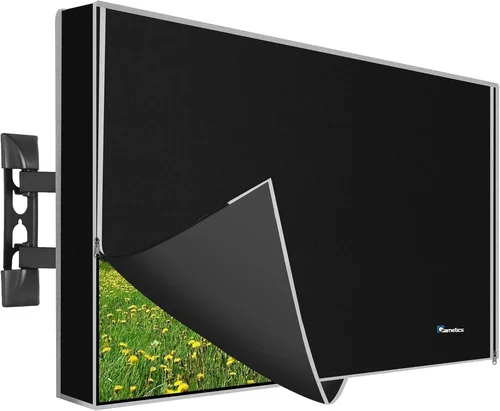
Why it’s bad: Many retailers market standard TVs with outdoor enclosures as “weatherproof,” but these setups often lack proper sealing, thermal management, or corrosion-resistant materials. In humid climates, moisture can seep through gaps, fog the screen, or corrode internal wiring within months.
What to do instead: Only purchase TVs specifically engineered for outdoor use from reputable brands. Verify IP ratings, check for conformal coatings, and read independent reviews. Avoid DIY enclosures unless you’re experienced in moisture-proof sealing techniques.
❌ Mistake: Ignoring Humidity-Specific Ratings
Why it’s bad: A TV rated for “outdoor use” may only be tested for rain and dust—not sustained high humidity. Condensation buildup can short-circuit components even if the TV survives a downpour.
What to do instead: Look for manufacturers that disclose humidity tolerance (e.g., “operates at 95% RH non-condensing”). Prefer models with sealed optical bonding and desiccant systems. Brands like SunBriteTV and Seura publish detailed environmental specs.
❌ Mistake: Overlooking Mounting Hardware
Why it’s bad: Standard wall mounts rust quickly in humid or salty air, leading to TV detachment and safety hazards. Many buyers focus on the TV but forget the mount.
What to do instead: Always use marine-grade stainless steel or aluminum mounts rated for outdoor use. Ensure the mount includes a weatherproof cable cover and is compatible with the TV’s VESA pattern. Consider professional installation for heavy units.
❌ Mistake: Buying Based Solely on Screen Size
Why it’s bad: A 75″ TV may look impressive, but if it overheats or loses brightness in humidity, the experience suffers. Larger screens also draw more power and require stronger mounts.
What to do instead: Match screen size to viewing distance and ambient light. For most patios, 55″–65″ is ideal. Prioritize brightness (nits) and anti-glare performance over sheer size.
❌ Mistake: Skipping the Warranty Fine Print
Why it’s bad: Some warranties exclude “environmental damage” or “condensation-related failures,” leaving you with a costly repair bill after a humid summer.
What to do instead: Read the warranty terms carefully. Choose brands that explicitly cover humidity, salt air, and thermal stress. Register your product and keep installation records.
❌ Mistake: Neglecting Audio Solutions
Why it’s bad: Built-in TV speakers are often muffled by weatherproof enclosures and can’t compete with outdoor noise (wind, waves, traffic).
What to do instead: Pair your TV with weatherproof outdoor speakers or a soundbar. Look for models with optical or HDMI ARC outputs for clean audio routing. Consider wireless options to reduce cable exposure.
❌ Mistake: Installing Without Proper Ventilation or Clearance
Why it’s bad: Even sealed TVs generate heat. Installing too close to walls or in enclosed cabinets traps moisture and heat, accelerating component failure.
What to do instead: Follow manufacturer clearance guidelines (usually 2–4 inches on all sides). Avoid recessed installations unless the TV is specifically designed for them.
Budget Guidelines: How Much Should You Spend?
Entry-Level ($800 – $1,800): This tier includes indoor/outdoor convertible TVs and basic enclosures. Expect lower brightness (500–800 nits), limited smart features, and shorter warranties (1–2 years). Best for covered patios with minimal sun exposure. Examples: Sylvane Outdoor TV Enclosure + mid-range Samsung/LG TV.
Mid-Range ($1,800 – $3,500): The sweet spot for most homeowners. These TVs offer 1,000–1,500 nits brightness, IP65 ratings, smart platforms, and 2–3 year warranties. Ideal for partially covered areas with moderate humidity. Top picks: SunBriteTV Veranda Series, Samsung The Terrace (55″–65″).
Premium ($3,500 – $7,000): Built for full sun and extreme humidity. Features include 2,000+ nits brightness, IP67 ratings, optically bonded screens, and advanced thermal management. Perfect for beach houses, pool decks, and tropical resorts. Examples: SunBriteTV Pro Series, Seura Signature Series.
Luxury ($7,000+): Commercial-grade displays with 24/7 operation, remote monitoring, vandal resistance, and custom finishes. Designed for hotels, cruise ships, and high-end estates. Brands: Peerless-AV Xtreme, LG Ultra-Stable Outdoor OLED.
Expert Tips for Getting the Best Deal
– Buy During Off-Season: Prices drop significantly in late fall and winter (October–February) when outdoor projects slow down. Retailers often clear inventory before new models launch in spring.
– Check Manufacturer Refurbished Programs: SunBriteTV and Seura offer certified refurbished units with full warranties at 20–30% off retail. These are rigorously tested and ideal for budget-conscious buyers.
– Bundle with Mounts and Accessories: Many brands offer package deals that include weatherproof mounts, cable covers, and soundbars. These bundles can save $200–$500 compared to buying separately.
– Negotiate with Local Installers: Contractors who specialize in outdoor AV often get dealer pricing. Ask for a quote that includes TV, mount, and labor—you may get a better rate than online.
– Verify Return Policies: Outdoor TVs are heavy and expensive to return. Ensure the retailer offers at least a 30-day return window and covers return shipping for defective units.
– Test Before Finalizing: If possible, visit a showroom or request a demo unit. Check for screen uniformity, audio clarity, and app responsiveness under simulated outdoor conditions.
– Register for Extended Warranties: Some credit cards offer extended warranty protection. Combine this with the manufacturer’s plan for up to 5 years of coverage.
– Monitor Price Tracking Tools: Use sites like CamelCamelCamel (for Amazon) or Honey to track price history and get alerts for drops.
Frequently Asked Questions
Q: Can I use a regular TV outdoors in a humid climate if it’s under cover?
A: Technically yes, but it’s not recommended. Standard TVs lack moisture-resistant components, anti-glare screens, and thermal management for outdoor use. Even under cover, humidity, temperature swings, and dust can cause premature failure. A weatherproof TV is a safer, longer-lasting investment.
Q: How do I prevent my outdoor TV from fogging up in high humidity?
A: Choose a model with optically bonded glass, which eliminates the air gap where condensation forms. Also, ensure the TV has a sealed chassis and avoid installing it in fully enclosed cabinets without ventilation.
Q: Are OLED TVs suitable for humid outdoor environments?
A: OLEDs offer superior contrast and color but are more vulnerable to moisture due to their organic materials. While some premium outdoor OLEDs exist (e.g., LG’s Ultra-Stable series), they’re significantly more expensive and may have shorter lifespans in extreme humidity. LED-LCDs are generally more reliable for outdoor use.
Q: Do weatherproof TVs need special power outlets?
A: Most operate on standard 120V AC power, but it’s wise to install a GFCI (Ground Fault Circuit Interrupter) outlet outdoors for safety. For remote locations, consider solar-compatible models or low-voltage DC input options.
Q: How long do weatherproof TVs typically last in humid areas?
A: With proper installation and maintenance, high-quality models last 5–8 years or more. Cheaper units may fail within 2–3 years. Regular cleaning and avoiding direct salt spray can extend lifespan.
Q: Can I control my outdoor TV with my smartphone?
A: Yes, most smart weatherproof TVs support Wi-Fi and apps like Samsung SmartThings, LG ThinQ, or Android TV remote. Ensure your home network has strong outdoor coverage or use a Wi-Fi extender.
Q: Is professional installation necessary?
A: For TVs over 65″ or in high-wind areas, yes. Improper mounting can lead to water ingress, electrical hazards, or TV detachment. Many manufacturers require professional installation to validate the warranty.
Q: What’s the difference between IP65 and IP67?
A: IP65 protects against water jets; IP67 adds protection against temporary immersion (up to 1 meter for 30 minutes). For humid areas with heavy rain or splash zones, IP67 offers greater peace of mind.
Q: Can I use my outdoor TV in the rain?
A: Only if it’s rated for full sun or partial sun exposure. Covered patio models may not withstand direct rainfall. Always check the manufacturer’s guidelines.
Q: Do weatherproof TVs come with remotes that work outdoors?
A: Most include standard IR remotes, which can struggle in bright light. Consider upgrading to RF (radio frequency) remotes or using smartphone apps for better reliability.
Our Final Recommendations
Best for Budget-Conscious Buyers: Sylvane Outdoor TV Enclosure + 55″ LG UQ75 Series
A cost-effective solution for covered patios. The enclosure provides IP55 protection, while the LG TV delivers solid smart features and 600-nit brightness. Total cost under $1,500.
Best Overall Value: SunBriteTV Veranda 65″
Combines 1,000-nit brightness, IP65 rating, full smart platform, and a 3-year warranty. Ideal for humid, partially covered spaces. Priced around $2,800.
Best Premium Option: Seura Signature 75″
Features optically bonded glass, marine-grade aluminum, 2,000-nit brightness, and a 2-year warranty with lifetime support. Perfect for luxury outdoor theaters in tropical climates. ~$6,500.
Best for Beginners: Samsung The Terrace 55″
User-friendly Tizen OS, excellent brightness (1,500 nits), and sleek design. Easy to install and integrate with existing smart home systems. ~$2,200.
Best for Advanced Users: Peerless-AV Xtreme 75″ Commercial Display
Built for 24/7 operation, remote management, and extreme environments. Includes RS-232, IP control, and vandal-resistant housing. Ideal for resorts and commercial use. ~$9,000.
Conclusion: Making the Right Choice
Choosing a weatherproof TV for a humid climate isn’t just about surviving the elements—it’s about thriving in them. From understanding IP ratings and thermal management to selecting the right screen technology and build materials, every decision impacts your long-term satisfaction and investment value. Humidity demands more than surface-level protection; it requires thoughtful engineering, corrosion-resistant components, and smart design that anticipates condensation, heat, and moisture ingress.
As you evaluate options, prioritize your specific environment: Are you near the ocean? Is your space fully covered or exposed to direct sun? How many people will typically view the screen? These factors will guide your choice far more than brand loyalty or marketing claims. Remember, the cheapest option today may cost you twice as much in repairs or replacements tomorrow. Invest in quality, verify specifications, and don’t overlook installation and support.
Ultimately, the best weatherproof TV is the one that matches your lifestyle, withstands your local climate, and delivers reliable performance year after year. Whether you’re hosting summer barbecues, streaming sunset concerts, or simply enjoying quiet evenings under the stars, your outdoor TV should enhance—not hinder—those moments. Use this guide as your compass, consult with professionals when needed, and enjoy the freedom of outdoor entertainment without compromise. Your perfect backyard theater awaits.

