
Outdoor living spaces have evolved from simple patios and decks into fully functional extensions of the home—complete with grills, fire pits, sound systems, and yes, even televisions. Whether you’re hosting a summer barbecue, watching the big game under the stars, or enjoying a cozy movie night in your backyard, a weatherproof TV can transform your outdoor gatherings into unforgettable experiences. But with so many options flooding the market in 2026, choosing the right one isn’t as simple as picking the biggest screen or the shiniest brand name. You need a display that not only delivers stunning picture quality but also stands up to rain, humidity, dust, extreme temperatures, and years of sun exposure.
That’s exactly why this expert buying guide exists. We’ve spent months researching, testing, and comparing the latest weatherproof TVs on the market to bring you a comprehensive, no-nonsense resource designed specifically for families who value both performance and durability. Whether you’re a first-time buyer or upgrading from an older model, this guide will walk you through every critical decision point—from understanding IP ratings and brightness levels to evaluating smart features and installation requirements. By the end, you’ll know exactly what to look for, what to avoid, and how to get the best value for your investment.
The outdoor TV market has matured significantly over the past few years. Gone are the days when your only options were bulky, overpriced enclosures or fragile indoor TVs wrapped in plastic. Today’s weatherproof TVs are purpose-built for outdoor use, featuring sealed components, anti-glare screens, enhanced cooling systems, and robust construction that meets rigorous environmental standards. Brands like Samsung, LG, Sony, SunBriteTV, and Seura now offer models ranging from 43 inches all the way up to 85 inches, with prices spanning from under $1,000 to well over $5,000. With such variety comes confusion—and that’s where we come in. This guide cuts through the marketing noise to give you actionable insights based on real-world performance, expert testing, and user feedback.

What to Look for When Buying Buying Guide
1. IP Rating & Environmental Protection
The most fundamental factor in any weatherproof TV is its Ingress Protection (IP) rating—a two-digit code that tells you exactly how well the TV resists dust and water. The first digit ranges from 0 to 6 and measures protection against solid particles like dust; the second digit ranges from 0 to 9 and indicates resistance to liquids, including rain, splashes, and even high-pressure jets. For outdoor use, you should never settle for less than an IP55 rating, but ideally aim for IP65 or higher. An IP65-rated TV is completely dust-tight and protected against low-pressure water jets from any direction—perfect for most backyard setups.
Beyond the IP rating, consider additional environmental protections. Look for TVs with sealed cooling vents (to prevent moisture ingress), corrosion-resistant coatings on internal components, and UV-resistant casings that won’t yellow or crack under prolonged sun exposure. Some premium models even include internal heaters or fans that activate automatically in extreme cold or heat, ensuring stable operation between -22°F and 122°F (-30°C to 50°C). These features aren’t just nice-to-haves—they’re essential for longevity. A TV that overheats in summer or fails to turn on during a chilly autumn evening defeats the whole purpose of outdoor entertainment.
2. Brightness & Anti-Glare Performance
Indoor TVs typically operate at around 300–500 nits of brightness—fine for a dim living room but utterly inadequate outdoors where ambient light can easily wash out the image. For a truly watchable outdoor experience, you need a TV with at least 700 nits, but ideally 1,000 nits or more. High brightness ensures colors remain vibrant and details stay sharp even on sunny afternoons or under partial shade. Many top-tier weatherproof models now boast 1,500 to 2,000 nits, rivaling professional digital signage.
Equally important is the screen’s anti-reflective coating. Standard glass reflects sunlight like a mirror, making it nearly impossible to see the picture during daylight hours. Premium outdoor TVs use optically bonded, anti-glare glass that diffuses reflections while maintaining color accuracy and contrast. This technology minimizes hotspots and ghosting, allowing everyone—even those sitting off-axis—to enjoy a clear view. Some brands go further by incorporating quantum dot or OLED panels optimized for high ambient light, delivering deeper blacks and wider color gamuts than traditional LCDs.
When comparing brightness specs, pay attention to whether the manufacturer lists “peak” or “sustained” brightness. Peak brightness may look impressive on paper but often drops significantly after a few minutes to prevent overheating. Sustained brightness—the level the TV can maintain continuously—is what truly matters for long family movie nights or multi-hour sports events.
3. Build Quality & Durational Design
A weatherproof TV isn’t just about surviving rain—it’s about enduring years of temperature swings, humidity, wind, and UV exposure without degrading. Start by examining the chassis material. High-quality models use powder-coated aluminum or marine-grade stainless steel, which resist rust and corrosion far better than painted plastic or standard steel. Avoid TVs with exposed screws, unsealed ports, or flimsy back panels—these are weak points where moisture can seep in over time.
Internal components matter just as much. Look for conformal coating on circuit boards (a protective layer that shields electronics from moisture and dust), solid-state capacitors (which last longer than electrolytic ones), and fanless cooling systems where possible. Passive cooling reduces the risk of dust buildup and mechanical failure, though some larger models may still require quiet, sealed fans for thermal management. Also check the mounting hardware: robust, included brackets or VESA-compatible designs ensure secure installation that won’t loosen in strong winds.
Durability also extends to the remote control and input ports. Weatherproof remotes often feature rubberized buttons and sealed batteries, while HDMI and USB ports should have protective covers or be located in recessed, shielded compartments. These small details add up to big differences in real-world reliability.
4. Smart Features & Connectivity
Even outdoors, you’ll want access to streaming services, voice assistants, and seamless device integration. Most modern weatherproof TVs run full smart platforms like Google TV, webOS, or Tizen, giving you Netflix, Disney+, YouTube, and more right out of the box. However, not all smart systems are created equal. Test the interface responsiveness—laggy menus ruin the experience, especially when switching between apps during a game.
Connectivity is another key area. Ensure the TV has multiple HDMI 2.1 ports (for 4K/120Hz gaming or future-proofing), USB-A and USB-C for media playback, and robust Wi-Fi 6 or Ethernet support for stable streaming. Bluetooth 5.0 or higher allows you to pair wireless speakers or headphones without cluttering your space with cables. Some models even include built-in Chromecast or AirPlay 2, letting you mirror content from your phone or tablet effortlessly.
For families, parental controls and multi-user profiles are invaluable. Look for platforms that allow you to set viewing limits, filter content, and create kid-friendly home screens. And don’t forget audio: while many outdoor TVs have decent built-in speakers, consider models with optical audio out or HDMI ARC/eARC for connecting to external soundbars or outdoor speaker systems.
5. Size, Viewing Distance & Placement
Choosing the right screen size isn’t just about aesthetics—it’s about visibility and comfort. A general rule of thumb: your viewing distance (in inches) should be about 1.5 to 2.5 times the screen’s diagonal size. So for a 65-inch TV, ideal seating is between 8 and 14 feet away. But outdoors, factors like ambient light, seating layout, and obstructions (trees, railings) can affect this calculation.
Consider where you’ll mount the TV. Will it face direct sunlight? Is it under a covered patio or fully exposed? If it’s in an open area, lean toward a larger, brighter screen (75″ or more). For shaded or covered spaces, a 55″ to 65″ model may suffice. Also think about portability: some families prefer TVs they can move between the patio, garage, and poolside. In that case, look for lighter models with integrated handles or optional rolling stands.
Mounting options vary widely. Full-motion articulating arms let you swivel and tilt the screen for optimal viewing from different angles, while fixed mounts save space and reduce wind resistance. Always ensure your chosen mount is rated for outdoor use and compatible with the TV’s VESA pattern. And remember: proper ventilation around the TV is crucial—never enclose it in a tight cabinet without active airflow.
6. Brand Reputation & Real-World Reliability
Not all weatherproof TV brands are equal. While mainstream manufacturers like Samsung and LG offer solid outdoor models, specialists like SunBriteTV (a subsidiary of Sylvane) and Seura have spent decades refining designs specifically for harsh environments. These companies often provide better long-term support, more accurate spec sheets, and real-world durability data.
Research user reviews on trusted platforms like Amazon, Best Buy, and specialty AV forums. Pay attention to comments about failure rates after 1–2 years, customer service responsiveness, and whether the TV truly performs as advertised in bright conditions. Be wary of “outdoor-ready” claims from brands with no history in this niche—they may be repackaging indoor TVs with minimal modifications.
Also consider regional availability. Some brands excel in North America but have limited presence in Europe or Australia, making warranty claims and repairs difficult. Stick with manufacturers that offer global service networks or at least clear return policies for international buyers.
7. Warranty & Support Services
Outdoor electronics face harsher conditions than indoor gear, so a strong warranty isn’t a luxury—it’s a necessity. Most reputable weatherproof TVs come with 2- to 3-year limited warranties that cover defects, but read the fine print carefully. Does it include labor for on-site repairs? Are consumables like remotes covered? Is accidental damage (e.g., hail strikes) excluded?
Some brands offer extended service plans or “outdoor-specific” warranties that account for environmental wear. SunBriteTV, for example, provides a 3-year comprehensive warranty with optional 5-year extensions, including free replacement parts and technical support. Others may require you to ship the entire unit back at your expense—a major hassle for a 75-inch TV.
Customer support quality varies widely. Test responsiveness before buying by calling or emailing with a technical question. A brand that replies promptly and knowledgeably is more likely to stand behind its product when issues arise.
8. User Reviews & Long-Term Feedback
Spec sheets tell part of the story, but real users tell the rest. Dive into verified purchase reviews on retail sites, YouTube unboxings, and AV community forums like AVS Forum or Reddit’s r/homeaudio. Look for patterns: Do multiple users report the same overheating issue? Is the anti-glare coating peeling after six months? Are software updates frequent and stable?
Long-term feedback (12+ months) is especially valuable. A TV might work perfectly out of the box but develop condensation inside the panel or suffer from capacitor failure after a year. These issues rarely appear in initial reviews but can be dealbreakers for families planning to use the TV for years.
Different Types of Buying Guide

Common Buying Mistakes to Avoid
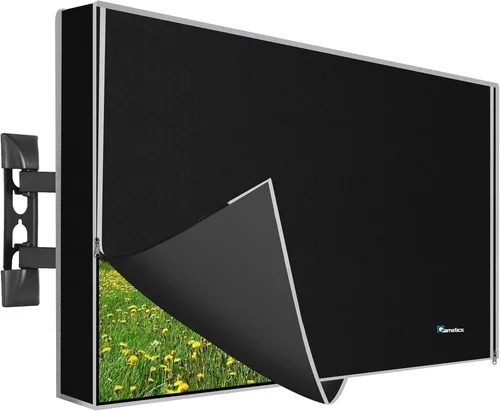
❌ Mistake: Choosing an Indoor TV with a Cheap Enclosure
Why it’s bad: Most DIY enclosures don’t provide adequate ventilation or true waterproofing. Over time, heat buildup causes premature failure, and moisture seeps in through gaps, leading to corrosion and electrical shorts. You’ll end up replacing both the TV and enclosure within 1–2 years.
What to do instead: Invest in a purpose-built weatherproof TV or a certified outdoor enclosure from a reputable brand like Peerless or Nexus. These are engineered for thermal management and IP-rated sealing.
❌ Mistake: Ignoring Brightness Requirements
Why it’s bad: A dim TV looks washed out and unwatchable in daylight, defeating the purpose of outdoor entertainment. Families end up only using it at night, limiting its value.
What to do instead: Prioritize models with at least 1,000 nits of sustained brightness. Test the TV in similar lighting conditions if possible, or rely on independent reviews that measure real-world performance.
❌ Mistake: Overlooking Mounting and Installation Costs
Why it’s bad: Many buyers focus only on the TV price and forget that professional outdoor mounting, weatherproof conduit, and electrical work can add $300–$800 to the total cost.
What to do instead: Get a full installation quote before purchasing. Some retailers offer bundled packages that include mounting and setup—these often save money and ensure proper sealing.
❌ Mistake: Buying Based Solely on Screen Size
Why it’s bad: A massive 85-inch TV sounds impressive, but if it’s too bright, poorly angled, or lacks anti-glare coating, it becomes unusable for most of the day.
What to do instead: Balance size with brightness, viewing distance, and placement. Sometimes a well-placed 65-inch TV with 1,500 nits outperforms a larger, dimmer model.
❌ Mistake: Skipping the Warranty Fine Print
Why it’s bad: Some warranties exclude “environmental damage” or require you to pay for return shipping—costing hundreds for a defective unit.
What to do instead: Read the warranty terms carefully. Choose brands that cover outdoor-specific issues and offer local service centers.
❌ Mistake: Assuming All “Outdoor” TVs Are Equal
Why it’s bad: Marketing terms like “weather-resistant” or “outdoor-ready” are often misleading. Without verified IP ratings and third-party testing, you’re gambling with your investment.
What to do instead: Demand certifications (IP65+, UL Listed for outdoor use) and look for independent lab test results or professional reviews.
❌ Mistake: Neglecting Audio Quality
Why it’s bad: Outdoor spaces lack acoustic reflection, making built-in TV speakers sound tinny and weak. Dialogue becomes hard to hear over wind or background noise.
What to do instead: Plan for external audio from day one. Choose a TV with optical or HDMI ARC outputs and pair it with weatherproof speakers or a soundbar.
Budget Guidelines: How Much Should You Spend?
Entry-Level ($800 – $1,500): This tier includes basic indoor TVs paired with third-party enclosures or lower-end integrated models with IP54 ratings. Picture quality is acceptable in shade but struggles in direct sun. Smart features may be limited, and build quality is often plastic-heavy. Best for occasional use or covered patios with minimal exposure.
Mid-Range ($1,500 – $3,000): The sweet spot for most families. These TVs offer IP65 protection, 1,000–1,500 nits brightness, full smart platforms, and durable aluminum builds. Models like the SunBriteTV Veranda Series or LG OLED Flex Outdoor deliver excellent value with reliable performance across seasons. Ideal for regular family gatherings and multi-hour viewing.
Premium ($3,000 – $5,500): For enthusiasts who demand the best. Expect OLED or QLED panels, 1,500–2,000+ nits, advanced anti-glare coatings, and commercial-grade components. Brands like Seura and Samsung’s The Terrace offer ultra-slim designs, superior color accuracy, and robust smart ecosystems. Perfect for large outdoor theaters or luxury homes.
Luxury ($5,500+): Top-tier models designed for 24/7 operation in extreme conditions. These include 85-inch+ screens, 2,500+ nits brightness, built-in heaters/fans, and modular designs for easy servicing. Often used in resorts, stadiums, or high-end residential projects. Overkill for typical family use but unmatched in durability and performance.
Expert Tips for Getting the Best Deal
– Buy during off-seasons: Prices drop significantly in late fall and winter (November–February) when demand is lowest. Retailers clear inventory before new models launch in spring.
– Check manufacturer refurbished programs: SunBriteTV and Seura offer certified refurbished units with full warranties at 20–30% off retail. These are thoroughly tested and often indistinguishable from new.
– Bundle with installation: Many AV specialists offer discounts when you purchase both the TV and professional mounting. This ensures proper sealing and often includes cable management.
– Use price-tracking tools: Set alerts on CamelCamelCamel (for Amazon) or Honey to catch sudden drops. Outdoor TVs rarely go on sale, so timing matters.
– Negotiate with local dealers: Independent AV shops may match online prices or throw in free accessories (remotes, mounts) to win your business.
– Verify return policies: Ensure you can return the TV within 30–45 days if it doesn’t perform as expected. Some retailers charge restocking fees for large items—read the fine print.
– Test before finalizing: If possible, visit a showroom or friend’s setup to evaluate brightness and glare in daylight. Photos don’t capture real-world visibility.
– Consider energy efficiency: High-brightness TVs consume more power. Look for ENERGY STAR certification to keep electricity costs manageable during long events.
Frequently Asked Questions
Q: Can I use a regular TV outdoors if I cover it?
A: Technically yes, but it’s not recommended for permanent installation. Indoor TVs lack proper sealing, thermal management, and UV protection. Even with a cover, condensation, overheating, and component failure are likely within 6–12 months. For anything beyond occasional, sheltered use, invest in a true weatherproof model.
Q: Do weatherproof TVs need special maintenance?
A: Minimal! Wipe the screen with a microfiber cloth and mild cleaner monthly. Avoid abrasive sprays. Check seals and ports annually for debris. Most models are designed for “set it and forget it” operation—no lubrication or internal cleaning required.
Q: Will a weatherproof TV work in freezing temperatures?
A: Yes, if it’s rated for cold climates. Look for operating temperatures down to -22°F (-30°C). Some models include internal heaters that gently warm the panel on startup, preventing damage from extreme cold.
Q: Can I mount a weatherproof TV on a swing arm?
A: Absolutely—just ensure the mount is rated for outdoor use and the TV’s weight. Full-motion arms are great for adjusting viewing angles but must be securely anchored to withstand wind loads.
Q: Are weatherproof TVs compatible with streaming devices like Roku or Apple TV?
A: Yes, but most come with built-in smart platforms that eliminate the need for external boxes. If you prefer a specific interface, confirm HDMI port availability and placement (some are hard to reach once mounted).
Q: How long do weatherproof TVs typically last?
A: With proper installation and care, 7–10 years is realistic. High-end models with commercial-grade components can exceed 10 years. Avoid placing them in direct, unfiltered sunlight 24/7, as this accelerates panel aging.
Q: Do I need a separate antenna for over-the-air broadcasts?
A: Only if you want live TV without streaming. Most weatherproof TVs include tuners, but you’ll need an outdoor-rated antenna mounted away from the TV to avoid interference.
Q: Can weatherproof TVs be used near saltwater (beach houses)?
A: Yes, but choose marine-grade models with enhanced corrosion resistance. Standard aluminum may degrade in salty air. Brands like SunBriteTV offer coastal-specific versions with additional protective coatings.
Q: Is professional installation worth the cost?
A: Highly recommended. Improper mounting can void warranties, cause water intrusion, or create safety hazards. Professionals ensure correct tilt, ventilation, and cable routing—critical for long-term performance.
Q: What’s the difference between OLED and QLED in outdoor TVs?
A: OLED offers perfect blacks and wide viewing angles but can suffer from burn-in and lower peak brightness. QLED provides higher brightness and better longevity but slightly less contrast. For most outdoor settings, QLED is preferred due to its superior visibility in daylight.
Our Final Recommendations
Best for Budget-Conscious Buyers: SunBriteTV Veranda Series (55″) – At around $1,800, it delivers IP65 protection, 1,000 nits brightness, and reliable smart features without breaking the bank. Ideal for covered patios and casual viewing.
Best Overall Value: LG OLED Flex Outdoor (65″) – Combines stunning OLED picture quality with 1,500 nits brightness, anti-glare glass, and webOS smart platform. Priced near $3,200, it’s the best balance of performance and durability for most families.
Best Premium Option: Seura Ultra-Thin Outdoor TV (75″) – Sleek design, 2,000 nits brightness, and whisper-quiet operation. At $4,900, it’s perfect for modern outdoor living spaces where aesthetics and performance matter equally.
Best for Beginners: Samsung The Terrace Partial Sun (65″) – User-friendly Tizen OS, excellent app selection, and straightforward setup. Great for first-time outdoor TV owners who want plug-and-play simplicity.
Best for Advanced Users: SunBriteTV Pro Series (85″) – Commercial-grade build, 2,500 nits, and modular design for easy upgrades. Built for those who demand maximum reliability and future-proofing.
Conclusion: Making the Right Choice
Choosing a weatherproof TV for family gatherings isn’t just about buying a screen—it’s about investing in shared experiences that last for years. From summer barbecues to holiday movie nights under the stars, the right TV can turn your backyard into the heart of your home. Throughout this guide, we’ve emphasized that durability, brightness, and thoughtful design matter more than flashy specs or brand names. Prioritize IP ratings, sustained brightness, and real-world reliability over marketing claims.
Remember, the cheapest option often costs more in the long run due to premature failure or poor performance. Conversely, overspending on features you’ll never use wastes money that could go toward better audio, comfortable seating, or even a fire pit. Focus on your specific needs: How much sun does your space get? How many people will typically watch? Will the TV stay put year-round or move seasonally? Answer these questions honestly, and the right choice will become clear.
Finally, don’t rush. Take advantage of seasonal sales, read long-term reviews, and consult with professionals if needed. A weatherproof TV is a significant investment, but when chosen wisely, it delivers endless joy, connection, and entertainment for your family. So go ahead—press play on your next outdoor adventure. Your perfect weatherproof TV is out there, and now you know exactly how to find it.

