
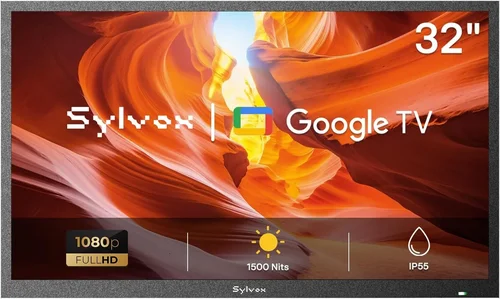
Summer is here, and there’s nothing quite like hosting friends and family on your patio for backyard barbecues, movie nights under the stars, or watching the big game al fresco. But to truly elevate your outdoor entertainment experience, you need more than just a grill and some string lights—you need a reliable, high-quality outdoor TV that can handle the elements while delivering crisp visuals and immersive sound. That’s where this comprehensive buying guide comes in.
Choosing the right patio TV isn’t as simple as grabbing any old indoor television and hoping it survives the summer heat and humidity. Outdoor environments present unique challenges: glare from sunlight, temperature swings, dust, moisture, and even curious critters. A standard indoor TV simply won’t cut it. You need a display specifically designed—or at least carefully adapted—for outdoor use. This guide will walk you through every critical factor to consider, from brightness and weather resistance to smart features and installation logistics, so you can make a confident, informed decision.
Whether you’re planning casual weekend hangouts or full-scale summer soirées, investing in the right outdoor TV can transform your patio into a true entertainment hub. In the following sections, we’ll break down the key specs, compare different types of outdoor displays, highlight common pitfalls, offer budget-friendly strategies, and share expert tips to help you get the best value for your money. By the end, you’ll know exactly what to look for—and what to avoid—when shopping for the perfect patio TV in 2026.

What to Look for When Buying Buying Guide
1. Brightness & Visibility in Sunlight
One of the most critical factors when choosing an outdoor TV is its ability to remain visible in direct sunlight. Unlike indoor TVs, which typically operate in dimly lit rooms, patio displays must combat intense ambient light. Look for models with high nits ratings—ideally 700 nits or higher, with premium outdoor TVs reaching 2,500 nits or more. For reference, most indoor LED TVs range between 300–600 nits, which is insufficient for daytime viewing outdoors.
Anti-glare and anti-reflective coatings are also essential. These specialized screen treatments reduce mirror-like reflections and scatter incoming light, improving contrast and color accuracy even under bright skies. Some manufacturers go further by incorporating optically bonded glass, which eliminates the air gap between the LCD panel and the outer glass layer, minimizing internal reflections and boosting clarity.
Consider your patio’s orientation: if your seating area faces east or west, you’ll experience harsh morning or afternoon sun. In such cases, prioritize ultra-bright models with advanced optical enhancements. For shaded or covered patios, slightly lower brightness may suffice, but never compromise below 500 nits unless you plan to use the TV only at night.
2. Weather Resistance & IP Rating
Outdoor electronics must withstand rain, snow, dust, and temperature extremes. This is where the Ingress Protection (IP) rating becomes crucial. The IP code consists of two digits: the first indicates protection against solid particles (like dust), and the second against liquids (like rain). For patio use, aim for at least IP55 (protected from limited dust ingress and low-pressure water jets from any direction). However, for full exposure or coastal climates, IP65 or higher is strongly recommended.
Beyond the IP rating, examine the TV’s internal components. True outdoor TVs often feature sealed cooling systems, corrosion-resistant circuit boards, and conformal coatings that protect against moisture and salt air. Avoid “weatherproof” enclosures that merely house indoor TVs—these can trap heat and lead to premature failure. Instead, opt for purpose-built outdoor models from reputable brands like SunBriteTV, Samsung Terrace, or LG Pro:Idiom.
Also consider seasonal temperature ranges. Most outdoor TVs operate safely between -22°F and 122°F (-30°C to 50°C). If you live in an area with extreme winters or scorching summers, verify the manufacturer’s specified operating range before purchasing.
3. Screen Size & Viewing Distance
Choosing the right screen size depends on your patio layout and typical seating arrangement. A common rule of thumb is to sit at a distance equal to 1.5 to 2.5 times the diagonal screen size for optimal viewing. For example, a 55-inch TV is best viewed from 6.5 to 11 feet away.
However, outdoor spaces often have larger seating areas than living rooms, so don’t shy away from bigger screens. A 65-inch or 75-inch display can comfortably serve groups of 8–12 people without straining eyesight. That said, avoid oversizing: a massive TV mounted too close can cause visual fatigue and dominate the space aesthetically.
Measure your mounting wall or stand area beforehand, and account for bezel thickness—some outdoor models have thicker frames than their indoor counterparts. Also, consider whether you’ll be viewing from multiple angles; if so, look for TVs with wide viewing angles (178° horizontal/vertical) to maintain color and contrast for side viewers.
Quick Reference: Recommended Screen Sizes by Patio Size
- Small patio (under 100 sq ft): 43″–50″
- Medium patio (100–200 sq ft): 55″–65″
- Large patio or deck (200+ sq ft): 70″–85″
4. Smart Features & Connectivity
Modern outdoor TVs aren’t just dumb displays—they come packed with smart functionality that enhances usability during parties and gatherings. Look for built-in Wi-Fi, Bluetooth, and support for popular streaming platforms like Netflix, YouTube, Disney+, and Amazon Prime Video. Voice control via Alexa or Google Assistant is a huge plus, especially when your hands are full with drinks or food.
Connectivity options matter too. Ensure the TV has multiple HDMI ports (at least 3–4), USB inputs for media playback, and possibly an Ethernet port for stable wired internet—critical if your Wi-Fi signal weakens outdoors. Some high-end models include HDMI 2.1 for 4K/120Hz gaming, which is great if you plan to connect a console for outdoor gaming sessions.
Don’t overlook audio capabilities. While many outdoor TVs have decent built-in speakers, they’re often limited by weatherproofing constraints. Consider pairing your TV with weather-resistant outdoor speakers or a soundbar designed for exterior use. Look for TVs with optical audio output or ARC (Audio Return Channel) support to easily connect external audio systems.
5. Build Quality & Durability
An outdoor TV is a long-term investment, so durability should be non-negotiable. Start with the chassis: aluminum or powder-coated steel enclosures resist rust and fading better than plastic. Check for reinforced corners, tamper-resistant screws, and robust mounting hardware.
Internal build quality is equally important. High-end outdoor TVs use industrial-grade capacitors, solid-state components, and passive cooling (no fans) to reduce failure points. Fanless designs are quieter and less prone to dust clogging—a major advantage in dry, dusty climates.
Also consider the warranty. Most reputable outdoor TV brands offer 2–3 years of coverage, sometimes extendable. Cheaper “outdoor-ready” kits that retrofit indoor TVs often come with voided warranties or minimal support—avoid these unless you’re prepared for potential repair costs down the line.
6. Installation & Mounting Requirements
Even the best TV is useless if it’s poorly installed. Outdoor mounting requires careful planning: you’ll need a sturdy wall or ceiling mount rated for the TV’s weight and wind load. Tilt and swivel mounts offer flexibility for adjusting the angle based on sun position or seating changes.
Electrical considerations are vital too. You’ll need a dedicated outdoor-rated outlet with GFCI (Ground Fault Circuit Interrupter) protection to prevent shocks. Running cables through conduit protects them from UV damage and pests. Some homeowners opt for wireless HDMI transmitters to reduce cable clutter, though these can introduce latency—fine for movies, less ideal for live sports.
If your patio lacks structural support for wall mounting, consider a freestanding outdoor TV cabinet with integrated ventilation and cable management. These units often include wheels for portability and can be moved indoors during winter months.
7. Brand Reputation & Ecosystem Compatibility
Not all TV brands are created equal when it comes to outdoor performance. Stick with manufacturers that specialize in or have proven expertise in outdoor displays. SunBriteTV (a subsidiary of SnapAV) has been a leader for over a decade, offering fully sealed, all-weather models. Samsung’s Terrace series and LG’s Pro:Idiom line are newer but highly regarded for their brightness and smart features.
Ecosystem compatibility matters if you already own smart home devices. For instance, Samsung TVs integrate seamlessly with SmartThings, while LG works well with Google Home and Alexa. If you’re invested in Apple’s ecosystem, look for AirPlay 2 support—available on many 2024–2026 models.
Avoid unknown brands selling “outdoor TVs” on Amazon or eBay with vague specs and no customer service. Real outdoor TVs undergo rigorous testing; counterfeit or poorly engineered units can pose fire or electrocution risks.
8. User Reviews & Real-World Performance
Specs tell part of the story—real user experiences tell the rest. Before finalizing your purchase, read verified buyer reviews on retailer sites, AV forums like AVS Forum, and YouTube unboxing/review videos. Pay attention to comments about:
- Long-term reliability after 1–2 seasons
- Ease of setup and app navigation
- Customer service responsiveness
- Performance in specific weather conditions (e.g., coastal fog, desert heat)
Look for patterns: if multiple users report the same issue (e.g., Wi-Fi dropping in rain), it’s likely a design flaw. Conversely, consistent praise for brightness or durability is a strong endorsement.
Different Types of Buying Guide

Common Buying Mistakes to Avoid
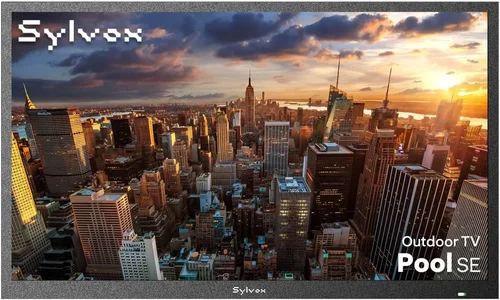
❌ Mistake: Buying an Indoor TV for Outdoor Use
Why it’s bad: Indoor TVs lack the brightness, weather sealing, and thermal management needed for outdoor environments. They can overheat, suffer screen burn-in from constant sun exposure, or short-circuit during rain—even under a roof.
What to do instead: Invest in a purpose-built outdoor TV or a certified weatherproof enclosure. If budget is tight, choose a mid-tier outdoor model with at least IP55 rating and 700+ nits brightness.
❌ Mistake: Ignoring Sunlight Conditions
Why it’s bad: A TV that looks great at dusk may be completely unwatchable at noon. Glare and low brightness ruin the viewing experience and discourage outdoor movie nights.
What to do instead: Assess your patio’s sun exposure throughout the day. For full sun, prioritize 2,000+ nits and anti-reflective coatings. For shaded areas, 700–1,000 nits may suffice.
❌ Mistake: Overlooking Audio Needs
Why it’s bad: Outdoor spaces have no walls to reflect sound, so built-in TV speakers often sound tinny and weak—especially with background noise from traffic or nature.
What to do instead: Pair your TV with weather-resistant outdoor speakers or a soundbar. Look for models with Bluetooth or optical outputs for easy integration.
❌ Mistake: Skimping on Mounting Hardware
Why it’s bad: Weak mounts can fail in windy conditions, causing expensive damage or injury. DIY mounts not rated for outdoor use are a common cause of TV falls.
What to do instead: Use manufacturer-recommended mounts or consult a professional installer. Ensure the mount is rated for your TV’s weight plus a 20% safety margin.
❌ Mistake: Neglecting Power and Cable Management
Why it’s bad: Exposed cords are tripping hazards and degrade quickly in UV light. Improper wiring can void warranties or create electrical risks.
What to do instead: Run cables through UV-resistant conduit and use outdoor-rated extension cords. Install a GFCI outlet within 6 feet of the TV.
❌ Mistake: Assuming All “Outdoor” TVs Are Equal
Why it’s bad: Some brands market indoor TVs as “outdoor-ready” with minimal modifications. These often lack true weatherproofing and fail within a season.
What to do instead: Research the brand’s outdoor specialization. Stick with companies that publish detailed IP ratings, operating temperature ranges, and real-world test data.
❌ Mistake: Forgetting About Seasonal Storage
Why it’s bad: Even weatherproof TVs benefit from winter storage in harsh climates. Leaving them exposed to freezing temps and snow can reduce lifespan.
What to do instead: If possible, use a portable model or install in a location that allows seasonal removal. Otherwise, invest in a high-quality outdoor cover when not in use.
Budget Guidelines: How Much Should You Spend?
Entry-Level ($800–$1,800): This tier includes basic weatherproof enclosures paired with mid-range indoor TVs (e.g., TCL 5-Series or Hisense U6). Ideal for covered patios with minimal sun exposure. Expect 500–700 nits brightness, limited smart features, and 1–2 year lifespan in harsh conditions. Best for occasional summer use.
Mid-Range ($1,800–$3,500): The sweet spot for most homeowners. Includes purpose-built outdoor TVs like the SunBriteTV Veranda series or Samsung Terrace (smaller sizes). Features 1,000–2,000 nits brightness, IP55+ rating, robust smart platforms, and 2–3 year warranties. Suitable for partially shaded to moderately sunny patios.
Premium ($3,500–$6,000): For enthusiasts who want top-tier performance and longevity. Models like the SunBriteTV Pro 2 or LG Pro:Idiom offer 2,500+ nits, full IP65 sealing, fanless cooling, and commercial-grade components. Perfect for full sun, coastal areas, or year-round use. Often include professional installation support.
Luxury ($6,000+): Reserved for large estates, commercial venues, or tech-forward homeowners. Includes 85-inch+ transparent OLEDs, custom-built outdoor displays, or integrated smart patio systems with motorized mounts and ambient light sensors. These are statement pieces with unmatched durability and aesthetics.
Expert Tips for Getting the Best Deal
- Shop during off-season: Prices drop significantly in late fall and winter (October–February). Retailers clear inventory before new models arrive in spring.
- Bundle with installation: Many dealers offer discounts when you purchase TV + mount + installation as a package. This also ensures proper setup.
- Check manufacturer rebates: SunBriteTV and Samsung occasionally run seasonal promotions with $200–$500 off.
- Consider certified refurbished: Reputable sellers like Crutchfield offer certified pre-owned outdoor TVs with full warranties at 20–30% off retail.
- Negotiate with local AV integrators: Small businesses may match online prices or throw in free cable management.
- Verify return policies: Ensure you have at least 30 days to test the TV in your actual patio conditions. Some retailers charge restocking fees for outdoor items.
- Test brightness in person: If possible, visit a showroom to compare nits ratings under simulated sunlight. Online specs can be misleading.
- Read the fine print on warranties: Some cover only parts, not labor. Others exclude damage from “acts of nature” like hail or flooding.

Frequently Asked Questions
Q: Can I use a regular TV outdoors if it’s under a covered patio?
A: Technically yes, but it’s not recommended for long-term use. Even under cover, humidity, temperature swings, and indirect moisture can damage internal components. A weatherproof enclosure or true outdoor TV is far safer and more reliable.
Q: Do outdoor TVs consume more power than indoor ones?
A: Not necessarily. While they often have higher brightness (which uses more energy), many modern outdoor models use efficient LED backlighting and passive cooling, keeping power draw comparable to indoor TVs of similar size.
Q: How do I clean an outdoor TV screen?
A: Use a microfiber cloth slightly dampened with distilled water. Avoid ammonia-based cleaners or paper towels, which can scratch anti-reflective coatings. Power off the TV before cleaning.
Q: Will an outdoor TV work in winter?
A: Yes, most are rated for temperatures as low as -22°F. However, extreme cold can temporarily reduce brightness. If you live in a snowy region, ensure the mount allows for snow shedding and consider seasonal storage.
Q: Can I connect a gaming console to an outdoor TV?
A: Absolutely. Look for models with HDMI 2.1 and low input lag (<20ms). The Samsung Terrace and LG Pro:Idiom support 4K/120Hz, making them great for outdoor gaming sessions.
Q: Are outdoor TVs compatible with streaming devices like Roku or Fire Stick?
A: Yes, but built-in smart platforms are usually more reliable outdoors due to better Wi-Fi antennas and software optimization. External sticks can overheat in enclosed spaces.
Q: How long do outdoor TVs typically last?
A: With proper care, 5–7 years is common. Premium models with commercial-grade components can last 8–10 years. Avoid cheap enclosures—they often fail within 2–3 seasons.
Q: Do I need a special internet connection for my outdoor TV?
A: A strong Wi-Fi signal is essential. Consider a mesh network extender or outdoor-rated Wi-Fi booster if your router is far from the patio. Ethernet is more reliable but requires trenching or conduit.
Q: Can outdoor TVs be wall-mounted on brick or stucco?
A: Yes, but use appropriate anchors and consult a professional. Brick requires masonry screws; stucco needs toggle bolts. Never mount directly into mortar joints.
Q: Are there solar-powered outdoor TV options?
A: Not yet for full-size displays, but portable 32″–43″ models with battery packs exist. These are ideal for off-grid cabins or camping—just don’t expect 4K brightness in direct sun.
Our Final Recommendations
Best for Budget-Conscious Buyers: SunBriteTV Veranda 55″ ($2,299) – Offers excellent brightness (1,000 nits), IP55 rating, and reliable Roku OS at a reasonable price. Perfect for covered patios.
Best Overall Value: Samsung The Terrace 65″ ($3,499) – Combines stunning QLED color, 2,000 nits brightness, and seamless SmartThings integration. Great for mixed sun/shade environments.
Best Premium Option: SunBriteTV Pro 2 75″ ($5,799) – Fanless, fully sealed, and built like a tank. Ideal for full sun, coastal homes, or commercial use. Includes 3-year warranty.
Best for Beginners: Seura Shadow 50″ ($2,799) – Simple setup, excellent anti-glare screen, and intuitive interface. Comes with a comprehensive installation guide.
Best for Advanced Users: LG Pro:Idiom 86″ ($7,499) – Commercial-grade reliability, webOS smart platform, and support for professional control systems (Crestron, Control4). Built for 24/7 operation.
Conclusion: Making the Right Choice
Choosing the right patio TV for your summer parties is about more than just screen size or price—it’s about creating a durable, enjoyable, and stress-free entertainment experience that lasts for years. From battling glare under midday sun to surviving sudden summer storms, your outdoor TV must be engineered for the elements while delivering the visual quality your guests deserve.
Throughout this guide, we’ve covered the essential factors: brightness, weather resistance, smart features, installation logistics, and real-world performance. We’ve compared different types of outdoor displays, warned against common pitfalls, and provided actionable budget and buying strategies. Most importantly, we’ve emphasized that cutting corners with indoor TVs or flimsy enclosures will cost you more in the long run—both in repairs and missed memories.
As you move forward, prioritize your specific needs: How much sun does your patio get? Will you use the TV year-round or just in summer? Do you host large groups or intimate gatherings? Answer these questions honestly, and match them to the recommendations above. And remember—investing in a quality outdoor TV isn’t just about technology; it’s about enhancing connection, comfort, and joy in your outdoor living space.
So go ahead—fire up the grill, string up the lights, and press play. With the right patio TV, your backyard will become the ultimate summer destination. Happy hosting!

