
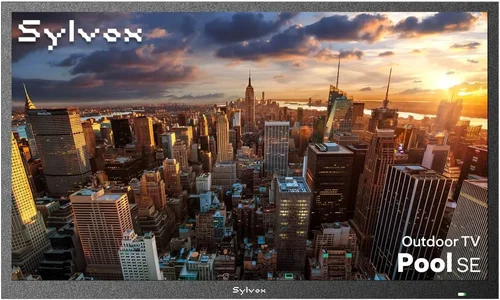
When it comes to elevating your outdoor entertainment experience, few upgrades deliver as much impact as a dedicated outdoor TV for your patio or outdoor bar. Whether you’re hosting game nights under string lights, enjoying sunset cocktails with a movie, or simply unwinding after a long day, the right television can transform your open-air space into a true extension of your living room. But unlike indoor TVs, outdoor models face unique challenges—intense sunlight, humidity, temperature swings, and dust—all of which demand specialized engineering and rugged design. That’s why choosing the right outdoor TV isn’t just about screen size or resolution; it’s about finding a unit built to thrive in real-world outdoor conditions.
This comprehensive buying guide is designed to help you navigate the growing market of outdoor televisions with confidence. Whether you’re a first-time buyer or upgrading from an older model, you’ll learn exactly what to look for, how to avoid costly mistakes, and which features truly matter when your screen lives under the sky. We’ll break down key performance specs, durability standards, pricing tiers, and top brands so you can make an informed decision that fits both your lifestyle and budget. By the end, you’ll know not only which TVs offer the best value but also how to maximize longevity and viewing pleasure in your outdoor oasis.
The outdoor TV market has evolved significantly in recent years. Once dominated by bulky, expensive commercial-grade displays, today’s options include sleek, weather-resistant models from trusted consumer brands like Samsung, LG, Sony, and specialized outdoor manufacturers such as SunBriteTV and Seura. These units now offer 4K HDR, smart platforms, voice control, and even anti-glare coatings—features once reserved for premium indoor sets. With more homeowners investing in outdoor living spaces, demand has driven innovation, resulting in better performance, smarter designs, and more accessible price points. This guide will help you cut through the noise and find the perfect match for your patio or bar setup.

What to Look for When Buying Buying Guide
1. Weather Resistance & IP Rating
One of the most critical factors when selecting an outdoor TV is its ability to withstand the elements. Unlike indoor TVs, outdoor models must resist rain, snow, dust, humidity, and extreme temperatures. Look for televisions with a high Ingress Protection (IP) rating—specifically IP55 or higher. An IP55 rating means the TV is protected against low-pressure water jets from any direction and limited dust ingress, making it suitable for most covered patios and outdoor bars. For fully exposed areas, consider IP65 or IP66 ratings, which offer even greater protection against water and dust.
In addition to the IP rating, check whether the TV is certified for outdoor use by recognized bodies like UL (Underwriters Laboratories). True outdoor TVs are built with sealed components, corrosion-resistant materials, and internal climate control systems (like fans or heaters) to prevent overheating in summer or freezing in winter. Avoid using indoor TVs outdoors—even under cover—as they lack these protections and can fail prematurely or pose safety risks.
2. Brightness & Anti-Glare Technology
Sunlight is the enemy of screen visibility outdoors. A typical indoor TV peaks at around 300–500 nits of brightness, which is easily washed out in direct sunlight. Outdoor TVs, by contrast, start at 700 nits and can exceed 2,500 nits—ensuring clear, vibrant images even at midday. When comparing models, prioritize brightness (measured in nits) as a top spec. For patios with partial shade or morning/evening use, 700–1,000 nits may suffice. But for south-facing decks or bars with direct sun exposure, aim for 1,500 nits or more.
Equally important is anti-glare or anti-reflective coating. These coatings reduce screen reflections from sunlight, windows, or overhead lighting, improving contrast and color accuracy. Some premium models use optically bonded glass, which eliminates the air gap between the LCD panel and the outer glass, further reducing glare and enhancing image clarity. Always view the TV in person if possible, or check user reviews that mention daytime visibility—spec sheets alone don’t always reflect real-world performance.
3. Build Quality & Durability
Outdoor TVs endure more stress than their indoor counterparts. Temperature fluctuations, UV exposure, and physical impacts (like wind-blown debris) can degrade cheaper models over time. Look for TVs with powder-coated aluminum or stainless-steel chassis, which resist rust and corrosion. The mounting hardware should also be marine-grade or stainless steel to prevent degradation.
Internal components matter too. High-quality capacitors, sealed circuit boards, and thermal management systems (like active cooling fans or passive heat sinks) help maintain performance in extreme heat. Some models include built-in heaters for cold climates, preventing condensation and ensuring startup in freezing temperatures. Avoid plastic enclosures—they can warp, crack, or become brittle under UV exposure. A well-built outdoor TV should feel solid, with no loose panels or gaps where moisture could enter.
4. Display Technology & Resolution
Most outdoor TVs use LED-LCD panels with full-array local dimming (FALD) or edge-lit backlighting. While OLED offers superior contrast and black levels, it’s rarely used outdoors due to susceptibility to burn-in and higher cost. For outdoor use, LED-LCD remains the standard—and for good reason. Modern models deliver excellent color accuracy, wide viewing angles, and high brightness, especially when paired with quantum dot technology (QLED).
Resolution is another key consideration. All new outdoor TVs support 4K UHD (3840 x 2160), which provides four times the detail of Full HD. This is especially beneficial for larger screens (65 inches and up) viewed from closer distances, such as at an outdoor bar. HDR (High Dynamic Range) support—including HDR10, HLG, and Dolby Vision—enhances contrast and color depth, making skies bluer, shadows deeper, and highlights more vivid. Ensure the TV supports at least HDR10 for broad compatibility with streaming services and Blu-ray content.
5. Smart Features & Connectivity
Today’s outdoor TVs come equipped with smart platforms that allow streaming directly from apps like Netflix, YouTube, Disney+, and Amazon Prime Video. Look for models running Android TV, webOS (LG), Tizen (Samsung), or Roku TV—these offer the most app support and regular software updates. Built-in Wi-Fi (preferably dual-band 2.4GHz/5GHz) ensures stable streaming, while Bluetooth enables wireless audio to outdoor speakers or headphones.
Connectivity is crucial for versatility. Ensure the TV has multiple HDMI ports (at least three), USB ports for media playback, and an Ethernet port for wired internet if Wi-Fi is unreliable. Some models include weatherproof input covers to protect ports from moisture. For outdoor bars, consider TVs with RS-232 or IP control for integration with smart home systems or commercial AV setups. Voice control via Google Assistant or Alexa is a nice bonus, allowing hands-free operation while grilling or mixing drinks.
6. Size & Viewing Distance
Choosing the right screen size depends on your seating arrangement and viewing distance. For a typical patio or outdoor bar, a 55- to 75-inch TV is ideal. Use this rule of thumb: multiply the screen size (in inches) by 1.5 to get the minimum viewing distance, and by 2.5 for the maximum. For example, a 65-inch TV should be viewed from 8 to 13 feet away.
Larger screens enhance immersion but require more brightness and higher resolution to maintain image quality. If your patio is small or seating is close, a 50- or 55-inch model may be more practical. Also consider the TV’s bezel size—slim bezels create a more modern look and maximize screen real estate. For corner installations or tight spaces, look for models with rear-facing or side-mounted inputs to simplify cable management.
7. Audio Performance & External Sound Options
Built-in speakers on outdoor TVs are often underpowered due to space and weatherproofing constraints. While they’re sufficient for casual listening, they rarely deliver the depth or volume needed for outdoor environments where ambient noise (wind, traffic, chatter) can drown out dialogue. Most outdoor TVs include audio output options like optical digital, 3.5mm analog, or HDMI ARC, allowing connection to external sound systems.
For the best experience, pair your TV with weather-resistant outdoor speakers or a soundbar. Many manufacturers offer matching audio systems designed to withstand the same conditions as their TVs. Wireless options like Bluetooth speakers or Wi-Fi-enabled systems (e.g., Sonos) provide flexibility without running cables. If audio quality is a priority, consider TVs with higher wattage built-in speakers (20W or more) or those that support Dolby Audio or DTS:X for virtual surround sound.
8. Warranty & Support
Outdoor TVs are a significant investment, so robust warranty coverage is essential. Most reputable brands offer 2- to 3-year limited warranties, with some extending to 5 years for commercial use. Check what’s covered: does it include labor, parts, and on-site service? Are weather-related failures included, or are they excluded as “acts of nature”?
Customer support matters too. Look for brands with dedicated outdoor TV support lines, online troubleshooting guides, and local service networks. Some companies, like SunBriteTV, offer free lifetime technical support and expedited replacement programs. Avoid brands with vague warranty terms or those that require you to ship the TV back at your expense—this can be costly and time-consuming for a 70-pound display.
Different Types of Buying Guide

Common Buying Mistakes to Avoid
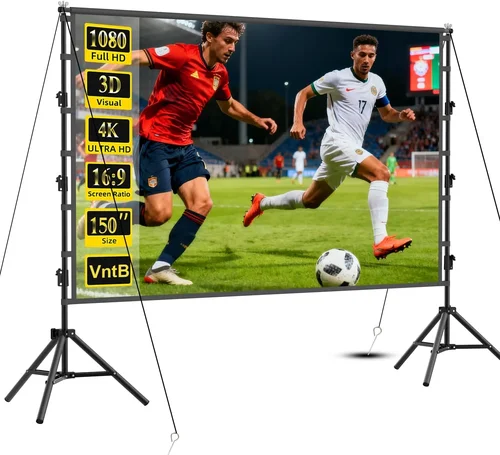
❌ Mistake: Using an Indoor TV Outdoors
Why it’s bad: Indoor TVs lack weatherproofing, corrosion resistance, and thermal management. Exposure to moisture, dust, or temperature extremes can cause electrical failure, screen damage, or even fire hazards. Most warranties void coverage if used outdoors.
What to do instead: Invest in a certified outdoor TV or use a weatherproof enclosure designed for your specific model. Even under cover, ambient humidity and temperature swings can degrade indoor electronics over time.
❌ Mistake: Ignoring Brightness Requirements
Why it’s bad: A dim screen turns your outdoor movie night into a squinting contest. Low-brightness TVs appear washed out in daylight, reducing enjoyment and usability during peak hours.
What to do instead: Match brightness to your environment. For shaded areas, 700–1,000 nits is adequate. For sunny patios, choose 1,500+ nits. Test visibility in similar lighting if possible.
❌ Mistake: Overlooking Mounting & Installation
Why it’s bad: Improper mounting can lead to instability, water intrusion, or cable damage. Outdoor TVs are heavier and require reinforced brackets and weatherproof conduits.
What to do instead: Use a certified outdoor mount with tilt/swivel options for optimal viewing. Run cables through waterproof conduits and secure all connections. Consider professional installation for permanent setups.
❌ Mistake: Skimping on Audio
Why it’s bad: Poor sound ruins the experience, especially in noisy outdoor settings. Built-in speakers often lack volume and clarity.
What to do instead: Pair your TV with outdoor-rated speakers or a soundbar. Wireless options reduce clutter and simplify setup.
❌ Mistake: Buying Based on Price Alone
Why it’s bad: Cheaper models may cut corners on durability, brightness, or warranty. A $1,000 TV that fails in two years costs more than a $2,500 model that lasts a decade.
What to do instead: Evaluate total cost of ownership, including longevity, energy use, and support. Mid-range models often offer the best balance of performance and value.
❌ Mistake: Neglecting Smart Features
Why it’s bad: A non-smart TV limits streaming options and requires external devices (like a Fire Stick), adding clutter and potential failure points.
What to do instead: Choose a model with a robust smart platform and regular updates. This future-proofs your investment and simplifies operation.
❌ Mistake: Forgetting About Power & Connectivity
Why it’s bad: Running extension cords across the patio is unsafe and unsightly. Limited ports restrict device connections.
What to do instead: Plan for a dedicated outdoor-rated power outlet near the TV. Use surge protectors and consider wireless streaming to minimize cables.
Budget Guidelines: How Much Should You Spend?
- Entry-Level ($800–$1,500): These are typically indoor TVs in weatherproof enclosures or basic partial-cover models. Expect 4K resolution, 700–1,000 nits brightness, and limited smart features. Best for shaded patios with minimal sun exposure. Brands like Seura and some Samsung models offer budget-friendly options, but durability may be lower.
- Mid-Range ($1,500–$3,500): The sweet spot for most homeowners. These TVs offer IP55 or IP65 ratings, 1,000–2,000 nits brightness, full smart platforms, and solid build quality. Models from SunBriteTV, LG, and Samsung fall here. Ideal for covered patios, outdoor bars, and pergolas with partial sun.
- Premium ($3,500–$6,000): Designed for enthusiasts and high-end installations. Features include IP66/IP67 ratings, 2,000+ nits brightness, quantum dot displays, advanced thermal management, and extended warranties. Perfect for fully exposed areas, luxury homes, or commercial use. SunBriteTV Pro and Sony’s outdoor series are top contenders.
- Luxury ($6,000+): Commercial-grade displays built for 24/7 operation in harsh environments. These include modular designs, remote monitoring, extreme temperature tolerance, and custom mounting solutions. Used in stadiums, resorts, and high-end outdoor entertainment zones. Expect professional installation and service contracts.
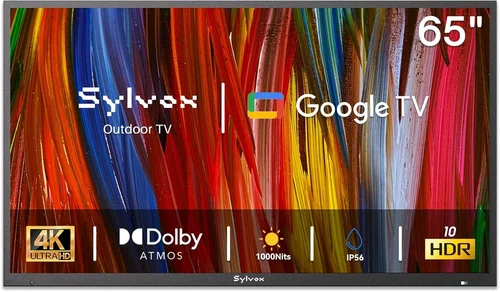
Expert Tips for Getting the Best Deal
- Buy During Off-Season: Prices drop in late fall and winter when demand for outdoor gear declines. Look for Black Friday, Cyber Monday, and post-holiday sales. Many retailers clear inventory in January and February.
- Compare Retailers: Check specialty outdoor electronics stores (like Outdoor TV Direct or Seura’s site), big-box retailers (Best Buy, Costco), and online marketplaces (Amazon, Crutchfield). Some offer price matching or free installation.
- Look for Bundles: Some brands offer TV + mount + soundbar packages at a discount. These can save 10–20% versus buying separately.
- Check for Rebates & Incentives: Utility companies sometimes offer rebates for energy-efficient outdoor electronics. Manufacturers may also run seasonal promotions.
- Read Real User Reviews: Spec sheets don’t tell the whole story. Look for reviews that mention long-term durability, daytime visibility, and customer service experiences.
- Test Before You Buy: If possible, visit a showroom or dealer to see the TV in person. Pay attention to brightness, color accuracy, and menu navigation.
- Understand Return Policies: Outdoor TVs are heavy and expensive to return. Ensure the retailer offers at least a 30-day return window and covers return shipping.
- Consider Refurbished Models: Certified refurbished units from reputable brands can save 20–30% and often come with the same warranty as new.

Frequently Asked Questions
Q: Can I use a regular TV outdoors if it’s under a roof?
A: Technically yes, but it’s not recommended. Even under cover, humidity, temperature swings, and dust can damage internal components. Indoor TVs lack weatherproofing and thermal management, increasing the risk of failure. For long-term reliability, use a certified outdoor TV or a weatherproof enclosure.
Q: How do I protect my outdoor TV from theft?
A: Use a locking mount, install the TV in a visible but secure location, and consider a security cable. Some models include VESA-compatible locks. For high-risk areas, choose a recessed installation or use motion-sensor lighting to deter intruders.
Q: Do outdoor TVs use more power than indoor models?
A: Yes, due to higher brightness and cooling systems. Expect 20–50% higher energy use. Look for ENERGY STAR-certified models to reduce long-term costs. Use a smart plug to schedule on/off times and save energy.
Q: Can I leave my outdoor TV on all the time?
A: Most consumer outdoor TVs are designed for intermittent use (6–12 hours/day). Commercial models support 24/7 operation. Continuous use can shorten lifespan unless the TV is specifically rated for it.
Q: What’s the difference between IP55 and IP65?
A: IP55 protects against low-pressure water jets and dust. IP65 offers the same water resistance but with complete dust protection (dust-tight). IP65 is better for sandy or dusty environments.
Q: Do I need a special mount for an outdoor TV?
A: Yes. Use a mount rated for outdoor use with corrosion-resistant materials. Ensure it supports the TV’s weight and VESA pattern. Tilt and swivel mounts improve viewing angles.
Q: Can I connect a gaming console to an outdoor TV?
A: Absolutely. Most outdoor TVs have HDMI 2.0 or 2.1 ports with low input lag. Look for models with “Game Mode” for smoother gameplay. Ensure the TV supports the console’s resolution and refresh rate (e.g., 4K@120Hz for PS5/Xbox).
Q: How do I clean my outdoor TV screen?
A: Use a microfiber cloth and distilled water or a screen-safe cleaner. Avoid ammonia-based products. Power off the TV and gently wipe the screen. For the exterior, use a damp cloth and mild soap.
Q: Will my outdoor TV work in cold climates?
A: Yes, if it’s designed for outdoor use. Many models include internal heaters to prevent condensation and ensure startup in freezing temperatures. Check the operating temperature range (typically -22°F to 122°F for premium models).
Q: Can I stream Netflix on an outdoor TV?
A: Yes, if it has a smart platform with the Netflix app. Most outdoor TVs from Samsung, LG, and Sony support major streaming services. Ensure a stable Wi-Fi connection or use Ethernet for better performance.
Our Final Recommendations
- Best for Budget-Conscious Buyers: Seura 55″ Shadow Series – Offers IP55 rating, 1,000 nits brightness, and smart features under $2,000. Ideal for covered patios with limited sun exposure.
- Best Overall Value: SunBriteTV 65″ Veranda Series – Combines IP55 protection, 1,200 nits brightness, Android TV, and excellent build quality at around $2,800. A reliable all-rounder for most outdoor setups.
- Best Premium Option: SunBriteTV 75″ Pro Series – IP66 rated, 2,500 nits brightness, quantum dot display, and commercial-grade durability. Perfect for fully exposed areas and high-end installations.
- Best for Beginners: Samsung 55″ The Terrace – Sleek design, 1,500 nits brightness, Tizen OS, and strong brand support. Easy to set up and use, with good daytime visibility.
- Best for Advanced Users: LG 65″ OLED Flex (with outdoor enclosure) – While not a true outdoor TV, this innovative bendable OLED can be paired with a custom weatherproof enclosure for a unique, high-performance setup. Best for tech enthusiasts willing to invest in customization.
Conclusion: Making the Right Choice
Choosing the right outdoor TV for your patio or bar is about more than just picking a big screen—it’s about finding a display that can handle the elements, deliver stunning visuals in any light, and enhance your outdoor lifestyle for years to come. From weather resistance and brightness to smart features and audio quality, every detail matters when your TV lives under the open sky. By prioritizing your specific needs—whether that’s budget, location, or usage patterns—you can avoid common pitfalls and invest wisely in a model that truly delivers.
Remember, the best outdoor TV isn’t necessarily the most expensive or the largest—it’s the one that fits your space, your habits, and your expectations. Take the time to research, compare, and test. Read user reviews, consult with experts, and don’t rush the decision. Your outdoor entertainment space deserves a centerpiece that’s as durable as it is delightful. With the insights from this guide, you’re now equipped to make a confident, informed choice that will keep your patio buzzing with movie nights, game days, and unforgettable moments under the stars.

