
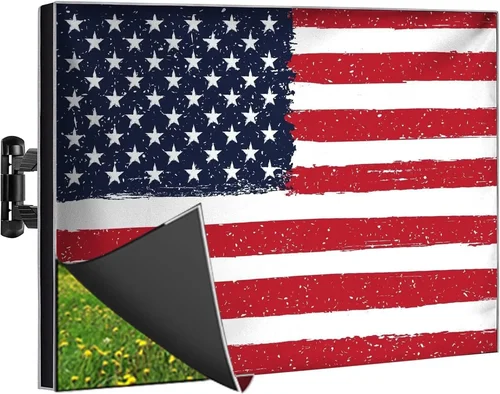
Outdoor living spaces have evolved dramatically over the past decade. What once was a simple patio with a few chairs and a grill has transformed into fully equipped outdoor entertainment zones—complete with outdoor kitchens, fire pits, sound systems, and yes, televisions. But not just any TV will do when you’re setting up a screen in a humid, open-air environment. Standard indoor TVs are built for climate-controlled rooms, not for exposure to moisture, salt air, temperature swings, or direct sunlight. That’s why choosing the right TV for a humid patio isn’t just about picture quality—it’s about durability, longevity, and safety.
This comprehensive buying guide is designed to help you navigate the complex world of outdoor TVs, especially those suited for humid climates like coastal regions, tropical zones, or areas with high annual rainfall. Whether you’re installing a TV under a covered pergola, on a screened-in porch, or even in a fully exposed outdoor living room, we’ll walk you through every critical factor—from weatherproofing and brightness to smart features and warranty coverage. By the end of this guide, you’ll have the knowledge and confidence to select a TV that not only delivers stunning visuals but also stands up to the elements year after year.
The market for outdoor TVs has grown significantly, with manufacturers now offering purpose-built models that go far beyond simple waterproofing. Today’s outdoor TVs come in various categories—from fully weatherproof all-weather models to semi-outdoor options designed for covered patios. Brands like Samsung, LG, Sony, and specialized outdoor tech companies such as SunBriteTV, Seura, and Peerless-AV are leading the charge with innovations in anti-glare screens, sealed enclosures, and humidity-resistant components. With prices ranging from under $500 to well over $5,000, there’s a wide spectrum of options depending on your needs, budget, and installation environment. This guide will help you cut through the noise and make an informed decision tailored to your specific patio setup.

What to Look for When Buying Buying Guide
1. Weather Resistance & IP Rating
When it comes to outdoor TVs in humid areas, weather resistance isn’t optional—it’s essential. Humidity, rain, dew, and even salt air can wreak havoc on electronic components not designed for such conditions. The first thing to check is the TV’s Ingress Protection (IP) rating, which indicates how well the device is protected against dust and water. For outdoor use, especially in humid environments, look for a minimum IP55 rating, though IP65 or higher is ideal. An IP65 rating means the TV is dust-tight and protected against low-pressure water jets from any direction—perfect for patios exposed to rain or high humidity.
Beyond the IP rating, consider the TV’s internal sealing. High-quality outdoor TVs use fully sealed enclosures with no ventilation holes, preventing moisture from seeping into the internal circuitry. Some models also feature conformal coating on circuit boards, which adds an extra layer of protection against corrosion. If you live near the ocean or in a region with frequent fog or heavy rainfall, opt for a TV specifically rated for “all-weather” use. These models are engineered to handle not just humidity but also temperature extremes, UV exposure, and even mold growth.
2. Brightness & Anti-Glare Display
One of the biggest challenges with outdoor TVs is visibility in bright daylight. Even under a covered patio, ambient light can wash out the screen, making it difficult to see details—especially during daytime viewing. Standard indoor TVs typically have a brightness of 300–500 nits, which is insufficient for outdoor use. For patios in humid areas that often come with bright, reflective surfaces (like white pavers or water features), you’ll need a TV with significantly higher brightness.
Look for outdoor TVs with a minimum brightness of 700 nits, though 1,000 nits or more is recommended for areas with direct sunlight exposure. Many outdoor models use high-brightness LED or OLED panels specifically calibrated for outdoor visibility. Additionally, anti-glare or anti-reflective coatings are critical. These coatings reduce screen reflections from sunlight, windows, or nearby lights, ensuring a clear image even in challenging lighting conditions. Some premium models also feature optical bonding, where the screen layers are fused together to minimize internal reflections and improve contrast.
Another factor to consider is the screen type. While OLED offers superior contrast and color accuracy, it can be more susceptible to image retention in static outdoor environments (like a fixed menu bar on a streaming app). QLED and high-end LED panels are often preferred for outdoor use due to their brightness and durability. Also, check for local dimming zones—more zones mean better contrast and deeper blacks, which enhance the viewing experience in both daylight and evening hours.
3. Build Quality & Durational Design
Outdoor TVs must endure more than just humidity—they face temperature fluctuations, UV radiation, dust, and physical wear. That’s why build quality is a top priority. Look for TVs with robust, corrosion-resistant materials such as powder-coated aluminum or marine-grade stainless steel. These materials resist rust and degradation, especially in coastal or high-humidity zones. Avoid plastic-heavy enclosures, as they can warp, crack, or become brittle over time when exposed to the elements.
The internal components should also be designed for longevity. High-end outdoor TVs often use solid-state cooling systems (fanless designs) to prevent dust and moisture from entering through vents. They may also include temperature sensors and automatic thermal management to prevent overheating during hot summer days or freezing in cooler months. Some models are rated for operation between -22°F and 122°F (-30°C to 50°C), making them suitable for year-round use in most climates.
Mounting hardware is another aspect of build quality. Ensure the TV comes with a compatible outdoor-rated wall mount or is compatible with VESA-standard mounts designed for outdoor use. These mounts are typically made of galvanized steel or aluminum and include rubber gaskets to seal the connection points. Poor mounting can lead to water intrusion or structural failure, especially in windy or storm-prone areas.
4. Smart Features & Connectivity
Just because a TV is built for the outdoors doesn’t mean it should lack modern functionality. Today’s best outdoor TVs come equipped with full smart TV platforms, allowing you to stream content directly without needing an external device. Look for models running Android TV, webOS (LG), Tizen (Samsung), or Roku OS—these platforms offer access to Netflix, YouTube, Disney+, and other popular apps. Ensure the TV supports Wi-Fi 5 or Wi-Fi 6 for reliable connectivity, especially if your patio is far from your router.
Connectivity options are equally important. Check for multiple HDMI ports (preferably HDMI 2.1 for future-proofing), USB ports, optical audio output, and Ethernet for wired internet. Some models include built-in Bluetooth for wireless audio streaming to outdoor speakers. If you plan to connect a soundbar, gaming console, or streaming stick, make sure there are enough ports and that they’re easily accessible. Also, consider whether the TV supports voice assistants like Alexa or Google Assistant—this can be convenient for hands-free control while lounging outdoors.
One often-overlooked feature is remote control durability. Standard remotes aren’t designed for outdoor use and can fail when exposed to moisture. Look for TVs that include weather-resistant remotes or offer smartphone app control as an alternative. Some premium models even feature backlit remotes or RF (radio frequency) remotes that don’t require line-of-sight, making them ideal for use in dimly lit or covered patios.
5. Size & Viewing Distance
Choosing the right screen size is crucial for an enjoyable outdoor viewing experience. Unlike indoor TVs, where you might sit 6–8 feet away, outdoor setups often involve larger spaces with greater viewing distances. A common rule of thumb is to divide your viewing distance (in inches) by 1.5 to determine the ideal screen size. For example, if you’ll be sitting 12 feet (144 inches) away, a 96-inch TV (144 ÷ 1.5) would be ideal—though that’s on the larger side for most patios.
For most covered patios, a 55-inch to 75-inch TV is a sweet spot. A 55-inch model works well for distances of 7–9 feet, while a 65-inch or 75-inch screen is better for 10–12 feet. Larger screens enhance immersion, especially for sports, movies, or group gatherings. However, avoid going too big—oversized screens can be overwhelming and may require more powerful mounting solutions.
Also consider the TV’s bezel design. Slim bezels create a more immersive viewing experience and look more modern in outdoor settings. Some outdoor TVs are designed with a “zero-bezel” or near-borderless look, which minimizes distractions and blends seamlessly into your patio decor. If space is limited, consider a compact outdoor TV with a smaller footprint but high brightness and smart features.
6. Brand Reputation & Specialization
Not all TV brands are created equal when it comes to outdoor performance. While major manufacturers like Samsung and LG offer some outdoor-capable models, they often lack the specialized engineering found in brands dedicated to outdoor electronics. Companies like SunBriteTV, Seura, and Peerless-AV have spent years refining their designs for harsh environments and are generally more reliable in humid, exposed conditions.
SunBriteTV, for example, is known for its Veranda and Pro series, which are built with full weatherproofing, high brightness, and anti-glare screens. Seura offers the Outdoor TV and Shade series, with models designed for partial shade and full sun. Peerless-AV provides rugged outdoor displays often used in commercial settings like stadiums and resorts. These brands typically offer better customer support, longer warranties, and more transparent specifications regarding outdoor performance.
That said, some mainstream brands have entered the outdoor space with competitive offerings. Samsung’s The Terrace is a premium outdoor TV with 2,000-nit brightness and IP55 rating, while LG’s OLED outdoor models feature advanced anti-reflective technology. However, these models come at a premium price and may not be as widely available. When evaluating brands, look for customer reviews, third-party testing results, and how long the company has been producing outdoor-specific products.
7. Warranty & Support
A strong warranty is a sign of a manufacturer’s confidence in their product—especially important for electronics exposed to the elements. Most indoor TVs come with a 1-year limited warranty, but outdoor TVs should offer at least 2–3 years of coverage, with some premium models extending to 5 years. Look for warranties that specifically cover outdoor use, including damage from humidity, temperature extremes, and UV exposure.
Pay attention to what the warranty includes. Does it cover labor and parts? Is on-site service available? Can you get a replacement unit shipped quickly if something fails? Some brands offer expedited replacement programs, which is crucial if your TV goes down during a big game or outdoor event. Also, check if the warranty is transferable—this can add value if you ever sell your home.
Customer support is another key factor. Outdoor TVs can be complex to install and troubleshoot, so having access to knowledgeable support staff is invaluable. Look for brands with dedicated outdoor support lines, online installation guides, and video tutorials. Some companies even offer free consultation calls to help you choose the right model for your setup.
8. User Reviews & Real-World Performance
While specs and marketing materials are helpful, nothing beats real-world feedback from other users. Before making a purchase, read through customer reviews on retailer sites, forums, and YouTube. Look for patterns—do multiple users report issues with moisture ingress after a few months? Are there complaints about brightness fading over time? These insights can reveal potential flaws not mentioned in the official documentation.
Pay special attention to reviews from users in similar climates. If you live in Florida, Hawaii, or the Gulf Coast, seek out feedback from others in humid, coastal regions. They’ll be more likely to highlight issues related to corrosion, mold, or salt damage. Also, check for long-term reviews (6 months or more), as some problems only emerge after extended exposure to the elements.
Don’t rely solely on star ratings—read the full text of reviews. A 4-star review might praise picture quality but mention poor customer service or difficult installation. Conversely, a 3-star review could highlight excellent durability despite a higher price. Use these nuanced insights to make a balanced decision.
Different Types of Buying Guide

Common Buying Mistakes to Avoid
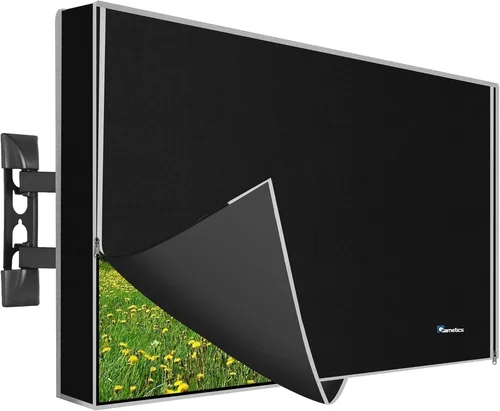
❌ Mistake: Using a Standard Indoor TV Outdoors
Why it’s bad: Indoor TVs are not designed to handle humidity, temperature changes, or dust. Even under a covered patio, moisture can condense inside the TV, leading to corrosion, short circuits, and permanent damage. Many indoor TVs also lack the brightness needed for outdoor visibility.
What to do instead: Invest in a TV specifically rated for outdoor use or use a weatherproof enclosure if you must use an indoor model. Always check the IP rating and ensure the TV is built for your climate.
❌ Mistake: Ignoring Brightness Requirements
Why it’s bad: A dim screen will be unwatchable in daylight, especially on bright, sunny days. You’ll end up squinting or only using the TV at night, defeating the purpose of an outdoor setup.
What to do instead: Choose a TV with at least 700 nits of brightness, preferably 1,000+ nits for areas with direct sun. Look for anti-glare coatings and high contrast ratios to improve visibility.
❌ Mistake: Overlooking Mounting & Installation
Why it’s bad: Improper mounting can lead to water intrusion, structural failure, or even the TV falling. Using indoor mounts outdoors is a common cause of damage.
What to do instead: Use outdoor-rated mounts with sealed connections and corrosion-resistant materials. Consider professional installation, especially for larger or wall-mounted units.
❌ Mistake: Skimping on Warranty & Support
Why it’s bad: Outdoor TVs are expensive, and repairs can be costly. A weak warranty leaves you vulnerable to high out-of-pocket expenses if something goes wrong.
What to do instead: Choose a model with at least a 2–3 year warranty that covers outdoor use. Prioritize brands with strong customer support and replacement programs.
❌ Mistake: Not Considering Long-Term Maintenance
Why it’s bad: Even the best outdoor TVs require occasional cleaning and inspection. Neglecting maintenance can lead to buildup of mold, dust, or salt residue, reducing performance and lifespan.
What to do instead: Clean the screen and vents regularly with a soft, dry cloth. Inspect seals and mounts annually. Use a protective cover during extreme weather if recommended.
❌ Mistake: Buying Based Solely on Price
Why it’s bad: The cheapest option may save money upfront but cost more in repairs, replacements, or poor performance. Outdoor TVs are a long-term investment.
What to do instead: Balance budget with features, durability, and brand reputation. Consider total cost of ownership, including installation, maintenance, and potential downtime.
Budget Guidelines: How Much Should You Spend?
- Entry-Level ($500 – $1,200): These are typically indoor TVs used with weatherproof enclosures or basic covered patio models. Expect lower brightness (500–700 nits), limited smart features, and shorter warranties. Best for temporary setups or shaded areas with minimal exposure.
- Mid-Range ($1,200 – $2,500): This is the sweet spot for most homeowners. You’ll find covered patio TVs with 700–1,000 nits brightness, smart platforms, and decent weather resistance. Brands like SunBriteTV’s Veranda series fall here, offering great value and reliability.
- Premium ($2,500 – $5,000): For fully exposed patios or high-end outdoor living spaces. These TVs offer 1,000+ nits brightness, full weatherproofing (IP65+), advanced anti-glare tech, and robust build quality. Models like Samsung’s The Terrace or Seura’s Shade series are ideal for enthusiasts.
- Luxury ($5,000+): Top-tier commercial-grade or custom outdoor displays. These are built for 24/7 operation, extreme environments, and large venues. Expect features like 2,000+ nits brightness, fanless cooling, and 5-year warranties. Best for resorts, luxury homes, or professional installations.
Expert Tips for Getting the Best Deal
- Buy during off-season: Prices on outdoor TVs often drop in late fall and winter when demand is lower. Look for Black Friday, Cyber Monday, or end-of-season sales.
- Compare retailers: Check prices at specialty outdoor tech stores, big-box retailers, and online marketplaces. Some retailers offer price matching or bundle deals with mounts and cables.
- Consider refurbished models: Many brands sell certified refurbished outdoor TVs at 20–30% off. These come with full warranties and are thoroughly tested.
- Read the fine print on warranties: Ensure the warranty covers outdoor use and includes both parts and labor. Avoid extended warranties that duplicate the manufacturer’s coverage.
- Test before finalizing: If possible, view the TV in person or watch demo videos in bright lighting. Check for color accuracy, motion handling, and remote responsiveness.
- Factor in installation costs: Professional installation can add $200–$500, but it ensures safety and optimal performance. DIY is possible but risky for larger units.
- Use a surge protector: Outdoor electronics are vulnerable to power surges. Invest in a high-quality outdoor-rated surge protector to safeguard your investment.
Frequently Asked Questions
Q: Can I use a regular TV on my covered patio?
A: Technically yes, but it’s not recommended for long-term use. Even covered patios can experience humidity, temperature swings, and dust. A standard TV may fail prematurely. For better results, use a weatherproof enclosure or choose a TV designed for covered outdoor use.
Q: How do I protect my outdoor TV from rain?
A: Use a TV with a high IP rating (IP55 or higher) and ensure all connections are sealed. Install it under a roof or pergola with adequate overhang. Consider a protective cover during heavy storms or off-seasons.
Q: Do outdoor TVs need special mounts?
A: Yes. Use outdoor-rated mounts made of corrosion-resistant materials. Indoor mounts can rust or fail when exposed to moisture. Look for mounts with rubber gaskets and secure locking mechanisms.
Q: Can I leave my outdoor TV on all the time?
A: Most outdoor TVs are designed for extended use, but continuous 24/7 operation may reduce lifespan. Use sleep timers or smart plugs to turn it off when not in use. Commercial-grade models are built for constant operation.
Q: How often should I clean my outdoor TV?
A: Clean the screen and vents every 1–2 months with a soft, dry microfiber cloth. Avoid harsh chemicals. Inspect seals and mounts annually for wear or corrosion.
Q: Are outdoor TVs worth the extra cost?
A: If you plan to use your patio frequently for entertainment, yes. The durability, brightness, and reliability justify the investment. For occasional use, a mid-range covered patio model may suffice.
Q: Can I connect a soundbar to an outdoor TV?
A: Yes, most outdoor TVs have optical audio or HDMI ARC ports for soundbar connectivity. Ensure the soundbar is also rated for outdoor or covered use if exposed to elements.
Q: Do outdoor TVs work in cold weather?
A: High-quality outdoor TVs are rated for operation down to -22°F (-30°C). They include thermal management systems to prevent freezing. Avoid turning on the TV if it’s been exposed to extreme cold without acclimating.
Our Final Recommendations
- Best for Budget-Conscious Buyers: SunBriteTV Veranda Series (55″–75″) – Excellent value with 700-nit brightness, IP55 rating, and smart features. Ideal for covered patios in humid climates.
- Best Overall Value: Seura Outdoor TV (65″) – Combines 1,000-nit brightness, anti-glare screen, and sleek design. Great for semi-exposed areas with partial sun.
- Best Premium Option: Samsung The Terrace (75″) – 2,000-nit brightness, IP55 rating, and premium smart features. Perfect for fully exposed patios and luxury outdoor spaces.
- Best for Beginners: Peerless-AV Xtreme Outdoor Display (55″) – Rugged, reliable, and easy to install. Comes with a comprehensive warranty and support.
- Best for Advanced Users: SunBriteTV Pro Series (86″) – Commercial-grade durability, fanless cooling, and extreme brightness. Built for demanding environments and professional use.
Conclusion: Making the Right Choice
Choosing the right TV for a humid patio is about more than just picture quality—it’s about investing in a product that can withstand the elements while delivering a premium viewing experience. From weather resistance and brightness to smart features and warranty coverage, every factor plays a role in ensuring your outdoor entertainment setup lasts for years. By prioritizing your specific needs—whether that’s budget, exposure level, or smart functionality—you can find a TV that enhances your outdoor lifestyle without constant worry about damage or failure.
Remember, the cheapest option isn’t always the best, and the most expensive isn’t always necessary. Focus on value, durability, and real-world performance. Read reviews, compare specs, and don’t hesitate to consult with experts or professionals before making your final decision. With the right TV, your patio can become the ultimate destination for movie nights, game days, and relaxing evenings under the stars—rain or shine, summer or winter.
Now that you’re equipped with the knowledge from this guide, it’s time to take action. Assess your space, set your budget, and start exploring the models that best fit your needs. Whether you’re upgrading an existing setup or building your dream outdoor entertainment zone from scratch, the perfect TV is out there—ready to bring your patio to life.

