
Outdoor sports watching has evolved from a casual backyard activity into a full-fledged entertainment experience. Whether you’re hosting a Super Bowl party, cheering on your favorite soccer team during the World Cup, or enjoying a summer baseball game with friends, having the right TV can make all the difference. But not just any TV will do—standard indoor models aren’t built to withstand the elements, and even a little humidity or direct sunlight can ruin your viewing experience. That’s where outdoor TVs come in: purpose-built displays designed to deliver crisp visuals, reliable performance, and long-term durability in open-air environments.
This comprehensive buying guide is designed to help you navigate the growing market of outdoor televisions with confidence. We’ll walk you through every critical factor—from brightness and weather resistance to smart features and installation considerations—so you can choose a model that fits your space, budget, and viewing habits. Whether you’re setting up a permanent outdoor entertainment zone or looking for a portable solution for tailgating or camping trips, we’ve got you covered. By the end of this guide, you’ll know exactly what to look for, which brands lead the pack, and how to avoid common pitfalls that could cost you time, money, or both.
The outdoor TV market has expanded significantly in recent years, driven by rising demand for outdoor living spaces and advancements in display technology. Major electronics brands like Samsung, LG, and Sony now offer specialized outdoor models, while niche players such as SunBriteTV, Seura, and Sylvane have carved out strong reputations for rugged, weatherproof designs. At the same time, more affordable options from companies like Element and Kanto are making outdoor viewing accessible to a wider audience. With so many choices available, it’s easy to feel overwhelmed—but armed with the right knowledge, you can cut through the noise and find the perfect TV for your patio, deck, or backyard stadium.

What to Look for When Buying Buying Guide
1. Brightness & Anti-Glare Performance
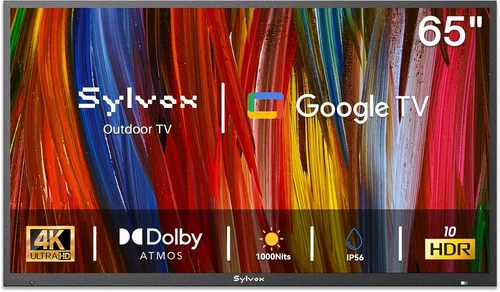
One of the most critical factors for any outdoor TV is its ability to remain visible in bright daylight. Unlike indoor TVs, which typically operate in dimly lit rooms, outdoor models must combat direct sunlight, reflections, and ambient glare. Look for a display with a brightness rating of at least 700 nits—though 1,000 nits or higher is ideal for full sun exposure. Many top-tier outdoor TVs use anti-reflective coatings or optically bonded screens that minimize glare and enhance contrast, ensuring that colors stay vibrant and details stay sharp even when the sun is high.
Don’t confuse peak brightness with sustained brightness. Some manufacturers advertise high peak values that only apply during brief HDR scenes, but what matters most is consistent luminance across the entire screen. Also, consider the TV’s viewing angle: if your seating area spans a wide arc (common in outdoor setups), opt for a model with IPS or similar wide-viewing-angle panel technology to prevent color washout when viewed from the side.
2. Weather Resistance & IP Rating
Outdoor TVs must endure rain, snow, dust, extreme temperatures, and UV exposure—conditions that would quickly destroy a standard indoor model. The best way to assess a TV’s resilience is by checking its Ingress Protection (IP) rating. For outdoor use, aim for at least IP55 (protected against low-pressure water jets and limited dust ingress), though IP65 or higher is preferable for full weatherproofing. This means the TV can handle rain, splashes, and even hose-down cleaning without damage.
Beyond the IP rating, examine the materials used in the chassis and screen. Aluminum or powder-coated steel enclosures resist rust and corrosion, while sealed ports and connectors prevent moisture from entering internal components. Some premium models also include built-in heaters or cooling systems to maintain optimal operating temperatures in freezing or scorching climates. Always verify whether the TV is rated for “full sun,” “partial sun,” or “shade only”—this classification directly impacts where you can safely install it.
3. Display Technology & Picture Quality
While brightness and durability are paramount outdoors, picture quality still matters—especially for fast-paced sports with rapid motion and dynamic lighting. Most high-end outdoor TVs use OLED or QLED panels, offering deep blacks, wide color gamuts, and excellent contrast. However, OLEDs can be more susceptible to burn-in under static scoreboards or channel logos, so QLED or high-brightness LED-LCDs are often preferred for sports viewing.
Refresh rate is another key spec: look for at least 120Hz native refresh rate (not just motion interpolation) to ensure smooth playback of fast action like football runs or hockey slapshots. Support for HDR10, Dolby Vision, or HLG enhances detail in both bright skies and shadowy stadium corners. Additionally, check for local dimming zones if you want improved contrast, though be aware that fewer zones may limit effectiveness on very bright screens.
4. Smart Features & Connectivity
Modern outdoor TVs aren’t just dumb screens—they’re full-fledged smart platforms. Ensure your chosen model runs a current operating system like Android TV, webOS, or Roku TV, which gives you access to streaming apps like Netflix, YouTube, ESPN+, and Paramount+. This eliminates the need for an external streaming device and simplifies control via voice assistants like Google Assistant or Alexa.
Connectivity is equally important. Look for multiple HDMI 2.1 ports (for future-proofing with gaming consoles or 4K/120Hz sources), USB ports for media playback, and robust Wi-Fi 6 or Ethernet support for stable streaming. Some models also include built-in tuners for over-the-air broadcasts, which is handy for catching live local games without a cable subscription. Don’t forget audio: while many outdoor TVs have decent built-in speakers, consider pairing yours with weather-resistant outdoor soundbars or wireless speakers for immersive crowd noise and commentary.
5. Size & Viewing Distance
Choosing the right screen size depends on your seating arrangement and available space. As a general rule, multiply your viewing distance (in inches) by 0.84 to get the ideal diagonal screen size. For example, if viewers sit 10 feet (120 inches) away, a 100-inch TV would be optimal. However, outdoor environments often have more ambient light, so slightly larger screens can help maintain perceived image clarity.
Common outdoor TV sizes range from 43 inches (great for small patios or covered porches) to 85 inches or more (ideal for large decks or backyard theaters). Keep in mind that larger screens require stronger mounting solutions and may need professional installation, especially if wall-mounted under eaves or on freestanding poles. Also, consider bezel thickness: slim bezels create a more immersive experience and look cleaner in outdoor settings.
6. Installation & Mounting Options
How you plan to mount your TV significantly affects both performance and longevity. Most outdoor TVs are compatible with standard VESA mounting patterns, but you’ll need a weatherproof outdoor mount rated for your TV’s weight and size. Tilt and full-motion mounts offer flexibility for adjusting the angle based on sun position or seating layout, but ensure they’re made from corrosion-resistant materials like stainless steel.
Location matters too. Ideally, install your TV under an overhang, pergola, or awning to provide shade and reduce direct sun exposure. If that’s not possible, choose a model specifically rated for full-sun use. Avoid placing the TV near sprinklers, grills, or high-traffic areas where accidental impacts could occur. Professional installation is recommended for permanent setups, as improper mounting can void warranties or create safety hazards.
7. Brand Reputation & Reliability
Not all outdoor TV brands are created equal. Established names like SunBriteTV (a leader since 2004) and Seura have spent years refining their weatherproofing techniques and customer support networks. These companies often provide detailed installation guides, extended warranties, and responsive service teams familiar with outdoor-specific issues.
On the other hand, budget brands may cut corners on sealing, use lower-grade components, or offer limited售后 support. Before purchasing, research user reviews on trusted sites like Consumer Reports, Wirecutter, or outdoor forums. Pay attention to comments about long-term reliability, firmware updates, and how well the TV holds up after a full season of outdoor use. A reputable brand might cost more upfront but saves you headaches—and replacement costs—down the line.
8. Warranty & Customer Support
Outdoor TVs represent a significant investment, so robust warranty coverage is essential. Look for at least a 2–3 year limited warranty that includes parts, labor, and on-site service if possible. Some premium brands offer 5-year warranties or even lifetime screen warranties against burn-in or discoloration. Avoid models with “as-is” or refurbished labeling unless explicitly covered by a transferable warranty.
Customer support should be accessible via phone, email, or live chat, with technicians who understand outdoor installation challenges. Check whether the company provides regional service centers or relies on third-party providers—local expertise can mean faster repairs. Also, verify if the warranty covers damage from environmental factors like hail, salt air, or extreme temperatures, as these are common outdoor risks not typically included in standard electronics warranties.
Different Types of Buying Guide

Common Buying Mistakes to Avoid
❌ Mistake: Buying a Standard Indoor TV for Outdoor Use
Why it’s bad: Indoor TVs lack weatherproofing, have low brightness (typically 300–500 nits), and aren’t designed to handle temperature swings or humidity. Even under cover, condensation can seep into vents and damage internal components within weeks.
What to do instead: Always choose a TV explicitly rated for outdoor use. If budget is tight, consider a partial-shade model or use a high-quality outdoor TV enclosure—but never assume an indoor TV will suffice.
❌ Mistake: Ignoring Sun Exposure When Choosing Brightness
Why it’s bad: A TV with only 500 nits will appear washed out or completely invisible in direct sunlight, turning your big game into a frustrating blur.
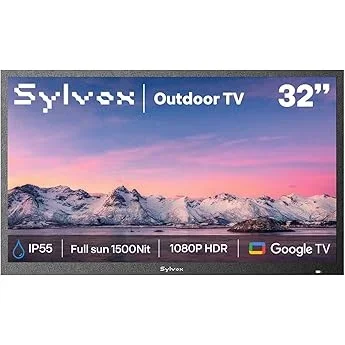
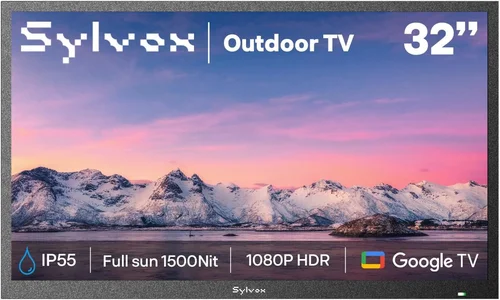
What to do instead: Match the TV’s brightness rating to your installation location. Use 700+ nits for shade, 1,000+ nits for partial sun, and 1,500+ nits for full sun. Check manufacturer specs for “full-sun” certification.
❌ Mistake: Overlooking Proper Mounting and Ventilation
Why it’s bad: Improper mounting can lead to water pooling, overheating, or structural failure. Enclosing a TV in a non-ventilated cabinet traps heat and reduces lifespan.
What to do instead: Use a certified outdoor mount with drainage channels and ensure at least 2–3 inches of clearance around the TV for airflow. Consult a professional installer if unsure.
❌ Mistake: Skimping on Audio Solutions
Why it’s bad: Wind, distance, and ambient noise can drown out built-in TV speakers, making commentary inaudible during crucial moments.
What to do instead: Invest in weather-resistant outdoor speakers or a soundbar. Wireless options like Sonos Move or Bose SoundLink are great for flexible placement.
❌ Mistake: Not Checking Return and Warranty Policies
Why it’s bad: Outdoor TVs are expensive, and if something goes wrong after installation, you don’t want to be stuck with a lemon and no recourse.
What to do instead: Buy from retailers with generous return windows (30+ days) and verify warranty terms before purchase. Keep all documentation and photos of installation.
❌ Mistake: Assuming All “Outdoor” TVs Are Equal
Why it’s bad: Some brands market TVs as “outdoor-ready” but only include basic weather resistance or require add-on enclosures.
What to do instead: Read the fine print. Look for independent IP ratings, thermal management specs, and real-user reviews. Don’t rely solely on marketing claims.
❌ Mistake: Forgetting About Power and Cable Management
Why it’s bad: Exposed cables are tripping hazards and vulnerable to weather damage. Running power through walls without proper conduits can violate building codes.
What to do instead: Plan your cable route in advance. Use in-wall rated HDMI cables and outdoor-safe power extensions. Consider hiring an electrician for permanent wiring.
Budget Guidelines: How Much Should You Spend?
Entry-Level ($500–$1,200): This tier includes portable outdoor TVs and partial-shade models from brands like Kanto and Element. Expect decent brightness (600–800 nits), basic smart features, and limited weather resistance (IP54). Ideal for covered patios or occasional use, but not recommended for full sun or year-round exposure.
Mid-Range ($1,200–$3,000): The sweet spot for most homeowners. Models like the SunBriteTV Veranda series or LG Outdoor OLED offer 1,000+ nits brightness, IP55+ ratings, robust smart platforms, and reliable performance in partial to full sun. These TVs balance price, durability, and picture quality—perfect for regular sports watching and entertaining.
Premium ($3,000–$6,000): Designed for enthusiasts and serious outdoor entertainers. Expect flagship-level specs: 1,500+ nits, OLED/QLED panels, advanced thermal systems, and 3–5 year warranties. Brands like Seura and SunBriteTV’s Pro series dominate here, offering seamless integration with home automation and premium aesthetics.
Luxury ($6,000+): Reserved for commercial venues or ultra-high-end residential projects. These include custom-sized displays, 24/7 operation capability, anti-vandal coatings, and professional installation services. Think stadium-grade brightness (2,000+ nits) and military-grade durability.
Expert Tips for Getting the Best Deal
1. Time Your Purchase Around Major Sales Events: The best deals on outdoor TVs typically occur during Black Friday, Cyber Monday, and end-of-summer clearance sales (August–September). Many retailers discount older models to make room for new inventory.
2. Buy Direct from Manufacturers When Possible: Brands like SunBriteTV and Seura often offer exclusive bundles, extended warranties, or free shipping when you purchase directly—something third-party sellers rarely match.
3. Consider Refurbished or Open-Box Units: Certified refurbished outdoor TVs from reputable sellers can save you 20–40% off retail price. Just ensure they come with a full warranty and have been tested for outdoor performance.
4. Negotiate Installation Packages: Some retailers or local AV installers offer discounted rates when you bundle TV purchase with mounting and setup. This can offset labor costs significantly.
5. Check for Local Rebates or Utility Incentives: A few regions offer energy-efficiency rebates for high-performance outdoor electronics. While rare, it’s worth a quick search with your utility provider.
6. Read Return Policies Carefully: Outdoor TVs are often large and difficult to return. Confirm whether the seller covers return shipping and if there’s a restocking fee (common with custom orders).
7. Test Before Finalizing Installation: If possible, set up the TV temporarily to check visibility, sound quality, and Wi-Fi signal strength. Adjust placement before committing to permanent mounting.
8. Join Outdoor Living Forums: Communities like Reddit’s r/outdoortv or AVS Forum often share deal alerts, user experiences, and installation hacks you won’t find elsewhere.

Frequently Asked Questions
Q: Can I use a regular TV outside if it’s under cover?
A: Technically yes, but it’s not recommended. Even under cover, humidity, temperature fluctuations, and dust can damage internal components over time. Plus, standard TVs lack the brightness needed for outdoor visibility. For reliable, long-term use, invest in a purpose-built outdoor model.
Q: Do outdoor TVs consume more power than indoor ones?
A: Not necessarily. While higher brightness can increase power draw, many outdoor TVs use energy-efficient LED backlighting and smart power management. Check the Energy Guide label—most modern outdoor TVs are surprisingly efficient.
Q: How do I clean my outdoor TV screen?
A: Use a microfiber cloth and mild soap solution (never ammonia-based cleaners). Gently wipe the screen and frame, avoiding excessive pressure. For tough grime, lightly dampen the cloth—never spray liquid directly on the TV.
Q: Will an outdoor TV work in winter or extreme heat?
A: Yes, if it’s rated for your climate. Look for operating temperature ranges (e.g., -22°F to 122°F). Premium models include internal heaters or coolers to maintain safe temperatures automatically.
Q: Can I connect gaming consoles or cable boxes to an outdoor TV?
A: Absolutely. Most outdoor TVs include multiple HDMI ports compatible with PS5, Xbox, Apple TV, Roku, and cable/satellite boxes. Just ensure your cables are outdoor-rated if running them externally.
Q: Are outdoor TVs safe from theft or vandalism?
A: While no TV is theft-proof, many outdoor models feature lockable mounts, tamper-resistant screws, and discreet designs. For high-risk areas, consider commercial-grade displays with reinforced glass and alarm integration.
Q: Do I need a special antenna for over-the-air broadcasts?
A: A standard outdoor TV antenna works fine, but for best reception, choose one rated for your distance from broadcast towers. Amplified antennas help in rural areas.
Q: How long do outdoor TVs typically last?
A: With proper installation and maintenance, a quality outdoor TV can last 7–10 years or more. Cheaper models may degrade faster due to inferior sealing or components.
Q: Can I stream 4K HDR content reliably outdoors?
A: Yes, provided you have a strong Wi-Fi signal or wired Ethernet connection. Consider a mesh Wi-Fi system or outdoor-rated extender to boost coverage to your patio.
Q: What’s the difference between “weather-resistant” and “weatherproof”?
A: “Weather-resistant” usually means protected against splashes and light rain (IP54), while “weatherproof” implies full protection against dust and water jets (IP65+). Always check the IP rating for clarity.
Our Final Recommendations
Best for Budget-Conscious Buyers: Kanto OTM430 – At under $800, this 43-inch partial-shade TV delivers 700 nits brightness, Android TV, and solid build quality. Perfect for covered decks or screened porches.
Best Overall Value: SunBriteTV Veranda Series (55-inch) – Priced around $2,200, it offers 1,000+ nits, IP55 rating, Dolby Vision, and excellent color accuracy. A reliable workhorse for most outdoor setups.
Best Premium Option: Seura Shadow 65-inch Outdoor OLED – With 1,500 nits, perfect blacks, and a sleek anti-reflective screen, this $4,500 TV is ideal for full-sun luxury installations.
Best for Beginners: Element 50-inch Outdoor Roku TV – Simple setup, intuitive Roku interface, and 800 nits brightness make this a great entry point at just $999.
Best for Advanced Users: SunBriteTV Pro 2 Series (75-inch) – Built for pros, this model features 2,000 nits, 24/7 operation, and military-grade durability—perfect for commercial or high-end residential use.
Conclusion: Making the Right Choice
Choosing the right outdoor TV for sports watching isn’t just about picking the biggest or brightest screen—it’s about matching technology to your environment, usage patterns, and long-term goals. From understanding IP ratings and brightness requirements to avoiding common installation pitfalls, this guide has equipped you with the knowledge to make a confident, informed decision. Remember: durability, visibility, and reliability matter far more outdoors than flashy features or brand names alone.
Prioritize your needs. If you host frequent gatherings under full sun, invest in a premium all-weather model. If you’re a casual viewer with a covered space, a mid-range option will serve you well. And always factor in installation, audio, and ongoing maintenance from the start. With the right TV, your patio becomes more than just a seating area—it transforms into a vibrant, weather-ready stadium where every game feels like you’re in the front row.
Now that you’re armed with expert insights and practical advice, it’s time to take action. Compare models, read real user reviews, and consult with professionals if needed. Your perfect outdoor viewing experience is within reach—don’t settle for less than what you deserve.

