
If you’re lucky enough to live in an apartment with access to a shared or private pool, you already know how valuable that outdoor space is—especially during warm weather months. Whether it’s a morning swim, a weekend barbecue, or a relaxing evening by the water, the pool area becomes a natural extension of your living space. But what if you could elevate that experience even further? Enter the poolside TV: a weather-resistant, high-brightness display designed to deliver entertainment under the sun, rain, or humidity.
In recent years, the demand for outdoor entertainment systems has surged, and poolside TVs have evolved from niche luxury items to accessible, high-performance devices suitable for apartment dwellers. With advancements in display technology, weatherproofing, and smart integration, today’s poolside TVs offer stunning visuals, robust durability, and seamless connectivity—all tailored for outdoor use. However, not all outdoor TVs are created equal, and choosing the right one for your apartment setup requires careful consideration of several key factors. This guide is designed to help you navigate the crowded market, avoid common pitfalls, and make a confident, informed decision that enhances your poolside lifestyle.
By the end of this comprehensive buying guide, you’ll understand exactly what to look for in a poolside TV, how different models compare, and which options deliver the best value for your budget. We’ll break down technical specifications, explore real-world performance, and highlight the most important features for apartment use—such as size constraints, installation flexibility, and noise levels. Whether you’re looking for a compact 43-inch model for a small balcony pool or a full-featured 65-inch smart TV for a shared rooftop deck, this guide will equip you with the knowledge to choose wisely. Let’s dive in.

What to Look for When Buying Buying Guide
1. Weather Resistance & IP Rating
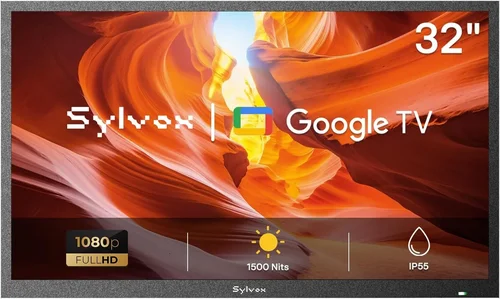
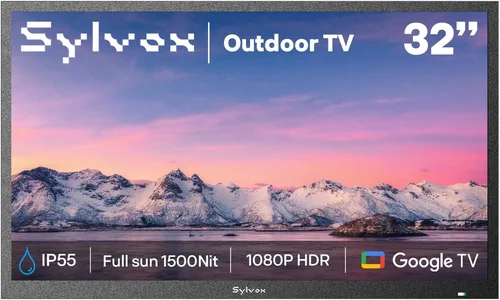
When it comes to outdoor electronics, weather resistance isn’t just a nice-to-have—it’s essential. A poolside TV must withstand exposure to moisture, humidity, dust, and temperature fluctuations. The first thing to check is the TV’s Ingress Protection (IP) rating, which indicates how well the device is sealed against environmental elements. For poolside use, look for a minimum IP55 rating, which means the TV is protected against water jets and dust ingress. However, for maximum durability, especially in areas with heavy rain or splashing, an IP65 or IP66 rating is ideal. These ratings ensure the TV can handle direct water exposure and prolonged outdoor use without internal damage.
Beyond the IP rating, consider the materials used in the TV’s construction. Aluminum or powder-coated steel housings resist rust and corrosion, while sealed ports and connectors prevent moisture from entering critical components. Some premium models also feature anti-condensation technology, which helps prevent fogging inside the screen during sudden temperature changes—common near pools where evaporation cools the air. Always verify that the manufacturer explicitly states the TV is designed for outdoor use, as indoor TVs placed outside will fail prematurely, even with protective covers.
2. Screen Brightness & Anti-Glare Technology
One of the biggest challenges with outdoor TVs is visibility in direct sunlight. A standard indoor TV typically has a brightness of 300–500 nits, which is insufficient for outdoor viewing. For poolside use, you need a display with at least 700 nits of brightness, but ideally 1,000 nits or higher. This ensures the image remains clear and vibrant even on the sunniest days. Look for TVs with high peak brightness and dynamic backlighting, which adjust luminance based on ambient light conditions.
Equally important is anti-glare or anti-reflective coating. Without it, sunlight reflecting off the screen can wash out the image or create distracting glare, making it difficult to see content. Many outdoor TVs feature matte finishes or specialized optical filters that diffuse light and reduce reflections. Some models also include built-in sunshades or optional mounting brackets with tilt adjustments to minimize direct sun exposure. For apartments with limited shade options, investing in a TV with superior brightness and glare reduction is non-negotiable.
3. Size & Viewing Distance
Choosing the right screen size depends on your pool area’s layout and typical viewing distance. For small apartment patios or balconies, a 43-inch to 50-inch TV is usually sufficient, especially if viewers are seated within 6–8 feet. However, for larger shared spaces like rooftop pools or communal lounges, a 55-inch to 65-inch model provides a more immersive experience. Use the 1.5x rule as a guideline: multiply your viewing distance (in inches) by 1.5 to determine the ideal screen diagonal. For example, if you’re sitting 10 feet (120 inches) away, a 60-inch TV (120 ÷ 2 = 60) is a good fit.
Keep in mind that larger screens require more space and may need reinforced mounting solutions. In apartment settings, wall space is often limited, so consider the TV’s depth and whether it protrudes significantly when mounted. Some models are designed with slim profiles for tight spaces, while others offer ultra-thin bezels for a modern look. Also, factor in the TV’s weight—outdoor TVs are typically heavier due to reinforced casings, so ensure your mounting surface can support the load.
4. Smart Features & Connectivity
Modern poolside TVs are more than just displays—they’re smart entertainment hubs. Look for models with built-in Wi-Fi, Bluetooth, and popular streaming platforms like Netflix, YouTube, Disney+, and Amazon Prime Video. Android TV, webOS, and Roku TV are among the most user-friendly operating systems, offering intuitive interfaces and regular software updates. Voice control via Google Assistant or Alexa is also a valuable feature, allowing you to change channels or adjust volume without touching the remote.
Connectivity options are equally important. Ensure the TV has multiple HDMI ports (at least three), USB inputs, and an Ethernet port for wired internet connections, which can be more reliable than Wi-Fi in outdoor environments. Some models include weatherproof external media bays or sealed cable management systems to protect connections from moisture. If you plan to connect a soundbar, gaming console, or streaming device, verify compatibility and port availability before purchasing.
5. Audio Quality & Sound Solutions
While many outdoor TVs include built-in speakers, they’re often underpowered for open-air environments. Wind, water, and distance can quickly drown out audio, making dialogue hard to hear. For this reason, most experts recommend pairing your poolside TV with an external sound system. Look for TVs with audio output options such as optical digital audio, 3.5mm headphone jacks, or Bluetooth connectivity for wireless speakers.
Consider investing in weather-resistant outdoor speakers or a waterproof soundbar designed for poolside use. Some TVs come with optional audio enclosures or support for multi-room audio systems, allowing you to sync sound across different zones. If noise is a concern in shared apartment spaces, opt for directional speakers or models with volume-limiting features to avoid disturbing neighbors. Always test audio quality in real-world conditions—what sounds good in a showroom may fall short by the pool.
6. Installation & Mounting Flexibility
Installation is a critical factor, especially in apartment settings where structural modifications may be restricted. Most poolside TVs are designed for wall mounting, but you’ll need to ensure your balcony, patio, or deck wall can support the weight and size. Look for TVs that include VESA-compatible mounting patterns (e.g., 200×200, 400×400) and check if the manufacturer offers outdoor-rated mounting brackets. Some models feature tilt or swivel capabilities, allowing you to adjust the angle for optimal viewing and sun avoidance.
For renters or those with limited mounting options, consider portable or freestanding outdoor TVs. These units often come with built-in stands or optional rolling carts, making them easy to move and store. However, they may be more vulnerable to tipping in windy conditions, so secure anchoring is essential. Always consult your building management before drilling into walls or making permanent installations, and consider hiring a professional installer for complex setups.
7. Energy Efficiency & Power Consumption
Outdoor TVs tend to consume more power than indoor models due to higher brightness levels and enhanced cooling systems. While this may not be a major concern for occasional use, it can add up over time, especially if the TV runs for several hours daily. Look for Energy Star-certified models or TVs with power-saving modes that reduce brightness and turn off automatically during inactivity.
Some advanced models feature solar-compatible power options or low-voltage DC inputs, which can be useful for eco-conscious buyers or those with solar panel setups. Additionally, consider the TV’s standby power consumption—some units draw significant energy even when turned off. Check the manufacturer’s specifications for annual energy use (measured in kWh) and compare models to find the most efficient option for your needs.
8. Brand Reputation & Customer Support
Not all outdoor TV brands are created equal. Established manufacturers like Samsung, LG, Sony, and SunBriteTV have a proven track record of producing reliable, high-performance outdoor displays. These brands often invest more in R&D, offer better warranties, and provide responsive customer support. Research user reviews and expert ratings to gauge long-term reliability and common issues.
Pay close attention to warranty terms. A standard indoor TV warranty rarely covers outdoor use, so ensure the manufacturer offers an outdoor-specific warranty that includes protection against weather damage. Look for at least a 2-year warranty, with options to extend coverage. Also, check if the brand provides local service centers or on-site repair options, which can be crucial if your TV malfunctions in a hard-to-reach location like a rooftop pool.
Different Types of Buying Guide

Common Buying Mistakes to Avoid
❌ Mistake: Buying an Indoor TV for Outdoor Use
Why it’s bad: Indoor TVs are not designed to handle moisture, temperature swings, or UV exposure. Even with a cover, they will eventually fail due to internal corrosion or screen damage. The warranty will also be voided if used outdoors.
What to do instead: Always choose a TV specifically rated for outdoor use. Look for models with IP ratings, weatherproof casings, and manufacturer certifications for outdoor installation.
❌ Mistake: Ignoring Brightness Requirements
Why it’s bad: A dim screen will be unwatchable in daylight, especially near reflective surfaces like water. You’ll end up squinting or avoiding the TV altogether.
What to do instead: Prioritize TVs with at least 700 nits of brightness, and ideally 1,000+ nits. Check reviews for real-world visibility tests in sunny conditions.
❌ Mistake: Overlooking Audio Needs
Why it’s bad: Built-in speakers on outdoor TVs are often weak and easily drowned out by ambient noise. You’ll miss dialogue and sound effects, ruining the viewing experience.
What to do instead: Plan for external audio from the start. Invest in weatherproof speakers or a soundbar, and ensure your TV has the necessary audio outputs.
❌ Mistake: Choosing the Wrong Size
Why it’s bad: A TV that’s too small will be hard to see from a distance, while one that’s too large may overwhelm a small space or require costly mounting solutions.
What to do instead: Measure your viewing distance and use the 1.5x rule. Consider the room’s layout and seating arrangement before deciding on screen size.
❌ Mistake: Skipping the Warranty Check
Why it’s bad: Outdoor TVs are expensive, and repairs can be costly. If the warranty doesn’t cover outdoor use, you’re left paying out of pocket for any issues.
What to do instead: Read the fine print. Ensure the warranty explicitly includes outdoor installation and weather-related damage. Consider extended coverage if available.
❌ Mistake: Poor Installation Planning
Why it’s bad: Improper mounting can lead to instability, water ingress, or even the TV falling. In apartments, unauthorized drilling can result in fines or eviction.
What to do instead: Consult your building management first. Use professional installers if needed, and choose mounting hardware rated for outdoor use and the TV’s weight.
❌ Mistake: Not Testing Before Committing
Why it’s bad: You might not realize the TV’s limitations—like poor sound, weak Wi-Fi, or difficult controls—until it’s already installed and non-returnable.
What to do instead: Buy from retailers with generous return policies. Test the TV in your actual poolside environment for at least a few days before finalizing the purchase.
Budget Guidelines: How Much Should You Spend?
- Entry-Level ($600 – $1,200): These are typically partial-shade or portable models with basic smart features and moderate brightness (500–700 nits). Ideal for covered balconies or occasional use. Expect shorter warranties and fewer advanced features.
- Mid-Range ($1,200 – $2,500): The sweet spot for most apartment dwellers. These TVs offer full weather resistance, 700–1,000 nits brightness, robust smart platforms, and better audio options. Great for uncovered patios with some sun exposure.
- Premium ($2,500 – $4,000): Designed for full outdoor exposure and daily use. Feature 1,000+ nits brightness, anti-glare coatings, advanced cooling, and commercial-grade durability. Often include extended warranties and professional installation support.
- Luxury ($4,000+): Top-tier models with ultra-high brightness (1,500+ nits), 4K HDR, premium sound systems, and vandal-resistant designs. Best for large shared pools, luxury apartments, or 24/7 operation.
Expert Tips for Getting the Best Deal
- Buy During Off-Season: Prices drop significantly in fall and winter when demand for outdoor electronics is low. Look for end-of-season sales between September and February.
- Check Manufacturer Rebates: Brands like SunBriteTV and Samsung often offer rebates or bundle deals with installation services. Sign up for newsletters to stay informed.
- Compare Online Retailers: Amazon, Best Buy, and specialty outdoor electronics stores often have competitive pricing. Use price-tracking tools like Honey or CamelCamelCamel to catch discounts.
- Consider Refurbished Models: Certified refurbished outdoor TVs from reputable sellers can save you 20–30% while offering the same performance and warranty.
- Negotiate Installation Packages: Some retailers offer free or discounted installation with purchase. Ask about bundled deals, especially for wall mounting and cable management.
- Read Return Policies Carefully: Ensure you can return the TV if it doesn’t perform as expected in your environment. Some retailers charge restocking fees for opened electronics.
- Test Connectivity in Advance: If your pool area has weak Wi-Fi, consider a mesh network extender or Ethernet cable run before buying a smart TV that relies on wireless streaming.
- Prioritize Long-Term Value: A slightly more expensive TV with a better warranty and durability will cost less over time than a cheap model that needs replacement in two years.

Frequently Asked Questions
Q: Can I use a regular TV by the pool if I cover it?
A: Technically, yes—but it’s not recommended. Even with a cover, indoor TVs lack the internal sealing and cooling needed for outdoor conditions. Moisture can seep in, and the warranty will be voided. Invest in a proper outdoor model for safety and longevity.
Q: Do outdoor TVs need special power outlets?
A: Not necessarily, but it’s wise to use a GFCI (Ground Fault Circuit Interrupter) outlet, which is required near water sources. This protects against electrical shock in case of a short circuit.
Q: How do I protect my TV from pool chemicals?
A: Chlorine and salt can corrode electronics over time. Choose a TV with a sealed casing and avoid placing it directly downwind of splashing water. Regular cleaning with a damp cloth can also help.
Q: Can I mount an outdoor TV on a balcony railing?
A: It depends on the railing’s strength and your building’s rules. Most outdoor TVs require wall mounting. If railing mounting is allowed, use a certified outdoor bracket and secure it properly.
Q: Will my TV work in the rain?
A: Yes, if it has an IP55 or higher rating. These TVs are designed to withstand rain, but avoid directing high-pressure water (like a hose) at the screen or ports.
Q: Do outdoor TVs come with remotes?
A: Yes, most include weather-resistant remotes. Some models also support smartphone apps or voice control as alternatives.
Q: How long do outdoor TVs last?
A: With proper care, a quality outdoor TV can last 5–10 years. Regular maintenance, such as cleaning and checking seals, can extend its lifespan.
Q: Can I use my outdoor TV in winter?
A: Only if it’s rated for cold weather. Some models operate down to -22°F (-30°C), while others may fail in freezing temperatures. Check the operating temperature range before winter use.
Q: Are outdoor TVs energy efficient?
A: They consume more power than indoor TVs due to higher brightness, but many modern models include energy-saving modes. Look for Energy Star ratings to reduce long-term costs.
Q: What if my apartment doesn’t allow drilling?
A: Consider a portable outdoor TV with a stand or rolling cart. These don’t require permanent installation and can be stored indoors when not in use.
Our Final Recommendations
- Best for Budget-Conscious Buyers: SunBriteTV Veranda Series 50-inch – A reliable partial-shade model with 700 nits brightness, smart features, and a solid warranty at under $1,500.
- Best Overall Value: Samsung The Terrace 55-inch – Offers 1,500 nits brightness, excellent anti-glare, and a sleek design. Priced around $2,800, it’s perfect for uncovered patios.
- Best Premium Option: LG OLED Pro Outdoor 65-inch – Combines stunning 4K HDR visuals with full weather resistance and advanced cooling. Ideal for luxury apartments with high-end pools.
- Best for Beginners: Seura Smart Outdoor TV 43-inch – Easy setup, intuitive interface, and strong customer support. Great for first-time outdoor TV buyers.
- Best for Advanced Users: Peerless-AV Xtreme 75-inch – Commercial-grade durability, 2,000 nits brightness, and customizable mounting. Built for 24/7 operation in demanding environments.
Conclusion: Making the Right Choice
Choosing the right poolside TV for your apartment is about more than just picking the biggest or brightest screen. It’s about finding a balance between performance, durability, and practicality—tailored to your specific environment and lifestyle. From weather resistance and screen brightness to smart features and installation flexibility, every factor plays a role in ensuring your investment delivers years of enjoyment.
Remember, the best TV isn’t necessarily the most expensive one—it’s the one that fits your space, meets your needs, and stands up to the elements. Take the time to assess your pool area, consider your viewing habits, and prioritize the features that matter most to you. Whether you’re streaming movies under the stars or catching the game during a pool party, the right TV will transform your outdoor space into a true entertainment destination.
Don’t rush the decision. Use this guide as your roadmap, compare models carefully, and don’t hesitate to ask questions or seek professional advice. With the right poolside TV, your apartment’s outdoor area will become the envy of the building—and the perfect place to relax, unwind, and make lasting memories. Happy viewing!

