
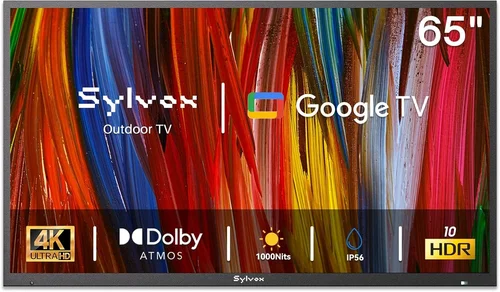
Choosing the right TV for your screened porch or outdoor patio isn’t just about picking the biggest screen with the brightest display. It’s about finding a television that can thrive in a semi-outdoor environment—where temperature swings, humidity, glare from sunlight, and even occasional dust or insects are part of daily life. Unlike indoor TVs, which operate in climate-controlled comfort, patio TVs must balance performance with resilience. Whether you’re hosting summer barbecues, watching the big game under string lights, or enjoying a quiet evening movie night under the stars, your TV needs to deliver crisp visuals and reliable operation—no matter the weather.
This comprehensive buying guide is designed to help you navigate the unique challenges of selecting a TV for your screened porch or covered patio. We’ll walk you through every critical factor—from brightness and weather resistance to smart features and mounting options—so you can make an informed decision that fits both your lifestyle and your budget. By the end of this guide, you’ll know exactly what to look for, what to avoid, and how to get the best value for your investment. The market has evolved significantly in recent years, with manufacturers now offering specialized outdoor and all-weather TVs, as well as high-brightness indoor models that can handle partial exposure. Understanding these differences is key to avoiding buyer’s remorse and ensuring your TV lasts for years to come.

What to Look for When Buying a Patio TV
1. Brightness & Anti-Glare Performance
One of the most critical factors when choosing a TV for a screened porch is brightness. Unlike indoor viewing, where ambient light is controlled, patios often receive direct or indirect sunlight—even under screens or roofs. A standard indoor TV typically peaks at around 300–400 nits of brightness, which is fine for a dim living room but will appear washed out in daylight. For outdoor or semi-outdoor use, you’ll want a TV with at least 700 nits, but ideally 1,000 nits or higher. This ensures that colors remain vibrant and details stay sharp even when the sun is shining.
Equally important is the screen’s anti-glare or anti-reflective coating. Many high-brightness TVs come with matte finishes or specialized filters that reduce reflections from windows, screens, or nearby surfaces. Look for models marketed as “outdoor,” “all-weather,” or “high-brightness” displays, as these often include advanced optical layers to combat glare. For example, Samsung’s The Terrace and LG’s OLED Flex series feature proprietary anti-reflective technology that significantly improves visibility in bright conditions. If you’re considering a standard indoor TV, check reviews for real-world brightness performance—some mid-range models now offer surprisingly good outdoor visibility thanks to improved panel technology.
2. Weather Resistance & Durability
Even on a screened porch, your TV is exposed to elements like humidity, temperature fluctuations, dust, and occasional moisture. While it’s not fully exposed to rain or snow, it’s still not in a climate-controlled indoor environment. That’s why durability matters. Look for TVs with robust build quality—metal chassis, sealed ports, and protective coatings on internal components. Some manufacturers rate their outdoor TVs using IP (Ingress Protection) codes, such as IP55 or IP65, which indicate resistance to dust and water jets. While full IP ratings are more common in fully outdoor models, even partial protection can extend the life of your TV.
Temperature tolerance is another key consideration. Most indoor TVs are designed to operate between 32°F and 95°F (0°C to 35°C). But on a porch, temperatures can dip below freezing in winter or soar above 100°F in summer. Outdoor-rated TVs often have wider operating ranges—some functioning from -22°F to 122°F (-30°C to 50°C)—thanks to built-in heaters and cooling systems. These features prevent condensation, overheating, and component failure. If you live in an area with extreme seasons, investing in a TV with thermal management is essential.
3. Screen Size & Viewing Distance
Choosing the right screen size for your patio depends on how far you’ll be sitting from the TV and the layout of your space. A common rule of thumb is that your viewing distance should be about 1.5 to 2.5 times the diagonal screen size. For example, if you’re sitting 8 feet away, a 55- to 65-inch TV would be ideal. However, outdoor spaces often have more ambient light and less controlled acoustics, so larger screens can enhance the experience by filling your field of vision.
Consider the physical dimensions of your porch, too. Measure the wall or mounting area to ensure the TV fits comfortably without overwhelming the space. Also, think about seating arrangements—will viewers be spread out or clustered? A wider screen may be better for group viewing. Keep in mind that larger TVs require more power and may need reinforced mounting hardware, especially if installed outdoors. If space is tight, a 50-inch model might be the sweet spot, offering immersive visuals without dominating the area.
4. Smart Features & Connectivity
Modern patio TVs should offer the same smart capabilities as their indoor counterparts. Look for models with built-in Wi-Fi, voice assistants (like Alexa or Google Assistant), and access to popular streaming apps such as Netflix, YouTube, Hulu, and Disney+. This eliminates the need for external streaming devices and simplifies your setup. Many outdoor TVs now run on platforms like webOS (LG), Tizen (Samsung), or Android TV, which provide smooth navigation and regular software updates.
Connectivity is equally important. Ensure the TV has multiple HDMI ports (at least three), USB inputs, and possibly an Ethernet port for a wired internet connection—especially useful if Wi-Fi signals weaken outdoors. Some models also include weatherproof cable glands or sealed input panels to protect connections from moisture. If you plan to connect a soundbar, gaming console, or cable box, verify compatibility and port availability. Also, check for Bluetooth support if you want to stream audio to wireless speakers or headphones.
5. Audio Quality & Sound Solutions
While picture quality often takes center stage, sound is just as vital for an enjoyable outdoor viewing experience. Most TVs—especially slim models—have underwhelming built-in speakers that struggle to project sound in open or semi-open spaces. Wind, background noise, and distance can further degrade audio clarity. For this reason, many patio TV buyers opt for external audio solutions.
Consider pairing your TV with a weather-resistant soundbar or outdoor speakers. Some manufacturers offer matching audio systems designed for outdoor use, with rugged enclosures and enhanced bass response. Alternatively, you can use wireless Bluetooth speakers placed strategically around the patio. If you prefer a cleaner look, in-wall or in-ceiling speakers can be installed during construction or renovation. Just ensure all audio equipment is rated for outdoor or damp locations.
6. Mounting & Installation Options
How you mount your TV can impact both its performance and longevity. On a screened porch, you’ll likely use a wall mount, but ceiling or articulating arm mounts are also options depending on your layout. Choose a mount that’s rated for outdoor use—look for powder-coated steel or aluminum with corrosion-resistant hardware. Avoid plastic mounts, which can degrade over time.
Consider the TV’s weight and VESA pattern (the spacing of mounting holes) to ensure compatibility. Some outdoor TVs are heavier due to reinforced casings, so verify that your wall or structure can support the load. If installing near a window or screen, allow space for airflow to prevent overheating. Also, plan cable routing carefully—use conduit or raceways to protect wires from the elements and pests.
7. Energy Efficiency & Power Consumption
Outdoor TVs often run longer hours than indoor models—whether for background entertainment during gatherings or all-day streaming. This means energy efficiency becomes a bigger concern. Look for TVs with ENERGY STAR certification or low power consumption ratings. LED-backlit models are generally more efficient than older plasma or CCFL types.
Some high-brightness TVs consume more power to maintain visibility in daylight, so check the wattage specifications. While the difference may seem small per hour, it adds up over time. If you’re concerned about electricity costs, consider models with automatic brightness adjustment (ambient light sensors) that dim the screen in low-light conditions. This not only saves energy but also reduces eye strain during evening viewing.
8. Brand Reputation & Customer Support
Not all TV brands are created equal when it comes to outdoor performance. Some companies specialize in ruggedized displays, while others focus on premium indoor models. Research brands known for durability and customer service—Samsung, LG, Sony, and SunBriteTV are often recommended for outdoor use. Read professional reviews and user feedback to gauge reliability.
Customer support is crucial if something goes wrong. Check warranty terms—outdoor TVs should come with at least a one-year warranty, but some offer two or three years. Look for brands with accessible service centers and responsive support teams. Avoid obscure or off-brand models that may lack parts or repair options down the line.
Different Types of Patio TVs

Common Buying Mistakes to Avoid
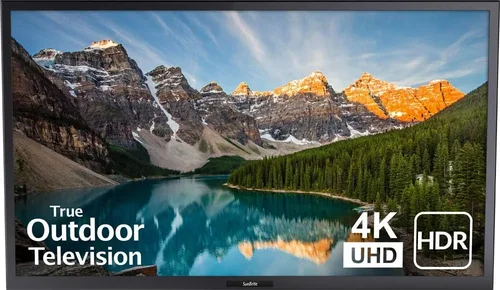
❌ Mistake: Buying a Standard Indoor TV for Full Sun Exposure
Why it’s bad: Standard TVs lack the brightness and weather resistance needed for outdoor use. In direct or even indirect sunlight, the picture will appear dim and washed out, making it difficult to see details. Over time, exposure to heat and humidity can damage internal components, leading to premature failure.
What to do instead: Opt for a high-brightness model (1,000+ nits) or a dedicated outdoor TV. If your porch is fully covered and shaded, a premium indoor TV with good anti-glare coating may suffice—but always check brightness specs and user reviews.
❌ Mistake: Ignoring Mounting and Ventilation Requirements
Why it’s bad: Improper mounting can lead to instability, especially in windy conditions. Poor ventilation traps heat, causing the TV to overheat and shut down. This is especially risky for models without built-in cooling systems.
What to do instead: Use a weather-resistant mount rated for outdoor use. Leave at least 2–3 inches of space around the TV for airflow. Avoid enclosing the TV in a cabinet unless it’s specifically designed for ventilation.
❌ Mistake: Overlooking Audio Needs
Why it’s bad: Built-in TV speakers are rarely powerful enough for outdoor spaces. Wind, distance, and ambient noise can make dialogue inaudible, ruining the viewing experience.
What to do instead: Invest in a weatherproof soundbar or outdoor speaker system. Place speakers strategically to ensure even coverage. Consider wireless options for flexibility.
❌ Mistake: Choosing the Wrong Screen Size
Why it’s bad: A TV that’s too small won’t deliver an immersive experience, while one that’s too large can overwhelm the space and strain your eyes.
What to do instead: Measure your viewing distance and use the 1.5x to 2.5x rule. Test different sizes in-store if possible. Consider the room’s proportions and furniture layout.
❌ Mistake: Skipping the Warranty Check
Why it’s bad: Outdoor TVs face harsher conditions than indoor models. Without a solid warranty, repairs or replacements can be costly.
What to do instead: Choose brands with at least a 2-year warranty. Read the fine print—some exclude damage from weather or improper installation.
❌ Mistake: Buying Based on Price Alone
Why it’s bad: The cheapest TV may lack essential features like brightness, durability, or smart functionality. You could end up replacing it within a year.
What to do instead: Balance cost with long-term value. A mid-range outdoor TV may cost more upfront but save money over time due to reliability and lower maintenance.
Budget Guidelines: How Much Should You Spend?
Entry-Level ($500 – $1,000): At this price point, you’ll find high-brightness indoor TVs or basic portable outdoor models. These are best for shaded porches with minimal sun exposure. Expect decent picture quality and smart features, but limited weather resistance. Brands like TCL and Hisense offer good value here.
Mid-Range ($1,000 – $2,500): This is the sweet spot for most screened porch buyers. You’ll get TVs with 700–1,000+ nits brightness, improved anti-glare coatings, and better build quality. Models from Samsung, LG, and Vizio in this range often include smart platforms, multiple HDMI ports, and solid audio. Some may even have partial weather sealing.
Premium ($2,500 – $4,000): For those who want top-tier performance and durability, premium outdoor TVs offer full weather resistance, wide temperature tolerance, and advanced thermal management. These are ideal for areas with extreme climates or frequent use. Brands like SunBriteTV and Samsung’s The Terrace series dominate this tier.
Luxury ($4,000+): At this level, you’re investing in commercial-grade displays with 24/7 operation capability, ultra-high brightness (2,000+ nits), and custom installation support. These are overkill for most homes but perfect for luxury estates, hotels, or large outdoor entertainment areas.
Expert Tips for Getting the Best Deal
- Shop during seasonal sales: Look for discounts during Black Friday, Memorial Day, or end-of-summer clearance events. Outdoor TVs often see price drops as retailers clear inventory.
- Compare online and in-store prices: Use price-matching policies at major retailers like Best Buy or Costco. Online retailers like Amazon may offer better deals but check return policies.
- Check for bundle deals: Some sellers offer discounts when you buy a TV with a mount, soundbar, or installation service.
- Read real user reviews: Professional reviews are helpful, but user feedback reveals long-term reliability and real-world performance.
- Test before you buy: If possible, visit a store to see the TV in bright lighting. Pay attention to glare, color accuracy, and menu responsiveness.
- Consider refurbished models: Certified refurbished outdoor TVs from reputable sellers can save 20–30% and often come with warranties.
- Verify return and exchange policies: Ensure you can return the TV if it doesn’t perform well in your specific environment.
- Plan for installation costs: Professional mounting and wiring can add $200–$500 to your total cost. Factor this into your budget.

Frequently Asked Questions
Q: Can I use a regular TV on my screened porch?
A: Yes, but only if it’s fully shaded and protected from moisture. Choose a high-brightness model (700+ nits) with good anti-glare coating. Avoid prolonged exposure to sun or humidity.
Q: Do outdoor TVs need special power outlets?
A: Most outdoor TVs use standard 120V outlets. However, ensure the outlet is GFCI-protected and located in a weatherproof enclosure. Use a surge protector to safeguard against power fluctuations.
Q: How do I protect my TV from bugs and dust?
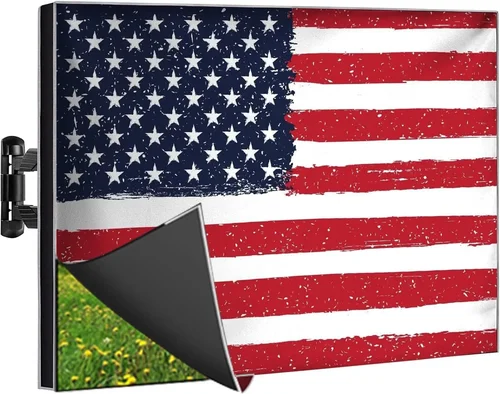
A: Use a TV cover when not in use, or install the TV in a sealed enclosure. Regular cleaning with a microfiber cloth helps prevent buildup.
Q: Can I leave my patio TV on all day?
A: Only if it’s rated for continuous operation. Most consumer TVs aren’t designed for 24/7 use. Outdoor or commercial models are better suited for extended viewing.
Q: What’s the difference between IP55 and IP65?
A: IP55 protects against dust and low-pressure water jets. IP65 offers complete dust protection and resistance to water spray from any direction. IP65 is better for harsher environments.
Q: Do I need a permit to install an outdoor TV?
A: Usually not for residential use, but check local codes if running electrical wiring through walls or ceilings. Some areas require permits for outdoor electrical work.
Q: How long do outdoor TVs last?
A: With proper care, outdoor TVs can last 7–10 years or more. Indoor TVs used outdoors may fail sooner due to environmental stress.
Q: Can I use streaming devices with an outdoor TV?
A: Yes, but ensure the device is protected from moisture. Use weatherproof enclosures or place the device indoors with an HDMI extender.
Q: Are OLED TVs good for patios?
A: OLEDs offer superior contrast and color, but many struggle with brightness in daylight. Some newer models (like LG’s OLED Flex) are improving, but QLED or Mini-LED may be better for bright patios.
Our Final Recommendations
Best for Budget-Conscious Buyers: TCL 6-Series (55″ or 65″) – Offers 1,000+ nits brightness, Dolby Vision, and Roku TV at an affordable price. Ideal for shaded porches.
Best Overall Value: Samsung The Terrace (55″) – A true outdoor TV with 2,000 nits brightness, IP55 rating, and excellent smart features. Perfect for sunny patios.
Best Premium Option: SunBriteTV Veranda Series – Built for all-weather performance with wide temperature range, anti-glare screen, and commercial-grade durability.
Best for Beginners: LG OLED Flex (42″) – Combines indoor luxury with outdoor-ready brightness and flexibility. Great for small patios or sunrooms.
Best for Advanced Users: Sony X95L (75″) – A high-end indoor TV with exceptional brightness (1,500+ nits) and processing. Best for covered, low-humidity porches.
Conclusion: Making the Right Choice
Selecting the perfect TV for your screened porch involves balancing performance, durability, and budget. Start by assessing your environment—how much sun does the area get? Is it fully covered? What’s your typical viewing distance? From there, prioritize brightness, weather resistance, and smart features that match your lifestyle. Don’t skimp on mounting and audio, and always consider long-term reliability over short-term savings.
Remember, the best patio TV isn’t necessarily the most expensive—it’s the one that fits your space, meets your needs, and delivers consistent performance year after year. Use this guide to compare options, avoid common pitfalls, and make a confident purchase. Whether you’re streaming movies under the stars or catching the game with friends, the right TV will transform your outdoor space into a true entertainment hub. Take your time, do your research, and enjoy the show.

