
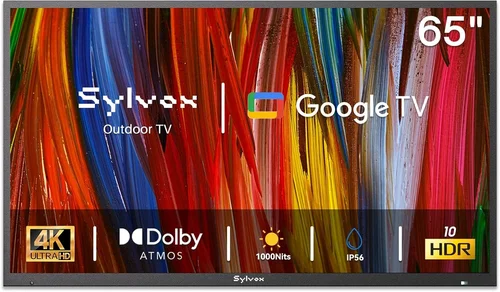
Outdoor kitchens have evolved from simple grilling stations into fully functional, year-round entertainment hubs. Whether you’re hosting a summer barbecue, watching the big game under string lights, or enjoying a quiet evening with a glass of wine, having a reliable TV in your outdoor space transforms the experience. But not just any television will do—standard indoor TVs aren’t built to withstand the elements, and even some “outdoor” models fall short in real-world conditions. That’s why choosing the right patio TV is a critical decision that blends performance, durability, and smart design.
This comprehensive buying guide is designed to help you navigate the complex world of outdoor televisions in 2026. We’ll walk you through every essential factor—from weather resistance and brightness to smart features and installation logistics—so you can make a confident, informed purchase. Whether you’re building a new outdoor kitchen or upgrading an existing setup, this guide will equip you with the knowledge to find a TV that delivers stunning picture quality, lasts for years, and enhances your outdoor lifestyle. The market has grown significantly in recent years, with brands now offering specialized models that go far beyond basic waterproofing. From ultra-bright 4K HDR displays to fully sealed enclosures and built-in heating systems, today’s patio TVs are engineered for performance in sun, rain, snow, and temperature extremes.
You’ll learn how to evaluate key specifications like nits of brightness, IP ratings, and thermal management, understand the differences between partial and full outdoor TVs, and avoid common pitfalls that lead to premature failure or poor viewing experiences. We’ll also break down budget considerations, compare top brands, and provide expert tips to help you get the best value. By the end of this guide, you’ll know exactly what to look for—and what to avoid—when selecting the perfect TV for your outdoor kitchen.

What to Look for When Buying Buying Guide
1. Weather Resistance & IP Rating
One of the most critical factors when choosing a patio TV is its ability to withstand the elements. Unlike indoor TVs, outdoor models must resist rain, dust, humidity, and temperature fluctuations. The first thing to check is the Ingress Protection (IP) rating, which indicates how well the TV is sealed against solid particles and liquids. For outdoor use, look for a minimum IP55 rating, which means the TV is protected against dust and water jets from any direction. However, for full exposure—such as under a pergola or open patio—an IP65 or higher rating is strongly recommended. This ensures protection against low-pressure water jets and complete dust resistance.
Beyond the IP rating, consider the TV’s enclosure design. High-quality outdoor TVs feature fully sealed cabinets with no ventilation holes, preventing moisture and insects from entering. Some models also include internal heaters or cooling fans to regulate temperature, which is essential in extreme climates. For example, in colder regions, a TV with a built-in heater can prevent screen fogging and ensure reliable startup in freezing temperatures. In hotter climates, passive or active cooling systems help prevent overheating during long summer days.
2. Brightness & Display Performance
Brightness is arguably the most important performance spec for an outdoor TV. Indoor TVs typically range from 300 to 600 nits, but that’s nowhere near enough for daytime viewing in direct sunlight. For outdoor use, you’ll need a display with at least 700 nits, but ideally 1,000 nits or higher. Many premium outdoor TVs now offer 1,500 to 2,500 nits, which ensures excellent visibility even on the sunniest afternoons.
Look for models with high dynamic range (HDR) support, such as HDR10 or Dolby Vision, which enhances contrast and color accuracy. Anti-glare and anti-reflective coatings are also essential—these reduce screen reflections from the sun or nearby lighting, improving clarity and reducing eye strain. Additionally, consider the viewing angle. Wide viewing angles (178 degrees or more) ensure that everyone around your outdoor kitchen can enjoy a clear picture, whether they’re standing, sitting, or moving around.
Resolution is another key factor. While 4K UHD is now standard, some budget outdoor TVs still offer only 1080p. For screens 55 inches and larger, 4K is strongly recommended to maintain sharpness and detail. Also, check the refresh rate—60Hz is standard, but 120Hz models offer smoother motion for sports and fast-paced content.
3. Build Quality & Durability
Outdoor TVs are exposed to more than just weather—they’re also subject to vibrations, accidental bumps, and long-term wear. That’s why build quality matters just as much as technical specs. Look for TVs with robust, powder-coated aluminum or stainless-steel frames that resist rust and corrosion. Avoid plastic-heavy designs, which can degrade over time when exposed to UV rays and temperature changes.
Internal components should also be built to last. High-end models often use industrial-grade capacitors, reinforced circuit boards, and sealed connectors to prevent moisture damage. Some manufacturers even test their TVs in environmental chambers that simulate years of exposure to heat, cold, and humidity. Additionally, consider the mounting system. A sturdy, weatherproof mount is essential—many outdoor TVs come with compatible wall or ceiling mounts designed to handle wind loads and provide secure installation.
4. Smart Features & Connectivity
Modern outdoor TVs are more than just displays—they’re smart entertainment hubs. Most models now run on popular platforms like Android TV, Roku TV, or webOS, giving you access to streaming services like Netflix, Hulu, Disney+, and YouTube. This eliminates the need for external streaming devices and simplifies your setup.
Connectivity is another important consideration. Ensure the TV has multiple HDMI ports (at least three), USB ports for media playback, and audio outputs for external speakers or soundbars. Wi-Fi 6 support is a plus for faster, more reliable streaming, especially if your outdoor kitchen is far from your router. Some models also include Bluetooth for wireless audio and voice control via Google Assistant or Alexa.
For outdoor kitchens with integrated audio systems, look for TVs with optical audio output or HDMI ARC (Audio Return Channel) to easily connect to external amplifiers or surround sound setups. Also, consider whether the TV supports screen mirroring or casting from smartphones and tablets—this is great for sharing photos or videos during gatherings.
5. Size & Viewing Distance
Choosing the right screen size depends on your outdoor kitchen layout and typical viewing distance. A common mistake is selecting a TV that’s too small for the space, leading to a subpar viewing experience. As a general rule, the optimal viewing distance is 1.5 to 2.5 times the diagonal screen size. For example, a 65-inch TV is best viewed from 8 to 14 feet away.
Consider the height and angle of installation. The center of the screen should be at or slightly below eye level when seated. If your outdoor kitchen includes bar seating or high tables, you may need to mount the TV higher or use a tilting mount. Also, think about ambient lighting—if your space has bright overhead lights or string lights, a larger screen with higher brightness will help maintain visibility.
For smaller patios or covered areas, a 50- to 55-inch TV may be sufficient. For larger decks or open-air kitchens, 65 inches or more is ideal. Some manufacturers offer modular or curved outdoor TVs for unique installations, though these are less common and often more expensive.
6. Brand Reputation & Reliability
Not all outdoor TV brands are created equal. Some specialize exclusively in outdoor electronics, while others adapt indoor models for outdoor use. Brands like SunBriteTV, Seura, and Peerless have built strong reputations for durability and performance in harsh environments. These companies often provide detailed climate testing data and offer longer warranties than mainstream TV manufacturers.
When evaluating a brand, look for customer reviews, third-party testing, and industry certifications. Check if the company offers local service or support, especially if you live in a remote area. Also, consider the availability of replacement parts and accessories—some niche brands have limited distribution, making repairs difficult down the line.
7. Warranty & Support
Outdoor TVs are a significant investment, so a strong warranty is essential. Most reputable brands offer at least a 2-year warranty, with some extending to 3 or even 5 years. Look for warranties that cover both parts and labor, and check if on-site service is available. Some companies also offer extended warranty plans for added peace of mind.
Customer support is equally important. Can you easily reach a technician if something goes wrong? Are there local dealers or service centers? Read reviews about post-purchase support—delayed repairs or unresponsive service can turn a great TV into a frustrating experience.
8. Installation & Maintenance
Even the best outdoor TV won’t perform well if it’s not installed correctly. Professional installation is highly recommended, especially for wall or ceiling mounts. Improper mounting can lead to water intrusion, structural damage, or even safety hazards. Many manufacturers offer installation services or certified partners.
Maintenance is minimal but important. Clean the screen regularly with a microfiber cloth and mild cleaner—avoid harsh chemicals that can damage anti-reflective coatings. Inspect seals and gaskets annually for wear, and ensure vents (if present) are clear of debris. If your TV has a built-in heater or fan, follow the manufacturer’s maintenance schedule to ensure longevity.
Different Types of Buying Guide

Common Buying Mistakes to Avoid
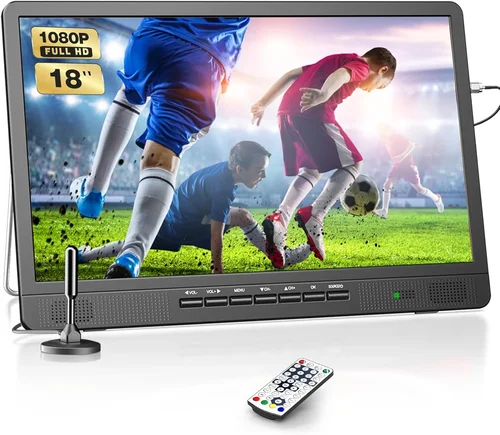
❌ Mistake: Buying an Indoor TV for Outdoor Use
Why it’s bad: Indoor TVs lack the weatherproofing, brightness, and thermal management needed for outdoor environments. Even if placed under a cover, moisture, heat, and dust can damage internal components, leading to early failure. Many indoor TVs also have plastic casings that degrade under UV exposure.
What to do instead: Invest in a purpose-built outdoor TV with a verified IP rating and outdoor-specific features. If budget is tight, consider a high-brightness indoor TV with a full outdoor enclosure, but understand the trade-offs in performance and longevity.
❌ Mistake: Ignoring Brightness Requirements
Why it’s bad: A dim screen makes daytime viewing impossible, especially in direct sunlight. Many buyers assume their indoor TV’s brightness is sufficient, only to be disappointed when the picture washes out.
What to do instead: Aim for at least 1,000 nits for partial sun and 1,500+ nits for full sun exposure. Check manufacturer specs—don’t rely on marketing claims like “outdoor-ready” without verifying nits.
❌ Mistake: Overlooking Installation Challenges
Why it’s bad: Improper mounting can lead to water leaks, structural damage, or even TV detachment in high winds. DIY installations often fail to account for weatherproofing and cable management.
What to do instead: Hire a certified installer familiar with outdoor TVs. Ensure all cables are routed through waterproof conduits and that the mount is rated for outdoor use and wind loads.
❌ Mistake: Skimping on Audio
Why it’s bad: Outdoor environments have ambient noise from wind, traffic, and conversation, which can drown out TV audio. Many outdoor TVs have weak built-in speakers.
What to do instead: Pair your TV with weatherproof outdoor speakers or a soundbar. Look for models with optical or HDMI ARC outputs for easy integration.
❌ Mistake: Not Considering Climate Extremes
Why it’s bad: Extreme temperatures can cause screens to fog, fail to start, or overheat. TVs without thermal management may shut down or degrade faster in hot or cold climates.
What to do instead: Choose a TV with built-in heating and/or cooling systems if you live in areas with freezing winters or scorching summers. Check the operating temperature range in the specs.
❌ Mistake: Forgetting About Maintenance
Why it’s bad: Neglecting regular cleaning and inspections can lead to buildup of dirt, mold, or corrosion, reducing performance and lifespan.
What to do instead: Clean the screen monthly, check seals annually, and follow the manufacturer’s maintenance guide. Use only recommended cleaning products.
❌ Mistake: Choosing Based on Price Alone
Why it’s bad: The cheapest option often lacks durability, brightness, or smart features, leading to frustration and the need for early replacement.
What to do instead: Balance budget with long-term value. A mid-range outdoor TV with strong reviews and a good warranty often outperforms a cheaper model over time.
Budget Guidelines: How Much Should You Spend?
– Entry-Level ($800 – $1,500): These TVs are ideal for covered patios or screened-in areas with minimal sun exposure. Expect brightness around 700–1,000 nits, basic smart features, and IP55 ratings. Brands like SunBriteTV and Seura offer reliable models in this range. While not suitable for full sun, they provide solid performance for shaded outdoor kitchens.
– Mid-Range ($1,500 – $3,000): This is the sweet spot for most homeowners. TVs in this tier offer 1,000–1,500 nits, full weather sealing (IP65), advanced smart platforms, and better build quality. You’ll find models with HDR support, wider viewing angles, and improved audio. These are suitable for partial to full sun, depending on the model.
– Premium ($3,000 – $5,000): Designed for enthusiasts and those with high-end outdoor kitchens, these TVs deliver 1,500–2,500 nits, industrial-grade durability, and premium features like built-in heaters, anti-glare coatings, and commercial-grade components. Brands like Peerless and Samsung’s outdoor line excel here.
– Luxury ($5,000+): Top-tier models offer everything—ultra-bright displays, 24/7 operation capability, vandal-resistant designs, and integrated smart home control. These are often used in luxury homes, resorts, or commercial settings. Expect full customization, remote monitoring, and extended warranties.
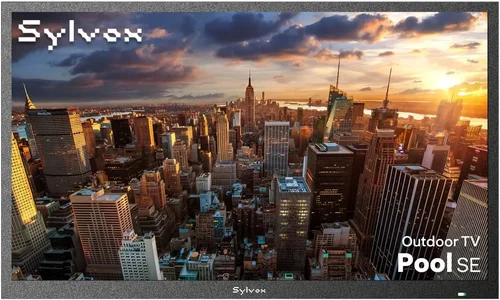
Expert Tips for Getting the Best Deal
– Buy During Off-Season: Prices drop significantly in late fall and winter when demand is low. Many retailers offer discounts on outdoor electronics between November and February.
– Shop at Specialty Retailers: Stores like Crutchfield, Abt, and specialty outdoor electronics dealers often have better expertise, installation services, and return policies than big-box stores.
– Bundle with Installation: Some retailers offer discounts when you purchase the TV and professional installation together. This ensures proper setup and often includes a warranty extension.
– Check for Rebates and Incentives: Some manufacturers offer rebates for energy-efficient models or trade-in programs for old TVs.
– Read Long-Term Reviews: Look for reviews that cover 6–12 months of use. Initial impressions can be misleading—long-term durability is what matters.
– Test Before You Buy: If possible, visit a showroom to see the TV in person. Check brightness, color accuracy, and menu navigation under lighting conditions similar to your outdoor space.
– Understand Return Policies: Outdoor TVs are often non-returnable once installed. Ensure the retailer offers a trial period or return window in case the TV doesn’t meet expectations.
– Consider Future-Proofing: Invest in a TV with HDMI 2.1, Wi-Fi 6, and smart platform updates. This ensures compatibility with new devices and services for years to come.

Frequently Asked Questions
Q: Can I use a regular TV outdoors if it’s under a cover?
A: Technically yes, but it’s not recommended. Even under a cover, indoor TVs are vulnerable to humidity, temperature swings, and dust. Over time, this can cause corrosion, screen fogging, and component failure. A purpose-built outdoor TV is a safer, longer-lasting investment.
Q: How do I protect my outdoor TV from theft?
A: Use a lockable mount, install the TV in a well-lit area, and consider adding a security camera. Some high-end models come with built-in anti-theft features like tamper alerts.
Q: Do outdoor TVs consume more power?
A: Not necessarily. Many outdoor TVs are designed with energy efficiency in mind. Look for ENERGY STAR certification. However, models with built-in heaters or fans may use slightly more power in extreme temperatures.
Q: Can I mount an outdoor TV on a ceiling or under a cabinet?
A: Yes, but ensure the mount is rated for outdoor use and can support the TV’s weight. Ceiling mounts require proper structural support and weatherproofing around the mounting point.
Q: What’s the difference between partial sun and full sun TVs?
A: Partial sun TVs are designed for covered areas with indirect light and lower brightness needs (700–1,000 nits). Full sun TVs are built for direct sunlight with higher brightness (1,500+ nits), better anti-glare coatings, and enhanced thermal management.
Q: How long do outdoor TVs typically last?
A: With proper installation and maintenance, a high-quality outdoor TV can last 7–10 years or more. Cheaper models may fail in 3–5 years due to environmental stress.
Q: Can I connect gaming consoles or streaming devices?
A: Absolutely. Most outdoor TVs have multiple HDMI ports and support 4K HDR, making them ideal for gaming, streaming, or connecting cable boxes.
Q: Do I need a special remote for outdoor use?
A: Some outdoor TVs come with weather-resistant remotes or smartphone apps for control. In bright sunlight, standard remotes may be hard to read—look for models with backlit buttons or voice control.
Q: What happens if my outdoor TV gets rained on?
A: A properly rated outdoor TV (IP65 or higher) is designed to withstand rain. However, avoid spraying water directly on the screen or ports. If water does enter, power off the TV and contact support.
Q: Can I use my outdoor TV in the winter?
A: Yes, if it’s rated for cold climates. Look for models with built-in heaters that activate below freezing. Avoid turning on the TV in extreme cold without warming it first.
Our Final Recommendations
– Best for Budget-Conscious Buyers: SunBriteTV Veranda Series (55″ 4K) – Offers excellent value with 1,000 nits brightness, IP55 rating, and reliable performance for covered patios.
– Best Overall Value: Seura Outdoor 4K Ultra Bright (65″) – Combines 1,500 nits, full weather sealing, and a sleek design at a competitive price point.
– Best Premium Option: Peerless-AV Xtreme 4K (75″) – Built for full sun exposure with 2,000 nits, industrial-grade components, and 24/7 operation capability.
– Best for Beginners: Samsung The Terrace (55″) – User-friendly smart platform, strong brightness, and excellent customer support make it ideal for first-time buyers.
– Best for Advanced Users: LG Outdoor OLED (65″) – Features stunning OLED contrast, ultra-thin design, and advanced thermal management for tech-savvy homeowners.
Conclusion: Making the Right Choice
Choosing the right patio TV for your outdoor kitchen is about more than just picture quality—it’s about creating a durable, enjoyable, and long-lasting entertainment space. By focusing on weather resistance, brightness, build quality, and smart features, you can find a TV that stands up to the elements and enhances your outdoor lifestyle for years to come.
Remember, the cheapest option isn’t always the best, and cutting corners on installation or maintenance can lead to costly problems down the line. Prioritize your specific needs: Are you in a sunny or shaded area? Do you need smart features or just basic TV? How often will you use it? Answering these questions will guide you to the perfect model.
With the insights from this guide, you’re now equipped to make a confident, informed decision. Whether you’re upgrading your current setup or building a new outdoor kitchen, investing in the right TV will transform your space into a true extension of your home. So go ahead—grab that grill, invite your friends, and enjoy the show under the open sky.

