
Choosing the right TV for your outdoor space isn’t just about screen size or resolution—especially if you live in a humid climate. Whether you’re relaxing on a covered porch in Florida, hosting summer barbecues in coastal California, or enjoying sunset dinners on a screened-in lanai in the Carolinas, humidity can wreak havoc on standard electronics. Most indoor TVs aren’t built to withstand constant exposure to moisture, salt air, temperature swings, and UV rays. That’s why investing in a patio TV specifically designed for humid environments is not just a luxury—it’s a necessity for long-term enjoyment and value.
This comprehensive buying guide is designed to help you navigate the often-confusing world of outdoor and weather-resistant televisions. We’ll walk you through every critical factor—from build materials and sealing technology to smart features and budget considerations—so you can make an informed decision that matches your lifestyle, location, and viewing habits. Whether you’re a casual viewer who wants to catch the game while grilling or a home theater enthusiast looking to create an alfresco entertainment hub, this guide will equip you with expert-level knowledge to avoid costly mistakes and find the perfect patio TV for your humid area.
The market for outdoor TVs has evolved significantly over the past decade. What once consisted of bulky, expensive specialty units has now expanded into a diverse range of options—from fully weatherproof models with integrated cooling systems to semi-outdoor displays that work well under covered patios. Brands like SunBriteTV, Samsung, LG, and Seura have introduced innovative solutions tailored to different climate zones and usage scenarios. With advancements in display technology, smart platforms, and protective enclosures, today’s patio TVs offer picture quality that rivals many indoor sets—while standing up to the elements. This guide cuts through the marketing noise and delivers practical, real-world advice based on performance, durability, and user feedback.

What to Look for When Buying Buying Guide
1. Weather Resistance & IP Rating
When shopping for a patio TV in a humid environment, the first and most critical factor is weather resistance. Humidity alone can cause condensation inside electronic components, leading to corrosion, short circuits, and premature failure. Look for TVs with a high Ingress Protection (IP) rating—specifically IP55 or higher. An IP55 rating means the TV is protected against dust ingress and low-pressure water jets from any direction, which is essential for areas with frequent rain or high moisture levels.
For coastal regions where salt air accelerates corrosion, consider models with additional anti-corrosion coatings on internal circuitry and stainless-steel hardware. Some premium outdoor TVs go beyond basic IP ratings by using sealed cooling systems that prevent humid air from entering the chassis. Always verify whether the TV is rated for “full sun,” “partial sun,” or “shade only”—this determines where it can be safely installed. A TV rated for partial sun may work under a covered patio but could overheat if exposed to direct sunlight for extended periods.
2. Display Technology & Brightness
Standard indoor TVs typically peak at 300–500 nits of brightness, which is fine for dimly lit living rooms but inadequate for outdoor use—even under cover. Sunlight reflecting off concrete, water, or glass can wash out images, making content hard to see. Patio TVs designed for humid areas often feature high-brightness LED or OLED panels with outputs ranging from 700 to over 2,000 nits. This ensures vivid, clear visuals even during daytime viewing.
Additionally, look for anti-glare or optically bonded screens. These reduce reflections and improve contrast in bright conditions. Quantum Dot (QLED) technology is also common in higher-end models, offering richer colors and better energy efficiency. Avoid TVs with standard matte finishes unless they’re explicitly rated for outdoor use—many indoor “anti-glare” coatings aren’t durable enough for long-term exposure to moisture and UV light.
3. Build Quality & Materials
The physical construction of a patio TV determines how well it withstands the rigors of a humid climate. Avoid plastic housings, which can warp, fade, or become brittle when exposed to heat and moisture. Instead, opt for aluminum or powder-coated steel enclosures that resist rust and provide structural integrity. Internal components should be potted or sealed to prevent moisture penetration.
Pay attention to venting design. While some outdoor TVs use passive cooling (no fans), others include quiet, sealed fan systems that circulate air without allowing humid outside air to enter. Check whether the TV has drainage channels or weep holes to allow any condensation to escape safely. Also, ensure all ports (HDMI, USB, power) are covered with rubber gaskets or flip-down doors to maintain the seal when not in use.
4. Smart Features & Connectivity
Just because a TV is built for the outdoors doesn’t mean it should lack modern conveniences. Most premium patio TVs now come with built-in smart platforms like Android TV, webOS (LG), or Tizen (Samsung), allowing access to streaming services such as Netflix, YouTube, and Disney+. This eliminates the need for external streaming devices, reducing clutter and potential points of failure.
Look for Wi-Fi 6 or dual-band Wi-Fi support for stable connectivity, especially if your patio is far from your router. Bluetooth capability is useful for wireless audio to outdoor speakers. Ensure the TV has multiple HDMI 2.1 ports (preferably with ARC/eARC) for connecting soundbars, gaming consoles, or cable boxes. Some models even include weatherproof external input boxes that mount separately, keeping sensitive connections dry and accessible.
5. Size & Viewing Distance
Choosing the right screen size depends on your seating arrangement and typical viewing distance. For patios, a 55-inch to 75-inch TV is usually ideal. Use the 1.5x rule: multiply your viewing distance (in inches) by 1.5 to get the recommended screen diagonal. For example, if you sit 8 feet (96 inches) away, a 55–65 inch TV is appropriate.
However, don’t sacrifice brightness or weather protection for size. A larger screen that’s hard to see in daylight isn’t worth the investment. Also, consider the TV’s depth and weight—outdoor mounts must support both the display and potential wind loads. Many patio TVs are heavier than indoor equivalents due to reinforced frames and cooling systems.
6. Brand Reputation & Specialization
Not all TV manufacturers understand the unique demands of outdoor environments. Brands like SunBriteTV (a subsidiary of Sylvane) specialize exclusively in outdoor displays and have decades of experience engineering for harsh conditions. Their Veranda and Pro series are trusted by homeowners in high-humidity regions.
Samsung and LG offer “outdoor-ready” versions of their flagship models (e.g., Samsung The Terrace, LG OLED GX Outdoor), which combine consumer-grade picture quality with enhanced durability. Seura focuses on luxury outdoor TVs with ultra-thin profiles and integrated lighting. Research brand warranties and customer service responsiveness—some companies provide on-site repair or replacement for outdoor units, which is invaluable if something goes wrong.
7. Warranty & Support
A robust warranty is non-negotiable for patio TVs in humid climates. Standard indoor TVs often come with 1-year limited warranties, but outdoor models should offer at least 2–3 years of coverage, with extended options available. Look for warranties that explicitly cover damage from moisture, corrosion, and temperature extremes—not just manufacturing defects.
Check if the manufacturer offers regional service centers or partners with local installers. Some brands include free installation consultations or compatibility checks for your specific environment. Avoid third-party “weatherproofing” kits sold separately—these rarely meet OEM standards and can void your warranty.
8. Installation & Mounting Requirements
Proper installation is just as important as the TV itself. Even the most weather-resistant TV can fail if mounted incorrectly. Use only VESA-compatible outdoor mounts rated for your TV’s weight and wind exposure. Tilt and full-motion mounts allow adjustment for optimal viewing angles but must be sealed against moisture ingress.
If your patio is exposed to direct rain or salt spray, consider a recessed wall box or protective enclosure. Some homeowners install retractable awnings or pergolas with motorized covers to shield the TV when not in use. Always consult a certified installer familiar with outdoor AV setups—DIY installations risk improper sealing, electrical hazards, or structural damage.
Different Types of Buying Guide

Common Buying Mistakes to Avoid
❌ Mistake: Buying a Standard Indoor TV for Outdoor Use
Why it’s bad: Indoor TVs lack the sealing, cooling, and corrosion resistance needed for humid environments. Even under cover, moisture can seep into vents, connectors, and internal components, leading to fogging, discoloration, or total failure within months.
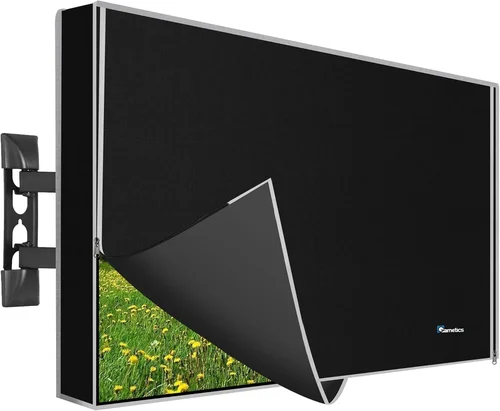
What to do instead: Invest in a TV specifically rated for outdoor or semi-outdoor use. If budget is tight, pair a mid-range indoor TV with a certified outdoor enclosure—but never skip the enclosure.
❌ Mistake: Ignoring the IP Rating
Why it’s bad: An IP44 rating might seem sufficient, but it only protects against splashing water—not sustained humidity or pressurized spray from garden hoses or ocean waves. In high-humidity zones, you need at least IP55.
What to do instead: Always check the official IP rating in the product specifications, not just marketing claims like “weather-resistant.”
❌ Mistake: Overlooking Brightness Requirements
Why it’s bad: A dim screen ruins the outdoor viewing experience. Many buyers are disappointed when their new TV looks washed out during daytime gatherings.
What to do instead: Aim for a minimum of 700 nits for shaded patios and 1,000+ nits for areas with indirect sunlight. Test brightness in person if possible.
❌ Mistake: Skimping on Installation
Why it’s bad: Improper mounting can compromise the TV’s weatherproofing, create electrical risks, or cause the unit to fall in high winds.
What to do instead: Hire a certified outdoor AV installer. They’ll ensure proper grounding, cable management, and sealing around wall penetrations.
❌ Mistake: Choosing Based on Price Alone
Why it’s bad: The cheapest option often lacks critical features like adequate cooling or corrosion protection, leading to early replacement costs.
What to do instead: Balance upfront cost with long-term value. A $3,000 TV that lasts 8 years is better than a $1,500 unit that fails in 2.
❌ Mistake: Neglecting Audio Needs
Why it’s bad: Most outdoor TVs have weak built-in speakers due to space and sealing constraints. Relying on them results in muffled dialogue and poor sound quality.
What to do instead: Plan for weatherproof outdoor speakers or a soundbar from day one. Many patio TVs support wireless audio output.
Budget Guidelines: How Much Should You Spend?
– Entry-Level ($800–$1,500): This tier includes indoor TVs paired with basic outdoor enclosures or older-model semi-outdoor displays. Expect limited brightness (500–700 nits), shorter warranties, and minimal smart features. Best for fully covered, low-humidity patios used occasionally.
– Mid-Range ($1,500–$3,500): The sweet spot for most homeowners. These TVs offer 700–1,200 nits brightness, IP55+ ratings, robust smart platforms, and 2–3 year warranties. Models like the SunBriteTV Veranda series or Samsung The Terrace (partial sun) fit here. Ideal for screened-in lanais and covered decks in humid climates.
– Premium ($3,500–$6,000): Designed for enthusiasts and high-exposure environments. Features include 1,500+ nits brightness, full weatherproofing, advanced cooling, anti-corrosion coatings, and luxury finishes. Perfect for coastal homes, poolside setups, or areas with frequent rain and sun.
– Luxury ($6,000+): Top-tier units like Seura Shade or SunBriteTV Pro X offer cinematic picture quality, ultra-slim designs, integrated ambient lighting, and custom installation services. These are built for discerning buyers who want seamless integration into high-end outdoor living spaces.
Expert Tips for Getting the Best Deal
– Buy during off-season: Prices on outdoor TVs drop significantly in late fall and winter (October–February) when demand is lowest. Retailers often clear inventory before spring.
– Shop authorized dealers: Avoid gray-market sellers on auction sites. Authorized dealers provide valid warranties, firmware updates, and local support.
– Bundle with installation: Many retailers offer discounts when you purchase TV + mount + installation as a package. This also ensures compatibility and proper setup.
– Check for rebates: Some utility companies offer energy-efficiency rebates for outdoor electronics. LG and Samsung occasionally run seasonal promotions.
– Read real user reviews: Look for feedback from buyers in similar climates (e.g., “used in Miami for 2 years”). Forums like AVS Forum have detailed outdoor TV discussions.
– Test return policies: Ensure the seller allows returns if the TV doesn’t perform as expected in your specific environment. Some humidity issues only appear after weeks of use.
– Consider refurbished units: Certified refurbished outdoor TVs from the manufacturer can save 20–30% and come with full warranties.
– Future-proof your purchase: Choose a TV with HDMI 2.1, Wi-Fi 6, and upgradable software to stay relevant for 5–7 years.
Frequently Asked Questions
Q: Can I use a regular TV outside if it’s under a roof?
A: Technically yes, but it’s not recommended for humid areas. Even under cover, moisture, temperature swings, and insects can damage internal components. A dedicated outdoor or semi-outdoor TV is far more reliable and safer.
Q: How do I protect my patio TV from salt air?
A: Choose a model with marine-grade corrosion resistance (look for “coastal” or “salt-air rated” in specs). Regularly wipe down the exterior with a microfiber cloth and avoid spraying water directly on the screen.
Q: Do outdoor TVs consume more power?
A: Not necessarily. While high-brightness modes use more energy, many modern outdoor TVs are Energy Star certified and include auto-dimming sensors that reduce power when ambient light is low.
Q: Can I leave my patio TV on all the time?
A: Most outdoor TVs are designed for continuous operation, but it’s wise to turn them off during storms or extended absences. Use a smart plug with surge protection for added safety.
Q: What’s the difference between “partial sun” and “full sun” ratings?
A: “Partial sun” TVs are for covered areas with indirect light (e.g., under eaves). “Full sun” models have enhanced cooling and brighter panels for direct sunlight exposure. Using a partial-sun TV in full sun can cause overheating.
Q: Are outdoor TVs compatible with voice assistants?
A: Yes! Most smart outdoor TVs support Alexa, Google Assistant, or Siri via built-in mics or companion apps. Just ensure the microphone isn’t blocked by weather seals.
Q: How long do patio TVs typically last?
A: With proper care, a quality outdoor TV should last 6–10 years in humid climates. Indoor TVs used outdoors often fail within 1–3 years.
Q: Can I mount an outdoor TV on a brick or stucco wall?
A: Absolutely—but use appropriate anchors and seal all drill holes with silicone caulk to prevent moisture intrusion. Consult a professional for masonry installations.
Our Final Recommendations
– Best for Budget-Conscious Buyers: SunBriteTV Veranda 55-inch – Offers excellent weather resistance, 700-nit brightness, and a 2-year warranty at under $2,000. Ideal for covered patios in moderate humidity.
– Best Overall Value: Samsung The Terrace 65-inch (Partial Sun) – Combines QLED color, 1,500-nit brightness, and robust build quality with Samsung’s reliable smart platform. Priced around $3,200.
– Best Premium Option: SunBriteTV Pro 2 75-inch – Built for extreme conditions with 2,000-nit brightness, active cooling, and military-grade sealing. Perfect for coastal or tropical homes ($5,500+).
– Best for Beginners: LG OLED GX Outdoor 55-inch – Delivers stunning picture quality in a user-friendly package with webOS and easy setup. Great for those new to outdoor AV ($3,800).
– Best for Advanced Users: Seura Shade 65-inch – Ultra-thin design with integrated ambient lighting, customizable bezels, and whisper-quiet operation. For tech-savvy homeowners who value aesthetics and performance ($7,000+).
Conclusion: Making the Right Choice
Investing in a patio TV for a humid area is about more than just entertainment—it’s about creating a durable, enjoyable outdoor living space that withstands the test of time and weather. By prioritizing weather resistance, brightness, build quality, and proper installation, you’ll avoid the frustration of premature failures and enjoy crystal-clear viewing year-round. Remember, the cheapest option isn’t always the best value, and cutting corners on protection can cost you more in the long run.
Take the time to assess your specific environment: Is your patio fully covered or exposed to elements? How much direct sunlight does it get? What’s your typical viewing schedule? Answering these questions will guide you toward the right type, size, and feature set. And don’t hesitate to consult with outdoor AV specialists—they can save you money and headaches by recommending the ideal setup for your home.
Ultimately, the perfect patio TV balances performance, protection, and personal preference. Whether you’re watching the big game with friends or enjoying a quiet movie night under the stars, your outdoor screen should enhance—not hinder—your experience. Use this guide as your roadmap, and you’ll be well on your way to making a smart, satisfying purchase that brings joy for years to come.

