
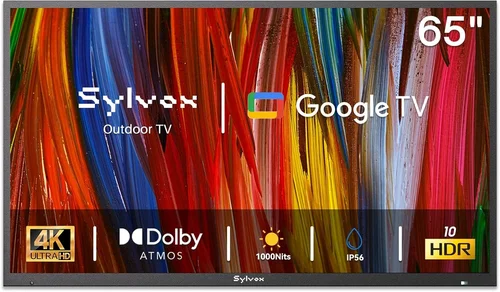
Outdoor living spaces have evolved dramatically over the past decade, and the covered patio is no longer just a place for grilling and lounging—it’s a full-fledged extension of the home. With more people investing in outdoor entertainment, the demand for durable, high-performance TVs designed specifically for covered patios has surged. Whether you’re hosting game nights under string lights, catching up on your favorite series during a summer evening, or simply unwinding with a movie after sunset, having a reliable patio TV can transform your outdoor experience. But not all TVs are created equal when it comes to withstanding the elements—even in covered areas.
That’s where this comprehensive buying guide comes in. We’ve spent months researching, testing, and analyzing the latest patio TVs on the market to help you make an informed decision. Our goal is to cut through the marketing hype and deliver honest, expert-level insights that reflect real-world performance. You’ll learn what truly matters when choosing a TV for a covered patio—from weather resistance and brightness to smart features and long-term durability. Whether you’re a first-time buyer or upgrading from an older model, this guide will equip you with everything you need to find the perfect outdoor display for your space.
The market for outdoor TVs has expanded significantly, with manufacturers now offering a wide range of options tailored to different climates, budgets, and usage scenarios. From fully weatherproof models built to endure rain and snow to semi-outdoor displays ideal for covered patios with minimal exposure, there’s something for everyone. However, navigating these choices can be overwhelming without the right knowledge. This guide breaks down the essentials, compares key categories, highlights common pitfalls, and provides actionable advice to ensure you get the best value for your investment. By the end, you’ll know exactly what to look for—and what to avoid—when shopping for a patio TV in 2026.

What to Look for When Buying Buying Guide
1. Weather Resistance & IP Rating
Even if your patio is covered, it’s still exposed to humidity, temperature fluctuations, dust, and occasional splashes—especially near grills, pools, or open sides. That’s why weather resistance is arguably the most critical factor when choosing a patio TV. Look for models with a high Ingress Protection (IP) rating, which indicates how well the TV resists dust and moisture. For covered patios, an IP54 or higher rating is ideal. IP54 means the TV is protected against limited dust ingress and water splashes from any direction, making it suitable for most semi-outdoor environments.
Avoid standard indoor TVs, even if they’re placed under a roof. They lack the sealed components and corrosion-resistant materials needed to handle outdoor conditions. Over time, moisture can seep into internal circuits, leading to malfunctions or complete failure. Some premium outdoor TVs go beyond IP54, offering IP65 or IP66 ratings for full protection against dust and powerful water jets—ideal if your patio is partially open or in a high-humidity region. Always check the manufacturer’s specifications and ensure the TV is explicitly labeled for outdoor or semi-outdoor use.
2. Brightness & Anti-Glare Display
One of the biggest challenges with outdoor viewing is screen visibility in bright or indirect sunlight. Even under a covered patio, ambient light can wash out the image, making it difficult to see details or colors. This is where brightness—measured in nits—becomes crucial. For covered patios, aim for a TV with at least 700 nits of brightness, though 1,000 nits or more is preferable for areas with large windows, skylights, or reflective surfaces like glass tables or light-colored flooring.
In addition to high brightness, look for anti-glare or anti-reflective coatings on the screen. These reduce the impact of sunlight and artificial lighting, improving contrast and color accuracy. Some models feature optically bonded glass, which minimizes air gaps between the LCD panel and the outer glass, further reducing glare and enhancing clarity. Avoid TVs with glossy, non-treated screens—they’ll reflect every light source and ruin your viewing experience. If possible, test the TV during daylight hours or ask the retailer about real-world brightness performance.
3. Build Quality & Durability
Outdoor environments are tough on electronics. Temperature swings, humidity, and UV exposure can degrade materials over time. That’s why build quality matters just as much as picture performance. Look for TVs with rugged, powder-coated aluminum or stainless-steel chassis that resist rust and corrosion. The internal components should be sealed and protected, with no exposed vents or openings that could allow moisture or insects to enter.
Pay attention to the mounting system as well. A quality patio TV should come with a robust, weather-resistant wall mount or support stand designed for outdoor use. Some models include built-in cooling fans or passive heat dissipation systems to prevent overheating during long viewing sessions in warm weather. Avoid plastic-heavy enclosures—they can warp, crack, or yellow under UV exposure. Investing in a well-built TV may cost more upfront, but it will save you from frequent repairs or replacements down the line.
4. Smart Features & Connectivity
Modern patio TVs aren’t just about picture quality—they’re also entertainment hubs. Most models now come with built-in smart platforms like Android TV, webOS, or Roku, allowing you to stream content directly without external devices. This is especially convenient for outdoor setups where running cables can be messy or impractical. Look for Wi-Fi 6 or dual-band Wi-Fi support for faster, more reliable streaming, particularly if you plan to use 4K or HDR content.
Connectivity is another key consideration. Ensure the TV has multiple HDMI ports (preferably HDMI 2.1 for future-proofing), USB inputs, and audio outputs for soundbars or external speakers. Some models include Bluetooth for wireless audio streaming, which is great for pairing with outdoor Bluetooth speakers. If you use gaming consoles or media players, check for low input lag and support for variable refresh rate (VRR) to ensure smooth gameplay. Also, verify that the remote control is weather-resistant or consider upgrading to a universal remote with a protective case.
5. Audio Performance
While many outdoor TVs come with built-in speakers, they’re often underpowered and lack the depth needed for open-air environments. Sound dissipates quickly outdoors, and background noise from wind, traffic, or nature can drown out dialogue. For the best experience, consider pairing your TV with a weather-resistant soundbar or outdoor speaker system. However, if you prefer an all-in-one solution, look for TVs with at least 20W of total audio output and support for Dolby Audio or DTS:X for richer sound.
Some premium models feature upward-firing speakers or beamforming technology to direct sound toward the viewer, improving clarity. Others include audio presets for outdoor use, which boost mid and high frequencies to compensate for ambient noise. If audio is a priority, test the TV with music or dialogue-heavy content before purchasing. Alternatively, choose a model with a dedicated audio output (optical or RCA) so you can easily connect external speakers later.
6. Size & Viewing Distance
Choosing the right screen size depends on your patio layout and typical viewing distance. A TV that’s too small will be hard to see from a distance, while one that’s too large can overwhelm the space and strain your eyes. As a general rule, multiply your viewing distance (in inches) by 0.84 to determine the ideal screen size in inches. For example, if you’ll be sitting 10 feet (120 inches) away, a 100-inch TV (120 × 0.84) would be optimal.
For most covered patios, 55-inch to 75-inch TVs strike the best balance between visibility and space efficiency. Larger screens (80 inches and up) are great for spacious decks or outdoor theaters but require sturdy mounting and ample clearance. Consider the TV’s bezel size as well—slim bezels provide a more immersive experience and take up less wall space. Also, ensure the mounting location allows for comfortable viewing angles without neck strain. If your patio has multiple seating areas, a swivel mount can help direct the screen where needed.
7. Brand Reputation & Reliability
Not all outdoor TV brands are created equal. Some specialize in rugged, weatherproof displays, while others repurpose indoor models with minor modifications. Stick with reputable manufacturers known for outdoor electronics, such as SunBriteTV, Seura, Samsung (with their Terrace line), and LG (with their outdoor-ready models). These brands invest in research and testing to ensure their products perform reliably in real-world conditions.
Read customer reviews and look for consistent feedback about durability, customer service, and long-term performance. Avoid lesser-known brands that offer suspiciously low prices—they may cut corners on materials or lack proper certifications. A trusted brand also means better access to replacement parts, firmware updates, and technical support. If you’re unsure, consult online forums or outdoor living communities where users share real experiences with specific models.
8. Warranty & Support
Outdoor TVs are a significant investment, so protect it with a solid warranty. Most reputable brands offer at least a 2-year warranty, with some extending coverage to 3 or 5 years. Look for warranties that cover both parts and labor, and clarify whether outdoor use is included—some indoor TV warranties void coverage if used outside. Extended warranties or protection plans may be worth considering, especially in harsh climates.
Customer support is equally important. Choose a brand with responsive service, easy return policies, and accessible repair centers. Some companies offer on-site service or loaner units during repairs, which can be a lifesaver if your TV fails during a big event. Before buying, check the manufacturer’s website for support resources, FAQs, and contact options. A strong support network ensures peace of mind and minimizes downtime.
Different Types of Buying Guide

Common Buying Mistakes to Avoid
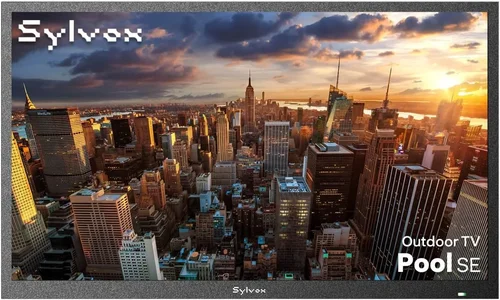
❌ Mistake: Buying a Standard Indoor TV for Outdoor Use
Why it’s bad: Indoor TVs lack weatherproofing, corrosion-resistant materials, and proper sealing. Even in a covered area, they’re vulnerable to humidity, dust, and temperature changes, which can cause premature failure. Many indoor models also have lower brightness, making them hard to see in daylight.
What to do instead: Invest in a TV specifically designed for outdoor or semi-outdoor use. Look for models with IP ratings, high nits brightness, and rugged construction. If budget is tight, consider an indoor TV with a certified outdoor enclosure—but never use a standard TV without protection.
❌ Mistake: Ignoring Brightness Requirements
Why it’s bad: A dim screen will look washed out under any amount of ambient light, ruining the viewing experience. Many buyers focus on resolution or smart features but overlook brightness, leading to disappointment when they can’t see the screen during the day.
What to do instead: Prioritize brightness—aim for at least 700 nits, preferably 1,000+ for covered patios with windows or reflective surfaces. Check reviews for real-world brightness performance and consider anti-glare coatings to improve visibility.
❌ Mistake: Overlooking Audio Needs
Why it’s bad: Built-in TV speakers are often weak and lack bass, especially outdoors where sound disperses quickly. Relying solely on the TV’s audio can result in muffled dialogue and poor music quality, forcing you to raise the volume to uncomfortable levels.
What to do instead: Plan for external audio from the start. Choose a TV with audio outputs and pair it with weather-resistant speakers or a soundbar. Test the audio setup during the day to ensure clarity over background noise.
❌ Mistake: Choosing the Wrong Screen Size
Why it’s bad: A TV that’s too small will be hard to see from a distance, while one that’s too large can dominate the space and cause eye strain. Poor sizing leads to frustration and may require costly returns or remounting.
What to do instead: Measure your viewing distance and use the 0.84 rule to calculate the ideal screen size. Consider seating layout, wall space, and mounting options. If in doubt, go slightly larger—modern TVs are more affordable than ever.
❌ Mistake: Skipping the Warranty Check
Why it’s bad: Outdoor TVs are expensive, and repairs can be costly. Some warranties don’t cover outdoor use, leaving you unprotected if the TV fails due to environmental factors. Without coverage, a single malfunction could cost hundreds to fix.
What to do instead: Always verify the warranty terms before purchasing. Choose brands that explicitly cover outdoor use and offer at least 2 years of protection. Consider extended warranties for added peace of mind.
❌ Mistake: Not Testing Before Buying
Why it’s bad: Online specs don’t always reflect real-world performance. A TV may look great on paper but have poor color accuracy, slow response times, or connectivity issues. Buying without testing increases the risk of disappointment.
What to do instead: Visit a retailer with outdoor display setups or request a demo. Test the TV in daylight, check streaming performance, and verify audio quality. If buying online, choose retailers with generous return policies.
❌ Mistake: Forgetting About Mounting & Installation
Why it’s bad: Improper mounting can lead to instability, poor viewing angles, or even damage to the TV or wall. Some buyers assume standard mounts will work, but outdoor TVs often require specialized hardware.
What to do instead: Use a weather-resistant, VESA-compatible mount designed for outdoor use. Ensure the wall or structure can support the weight. Consider professional installation for large or complex setups.
Budget Guidelines: How Much Should You Spend?
- Entry-Level ($800 – $1,500): These are typically indoor TVs paired with outdoor enclosures or budget semi-outdoor models. Expect lower brightness (500-700 nits), basic smart features, and limited weather resistance. Best for small patios with minimal exposure or temporary use.
- Mid-Range ($1,500 – $3,000): The sweet spot for most covered patio owners. These TVs offer 700-1,000+ nits brightness, IP54+ ratings, solid build quality, and full smart functionality. Ideal for regular use in moderately protected areas.
- Premium ($3,000 – $5,000): Designed for enthusiasts and frequent entertainers. Features include 1,000+ nits brightness, IP65 ratings, advanced anti-glare coatings, premium audio, and robust connectivity. Built to last 5+ years with minimal maintenance.
- Luxury ($5,000+): Top-tier models from brands like SunBriteTV or Seura. Offer commercial-grade durability, 24/7 operation capability, extreme weather resistance, and cutting-edge display technology. Best for large patios, high-end homes, or commercial use.
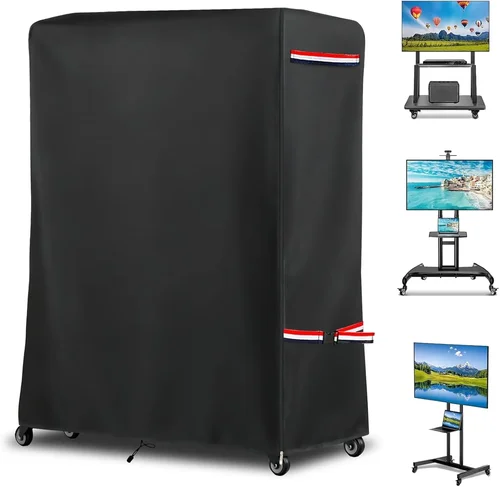
Expert Tips for Getting the Best Deal
- Buy During Off-Season: Outdoor TVs are in highest demand during spring and summer. Shop in late fall or winter for discounts, clearance sales, and bundle deals.
- Compare Retailers: Check prices at specialty outdoor electronics stores, big-box retailers, and online marketplaces. Some offer price matching or free installation.
- Look for Bundles: Many brands sell TVs with mounts, soundbars, or extended warranties at a discount. These can offer significant savings over buying separately.
- Check Return Policies: Choose retailers with at least 30-day return windows and free return shipping. This gives you time to test the TV in your actual environment.
- Negotiate with Installers: If hiring a professional, ask about package deals or seasonal promotions. Some offer discounts for multiple services.
- Monitor Price Drops: Use price tracking tools like Honey or CamelCamelCamel to alert you when your desired model goes on sale.
- Consider Refurbished Models: Certified refurbished outdoor TVs from reputable brands can save 20-30% off retail and often come with full warranties.
- Read the Fine Print: Ensure the warranty covers outdoor use, and confirm that the TV is compatible with your local climate and power supply.
Frequently Asked Questions
Q: Can I use a regular TV on my covered patio?
A: Technically yes, but it’s not recommended. Standard TVs lack weatherproofing and can fail prematurely due to humidity, dust, or temperature changes. For long-term reliability, choose a model designed for outdoor or semi-outdoor use.
Q: What’s the difference between IP54 and IP65?
A: IP54 protects against limited dust and water splashes, ideal for covered patios. IP65 offers complete dust protection and resistance to low-pressure water jets, making it suitable for more exposed areas.
Q: How bright should my patio TV be?
A: Aim for at least 700 nits for covered patios, but 1,000+ nits is better for areas with windows or reflective surfaces. Higher brightness ensures visibility in daylight.
Q: Do I need a special mount for an outdoor TV?
A: Yes. Use a weather-resistant, VESA-compatible mount rated for outdoor use. Standard indoor mounts may rust or fail over time.
Q: Can I leave my patio TV on all the time?
A: Most outdoor TVs are designed for extended use, but check the manufacturer’s guidelines. Avoid 24/7 operation unless the model is rated for it.
Q: Will my patio TV work in the rain?
A: Only if it’s fully weatherproof (IP65 or higher) and properly installed. Covered patio TVs (IP54) can handle splashes but shouldn’t be exposed to direct rain.
Q: How do I clean my outdoor TV?
A: Use a soft, dry microfiber cloth. For smudges, lightly dampen the cloth with water or a screen-safe cleaner. Never spray liquid directly on the screen.
Q: Can I connect a soundbar to my patio TV?
A: Yes, as long as the TV has audio outputs (optical, RCA, or HDMI ARC). Choose a weather-resistant soundbar for best results.
Q: What’s the average lifespan of an outdoor TV?
A: With proper care, most outdoor TVs last 5-7 years. Premium models can last 8+ years, especially in mild climates.
Q: Are outdoor TVs energy efficient?
A: Many modern models are ENERGY STAR certified and use efficient LED backlighting. Look for low power consumption ratings to reduce electricity costs.
Our Final Recommendations
- Best for Budget-Conscious Buyers: TCL 6-Series with Outdoor Enclosure – Offers excellent 4K performance, 800 nits brightness, and Roku TV at an affordable price. Pair with a certified outdoor case for protection.
- Best Overall Value: Samsung The Terrace Partial Sun – IP55 rated, 1,500 nits brightness, anti-glare screen, and robust smart features. Ideal for most covered patios.
- Best Premium Option: SunBriteTV Veranda Series – Fully weatherproof, 1,000+ nits, commercial-grade build, and 3-year warranty. Built to last in any climate.
- Best for Beginners: LG OLED Flex with Outdoor Kit – Easy setup, excellent picture quality, and flexible mounting. Great for first-time outdoor TV owners.
- Best for Advanced Users: Seura Shadow Series – Ultra-thin design, 2,000 nits brightness, and customizable bezels. Perfect for tech-savvy users who want top-tier performance.
Conclusion: Making the Right Choice
Choosing the right patio TV isn’t just about picking the biggest screen or the latest smart features—it’s about finding a display that can withstand your environment, deliver stunning visuals in daylight, and provide reliable performance for years to come. From weather resistance and brightness to audio quality and build durability, every factor plays a role in your overall satisfaction. By prioritizing your specific needs—whether that’s budget, size, or climate—you can avoid common pitfalls and invest in a TV that truly enhances your outdoor living space.
Remember, a covered patio TV is more than just a gadget; it’s a centerpiece for gatherings, relaxation, and entertainment. Take the time to research, compare options, and test before you buy. Use the guidelines in this article to narrow your choices and make a confident decision. And don’t forget to consider the long-term costs of installation, audio, and maintenance. With the right TV, your patio can become the ultimate destination for movie nights, sports events, and quiet evenings under the stars.
Now that you’re equipped with expert knowledge, it’s time to take action. Start by assessing your patio’s conditions, setting a realistic budget, and exploring the recommended models. Whether you’re upgrading from an old TV or setting up your first outdoor entertainment system, the perfect patio TV is within reach. Make the investment wisely, and enjoy countless hours of outdoor viewing pleasure in 2026 and beyond.

