
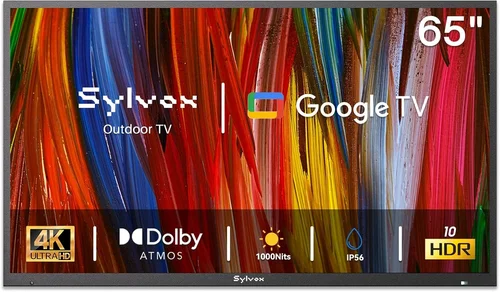
Outdoor TVs have evolved from a niche luxury to a practical, increasingly popular addition for apartment dwellers who want to enjoy entertainment beyond their indoor living spaces. Whether you’re relaxing on a balcony, hosting friends on a rooftop terrace, or simply enjoying your morning coffee in a small courtyard, having a dedicated outdoor television can transform your outdoor experience. However, choosing the right model isn’t as simple as buying an indoor TV and placing it outside. The elements—sunlight, rain, temperature swings, and dust—pose real challenges that require specialized engineering and design.
This comprehensive buying guide is designed to help you navigate the complex world of outdoor TVs with confidence. We’ll walk you through every critical factor to consider, from performance specs and build quality to budget planning and brand reliability. Whether you’re a first-time buyer or upgrading from an older model, this guide will equip you with expert-level knowledge to make a smart, informed decision. By the end, you’ll know exactly what to look for, what to avoid, and how to get the best value for your investment—no matter the size of your outdoor space.
The outdoor TV market has grown significantly in recent years, driven by advancements in display technology, increased demand for outdoor living, and more people working from home with access to private outdoor areas. Today’s outdoor TVs aren’t just weather-resistant—they’re built to deliver bright, clear images even in direct sunlight, withstand extreme temperatures, and offer smart features comparable to top-tier indoor models. With options ranging from compact 32-inch screens to massive 75-inch displays, there’s something for every apartment setup. But with so many choices, it’s easy to feel overwhelmed. That’s why this guide cuts through the noise and delivers actionable insights tailored specifically to apartment dwellers.

What to Look for When Buying Buying Guide
1. Budget & Price Range
Your budget will significantly influence your options, but it’s important to understand that outdoor TVs are inherently more expensive than their indoor counterparts. This is due to the specialized materials and engineering required to protect them from the elements. Entry-level outdoor TVs start around $800, while premium models can exceed $5,000. For apartment dwellers, the sweet spot typically falls between $1,200 and $2,500, offering a balance of durability, performance, and smart features.
When setting your budget, consider not just the TV itself but also installation costs, mounting hardware, and potential accessories like weatherproof covers or soundbars. Some models come with built-in speakers, while others may require external audio solutions—especially important if you’re placing the TV in a windy or noisy environment. Also, factor in long-term value: a slightly more expensive model with better weatherproofing and a longer warranty may save you money over time by avoiding premature replacement.
2. Performance Specifications
Outdoor TVs must deliver exceptional brightness and contrast to remain visible in daylight. Look for models with a minimum brightness of 700 nits, though 1,000 nits or higher is ideal for sunny balconies or patios. High Dynamic Range (HDR) support—especially HDR10 or Dolby Vision—enhances color depth and contrast, making images pop even under bright skies. Resolution is another key factor: 4K UHD is now the standard for outdoor TVs, offering sharp, detailed visuals that hold up well at larger screen sizes.
Refresh rate matters too, especially if you plan to watch sports or fast-paced content. A 60Hz refresh rate is standard, but models with 120Hz support provide smoother motion and reduced blur. Input lag is also worth checking if you’re a gamer—look for models under 20ms for responsive gameplay. Additionally, ensure the TV supports modern connectivity options like HDMI 2.1, USB ports, and Wi-Fi 6 for seamless streaming and future-proofing.
3. Build Quality & Durability
This is perhaps the most critical factor for outdoor TVs. Unlike indoor models, these units are engineered to withstand rain, snow, dust, UV rays, and temperature extremes—from -30°F to 120°F in some cases. The enclosure should be fully sealed with an IP55 or higher rating, indicating protection against water jets and dust ingress. Look for powder-coated aluminum or stainless-steel chassis, which resist rust and corrosion far better than plastic or standard metal.
Thermal management is another key aspect. Outdoor TVs often include internal cooling fans or passive heat dissipation systems to prevent overheating during summer months. Some models also feature anti-glare screens with optically bonded glass, which reduces reflections and improves visibility in direct sunlight. For apartment dwellers with limited space, consider the TV’s depth and weight—slimmer, lighter models are easier to mount on railings or small walls.
4. Features & Functionality
Modern outdoor TVs come packed with smart features that rival indoor models. Most support popular streaming platforms like Netflix, YouTube, and Disney+ via built-in apps or compatibility with devices like Roku, Apple TV, or Amazon Fire Stick. Voice control through Alexa or Google Assistant is increasingly common, allowing hands-free operation—ideal when you’re grilling or relaxing with a drink in hand.
Look for models with multiple HDMI ports, USB inputs, and Bluetooth connectivity for streaming audio to wireless speakers. Some outdoor TVs include built-in tuners for over-the-air broadcasts, which can be a cost-effective way to access local news and sports. Gaming features like VRR (Variable Refresh Rate) and ALLM (Auto Low Latency Mode) are also becoming more prevalent, making outdoor TVs viable for console gaming on sunny afternoons.
5. Brand Reputation
Not all outdoor TV brands are created equal. Established names like Samsung, LG, and Sony have begun offering outdoor-compatible models, but the true specialists include brands like SunBriteTV, Seura, and Peerless-AV. These companies focus exclusively on outdoor displays and have refined their designs over years of real-world testing. They often offer better weatherproofing, longer warranties, and more reliable customer support.
When evaluating brands, check for third-party certifications like UL Listed for outdoor use or compliance with international weather resistance standards. Read professional reviews and user feedback to gauge long-term reliability. A brand with a strong track record in outdoor electronics is more likely to stand behind its products with responsive service and accessible replacement parts.
6. Warranty & Support
Outdoor TVs are a significant investment, so a solid warranty is essential. Most reputable brands offer at least a 2-year warranty, with some extending coverage to 3 or even 5 years. Look for warranties that cover both parts and labor, and clarify whether on-site service is included—especially important for wall-mounted units that are difficult to remove.
Check the brand’s support infrastructure: Do they have a dedicated customer service line? Is technical support available via chat or email? Are replacement parts readily available? Some companies also offer extended warranty plans or service contracts, which can be worthwhile if you live in a harsh climate. Avoid brands with vague warranty terms or those that require you to ship the TV back at your own expense for repairs.
7. Size & Portability
Apartment dwellers often have limited outdoor space, so screen size should be carefully matched to your viewing distance and available area. A 43-inch TV is ideal for balconies under 10 feet wide, while 55-inch models work well for larger patios or rooftop decks. Avoid going too large—oversized screens can overwhelm small spaces and may require stronger mounting hardware.
Portability is another consideration. Some outdoor TVs are designed to be moved seasonally or stored indoors during winter. If you fall into this category, look for models with lightweight frames, carrying handles, or optional wheeled carts. However, keep in mind that frequent moving increases the risk of damage, so a permanent installation is generally more reliable.
8. User Reviews & Ratings
While specs and marketing materials provide a foundation, real-world user feedback offers invaluable insights. Look for reviews from buyers with similar living situations—apartment dwellers, urban residents, or those with small outdoor spaces. Pay attention to comments about brightness in sunlight, ease of setup, remote control functionality, and long-term durability.
Be cautious of overly positive or generic reviews, which may be incentivized or fake. Instead, focus on detailed accounts that mention specific pros and cons. Websites like Amazon, Best Buy, and specialized AV forums often have honest, in-depth reviews. Also, check YouTube for video demonstrations—seeing the TV in action under real outdoor conditions can be more informative than any spec sheet.
Different Types of Buying Guide

Common Buying Mistakes to Avoid
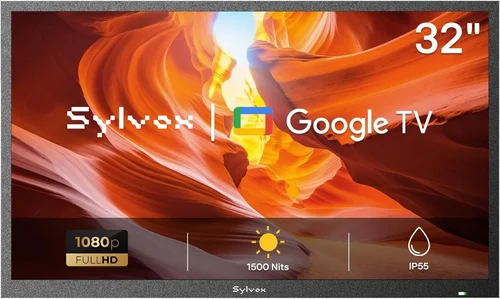
❌ Mistake: Buying an Indoor TV for Outdoor Use
Why it’s bad: Indoor TVs are not designed to handle moisture, temperature changes, or UV exposure. Placing one outside—even under a covered area—can lead to condensation inside the screen, warped components, and premature failure. Many manufacturers void warranties if used outdoors.
What to do instead: Always choose a TV specifically rated for outdoor use. Look for terms like “all-weather,” “outdoor-rated,” or IP55+ certification. If budget is tight, consider a partial-shade model for covered spaces.
❌ Mistake: Ignoring Sunlight and Glare
Why it’s bad: Even on cloudy days, ambient light can wash out an indoor TV’s image. Without sufficient brightness and anti-reflective coating, you’ll struggle to see content, defeating the purpose of having an outdoor screen.
What to do instead: Prioritize TVs with high nits ratings (700+ minimum) and optically bonded screens. Test the display in similar lighting conditions if possible, or rely on verified user reviews from sunny climates.
❌ Mistake: Overlooking Mounting and Installation
Why it’s bad: Outdoor TVs require secure, weatherproof mounting. Using standard indoor brackets or DIY solutions can lead to instability, water damage, or even the TV falling—posing safety risks.
What to do instead: Invest in a certified outdoor mounting system designed for your TV model. Consider professional installation, especially for wall or ceiling mounts. Ensure the mounting surface can support the weight and that cables are properly routed and protected.
❌ Mistake: Neglecting Audio Quality
Why it’s bad: Wind, traffic, and distance can make built-in speakers inadequate. Poor audio ruins the viewing experience, especially during outdoor gatherings.
What to do instead: Pair your TV with weatherproof outdoor speakers or a soundbar. Look for models with Bluetooth or wired audio outputs. Some outdoor TVs include enhanced speakers, but external audio is often worth the investment.
❌ Mistake: Skipping the Warranty Check
Why it’s bad: Outdoor TVs face harsher conditions than indoor models, increasing the risk of malfunction. A weak or unclear warranty leaves you vulnerable to costly repairs.
What to do instead: Read the warranty terms carefully. Choose brands that offer at least 2 years of coverage, preferably with on-site service. Avoid extended warranties from third-party retailers unless they’re reputable.
❌ Mistake: Choosing the Wrong Size
Why it’s bad: A TV that’s too large can dominate a small balcony, while one that’s too small may be hard to see from a distance. Both scenarios reduce enjoyment and value.
What to do instead: Measure your space and viewing distance. Use a screen size calculator: for every 1.5 feet of viewing distance, aim for 10 inches of screen size (e.g., 6 feet = 40-inch TV). Consider the TV’s bezel and overall footprint.
❌ Mistake: Not Planning for Connectivity
Why it’s bad: Running cables outdoors can be tricky. Without proper planning, you may face signal loss, water damage, or cluttered wires.
What to do instead: Use weatherproof conduit for HDMI and power cables. Choose a TV with rear or side ports for easier access. Consider wireless streaming devices to reduce cable needs.
Budget Guidelines: How Much Should You Spend?
Entry-Level ($800 – $1,200): These models are ideal for covered patios or balconies with minimal sun exposure. Expect 43- to 50-inch screens, 4K resolution, and basic smart features. Brands like Vizio and TCL offer outdoor-compatible versions of their indoor TVs at this price point. While not fully weatherproof, they often include protective covers and are suitable for seasonal use.
Mid-Range ($1,200 – $2,500): This is the sweet spot for most apartment dwellers. You’ll find fully weatherproof designs, 55- to 65-inch screens, 1,000+ nits brightness, and robust smart platforms. Brands like SunBriteTV and Seura dominate this tier, offering excellent build quality and reliable performance. These TVs are built to last 5-7 years with proper care.
Premium ($2,500 – $4,000): For those who want top-tier performance and durability, premium models deliver 70-inch+ screens, Dolby Vision HDR, advanced thermal management, and integrated audio systems. These are ideal for rooftop terraces or large shared spaces. Expect longer warranties and superior customer support.
Luxury ($4,000+): At this level, you’re investing in commercial-grade technology. These TVs are designed for 24/7 operation, extreme climates, and high-traffic areas. Features include 2,000+ nits brightness, modular designs, and remote monitoring. Best suited for luxury apartments or buildings with shared outdoor amenities.
Expert Tips for Getting the Best Deal
1. Buy During Off-Season: Outdoor TVs see peak demand in spring and summer. Shop in late fall or winter for discounts of 15–25%. Retailers often clear inventory to make room for new models.
2. Compare Retailers: Check prices at specialty AV stores, big-box retailers, and online marketplaces. Some brands sell directly with exclusive bundles or extended warranties.
3. Look for Bundles: Many outdoor TV packages include mounts, covers, and cables. These can save you $200 or more compared to buying separately.
4. Check Return Policies: Ensure the retailer offers at least a 30-day return window. Outdoor TVs are hard to test before purchase, so flexibility is key.
5. Test Before You Buy: If possible, visit a showroom to see the TV in bright lighting. Bring a tablet to compare screen glare and color accuracy.
6. Negotiate Installation: Some retailers offer free or discounted installation with purchase. This can be a $200–$500 value, especially for wall-mounted units.
7. Consider Refurbished Models: Certified refurbished outdoor TVs from reputable brands can offer 20–30% savings with full warranty coverage.
8. Join Loyalty Programs: Sign up for newsletters or loyalty programs to receive early access to sales, exclusive discounts, and product updates.

Frequently Asked Questions
Q: Can I use a regular TV outdoors if it’s under a covered patio?
A: Technically, yes—but it’s not recommended. Even covered areas can experience humidity, temperature swings, and indirect moisture. Over time, this can damage internal components. For true peace of mind, choose a TV rated for outdoor use.
Q: Do outdoor TVs need to be plugged in, or can they run on battery?
A: All outdoor TVs require a power source. There are no battery-powered models due to the high energy demands of bright displays. Ensure your outdoor space has a GFCI-protected outlet nearby.
Q: How do I clean an outdoor TV screen?
A: Use a microfiber cloth and a mild cleaning solution designed for electronics. Avoid ammonia-based cleaners, which can damage anti-reflective coatings. Turn off and unplug the TV before cleaning.
Q: Can I leave my outdoor TV on during a storm?
A: While outdoor TVs are weather-resistant, it’s best to turn them off during severe storms or lightning. Power surges can damage electronics, even with surge protectors.
Q: Do outdoor TVs come with remotes that work in sunlight?
A: Most include standard IR remotes, which can struggle in bright light. Some models offer RF remotes or smartphone apps for better reliability. Check the remote type before buying.
Q: Are outdoor TVs energy efficient?
A: Modern outdoor TVs are designed with energy efficiency in mind. Look for ENERGY STAR certification, which indicates lower power consumption without sacrificing brightness.
Q: Can I mount an outdoor TV on a balcony railing?
A: Yes, with the right mounting system. Railing mounts are available for most models and provide a secure, space-saving solution. Ensure the railing is sturdy and can support the weight.
Q: What happens if my outdoor TV gets rained on?
A: If it’s a true outdoor-rated model with proper IP rating, rain should not damage it. However, avoid spraying water directly into vents or ports. Always follow the manufacturer’s guidelines.
Q: Do outdoor TVs support voice assistants?
A: Many do, especially smart models. Look for compatibility with Alexa, Google Assistant, or Siri. This allows hands-free control, which is convenient when your hands are full.
Q: How long do outdoor TVs typically last?
A: With proper care, most outdoor TVs last 5–7 years. Premium models with better thermal management and build quality can exceed 10 years in moderate climates.
Our Final Recommendations
Best for Budget-Conscious Buyers: Vizio V-Series Outdoor (43-inch) – At under $900, this model offers 4K resolution, decent brightness (600 nits), and smart features. Ideal for covered balconies with minimal sun exposure.
Best Overall Value: SunBriteTV Veranda Series (55-inch) – Priced around $1,800, this all-weather TV delivers 1,000 nits brightness, full weatherproofing, and a sleek design. Perfect for most apartment outdoor spaces.
Best Premium Option: Seura Outdoor 4K Smart TV (65-inch) – With Dolby Vision, 1,500 nits brightness, and integrated weatherproof speakers, this $3,200 model is built for luxury outdoor living.
Best for Beginners: Peerless-AV Outdoor TV (50-inch) – Easy to install, reliable performance, and strong customer support make this a great first outdoor TV. Priced at $1,400.
Best for Advanced Users: SunBriteTV Pro Series (75-inch) – Designed for extreme conditions, this commercial-grade TV offers 2,000+ nits brightness, modular design, and remote diagnostics. Ideal for tech-savvy users with large outdoor areas.
Conclusion: Making the Right Choice
Choosing the right outdoor TV for your apartment is about balancing performance, durability, and budget. While the upfront cost may seem high, the right model will deliver years of enjoyment, transforming your outdoor space into a true extension of your home. Prioritize weather resistance, brightness, and smart features that match your lifestyle. Don’t skimp on mounting or audio—these details make a big difference in real-world use.
Remember, not all outdoor TVs are equal. Take the time to research, read reviews, and consider your specific environment. Whether you’re watching the sunrise with coffee or hosting a movie night under the stars, the perfect outdoor TV is out there. Use this guide as your roadmap, and you’ll make a confident, informed decision that enhances your outdoor living for years to come.
Now that you’re equipped with expert knowledge, it’s time to take action. Measure your space, set your budget, and start comparing models. Your ideal outdoor entertainment setup is just a purchase away.

