
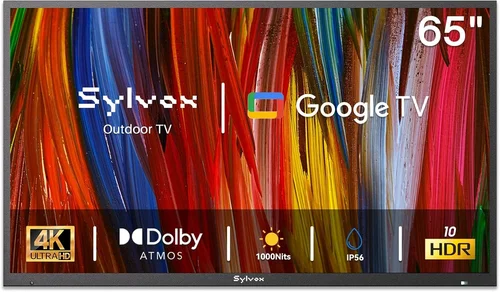
Outdoor kitchens are no longer just about grilling steaks and tossing salads—they’ve evolved into full-fledged entertainment zones where families gather, friends celebrate, and memories are made under open skies. Whether you’re sipping wine by the firepit or hosting a game-day bash with the grill fired up, having the right entertainment setup elevates the entire experience. And at the heart of that setup? A high-quality outdoor TV.
But here’s the catch: not all TVs are built to withstand the elements. Standard indoor televisions may offer stunning picture quality, but they’ll quickly succumb to humidity, rain, dust, UV exposure, and temperature swings. That’s why investing in a purpose-built outdoor TV is essential if you want reliable performance and longevity in your outdoor kitchen. This guide exists to cut through the noise, eliminate confusion, and help you make a smart, informed decision—whether you’re a first-time buyer or upgrading from an older model.
By the end of this comprehensive buying guide, you’ll understand exactly what makes an outdoor TV different from its indoor counterpart, how to evaluate key features like brightness and weather resistance, and which brands truly deliver on their promises. You’ll also learn how to avoid costly mistakes, maximize your budget, and choose a TV that fits seamlessly into your outdoor lifestyle. The market for outdoor TVs has matured significantly in recent years, with more options than ever—from ultra-bright 4K displays to fully weatherproof enclosures and smart connectivity. With so many choices, it’s easy to feel overwhelmed. But armed with the right knowledge, you’ll be able to confidently select the perfect screen for your space, climate, and viewing habits.

What to Look for When Buying Buying Guide
1. Brightness & Display Performance
When it comes to outdoor TVs, brightness isn’t just a nice-to-have—it’s non-negotiable. Unlike indoor TVs that operate in controlled lighting, outdoor screens must compete with direct sunlight, glare from water or stone surfaces, and shifting ambient light throughout the day. Most indoor TVs max out around 300–500 nits (a unit measuring luminance), which is fine for a dim living room but utterly inadequate outdoors.
For shaded patios or covered outdoor kitchens, look for a minimum of 700 nits. If your TV will be exposed to partial or full sun—especially during midday hours—you’ll need at least 1,000 to 2,500 nits or higher. Some premium models now offer 3,000+ nits, delivering crystal-clear images even under bright skies. Additionally, consider display technology: OLED offers superior contrast and color accuracy but can struggle with peak brightness in daylight. QLED and high-end LED/LCD panels often perform better in bright conditions due to their higher luminance capabilities.
Another critical factor is anti-reflective coating. Without it, sunlight bouncing off the screen can render your favorite show unwatchable. Top-tier outdoor TVs use specialized optically bonded glass or matte finishes to minimize glare. Also, check the viewing angle—wide angles (178 degrees or more) ensure everyone around your outdoor kitchen island can see clearly, not just those sitting directly in front.
2. Weather Resistance & IP Rating
An outdoor TV must endure rain, snow, dust, humidity, and temperature extremes—sometimes all in one season. This is where the Ingress Protection (IP) rating becomes your best friend. The IP code consists of two digits: the first indicates protection against solid particles (like dust), and the second against liquids (like rain).
For outdoor kitchen installations, aim for at least IP55 (protected from limited dust ingress and low-pressure water jets from any direction). However, many dedicated outdoor TVs go further—offering IP65 or even IP66 ratings, meaning they’re dust-tight and resistant to powerful water jets. Some manufacturers also include additional seals around ports, vents, and mounting hardware to prevent moisture intrusion.
Beyond the IP rating, consider the TV’s operating temperature range. Quality outdoor models typically function between -22°F and 122°F (-30°C to 50°C), ensuring reliability whether you’re in Minnesota winters or Arizona summers. Internal heating and cooling systems are common in premium units, automatically adjusting to maintain optimal performance without manual intervention.
Don’t overlook build materials either. Aluminum chassis, stainless steel screws, and corrosion-resistant coatings are signs of a well-engineered outdoor TV. Avoid plastic-heavy designs—they degrade faster under UV exposure and may warp or crack over time.
3. Build Quality & Durability
Durability goes hand-in-hand with weather resistance but extends beyond just surviving the elements. A truly rugged outdoor TV should feel solid, well-constructed, and resistant to vibrations (from nearby grills, speakers, or foot traffic). Look for reinforced frames, sealed internal components, and robust mounting compatibility.
Many outdoor TVs come with proprietary wall mounts designed specifically for their enclosures. These mounts often include tilt and swivel features, allowing you to adjust the screen angle for optimal viewing—even when mounted under a pergola or awning. Ensure the mount is included or readily available, as generic indoor mounts may not fit or provide adequate support.
Also, consider the TV’s weight and thickness. Thicker models often house better insulation and internal climate control, but they may require stronger mounting hardware. Lighter units might be easier to install but could sacrifice long-term resilience. Check warranty terms too—longer coverage (3–5 years) usually signals manufacturer confidence in build quality.
4. Smart Features & Connectivity
Just because your TV lives outside doesn’t mean it should lack modern conveniences. Most outdoor TVs today run on popular smart platforms like Android TV, webOS, or Roku, giving you access to streaming services (Netflix, YouTube, Disney+, etc.) without needing an external box. However, verify that the OS is fully functional in outdoor conditions—some cheaper models throttle performance or disable Wi-Fi in extreme temperatures.
Connectivity is equally important. Look for multiple HDMI ports (preferably HDMI 2.0 or 2.1 for 4K/60Hz), USB inputs, Ethernet (for stable wired internet), and audio outputs. If you plan to connect a soundbar, wireless speakers, or a whole-home audio system, ensure the TV supports Bluetooth or optical audio out.
Wi-Fi range can be tricky outdoors due to interference from metal structures, concrete walls, or distance from your router. Consider models with dual-band Wi-Fi (2.4GHz and 5GHz) or built-in signal boosters. Alternatively, run an Ethernet cable through your outdoor kitchen wall for the most reliable connection.
5. Size & Placement Considerations
Choosing the right screen size depends on your viewing distance, seating arrangement, and available wall or ceiling space. For outdoor kitchens, typical viewing distances range from 6 to 12 feet. As a rule of thumb, multiply your viewing distance (in inches) by 0.84 to get the ideal screen diagonal. So, at 8 feet (96 inches), you’d want around a 55-inch TV.
However, don’t automatically go bigger—oversized screens can overwhelm small spaces and cause eye strain. Conversely, a tiny 32-inch screen might get lost in a large backyard setup. Measure your mounting area carefully, including clearance for ventilation (most outdoor TVs need airflow behind them) and access to ports.
Placement matters too. Avoid installing directly above or beside heat sources like grills or fire pits, as excessive heat can damage internal components. Ideally, mount the TV under cover—under an awning, pergola, or roof overhang—to reduce direct sun and rain exposure. If full coverage isn’t possible, choose a model with enhanced weatherproofing and consider adding a custom weather hood.
6. Audio Quality & Sound Solutions
Most outdoor TVs have limited built-in speakers due to space constraints and the need to keep the enclosure sealed. While adequate for casual listening, they rarely deliver the rich, immersive sound needed for movies or sports. That’s why audio integration is a key consideration.
Many buyers pair their outdoor TV with wireless outdoor speakers, soundbars, or a multi-zone audio system. Look for TVs with Bluetooth 5.0 or higher for low-latency streaming, or use wired connections via optical or RCA outputs. Some premium models even include built-in subwoofer outputs or support for Dolby Atmos (though true surround sound outdoors requires careful speaker placement).
If you’re building a new outdoor kitchen, plan your audio setup early. Run speaker wires through conduit during construction, or invest in weather-resistant wireless systems from brands like Sonos, Bose, or Polk Audio. Remember: sound travels differently outdoors—there’s no room to contain and reflect audio, so you may need more power than you’d expect indoors.
7. Brand Reputation & Ecosystem Compatibility
Not all outdoor TV brands are created equal. Some are specialists—like SunBriteTV, Seura, and Samsung’s Terrace line—that design exclusively for outdoor use. Others are mainstream manufacturers offering “outdoor-ready” versions of indoor models, which may lack full weatherproofing or long-term reliability.
Research brand history, customer service responsiveness, and third-party reviews. Brands with strong reputations often provide better firmware updates, longer warranties, and dedicated support lines. Also, consider ecosystem compatibility: if you already use Samsung SmartThings, Apple HomeKit, or Google Assistant, choosing a TV that integrates seamlessly can simplify control and automation.
Avoid unknown brands selling suspiciously cheap “outdoor TVs” on marketplaces like Amazon or eBay. These are often rebranded indoor TVs with flimsy plastic covers—not true outdoor units. Stick to reputable retailers and authorized dealers to ensure authenticity and warranty validity.
8. Warranty & Support
Outdoor TVs represent a significant investment, often costing two to three times more than comparable indoor models. A solid warranty protects that investment. Look for at least a 3-year comprehensive warranty covering parts, labor, and on-site service (if available). Some brands, like SunBriteTV, offer 5-year warranties—a strong indicator of confidence in their product.
Check what the warranty includes: Does it cover accidental damage? Power surges? Corrosion? Is shipping included for repairs? Also, verify whether the warranty is voided if installed by a non-certified technician. Many manufacturers require professional installation to maintain coverage.
Customer support quality varies widely. Read user forums and review sites to see how quickly companies respond to issues. A brand that offers 24/7 phone support or live chat is preferable, especially if you live in a region with harsh weather that could trigger unexpected problems.
Different Types of Buying Guide

Common Buying Mistakes to Avoid
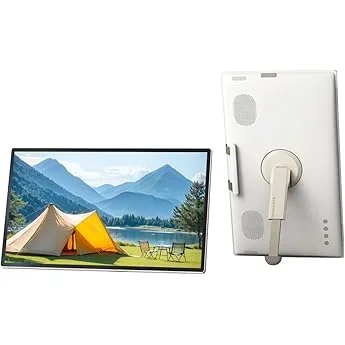
❌ Mistake: Buying an Indoor TV for Outdoor Use
Why it’s bad: Indoor TVs aren’t designed to handle moisture, temperature swings, or UV exposure. Even if you cover them with a tarp or place them under a roof, condensation can form inside the panel, leading to corrosion, fogging, or complete failure within months.
What to do instead: Invest in a certified outdoor TV or use a proper weatherproof enclosure. If budget is tight, opt for a partial-shade model or a reputable enclosure kit from brands like Peerless-AV or VIVO.
❌ Mistake: Ignoring Brightness Requirements
Why it’s bad: A dim screen turns your outdoor movie night into a squinting contest. Without sufficient nits, images appear washed out, colors lose vibrancy, and fast motion becomes blurry.
What to do instead: Match brightness to your environment: 700+ nits for shade, 1,500+ for partial sun, and 2,500+ for full sun. Read real-user reviews to confirm daytime performance.
❌ Mistake: Overlooking Audio Needs
Why it’s bad: Built-in speakers on outdoor TVs are often weak and muffled. Relying solely on them results in poor dialogue clarity and lackluster sound effects—especially with background noise from grills or wind.
What to do instead: Plan your audio setup from day one. Pair your TV with weather-resistant wireless speakers or a soundbar. Consider a dedicated outdoor audio system for larger spaces.
❌ Mistake: Skimping on Mounting Hardware
Why it’s bad: Using indoor mounts or flimsy brackets can lead to sagging, vibration damage, or even the TV falling—posing safety risks and voiding warranties.
What to do instead: Use manufacturer-recommended outdoor mounts rated for your TV’s weight and size. Ensure the wall or ceiling structure can support the load, and seal all mounting points against water intrusion.
❌ Mistake: Not Checking Wi-Fi Range
Why it’s bad: Weak signal leads to buffering, app crashes, and frustration—especially during live sports or 4K streaming.
What to do instead: Test your Wi-Fi strength at the installation site before buying. Upgrade to a mesh network with outdoor nodes, or run a buried Ethernet cable for a wired connection.
❌ Mistake: Assuming All “Outdoor” TVs Are Equal
Why it’s bad: Some brands slap “outdoor” labels on minimally modified indoor models. These often lack proper sealing, climate control, or brightness.
What to do instead: Research thoroughly. Look for IP ratings, operating temperature specs, and third-party certifications. Stick to established outdoor specialists.
❌ Mistake: Neglecting Long-Term Maintenance
Why it’s bad: Dust, pollen, and bird droppings can accumulate on screens and vents, reducing performance and lifespan.
What to do instead: Clean the screen monthly with a microfiber cloth and mild cleaner. Inspect seals and vents annually. Follow the manufacturer’s maintenance guidelines.
Budget Guidelines: How Much Should You Spend?
Entry-Level ($800–$1,800): This tier includes indoor TVs in basic weatherproof enclosures or partial-shade models with modest brightness (500–700 nits). Ideal for covered patios with minimal sun exposure. Expect limited smart features and shorter warranties (1–2 years). Great for occasional use but may struggle in harsh conditions.
Mid-Range ($1,800–$3,500): The sweet spot for most homeowners. These TVs offer 700–1,500 nits, IP55+ ratings, decent smart platforms, and 3-year warranties. Brands like SunBriteTV Veranda and Samsung Terrace (partial-shade versions) dominate this space. Perfect for outdoor kitchens under pergolas or awnings.
Premium ($3,500–$6,000): Built for full sun and extreme weather. Expect 1,500–3,000+ nits, IP66 ratings, advanced climate control, and robust smart features. Models like SunBriteTV Pro Series or Seura Outdoor TVs deliver cinema-quality visuals and 5-year warranties. Ideal for luxury outdoor living spaces.
Luxury ($6,000+): Commercial-grade displays with 24/7 operation capability, modular designs, and ultra-high brightness (3,000–10,000 nits). Used in high-end resorts, stadiums, or expansive estates. Often customizable in size and finish. Overkill for most residential kitchens but unmatched in performance.
Expert Tips for Getting the Best Deal
– Buy during off-seasons: Prices drop significantly in late fall and winter when demand is low. Many retailers clear inventory before spring.
– Bundle with installation: Some dealers offer discounts when you purchase TV + mount + installation as a package.
– Check manufacturer rebates: Brands like Samsung and SunBriteTV occasionally run promotions or trade-in programs.
– Compare total cost of ownership: A cheaper TV with a 1-year warranty may cost more long-term than a pricier model with 5-year coverage.
– Read professional installer reviews: They often reveal hidden flaws or compatibility issues not mentioned in marketing materials.
– Negotiate with local AV specialists: Independent dealers may offer better pricing than big-box stores, especially for premium brands.
– Verify return policies: Ensure you can return or exchange if the TV doesn’t perform as expected in your specific environment.
– Consider refurbished units: Certified pre-owned outdoor TVs from authorized sellers can save 20–30% with full warranty coverage.

Frequently Asked Questions
Q: Can I use a regular TV outdoors if it’s under cover?
A: Technically yes, but it’s risky. Even under cover, humidity, temperature swings, and dust can damage internal components over time. For reliable, long-term use, a purpose-built outdoor TV or certified enclosure is strongly recommended.
Q: Do outdoor TVs need special power outlets?
A: Not necessarily, but they should be connected to a GFCI (Ground Fault Circuit Interrupter) outlet for safety, especially in damp areas. Avoid extension cords; run dedicated wiring if needed.
Q: How do I clean my outdoor TV screen?
A: Use a soft, lint-free microfiber cloth slightly dampened with water or a screen-safe cleaner. Never spray liquid directly on the screen. Avoid ammonia-based cleaners, which can damage anti-reflective coatings.
Q: Will an outdoor TV work in freezing temperatures?
A: Yes, if it’s rated for cold climates. Most quality outdoor TVs operate down to -22°F (-30°C) and include internal heaters to prevent condensation during startup.
Q: Can I mount an outdoor TV on a ceiling?
A: Absolutely—many models support ceiling mounts. Just ensure the mount is rated for outdoor use and the ceiling structure can handle the weight and wind load.
Q: Do outdoor TVs consume more power?
A: Slightly, due to higher brightness and internal climate systems. However, modern LED models are still energy-efficient. Look for ENERGY STAR certification if power usage is a concern.
Q: What’s the difference between partial-shade and full-sun outdoor TVs?
A: Partial-shade models are designed for covered areas with indirect light and lower brightness (700–1,000 nits). Full-sun TVs have higher brightness (1,500+ nits), better cooling, and enhanced weatherproofing for direct exposure.
Q: Can I control my outdoor TV with my smartphone?
A: Yes, most smart outdoor TVs support remote apps via Wi-Fi. You can also integrate them with voice assistants like Alexa or Google Assistant for hands-free control.
Q: How long do outdoor TVs typically last?
A: With proper care, 7–10 years is common. Premium models with robust build quality and climate control often exceed a decade.
Q: Are outdoor TVs worth the extra cost?
A: If you use your outdoor kitchen regularly and value reliability, picture quality, and longevity—yes. The peace of mind from knowing your investment is protected against the elements makes the premium worthwhile.
Our Final Recommendations
Best for Budget-Conscious Buyers: SunBriteTV Veranda Series (55″) – Offers excellent value with 700 nits brightness, IP55 rating, and a 3-year warranty. Perfect for covered outdoor kitchens.
Best Overall Value: Samsung The Terrace Partial Shade (65″) – Combines QLED color, 1,500 nits brightness, and robust smart features at a competitive price. Ideal for most homeowners.
Best Premium Option: SunBriteTV Pro Series (75″) – Built for full sun with 2,500+ nits, IP66 rating, and military-grade durability. A top choice for luxury outdoor spaces.
Best for Beginners: VIVO Outdoor TV Enclosure + LG C3 OLED – A flexible, upgrade-friendly solution for those new to outdoor entertainment. Easy to install and service.
Best for Advanced Users: Seura Outdoor TV with Integrated Sound – Features built-in weatherproof speakers, ultra-thin design, and seamless integration with home automation systems.
Conclusion: Making the Right Choice
Choosing the right outdoor TV for your kitchen isn’t just about picking the biggest or brightest screen—it’s about matching technology to your environment, lifestyle, and long-term goals. From understanding IP ratings and brightness requirements to avoiding common pitfalls and maximizing your budget, this guide has equipped you with the knowledge to make a confident, informed decision.
Remember, your outdoor kitchen is an extension of your home—a place for connection, relaxation, and joy. The right TV enhances that experience, turning ordinary moments into unforgettable ones. Prioritize durability, visibility, and ease of use, and don’t hesitate to invest in quality. After all, a great outdoor TV doesn’t just survive the elements—it thrives in them.
Now that you’re armed with expert insights, take the next step: measure your space, assess your lighting conditions, and reach out to a trusted outdoor AV specialist. Your perfect outdoor entertainment setup is within reach.

