
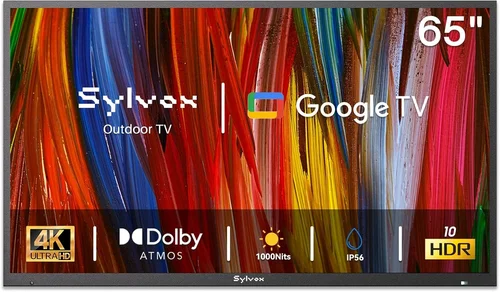
Outdoor sports watching has evolved far beyond gathering around a portable TV on a picnic table or squinting at a tablet under the sun. Today, dedicated outdoor TVs are transforming backyards, patios, and pool decks into immersive entertainment zones where every touchdown, goal, or home run feels larger than life. Whether you’re hosting a Super Bowl party, cheering on your local team during a summer tournament, or simply enjoying a quiet evening under the stars with a live match, having the right outdoor TV can make all the difference. But with so many options flooding the market—from weather-resistant models to ultra-bright displays designed specifically for daylight viewing—choosing the perfect screen can feel overwhelming.
This comprehensive buying guide is designed to cut through the noise and help you make an informed decision tailored to your specific needs. We’ll walk you through every critical factor, from brightness and durability to smart features and budget considerations, so you can confidently invest in an outdoor TV that delivers stunning visuals, reliable performance, and long-term value. Whether you’re a casual viewer or a die-hard sports fan who never misses a game, this guide will equip you with expert insights, real-world comparisons, and practical tips to ensure your outdoor viewing experience is nothing short of spectacular.
The outdoor TV market has matured significantly in recent years, moving from niche, industrial-grade displays to consumer-friendly models that blend high performance with sleek design. Major electronics brands now offer purpose-built outdoor TVs, while third-party enclosures allow indoor TVs to be safely used outside. Innovations in display technology—like quantum dot enhancement, anti-glare coatings, and IP-rated weatherproofing—have made it easier than ever to enjoy crystal-clear sports action in full sunlight or light rain. With options ranging from compact 32-inch screens ideal for small balconies to massive 75-inch+ models perfect for large patios, there’s truly something for every space and budget. In this guide, we’ll explore all these developments and more, giving you the tools to find the ideal outdoor TV for your lifestyle.

What to Look for When Buying Buying Guide
1. Brightness & Display Performance
When it comes to outdoor TVs, brightness isn’t just a nice-to-have—it’s essential. Unlike indoor environments where lighting is controlled, outdoor spaces are subject to direct sunlight, glare, and shifting shadows throughout the day. A standard indoor TV typically peaks at around 300–400 nits of brightness, which is fine for a dimly lit living room but completely inadequate for daytime sports viewing. For outdoor use, you’ll want a display that delivers at least 700 nits, with premium models pushing 1,500 to 2,500 nits or more. This high luminance ensures that colors remain vibrant and details stay sharp even when the sun is shining directly on the screen.
But brightness alone isn’t enough. You also need excellent contrast ratio and color accuracy to bring fast-paced sports action to life. Look for TVs with high dynamic range (HDR) support—especially HDR10, HLG, or Dolby Vision—which enhances the difference between the brightest whites and deepest blacks, making players, uniforms, and field markings pop with realism. Additionally, consider the panel type: OLED offers superior contrast and viewing angles but can be prone to burn-in and may not reach the peak brightness needed for full sun exposure. QLED or high-end LED/LCD panels with full-array local dimming (FALD) often strike the best balance for outdoor sports, delivering both brightness and deep blacks.
Another key aspect is refresh rate. Sports involve rapid motion—think of a baseball pitcher winding up, a soccer player sprinting down the field, or a basketball player driving to the hoop. A low refresh rate can result in motion blur, making it hard to follow the action. Aim for a TV with a native refresh rate of at least 120Hz, and look for motion interpolation or motion smoothing technologies (like TruMotion or Motionflow) that reduce blur without introducing the “soap opera effect” if you prefer a more cinematic look. Some outdoor TVs also include sports-specific picture modes that optimize color temperature, contrast, and motion handling for live broadcasts.
2. Weather Resistance & Build Quality
Outdoor TVs must withstand the elements—rain, snow, dust, humidity, and extreme temperatures—without compromising performance. This is where build quality and weather resistance become non-negotiable. The most reliable outdoor TVs are built with IP (Ingress Protection) ratings, which indicate how well the device resists dust and water. For outdoor use, look for a minimum rating of IP55 (protected against low-pressure water jets and limited dust ingress), though IP65 or higher is ideal for full weatherproofing.
The enclosure material matters too. High-quality outdoor TVs use powder-coated aluminum or stainless steel chassis that resist rust, corrosion, and UV degradation. Avoid plastic-heavy designs, as they can warp or crack under temperature fluctuations. Internal components should also be sealed and protected from condensation, especially in humid climates. Some manufacturers go a step further by using conformal coating on circuit boards to prevent moisture damage.
Temperature tolerance is another critical factor. Outdoor TVs should operate reliably in a wide range of conditions—typically from -30°F to 120°F (-34°C to 49°C). Cheaper models or indoor TVs in enclosures may fail in extreme cold or overheat in direct summer sun. Check the manufacturer’s operating temperature specifications and ensure your TV can handle your local climate. For example, if you live in a region with harsh winters, a TV rated for sub-zero temperatures is a must.
3. Screen Size & Viewing Distance
Choosing the right screen size isn’t just about going bigger—it’s about matching the TV to your space and seating arrangement. A TV that’s too small will force viewers to squint, while one that’s too large can overwhelm a small patio or create uncomfortable viewing angles. As a general rule, the optimal viewing distance is 1.5 to 2.5 times the diagonal screen size. For example, a 55-inch TV is best viewed from 6.9 to 11.5 feet away.
Consider your outdoor setup: Are you placing the TV on a wall above a grill, mounting it under a pergola, or using a freestanding outdoor TV cabinet? Measure the available space and account for bezels, mounting hardware, and ventilation clearance. Also, think about how many people will typically watch at once. A 65-inch screen is ideal for small to medium groups, while 75-inch or larger models are better for larger gatherings or longer viewing distances.
Don’t forget about height placement. Outdoor TVs should be mounted at eye level when seated—typically 42 to 48 inches from the ground to the center of the screen. If mounted too high, viewers may strain their necks; too low, and they’ll miss the action above the fold. Some outdoor TVs come with adjustable tilt mounts or swivel brackets, allowing you to fine-tune the angle for optimal viewing, especially if your seating area isn’t directly in front of the screen.
4. Smart Features & Connectivity
Modern outdoor TVs aren’t just about picture quality—they’re full-fledged smart entertainment hubs. Look for models with built-in Wi-Fi, Bluetooth, and streaming platforms like Roku TV, Google TV, or webOS. These allow you to access live sports apps (ESPN, Fox Sports, DAZN, etc.), on-demand content, and even cast from your phone or tablet without needing an external streaming device.
Voice control is another valuable feature. Integration with Alexa, Google Assistant, or Siri lets you change channels, adjust volume, or search for games using simple voice commands—perfect when your hands are full with snacks or drinks. Some outdoor TVs also support multi-room audio, so you can sync sound with indoor speakers or outdoor soundbars for a seamless experience.
Connectivity options are crucial for flexibility. Ensure your TV has multiple HDMI ports (preferably HDMI 2.1 for 4K/120Hz gaming or sports broadcasts), USB ports for media playback, and an Ethernet port for a stable wired connection. If you plan to connect a soundbar, gaming console, or satellite receiver, having enough inputs is essential. Also, check for compatibility with outdoor-specific accessories like weatherproof HDMI cables or wireless transmitters.
5. Audio Quality & Sound Solutions
While picture quality often takes center stage, audio is equally important for an immersive sports experience. The roar of the crowd, the commentator’s excitement, and the crack of a bat all contribute to the atmosphere. Unfortunately, most outdoor TVs have limited built-in speakers due to space and weatherproofing constraints. Sound can be tinny, quiet, or lack bass, especially in open-air environments where audio dissipates quickly.
To overcome this, consider pairing your outdoor TV with a dedicated sound system. Options include weather-resistant soundbars, outdoor wireless speakers, or even a full outdoor audio setup with in-ground or wall-mounted speakers. Look for systems with IPX5 or higher ratings and Bluetooth or Wi-Fi connectivity for easy pairing. Some outdoor TVs support HDMI ARC or eARC, allowing you to send audio directly to a soundbar or receiver with a single cable.
If you prefer a simpler setup, some high-end outdoor TVs come with enhanced built-in audio—dual speakers with passive radiators or upward-firing drivers that simulate surround sound. While not as powerful as external systems, these can be sufficient for casual viewing in smaller spaces.
6. Installation & Mounting Options
Proper installation is key to both performance and longevity. Outdoor TVs require secure, weatherproof mounting solutions that can withstand wind, vibration, and temperature changes. Wall mounts should be made of corrosion-resistant materials (like stainless steel) and rated for outdoor use. Ceiling mounts or articulating arms offer flexibility for under-cover areas like patios or gazebos.
Consider the TV’s weight and VESA pattern (the standard for mounting holes) when selecting a mount. Most outdoor TVs are heavier than indoor models due to their rugged construction, so ensure your wall or structure can support the load. For freestanding setups, outdoor TV cabinets or enclosures provide protection and mobility, often including ventilation fans, cable management, and lockable doors.
Professional installation is recommended for permanent setups, especially if drilling into exterior walls or running cables through soffits. Many retailers offer installation services, or you can hire a certified technician. DIY installation is possible for simpler setups, but always follow the manufacturer’s guidelines and local building codes.
7. Brand Reputation & Reliability
Not all outdoor TVs are created equal. While many brands offer “outdoor-ready” models, only a few specialize in purpose-built outdoor displays with proven track records. Established names like SunBriteTV, Seura, and Samsung (with their Terrace series) have years of experience engineering TVs for harsh environments. These brands invest in rigorous testing, quality materials, and customer support tailored to outdoor use.
Research brand reputation by reading expert reviews, customer testimonials, and warranty claims. Look for companies with responsive customer service, accessible technical support, and transparent return policies. Avoid unknown brands or generic “weatherproof” enclosures sold online without certifications or support. A reputable brand may cost more upfront, but it often translates to better durability, longer lifespan, and peace of mind.
8. Warranty & Support
Outdoor TVs are a significant investment, so a strong warranty is essential. Most reputable manufacturers offer at least a 2-year warranty, with some extending to 3 or even 5 years. Pay attention to what’s covered: does it include parts, labor, and on-site service? Are accidental damages or weather-related failures included? Some brands offer extended warranties or service plans for an additional fee.
Customer support is equally important. Can you reach a real person quickly? Is there a dedicated support line for outdoor products? Do they provide troubleshooting guides or remote diagnostics? A brand with excellent support can save you time and frustration if issues arise. Also, check if the warranty is transferable—this can add value if you ever sell your home.
Different Types of Buying Guide

Common Buying Mistakes to Avoid
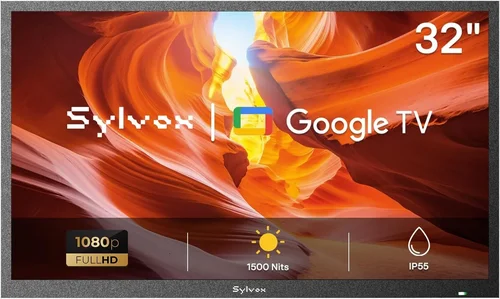
❌ Mistake: Buying an Indoor TV for Outdoor Use Without Protection
Why it’s bad: Indoor TVs are not designed to handle moisture, dust, or temperature extremes. Even brief exposure to rain or humidity can cause internal corrosion, screen fogging, or complete failure. The warranty will likely be voided, and repairs can be costly or impossible.
What to do instead: Either invest in a purpose-built outdoor TV or use a certified outdoor enclosure that provides full weatherproofing, ventilation, and UV protection. Never assume an indoor TV will “last a season” outdoors.
❌ Mistake: Ignoring Brightness Requirements
Why it’s bad: A dim screen turns daytime sports into a blurry, washed-out mess. Viewers will struggle to see details, and the experience will be frustrating, especially during key moments like a penalty kick or a close play at the plate.
What to do instead: Prioritize TVs with at least 700 nits of brightness, and aim for 1,000+ nits if you have direct sunlight. Check reviews for real-world brightness performance, as manufacturer specs can be misleading.
❌ Mistake: Overlooking Audio Needs
Why it’s bad: Poor sound ruins the atmosphere of live sports. Without clear audio, you’ll miss commentary, crowd noise, and sound effects that enhance the excitement.
What to do instead: Plan for external audio from the start. Invest in a weather-resistant soundbar or outdoor speaker system. Test audio quality during the day when ambient noise is highest.
❌ Mistake: Choosing the Wrong Screen Size
Why it’s bad: A TV that’s too small forces viewers to lean in, while one that’s too large can dominate the space and create uncomfortable viewing angles.
What to do instead: Measure your space and calculate the ideal screen size based on viewing distance. Use online screen size calculators and consider seating layout before purchasing.
❌ Mistake: Skimping on Mounting Hardware
Why it’s bad: Cheap or indoor-rated mounts can rust, loosen, or fail under wind load, risking damage to the TV or injury to people below.
What to do instead: Use only outdoor-rated, corrosion-resistant mounts. Ensure they’re compatible with your TV’s weight and VESA pattern. When in doubt, hire a professional installer.
❌ Mistake: Not Considering Power and Cable Management
Why it’s bad: Exposed cables are unsightly, tripping hazards, and vulnerable to weather damage. Running power outdoors without proper protection can be a fire risk.
What to do instead: Use weatherproof conduit, cable raceways, or in-ground wiring. Install outdoor-rated outlets or use a GFCI-protected circuit. Plan cable routes during installation.
❌ Mistake: Ignoring Software and Smart Features
Why it’s bad: A TV with outdated software or limited apps can’t access live sports streams, updates, or voice control, reducing its long-term usability.
What to do instead: Choose a TV with a modern smart platform (Google TV, Roku, etc.) and regular firmware updates. Ensure it supports your favorite sports apps and streaming services.
Budget Guidelines: How Much Should You Spend?
Entry-Level ($500 – $1,200): This tier includes portable outdoor TVs, budget enclosures for indoor TVs, and smaller weather-resistant models. Expect basic weatherproofing (IP54), moderate brightness (500–700 nits), and limited smart features. Ideal for covered patios, camping, or occasional use. Brands like Vankyo, Pyle, and some generic enclosures fall here. While affordable, these may lack durability and long-term reliability.
Mid-Range ($1,200 – $2,500): The sweet spot for most buyers. These TVs offer solid weather resistance (IP55+), high brightness (800–1,500 nits), and full smart functionality. Look for models from SunBriteTV’s Veranda series or Samsung’s Terrace Lite. You’ll get reliable performance, good color accuracy, and decent audio. Perfect for permanent backyard installations with partial sun exposure.
Premium ($2,500 – $5,000): For enthusiasts and serious sports fans. These are purpose-built outdoor TVs with IP65+ ratings, 1,500–2,500+ nits brightness, and advanced features like anti-glare coatings, FALD, and premium sound. Brands like SunBriteTV (Premium series), Seura, and Samsung Terrace dominate this space. They’re built to last 10+ years and perform flawlessly in full sun.
Luxury ($5,000+): Top-tier models with commercial-grade durability, ultra-high brightness (2,500+ nits), and custom installation options. These are often used in luxury homes, resorts, or sports bars. Features may include modular designs, 24/7 operation capability, and integrated control systems. Expect exceptional build quality, extended warranties, and professional installation services.
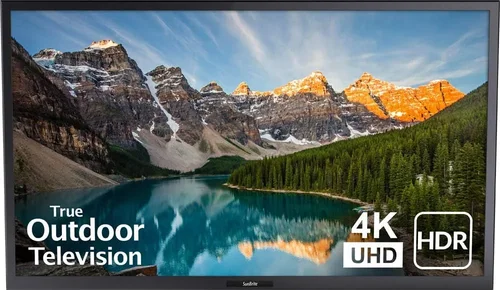
Expert Tips for Getting the Best Deal
1. Buy During Off-Season Sales: Outdoor TVs see peak demand in spring and summer. Shop in late fall or winter (October–February) for discounts of 15–30%. Retailers often clear inventory before new models arrive.
2. Compare Bundles: Some retailers offer packages that include the TV, mount, soundbar, and cables at a reduced rate. These can save $200–$500 compared to buying separately.
3. Check Manufacturer Refurbished Programs: Brands like SunBriteTV and Samsung sell certified refurbished outdoor TVs with full warranties at 20–40% off. These are thoroughly tested and often indistinguishable from new units.
4. Use Price Tracking Tools: Set up alerts on Google Shopping, CamelCamelCamel (for Amazon), or Honey to monitor price drops. Outdoor TVs can fluctuate significantly, especially around holidays.
5. Negotiate with Local Installers: If hiring a professional, ask for package deals on TV + installation. Some technicians have partnerships with brands and can pass on discounts.
6. Read the Fine Print on Warranties: Ensure the warranty covers outdoor use. Some “outdoor” TVs void coverage if installed in direct sunlight or without proper ventilation.
7. Test Before Committing: If possible, visit a showroom or retailer with outdoor displays. Compare brightness, color, and sound in daylight conditions. Online reviews can’t replicate real-world viewing.
8. Consider Future-Proofing: Invest in a TV with HDMI 2.1, Wi-Fi 6, and upgradable software. This ensures compatibility with next-gen consoles, 8K content, and emerging streaming standards.

Frequently Asked Questions
Q: Can I use a regular TV outside if it’s under a covered patio?
A: It depends on the coverage. If the TV is fully protected from rain, snow, and direct sunlight, and the environment stays within 32°F to 95°F, an indoor TV in a quality outdoor enclosure can work. However, humidity, dust, and temperature swings still pose risks. For peace of mind, a purpose-built outdoor TV is always safer.
Q: How do I clean an outdoor TV screen?
A: Use a microfiber cloth and a mild solution of water and isopropyl alcohol (50/50). Never use ammonia-based cleaners like Windex, as they can damage anti-reflective coatings. Power off the TV and gently wipe in circular motions. For the bezel, use a damp cloth and dry immediately.
Q: Will an outdoor TV work in the rain?
A: Yes, if it’s rated IP55 or higher. These TVs are designed to withstand rain, snow, and splashes. However, avoid spraying water directly on the screen or ports. For heavy storms, consider a weatherproof cover or retractable awning.
Q: Do outdoor TVs need special power outlets?
A: Not necessarily, but outdoor outlets should be GFCI-protected to prevent electrical shock. Use a heavy-duty outdoor extension cord if needed, and ensure all connections are weatherproof.
Q: Can I mount an outdoor TV on a brick or stucco wall?
A: Yes, but use appropriate anchors and drill carefully. Masonry requires carbide-tipped bits and expansion anchors. For stucco, avoid over-tightening screws to prevent cracking. When in doubt, consult a professional.
Q: How long do outdoor TVs last?
A: High-quality outdoor TVs can last 8–12 years or more with proper care. Cheaper models or indoor TVs in enclosures may last 3–5 years. Regular maintenance, like cleaning vents and checking seals, extends lifespan.
Q: Are outdoor TVs energy efficient?
A: Most modern outdoor TVs use LED backlighting and energy-saving modes. Look for ENERGY STAR certification. While they consume more power than indoor TVs due to higher brightness, efficient models minimize the difference.
Q: Can I use a projector instead of an outdoor TV for sports?
A: Yes, but projectors require darkness for optimal image quality. They’re great for evening games but struggle in daylight. Also, setup is more complex, and brightness (measured in lumens) must be very high (3,000+ lumens) for daytime use.
Q: Do outdoor TVs come with remotes that work in the sun?
A: Most use standard IR remotes, which can be hard to use in bright light. Some models include RF remotes or smartphone apps for better reliability. Consider a remote with backlighting or voice control for easier use.
Q: What’s the difference between SunBriteTV and Samsung Terrace?
A: SunBriteTV specializes exclusively in outdoor TVs with rugged, weatherproof designs and high brightness. Samsung Terrace offers a more consumer-friendly design with smart features and sleek aesthetics. Both are excellent, but SunBriteTV is often preferred for extreme conditions, while Samsung excels in integration and ease of use.
Our Final Recommendations
Best for Budget-Conscious Buyers: Vankyo Outdoor TV Enclosure with 55″ 4K TV – A cost-effective solution for covered patios. Includes a weatherproof case, cooling fan, and 4K display. Great for occasional use under a roof.
Best Overall Value: SunBriteTV Veranda Series 65″ – Combines excellent brightness (1,000 nits), IP55 rating, and Roku smart platform at a reasonable price. Ideal for most backyard setups.
Best Premium Option: Samsung The Terrace 75″ – Stunning 4K QLED display, 2,000 nits brightness, and seamless smart integration. Perfect for luxury patios with full sun exposure.
Best for Beginners: Seura 55″ Outdoor TV – Easy setup, reliable performance, and excellent customer support. Comes with a comprehensive warranty and installation guide.
Best for Advanced Users: SunBriteTV Pro Series 86″ – Commercial-grade durability, 2,500+ nits brightness, and modular design. Built for 24/7 operation in extreme conditions.
Conclusion: Making the Right Choice
Choosing the right outdoor TV for sports watching is about more than just picture quality—it’s about creating an experience that brings people together, rain or shine. From brightness and weather resistance to smart features and audio, every detail matters when you’re trying to catch every play under the open sky. By understanding your space, budget, and viewing habits, you can find a TV that not only meets your needs today but lasts for years of unforgettable game days.
Remember, the best outdoor TV isn’t necessarily the biggest or most expensive—it’s the one that fits your lifestyle and delivers consistent performance in your specific environment. Take the time to research, compare, and plan your setup carefully. And don’t hesitate to invest in quality; a well-chosen outdoor TV can transform your backyard into the ultimate sports destination.
So whether you’re hosting a championship watch party or enjoying a quiet evening with your favorite team, make sure your TV is up to the challenge. With the insights from this guide, you’re now equipped to make a confident, informed decision. Now go ahead—mount that screen, fire up the grill, and get ready to cheer louder than ever before.

