
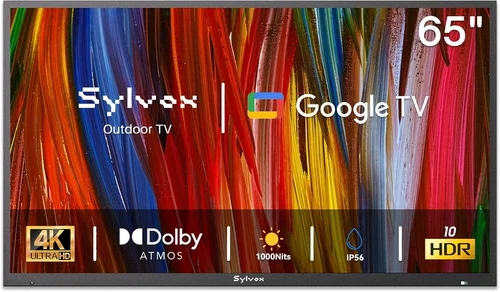
Outdoor living has evolved dramatically over the past decade, and nowhere is this more evident than in coastal homes. With expansive decks, oceanfront patios, and year-round mild weather, homeowners in beachfront communities are increasingly transforming their outdoor spaces into fully functional entertainment zones. At the heart of this transformation? The outdoor TV. But not just any TV will do—especially when salt air, humidity, sand, and intense sun exposure become daily challenges. Choosing the right outdoor television for a coastal environment isn’t just about picture quality or smart features; it’s about survival. A standard indoor TV mounted outside will fail within months—or even weeks—when exposed to the harsh realities of seaside living.
That’s why this comprehensive buying guide exists. Whether you’re installing a screen by the pool, mounting one under a covered porch, or building a full outdoor media wall, you need expert-level insight to make a smart, long-lasting investment. In this guide, we’ll walk you through every critical factor—from weather resistance and brightness to build materials and warranty coverage—so you can confidently select an outdoor TV that thrives in your coastal home. We’ll compare top models, debunk common myths, highlight budget-friendly options, and share pro tips to help you avoid costly mistakes. By the end, you’ll know exactly what to look for, what to avoid, and how to get the best value for your money.
The market for outdoor TVs has grown significantly, driven by advances in display technology and increasing demand for outdoor entertainment. Major brands like Samsung, LG, Sony, and specialized manufacturers such as SunBriteTV, Seura, and Peerless have stepped up with purpose-built models designed to withstand extreme conditions. However, not all “outdoor” TVs are created equal—especially when it comes to coastal environments. Salt corrosion, high humidity, and UV exposure require specialized engineering that goes far beyond simply weatherproofing an indoor model. This guide cuts through the marketing noise and delivers actionable, research-backed advice tailored specifically for homeowners in seaside locations. Whether you’re in Miami, San Diego, the Outer Banks, or the Mediterranean coast, the principles outlined here will apply.

What to Look for When Buying Buying Guide
1. Weather Resistance & IP Rating
When it comes to outdoor TVs for coastal homes, weather resistance isn’t optional—it’s essential. Coastal environments are among the most demanding on electronics due to constant exposure to salt air, high humidity, sand, and intense sunlight. A TV that can’t handle these elements will corrode, fog up, or fail prematurely. The first thing to check is the TV’s Ingress Protection (IP) rating, which indicates how well the unit resists dust and moisture. For coastal use, look for a minimum IP55 rating, but ideally IP65 or higher. IP65 means the TV is dust-tight and protected against water jets from any direction—perfect for rainy coastal storms or salt spray.
Beyond the IP rating, consider the internal components. Coastal-grade outdoor TVs often feature conformal coating on circuit boards to prevent corrosion from salt air. They also use stainless steel or powder-coated aluminum enclosures that resist rust. Avoid models with plastic housings or non-coated metals, as these will degrade quickly near the ocean. Additionally, check if the TV is rated for continuous outdoor use—some “weather-resistant” models are only meant for temporary exposure, not year-round installation.
2. Brightness & Anti-Glare Performance
One of the biggest challenges with outdoor TVs is visibility in bright sunlight. Standard indoor TVs typically peak at 300–500 nits of brightness, which is barely visible under direct sun. For outdoor use—especially in open coastal areas with reflective sand and water—you need a TV with at least 700 nits, but ideally 1,000 nits or more. High brightness ensures the image remains clear and vibrant even at noon on a sunny beach day.
Equally important is anti-glare technology. Coastal homes often have large windows, glass railings, and reflective surfaces that can create blinding glare on screens. Look for TVs with matte or anti-reflective coatings that diffuse light rather than reflecting it. Some premium models use optical bonding—a process where the glass is fused directly to the LCD panel—to reduce internal reflections and improve clarity in bright conditions. This technology also helps prevent fogging and moisture buildup between layers.
Another factor is viewing angle. Coastal entertainment often involves groups sitting at various angles—on lounge chairs, benches, or standing. A TV with wide viewing angles (178 degrees or more) ensures everyone gets a clear picture without color distortion or brightness loss.
3. Build Quality & Durability
Durability is non-negotiable for coastal outdoor TVs. Salt air is highly corrosive and can eat through standard electronics in months. The best outdoor TVs are built with marine-grade materials and rugged construction. Look for enclosures made from aluminum alloys (like 6063-T5) that are both lightweight and resistant to oxidation. Stainless steel hardware—screws, brackets, and hinges—should be standard, preferably grade 316, which is specifically designed for marine environments.
Internal components should also be protected. High-end models use sealed cooling systems that prevent salt-laden air from entering the chassis. Passive cooling (no fans) is ideal, as fans can suck in moisture and debris. Additionally, the TV should be able to operate in a wide temperature range—typically from -30°F to 120°F—to handle both winter chills and summer heat waves common in coastal regions.
Don’t forget about the mounting system. Coastal winds can be fierce, so the TV must be securely anchored. Look for VESA-compatible mounts rated for outdoor use, with reinforced brackets and anti-tilt features. Some manufacturers offer proprietary mounting solutions designed specifically for their outdoor models.
4. Display Technology & Picture Quality
While durability is critical, you still want a TV that delivers excellent picture quality. Most outdoor TVs use LCD panels with LED backlighting, but there are key differences in technology. For coastal homes, full-array local dimming (FALD) is highly recommended. This technology improves contrast by dimming specific zones of the backlight, resulting in deeper blacks and better performance in both bright and shadowed areas—ideal for watching movies at dusk or sports during the day.
OLED TVs, while offering superior contrast and color, are generally not recommended for outdoor use due to their susceptibility to burn-in and lower peak brightness. However, some newer outdoor models are beginning to incorporate OLED with enhanced brightness and protective coatings, so keep an eye on emerging options.
Resolution is another consideration. 4K UHD (3840 x 2160) is the standard for modern outdoor TVs and provides sharp, detailed images even on large screens. For screens over 65 inches, 4K is essential to maintain clarity at typical viewing distances. HDR (High Dynamic Range) support—especially HDR10 and Dolby Vision—enhances color and contrast, making content pop in outdoor lighting.
5. Smart Features & Connectivity
Today’s outdoor TVs aren’t just displays—they’re smart entertainment hubs. Most come with built-in streaming platforms like Roku, Android TV, or webOS, allowing you to access Netflix, YouTube, Disney+, and more without external devices. This is especially useful in outdoor settings where running cables can be challenging.
Connectivity options are equally important. Look for multiple HDMI ports (at least 3), USB inputs, and wireless capabilities like Wi-Fi and Bluetooth. Some models include weatherproof cable ports with rubber gaskets to prevent moisture ingress. For coastal homes with outdoor sound systems, optical audio output or HDMI ARC can simplify audio routing.
Voice control is becoming standard, with support for Alexa, Google Assistant, or Siri. This allows hands-free operation, which is convenient when you’re lounging by the pool or cooking on the grill. However, ensure the microphone and speakers are protected from the elements—some models feature sealed voice modules.
6. Size & Placement Considerations
Choosing the right screen size depends on your viewing distance and installation location. For most coastal patios and decks, a 55-inch to 75-inch TV is ideal. Use this rule of thumb: multiply the screen size (in inches) by 1.5 to get the minimum viewing distance, and by 2.5 for the maximum. For example, a 65-inch TV should be viewed from 8 to 13 feet away.
Placement is crucial. Avoid direct sun exposure if possible—mount the TV under a covered area like a pergola, gazebo, or roof overhang. If full shade isn’t available, consider a TV with a sunshade or anti-glare hood. Also, ensure the TV is mounted at a comfortable viewing height, typically 42 to 60 inches from the ground to the center of the screen.
Portability may be a factor if you plan to move the TV seasonally or between locations. Some outdoor TVs are designed to be wall-mounted only, while others come with optional stands or mobile carts. However, for permanent coastal installations, fixed mounting is usually preferred for stability and security.
7. Brand Reputation & Specialization
Not all TV brands are created equal when it comes to outdoor performance. While Samsung and LG make excellent indoor TVs, their outdoor offerings are often limited or adapted from indoor models. For coastal homes, specialized brands like SunBriteTV, Seura, and Peerless are worth considering. These companies focus exclusively on outdoor displays and have extensive experience with harsh environments.
SunBriteTV, for example, offers models with verified IP55 ratings, 1,000+ nits brightness, and full outdoor warranties. Seura specializes in outdoor TVs with integrated soundbars and elegant designs that blend with outdoor décor. Peerless provides rugged, commercial-grade solutions ideal for high-traffic coastal areas.
Research customer reviews and look for real-world feedback from coastal users. Brands that offer extended warranties (3–5 years) and responsive customer support are more likely to stand behind their products in challenging conditions.
8. Warranty & Support
A strong warranty is a sign of confidence in product durability—especially for outdoor electronics. Standard indoor TVs typically come with 1-year warranties, but outdoor models should offer at least 2–3 years, with some premium brands providing up to 5 years. Check what the warranty covers: does it include salt corrosion, moisture damage, or power surges from coastal storms?
Also, consider the availability of local service and support. If your TV fails, you don’t want to wait weeks for a repair. Brands with regional service centers or partnerships with local installers offer faster turnaround. Some manufacturers even provide on-site service for high-end models.
Different Types of Buying Guide

Common Buying Mistakes to Avoid
❌ Mistake: Buying an Indoor TV and Putting It Outside
Why it’s bad: Indoor TVs are not designed for outdoor conditions. They lack weatherproofing, corrosion resistance, and sufficient brightness. In coastal environments, salt air will quickly damage internal components, leading to fogging, corrosion, and complete failure within weeks or months. Additionally, indoor TVs often have glossy screens that reflect sunlight, making them nearly unwatchable outdoors.
What to do instead: Invest in a purpose-built outdoor TV with verified weather resistance, high brightness, and coastal-grade materials. Even if it costs more upfront, it will last years longer and save you from repeated replacements.
❌ Mistake: Ignoring the IP Rating
Why it’s bad: The IP rating tells you exactly how well a TV can resist dust and water. A TV labeled “weather-resistant” without a clear IP rating may only be splash-proof, not suitable for coastal storms or salt spray. Without a proper rating, you’re gambling with your investment.
What to do instead: Always check the IP rating. For coastal homes, aim for IP55 (dust protected, water jet resistant) or higher. IP65 is ideal for full outdoor exposure.
❌ Mistake: Overlooking Brightness Requirements
Why it’s bad: A TV with low brightness (under 700 nits) will appear washed out in sunlight, especially on bright coastal days. You’ll struggle to see the screen, defeating the purpose of having an outdoor TV.
What to do instead: Choose a TV with at least 1,000 nits of brightness and anti-glare coating. Test the TV in similar lighting conditions if possible, or read reviews from users in sunny locations.
❌ Mistake: Choosing the Wrong Size for the Space
Why it’s bad: A TV that’s too small will be hard to see from a distance, while one that’s too large can overwhelm the space and cause eye strain. In open coastal areas, improper sizing reduces enjoyment and value.
What to do instead: Use the 1.5x to 2.5x rule for viewing distance. Measure your space and consider seating arrangements before buying. When in doubt, go slightly larger—outdoor viewing often benefits from bigger screens.
❌ Mistake: Skimping on the Mounting System
Why it’s bad: A weak or incompatible mount can lead to instability, especially in coastal winds. Poor installation may void the warranty or cause the TV to fall, creating safety hazards.
What to do instead: Use a VESA-compatible outdoor mount rated for your TV’s size and weight. Have it installed by a professional, especially in high-wind areas. Consider anti-tilt and locking features for security.
❌ Mistake: Not Checking Warranty Coverage
Why it’s bad: Outdoor TVs are expensive, and repairs can be costly. A short or limited warranty may not cover salt corrosion, moisture damage, or power surges—common issues in coastal homes.
What to do instead: Choose a model with a comprehensive warranty (3+ years) that explicitly covers outdoor use and environmental damage. Register the product and keep all documentation.
❌ Mistake: Forgetting About Audio
Why it’s bad: Outdoor environments have ambient noise—waves, wind, birds—that can drown out TV audio. Relying on the TV’s built-in speakers often results in poor sound quality.
What to do instead: Pair your outdoor TV with weatherproof speakers or a soundbar. Many outdoor TVs support wireless audio or have optical outputs for external systems.
Budget Guidelines: How Much Should You Spend?
Entry-Level ($800 – $1,500): These are typically partial-shade or convertible models suitable for covered patios or temporary use. They offer basic weather resistance (IP54), 700–1,000 nits brightness, and standard smart features. Ideal for budget-conscious buyers who don’t need full outdoor exposure. Examples include certain SunBriteTV Veranda series models.
Mid-Range ($1,500 – $3,000): This is the sweet spot for most coastal homeowners. These TVs offer full weather resistance (IP55 or higher), 1,000+ nits brightness, anti-glare screens, and robust build quality. They often include smart platforms, multiple HDMI ports, and 3-year warranties. Models like the SunBriteTV Pro Series or Seura Outdoor TVs fall into this category.
Premium ($3,000 – $5,000): Designed for enthusiasts and high-end installations, these TVs feature top-tier brightness (1,500+ nits), advanced cooling, integrated sound, and elegant designs. They’re built for 24/7 operation and extreme conditions. Perfect for luxury coastal homes or commercial use.
Luxury ($5,000+): These are commercial-grade or custom-built displays with military-grade durability, 4K HDR, and professional installation support. They’re ideal for resorts, beach clubs, or homeowners who want the absolute best. Expect features like optical bonding, fanless cooling, and 5-year warranties.
Expert Tips for Getting the Best Deal
1. Buy During Off-Season: Outdoor TVs are in highest demand during spring and summer. Shop in late fall or winter (October–February) for discounts of 15–30%. Many retailers clear inventory before the new season.
2. Compare Retailers: Don’t just check big-box stores. Specialty outdoor electronics retailers often offer better warranties, installation services, and expert advice. Online marketplaces like Amazon may have competitive pricing, but verify seller reputation.
3. Look for Bundles: Some brands offer TV + mount + soundbar packages at a discount. These can save $200–$500 compared to buying separately.
4. Negotiate Installation: If you’re hiring a professional, ask for package deals. Many installers offer discounts when bundling TV mounting, cable management, and audio setup.
5. Check for Rebates: Some manufacturers offer mail-in rebates or seasonal promotions. Sign up for newsletters to stay informed.
6. Read Real User Reviews: Focus on reviews from coastal users. Look for mentions of salt air, humidity, and long-term performance. Avoid reviews that only discuss picture quality without environmental context.
7. Test Before You Buy: If possible, visit a showroom or dealer that displays outdoor TVs in real conditions. See how they perform in bright light and check build quality firsthand.
8. Consider Refurbished Models: Certified refurbished outdoor TVs from reputable sellers can offer significant savings (20–40% off) with full warranties. Ensure they’re inspected and come with a return policy.

Frequently Asked Questions
Q: Can I use a regular TV outdoors if I cover it?
A: No. Even with a cover, indoor TVs lack the necessary weatherproofing, corrosion resistance, and brightness for outdoor use. Covers can trap moisture and create condensation, accelerating damage. Only purpose-built outdoor TVs are designed for continuous exposure.
Q: How do I protect my outdoor TV from salt air?
A: Choose a TV with a high IP rating (IP55 or higher), stainless steel hardware, and conformal coating on internal components. Install it under cover when possible, and consider a protective sunshade. Regular cleaning with fresh water can also help remove salt residue.
Q: Do outdoor TVs need special mounting?
A: Yes. Use a VESA-compatible outdoor mount rated for your TV’s size and weight. Ensure it’s anchored securely to withstand coastal winds. Professional installation is recommended.
Q: Can I leave my outdoor TV on all the time?
A: Most outdoor TVs are designed for 24/7 operation, but it’s best to turn them off when not in use to extend lifespan. Use a smart plug or timer to automate power cycles.
Q: Are outdoor TVs energy efficient?
A: Modern outdoor TVs use LED backlighting and efficient processors, making them comparable to indoor models in energy use. Look for ENERGY STAR certification for lower operating costs.
Q: What’s the difference between partial-shade and full-outdoor TVs?
A: Partial-shade models are for covered areas and may have lower brightness and less robust weatherproofing. Full-outdoor TVs are sealed, corrosion-resistant, and built for direct exposure to sun, rain, and salt air.
Q: Can I stream content on an outdoor TV?
A: Yes. Most outdoor TVs come with built-in smart platforms (Roku, Android TV, etc.) and Wi-Fi connectivity, allowing seamless streaming from Netflix, YouTube, and other services.
Q: How long do outdoor TVs last?
A: With proper installation and maintenance, a quality outdoor TV can last 7–10 years or more in coastal environments. Lower-quality models may fail within 2–3 years.
Q: Do I need a sound system for my outdoor TV?
A: While built-in speakers are improving, external weatherproof speakers or a soundbar are recommended for better audio quality in noisy outdoor settings.
Q: Can I install an outdoor TV myself?
A: If you’re experienced with mounting and wiring, yes—but professional installation is strongly advised, especially for permanent setups in high-wind or corrosive areas.
Our Final Recommendations
Best for Budget-Conscious Buyers: SunBriteTV Veranda Series (55″ 4K) – Offers excellent value with IP55 rating, 1,000 nits brightness, and Roku built-in. Ideal for covered patios under $2,000.
Best Overall Value: Seura Outdoor TV (65″ 4K) – Combines sleek design, integrated soundbar, and full weather resistance. Perfect balance of performance and aesthetics for $2,800.
Best Premium Option: SunBriteTV Pro Series (75″ 4K) – Built for extreme conditions with 1,500 nits brightness, optical bonding, and fanless cooling. Top choice for luxury coastal homes at $4,200.
Best for Beginners: Peerless Outdoor TV (55″ 4K) – Simple setup, reliable performance, and strong warranty. Great for first-time buyers at $2,200.
Best for Advanced Users: Samsung The Terrace (65″ 4K) – High-end smart features, Dolby Vision, and commercial-grade durability. Ideal for tech-savvy homeowners at $3,500.
Conclusion: Making the Right Choice
Choosing the right outdoor TV for your coastal home is about more than just entertainment—it’s about investing in a product that can withstand the unique challenges of seaside living. From salt corrosion and high humidity to intense sunlight and strong winds, every element must be considered. By prioritizing weather resistance, brightness, build quality, and warranty coverage, you can ensure your outdoor TV delivers years of reliable performance.
Remember, the cheapest option is rarely the best long-term value. A purpose-built outdoor TV may cost more upfront, but it will save you money, hassle, and frustration down the line. Use the guidelines, comparisons, and expert tips in this guide to make an informed decision that matches your budget, space, and lifestyle.
Whether you’re watching the sunset with family, hosting a beachside movie night, or catching the big game by the pool, the right outdoor TV will enhance your coastal living experience. Take your time, do your research, and choose wisely. Your perfect outdoor entertainment setup is within reach.

