
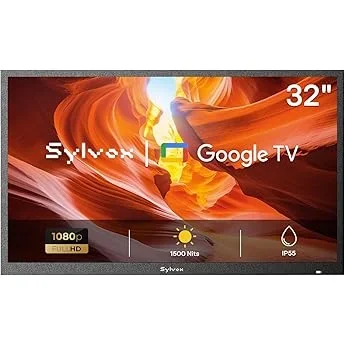
Outdoor living spaces have evolved far beyond simple patios and balconies. Today’s homeowners and apartment dwellers treat these areas as extensions of their indoor living rooms—complete with comfortable seating, ambient lighting, and yes, even televisions. Whether you’re hosting a summer barbecue, enjoying a quiet evening under the stars, or catching the big game with friends, an outdoor TV can elevate your experience significantly. But choosing the right one isn’t as simple as picking up any old flat-screen from your local electronics store. Outdoor environments present unique challenges: intense sunlight, humidity, temperature swings, dust, and even pests. A standard indoor TV simply won’t cut it.
That’s where this comprehensive buying guide comes in. We’ve researched, tested, and analyzed the latest outdoor TV models available in 2026 to help you make an informed decision tailored to your specific needs. Whether you’re working with a compact balcony in a city apartment or a sprawling backyard patio, we’ll walk you through everything you need to know—from critical performance specs to weatherproofing standards, budget considerations, and brand reliability. By the end of this guide, you’ll not only understand what makes an outdoor TV different from its indoor counterpart but also be equipped to choose the perfect model for your space, lifestyle, and viewing habits.
The market for outdoor TVs has matured considerably over the past few years. Once dominated by a handful of niche manufacturers offering bulky, expensive units, today’s options include sleek, modern designs from both specialized outdoor brands and mainstream electronics companies expanding into all-weather entertainment. Prices have become more accessible, features have improved dramatically, and installation flexibility has increased. Yet despite these advancements, many buyers still struggle with confusion around key terms like “weatherproof,” “brightness levels,” or “IP ratings.” This guide cuts through the marketing noise and delivers clear, actionable advice based on real-world use cases, expert testing, and consumer feedback. Our goal is simple: to ensure you invest in a TV that delivers stunning picture quality, stands up to the elements, and provides years of reliable service—without overspending or compromising on essential features.
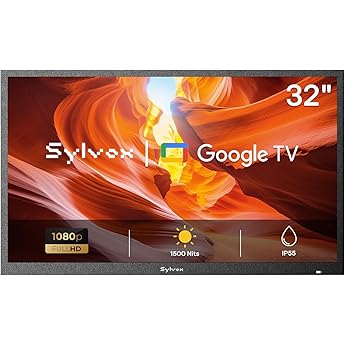
What to Look for When Buying Buying Guide
1. Weather Resistance & IP Rating
When it comes to outdoor TVs, weather resistance isn’t just a nice-to-have—it’s non-negotiable. Unlike indoor models, outdoor TVs must withstand rain, snow, dust, UV exposure, and extreme temperatures without failing prematurely. The most reliable way to assess a TV’s durability is by checking its Ingress Protection (IP) rating. This two-digit code indicates how well the device resists solids (like dust) and liquids (like water). For outdoor use, look for a minimum IP55 rating—this means the TV is protected against low-pressure water jets from any direction and limited dust ingress. However, if you live in a region with heavy rainfall, coastal humidity, or frequent storms, aim for IP65 or higher. An IP65-rated TV is dust-tight and can handle water projected from a nozzle, making it ideal for most patios and covered balconies.
Beyond the IP rating, examine the materials used in the TV’s construction. High-quality outdoor TVs typically feature powder-coated aluminum or stainless-steel chassis that resist rust and corrosion. Avoid plastic-heavy builds, especially in coastal or high-humidity areas, as they can degrade over time. Also, check whether the ventilation system is designed to prevent condensation buildup—a common issue in humid climates. Some premium models include internal heaters or fans that activate during temperature fluctuations to maintain optimal operating conditions. Finally, always verify that the TV is specifically labeled for outdoor use. Many retailers sell “outdoor-ready” indoor TVs with external enclosures, but these often lack the integrated engineering needed for true all-weather performance.
2. Brightness & Anti-Glare Technology
One of the biggest challenges with outdoor TVs is maintaining a clear, vibrant picture in bright daylight. Standard indoor TVs typically output between 300–500 nits of brightness—fine for a dimly lit living room but nearly invisible under direct sun. Outdoor TVs, by contrast, need significantly higher brightness levels to combat ambient light. For partial shade or covered patios, a minimum of 700 nits is recommended. If your viewing area receives direct sunlight for part of the day, look for models with 1,000 nits or more. Premium outdoor TVs now offer up to 2,500 nits, ensuring crisp visibility even at midday.
But brightness alone isn’t enough. Glare from sunlight reflecting off the screen can ruin the viewing experience. That’s why top-tier outdoor TVs incorporate anti-glare coatings and optically bonded glass. Optically bonded displays fuse the LCD panel directly to the outer glass layer, eliminating the air gap that causes reflections and improving contrast. This technology also enhances color accuracy and reduces parallax distortion when viewed from an angle—perfect for group gatherings. Additionally, some models feature adaptive brightness sensors that automatically adjust screen luminance based on ambient light conditions, conserving energy while optimizing visibility. When comparing models, don’t just focus on peak brightness—look for real-world reviews that test performance in actual outdoor settings.
3. Display Technology & Picture Quality
While brightness and weatherproofing are critical, you still want an outdoor TV that delivers excellent picture quality. In 2026, most outdoor TVs use either LED-LCD or QLED panels, with OLED remaining rare due to concerns about burn-in and sensitivity to moisture. LED-LCD remains the most common choice, offering solid color reproduction, good contrast, and energy efficiency. QLED (Quantum Dot LED) models, however, provide richer colors, deeper blacks, and wider color gamuts—making them ideal for movie nights or sports viewing under the stars.
Resolution is another key factor. Full HD (1080p) may suffice for smaller screens (under 43 inches), but for anything larger, 4K UHD is strongly recommended. With 4K, you’ll enjoy sharper details, smoother motion, and better compatibility with modern streaming services and gaming consoles. HDR (High Dynamic Range) support is also essential—look for HDR10, HLG, or Dolby Vision compatibility to get the most out of your content. Keep in mind that HDR performance depends heavily on peak brightness, so pairing a high-nit display with robust HDR processing yields the best results.
Refresh rate matters too, especially if you plan to watch fast-paced sports or play video games. A 60Hz panel is adequate for casual viewing, but 120Hz models deliver smoother motion and reduced blur during action sequences. Some outdoor TVs now include variable refresh rate (VRR) technology, which syncs the screen’s refresh rate with the output of your gaming console or PC—eliminating screen tearing and stuttering. If picture quality is a top priority, prioritize QLED or high-end LED-LCD models with 4K HDR, high brightness, and advanced motion handling.
4. Audio Performance & Speaker Quality
It’s easy to overlook audio when shopping for an outdoor TV, but sound quality can make or break your outdoor entertainment experience. Unlike indoor rooms, open-air spaces don’t contain sound—it dissipates quickly, making built-in speakers often insufficient. Most outdoor TVs come with basic stereo speakers (typically 10–20 watts), which may struggle to fill a medium-sized patio, let alone a large backyard.
If you’re serious about audio, consider models with enhanced speaker systems—some premium outdoor TVs now include upward-firing drivers, subwoofer outputs, or even integrated soundbars. Alternatively, plan to pair your TV with external outdoor speakers or a weather-resistant soundbar. Look for TVs with optical audio output, HDMI ARC, or Bluetooth connectivity to easily connect external audio gear. Some models even support multi-room audio synchronization, allowing you to stream music to other outdoor speakers around your property.
Another consideration is wind noise. On breezy days, even powerful speakers can be drowned out. Positioning your TV and speakers strategically—such as near walls or under eaves—can help direct sound toward your seating area. For ultimate flexibility, choose a TV with robust audio output options and plan your audio setup from day one.
5. Smart Features & Connectivity
Modern outdoor TVs are more than just displays—they’re full-fledged smart entertainment hubs. In 2026, nearly all outdoor models come equipped with built-in Wi-Fi, streaming apps (like Netflix, YouTube, Disney+, and Amazon Prime Video), and voice control via Alexa, Google Assistant, or proprietary systems. This eliminates the need for external streaming devices and simplifies setup.
When evaluating smart features, check the operating system. Roku TV, Android TV, and webOS are popular choices, each with its own app ecosystem and user interface. Roku is known for its simplicity and broad app support, while Android TV offers deeper customization and Google integration. WebOS (used by LG) provides smooth navigation and excellent smart home compatibility. Ensure the TV supports the latest Wi-Fi standards (Wi-Fi 6 or 6E) for faster, more reliable streaming, especially if multiple devices will be connected simultaneously.
Connectivity ports are equally important. Look for multiple HDMI 2.1 inputs (for gaming consoles, Blu-ray players, or set-top boxes), USB ports for media playback, and Ethernet for wired internet connections. Some models include RS-232 or IP control ports for integration with home automation systems—ideal for tech-savvy users who want to control their TV via smart home hubs. Also, verify that the TV supports the latest audio/video formats, including eARC for high-quality audio passthrough.
6. Installation & Mounting Flexibility
Outdoor TVs require specialized mounting solutions that account for weather exposure, ventilation, and viewing angles. Most models are VESA-compatible, allowing you to use standard wall or ceiling mounts—but always confirm compatibility before purchasing. For balconies or small patios, consider ultra-thin profiles and low-weight designs that won’t overwhelm your space.
Weatherproof mounts are a must. Look for powder-coated or galvanized steel brackets rated for outdoor use. Tilt and swivel mounts offer added flexibility, enabling you to adjust the screen angle to reduce glare or accommodate different seating arrangements. If you’re mounting on a concrete wall or brick surface, ensure you have the proper anchors and tools—or hire a professional installer.
Cable management is another often-overlooked detail. Outdoor TVs should use weather-resistant cables and conduit to protect wiring from moisture and UV damage. Some manufacturers offer integrated cable channels or hidden compartments to keep everything tidy. For renters or those who move frequently, portable outdoor TVs with stands or wheels provide a great alternative to permanent installations.
7. Brand Reputation & Reliability
Not all outdoor TV brands are created equal. While mainstream brands like Samsung, LG, and Sony have entered the outdoor market, specialized manufacturers such as SunBriteTV, Seura, and SkyVue continue to lead in durability and performance. These companies design their products from the ground up for outdoor use, incorporating rigorous testing for temperature extremes, humidity, and UV resistance.
When researching brands, look beyond marketing claims. Check independent reviews, customer testimonials, and third-party certifications (like UL Listed for outdoor electronics). Brands with a proven track record in commercial or hospitality installations (e.g., hotels, restaurants) often deliver more reliable products. Also, consider the availability of replacement parts and service centers in your area—especially important for long-term ownership.
Avoid “outdoor enclosures” sold by third-party vendors that house indoor TVs. While cheaper upfront, these setups often lack proper ventilation, suffer from overheating, and void the original TV’s warranty. True outdoor TVs are engineered as complete systems, not afterthoughts.
8. Warranty & Customer Support
Given the harsh conditions outdoor TVs endure, a strong warranty is essential. Most reputable brands offer 2–3 years of coverage, with some extending to 5 years for premium models. Pay close attention to what’s covered: does the warranty include labor, parts, and on-site service? Is accidental damage or corrosion included? Some manufacturers offer extended warranties or service plans for an additional fee.
Customer support quality varies widely. Look for brands with responsive technical support, detailed installation guides, and accessible repair services. Online communities and forums can also be valuable resources for troubleshooting and tips. Before buying, test the support process—send an email or call customer service to gauge response time and helpfulness.
A solid warranty and reliable support can save you hundreds in repair costs and downtime, making it a critical factor in your decision.
Different Types of Buying Guide

Common Buying Mistakes to Avoid
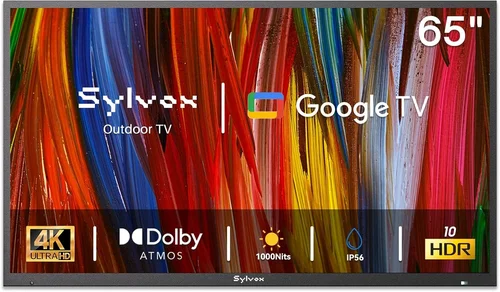
❌ Mistake: Buying an Indoor TV for Outdoor Use
Why it’s bad: Indoor TVs lack the necessary weatherproofing, brightness, and thermal management for outdoor environments. They can overheat, suffer moisture damage, or fail within months—even under cover. Most manufacturers void warranties if used outdoors.
What to do instead: Invest in a TV specifically designed for outdoor use. If budget is tight, consider a partial-shade model or a reputable enclosure system—but never assume an indoor TV will survive outside.
❌ Mistake: Ignoring Brightness Requirements
Why it’s bad: A dim screen turns your outdoor movie night into a squint-fest. Without sufficient brightness, colors wash out and details disappear in daylight.
What to do instead: Match brightness to your environment: 700+ nits for shade, 1,000+ nits for partial sun, and 2,000+ nits for full sun. Always check real-world reviews—not just spec sheets.
❌ Mistake: Overlooking Audio Needs
Why it’s bad: Built-in speakers rarely project well in open spaces. You’ll end up turning the volume to max, which can distort sound and drain power.
What to do instead: Plan for external audio from the start. Pair your TV with weather-resistant speakers or a soundbar. Use Bluetooth or optical outputs for seamless integration.
❌ Mistake: Skimping on Mounting Hardware
Why it’s bad: Standard indoor mounts aren’t built for wind, rain, or temperature changes. A poorly mounted TV can fall, causing injury or damage.
What to do instead: Use certified outdoor mounts with corrosion-resistant coatings. For concrete or brick, hire a professional installer to ensure secure anchoring.
❌ Mistake: Not Checking Warranty Coverage
Why it’s bad: Outdoor TVs face harsher conditions than indoor models. A weak warranty leaves you vulnerable to costly repairs.
What to do instead: Choose brands with at least a 2-year warranty covering outdoor use. Read the fine print—some exclude corrosion or accidental damage.
❌ Mistake: Assuming All “Outdoor” TVs Are Equal
Why it’s bad: Marketing terms like “weather-resistant” or “outdoor-ready” can be misleading. Some products are barely suitable for covered porches.
What to do instead: Verify IP ratings, brightness, and build materials. Stick to brands with proven outdoor expertise and third-party certifications.
❌ Mistake: Neglecting Future-Proofing
Why it’s bad: Technology evolves quickly. A TV without 4K, HDR, or smart features may feel outdated in just a few years.
What to do instead: Prioritize models with modern connectivity (HDMI 2.1, Wi-Fi 6), streaming capabilities, and upgradeable software. Think long-term value, not just upfront cost.
Budget Guidelines: How Much Should You Spend?
Entry-Level ($800–$1,500): These are typically partial-shade models or indoor TVs in basic enclosures. Expect 43–55-inch screens, 700–1,000 nits brightness, and limited smart features. Best for covered balconies or occasional use. Brands like TCL and Hisense offer budget-friendly options, but durability may be compromised.
Mid-Range ($1,500–$3,500): This is the sweet spot for most buyers. You’ll find true outdoor TVs with IP55+ ratings, 1,000+ nits brightness, 4K HDR, and robust smart platforms. Models from SunBriteTV, Seura, and Samsung’s outdoor line fall here. Ideal for covered patios, pergolas, and moderate climates.
Premium ($3,500–$6,000): Designed for full exposure and demanding environments. Features include 2,000+ nits brightness, optically bonded screens, advanced thermal management, and commercial-grade durability. Perfect for open patios, pool decks, or coastal areas. Expect top-tier audio, VRR, and extensive connectivity.
Luxury ($6,000+): Reserved for enthusiasts, luxury homes, or commercial installations. These TVs offer 85-inch+ sizes, 2,500+ nits, Dolby Vision IQ, integrated sound systems, and 24/7 operation capability. Brands like SkyVue and custom integrators dominate this tier. Built to last decades with minimal maintenance.
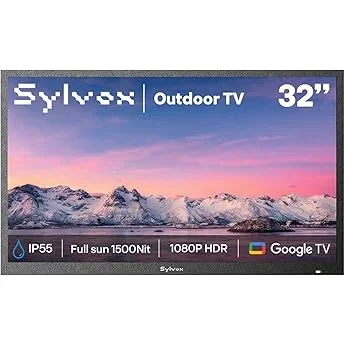
Expert Tips for Getting the Best Deal
– Buy during off-seasons: Prices drop significantly in late fall and winter when demand is low. Retailers often clear inventory before spring.
– Check manufacturer rebates: Brands like SunBriteTV and Seura frequently offer seasonal promotions or trade-in discounts.
– Compare bundled packages: Some sellers include mounts, cables, or extended warranties at a discount when purchased together.
– Shop authorized dealers: Avoid third-party sellers on marketplaces—stick to certified retailers to ensure warranty validity and authentic products.
– Negotiate with installers: Many AV professionals offer package deals if you hire them for both purchase and installation.
– Consider refurbished models: Certified pre-owned outdoor TVs from reputable sources can save 20–30% with full warranty coverage.
– Test before you buy: If possible, visit a showroom or request a demo unit. Brightness and glare performance are hard to judge from specs alone.
– Read return policies carefully: Outdoor TVs are often non-returnable due to their specialized nature. Ensure you have a trial period or restocking option.

Frequently Asked Questions
Q: Can I use a regular TV outdoors if it’s under a covered patio?
A: Technically yes, but it’s not recommended. Even under cover, humidity, temperature swings, and dust can damage internal components. Most indoor TVs aren’t built to handle these conditions, and warranties typically exclude outdoor use. For reliable, long-term performance, invest in a purpose-built outdoor TV.
Q: How do I protect my outdoor TV from theft?
A: Use security mounts with locking mechanisms, install motion-sensor lights, and consider cable locks or alarm systems. For high-risk areas, choose models with VESA lock compatibility or built-in security slots.
Q: Do outdoor TVs consume more power than indoor models?
A: Not necessarily. While higher brightness can increase energy use, modern outdoor TVs are designed for efficiency. Look for ENERGY STAR-certified models, which balance performance with low power consumption.
Q: Can I leave my outdoor TV on during rain or snow?
A: Yes—if it’s a true all-weather model with an appropriate IP rating (IP55 or higher). These TVs are sealed against moisture and designed for continuous outdoor exposure. However, avoid spraying water directly on vents or ports.
Q: What’s the difference between partial-shade and full-exposure outdoor TVs?
A: Partial-shade models are designed for covered areas like porches or pergolas and typically have lower brightness (700–1,500 nits). Full-exposure TVs handle direct sunlight, rain, and snow, with higher brightness (2,000+ nits) and enhanced sealing (IP65+).
Q: How long do outdoor TVs last?
A: With proper care, a quality outdoor TV can last 7–10 years or more. Factors like climate, usage frequency, and maintenance play a role. Regular cleaning and avoiding extreme temperature shocks can extend lifespan.
Q: Can I connect a gaming console to an outdoor TV?
A: Absolutely. Most outdoor TVs include HDMI 2.1 ports supporting 4K@120Hz, VRR, and ALLM—ideal for next-gen consoles like PlayStation 5 and Xbox Series X. Just ensure the model you choose has low input lag for responsive gameplay.
Q: Are outdoor TVs compatible with smart home systems?
A: Many are. Look for models with IP control, RS-232 ports, or integration with platforms like Control4, Crestron, or Savant. This allows you to control the TV via your smart home hub or voice assistants.
Q: Do I need a special antenna for outdoor TV reception?
A: If you’re using over-the-air broadcasts, a high-gain outdoor antenna mounted away from the TV can improve signal strength. Indoor antennas often struggle with interference in outdoor environments.
Q: Can I use solar power with an outdoor TV?
A: Yes, especially with portable models. Some brands offer solar-compatible versions or recommend compatible power stations. Ensure your solar setup can handle the TV’s wattage (typically 100–300W for 55–75-inch models).
Our Final Recommendations
Best for Budget-Conscious Buyers: SunBriteTV Veranda Series (55-inch) – Offers excellent value with 1,000 nits brightness, IP55 rating, and 4K HDR at under $2,000. Perfect for covered patios.
Best Overall Value: Seura Shadow 65-inch – Combines 1,500 nits brightness, anti-glare glass, and premium build quality for around $3,200. Ideal for most homeowners.
Best Premium Option: SkyVue Pro 75-inch – Features 2,500 nits, Dolby Vision IQ, and military-grade durability. Built for extreme conditions and luxury installations.
Best for Beginners: Samsung The Terrace (55-inch Partial Shade) – User-friendly smart platform, reliable performance, and strong brand support. Great first outdoor TV.
Best for Advanced Users: SunBriteTV Pro Series 86-inch – Commercial-grade construction, 24/7 operation, and customizable mounting. For tech enthusiasts and integrators.
Conclusion: Making the Right Choice
Choosing the right outdoor TV for your balcony or patio is about more than just screen size or price—it’s about matching technology to your environment, lifestyle, and long-term goals. From weather resistance and brightness to smart features and audio quality, every detail matters when you’re bringing entertainment into the elements. By prioritizing your specific needs—whether that’s a compact balcony setup, a full backyard theater, or a portable solution for renters—you can find a TV that delivers stunning performance year after year.
Remember, the cheapest option isn’t always the best value. Investing in a purpose-built outdoor TV with strong weatherproofing, adequate brightness, and reliable support ensures you’ll enjoy countless hours of entertainment without constant repairs or replacements. Use the guidelines, comparisons, and tips in this guide to navigate the market with confidence. And when in doubt, lean toward quality over cost—your future self will thank you every time you press play under the open sky.
Now that you’re equipped with expert knowledge, it’s time to transform your outdoor space into the ultimate entertainment destination. Happy viewing!

