
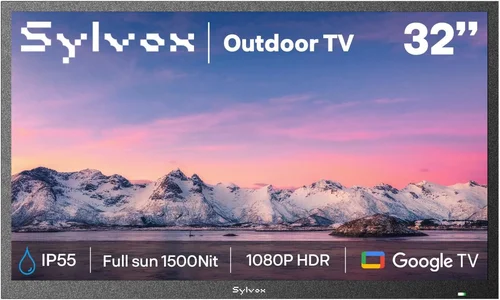
Outdoor movie nights have evolved from simple projector setups to full-fledged cinematic experiences—thanks in large part to the rise of outdoor TVs. Whether you’re hosting a family film night under the stars, entertaining friends during summer barbecues, or simply unwinding after a long day with your favorite show, an outdoor TV can transform your backyard into a premium entertainment zone. But with so many options on the market—from weather-resistant displays to ultra-bright screens designed for daylight viewing—choosing the right one can feel overwhelming.
This comprehensive buying guide is designed to cut through the noise and help you make a smart, informed decision. We’ll walk you through every critical factor you need to consider, from brightness and durability to smart features and budget constraints. You’ll learn how different types of outdoor TVs compare, what common pitfalls to avoid, and how to get the best value for your investment. By the end, you’ll have a clear understanding of what makes an outdoor TV truly worth buying—and which model best fits your lifestyle, space, and viewing habits.
The outdoor TV market has grown significantly in recent years, driven by increasing demand for outdoor living spaces and advancements in display technology. No longer limited to commercial installations or high-end luxury homes, outdoor TVs are now accessible to a wide range of consumers. From all-weather models built to withstand rain, snow, and extreme temperatures to portable options perfect for patios and decks, there’s never been a better time to upgrade your backyard entertainment setup. This guide will equip you with the knowledge to navigate this expanding market with confidence.

What to Look for When Buying Buying Guide
1. Brightness & Display Performance
One of the most critical factors when choosing an outdoor TV is brightness, measured in nits. Unlike indoor TVs, which typically operate in controlled lighting environments, outdoor TVs must compete with ambient light—especially during daytime or early evening viewing. A standard indoor TV might have a brightness of 300–500 nits, but for outdoor use, you’ll want a minimum of 700 nits, with 1000+ nits being ideal for full sun exposure.
Look for models with high dynamic range (HDR) support, such as HDR10 or Dolby Vision, which enhance contrast and color accuracy. Additionally, anti-glare and anti-reflective coatings are essential to reduce screen washout from sunlight. Some premium outdoor TVs use direct-lit LED or mini-LED backlighting to improve brightness uniformity and black levels, even in challenging lighting conditions.
2. Weather Resistance & IP Rating
Outdoor TVs must endure the elements—rain, snow, dust, humidity, and temperature fluctuations. That’s why the Ingress Protection (IP) rating is a non-negotiable specification. The IP rating consists of two digits: the first indicates protection against solids (like dust), and the second against liquids (like water).
For outdoor use, look for a minimum IP55 rating, which means the TV is protected from limited dust ingress and low-pressure water jets from any direction. For harsher climates or permanent installations, IP65 or higher is recommended. Some top-tier models boast IP66 or IP67 ratings, offering near-total protection against dust and powerful water jets or temporary immersion.
Also consider the operating temperature range. Most outdoor TVs function between -22°F and 122°F (-30°C to 50°C), but verify this based on your local climate. If you live in an area with extreme winters or scorching summers, choose a model with a wider thermal tolerance.
3. Build Quality & Durability
Durability goes beyond just weather resistance. The materials used in the chassis, screen, and internal components play a huge role in longevity. Look for TVs with powder-coated aluminum or stainless-steel frames, which resist rust and corrosion. The screen should be made of tempered glass or reinforced polymer to prevent scratches and impacts.
Internal components should be sealed and protected from moisture and condensation. Some manufacturers use conformal coating on circuit boards to prevent corrosion. Additionally, check for reinforced mounting points and VESA compatibility (typically 200×200 or 400×400) to ensure secure installation.
Avoid models with plastic casings or unsealed ports, as these are prone to degradation over time. A well-built outdoor TV should feel solid and heavy, not flimsy or lightweight like many indoor models.
4. Size & Viewing Distance
Choosing the right screen size depends on your seating arrangement and viewing distance. For outdoor setups, larger screens are often preferred due to the open space and potential for multiple viewers.
As a general rule:
– For viewing distances of 6–8 feet, a 50–55 inch TV is ideal.
– For 8–10 feet, go with 60–65 inches.
– For distances over 10 feet, consider 70 inches or larger.
Keep in mind that outdoor environments lack the acoustic containment of indoor rooms, so larger screens help maintain immersion. However, avoid oversizing—too large a screen can cause eye strain or look disproportionate on a small patio.
Also consider the TV’s bezel size. Slim bezels provide a more modern, immersive look and are easier to clean. Some outdoor TVs feature frameless designs for a sleek, contemporary appearance.
5. Smart Features & Connectivity
Modern outdoor TVs often come with built-in smart platforms, allowing you to stream content directly without external devices. Popular options include Android TV, webOS, Roku TV, and proprietary systems like Samsung’s Tizen or LG’s ThinQ AI.
When evaluating smart features, consider:
– App availability (Netflix, Disney+, Hulu, YouTube, etc.)
– Voice control compatibility (Google Assistant, Alexa)
– Screen mirroring and casting (Miracast, AirPlay 2)
– Regular software updates
Connectivity is equally important. Ensure the TV has multiple HDMI ports (at least 3), USB ports, Ethernet, and Wi-Fi. Some models include weatherproof cable glands or rear access panels to protect connections from moisture.
If you plan to use external devices like soundbars, gaming consoles, or streaming sticks, verify that the TV supports HDMI-CEC and ARC (Audio Return Channel) for simplified control and audio routing.
6. Audio Quality & Sound Solutions
Most outdoor TVs have limited built-in speakers due to space and weatherproofing constraints. While they may suffice for casual listening, they often lack depth and volume for immersive movie nights.
Consider these audio solutions:
– External soundbar: A weather-resistant soundbar mounted below or beside the TV can dramatically improve sound quality.
– Outdoor speakers: Wireless or wired outdoor speakers placed around the viewing area provide surround sound.
– Bluetooth audio: Some outdoor TVs support Bluetooth pairing with portable speakers or headphones.
Look for TVs with audio output options like optical digital audio, 3.5mm headphone jack, or HDMI ARC to connect external audio systems. Avoid models that rely solely on built-in speakers unless you’re using them in a quiet, sheltered area.
7. Installation & Mounting Options
Proper installation is crucial for both performance and safety. Outdoor TVs can be mounted on walls, ceilings, or freestanding poles, depending on your space.
Key considerations:
– Wall mounts: Ensure the mount is rated for outdoor use and can support the TV’s weight. Tilt and swivel mounts offer flexibility for optimal viewing angles.
– Pole mounts: Ideal for decks or patios without walls. Look for rust-resistant poles with cable management.
– Ceiling mounts: Great for pergolas or covered patios. Require sturdy overhead support.
Some manufacturers offer all-in-one outdoor TV enclosures that include built-in mounts, ventilation, and cable management. These can simplify installation but may limit upgrade options.
Always follow local building codes and use appropriate anchors for your wall material (concrete, wood, brick). If in doubt, hire a professional installer.
8. Brand Reputation & Warranty
Not all outdoor TVs are created equal. Stick with reputable brands known for quality and reliability. Leading names include:
– Samsung: Offers the popular “The Terrace” series with high brightness and smart features.
– LG: Known for durable outdoor models with excellent color accuracy.
– SunBriteTV: A pioneer in outdoor displays, specializing in all-weather TVs.
– Seura: Focuses on luxury outdoor TVs with sleek designs and premium materials.
– Aviditi: Provides rugged, commercial-grade outdoor displays.
Check customer reviews on trusted platforms like Amazon, Best Buy, or specialty AV forums. Look for feedback on long-term durability, customer service, and real-world performance.
Warranty is another critical factor. Most outdoor TVs come with 1–3 years of coverage, but some premium brands offer extended warranties or on-site service. Avoid models with no warranty or limited support.
Different Types of Buying Guide

Common Buying Mistakes to Avoid
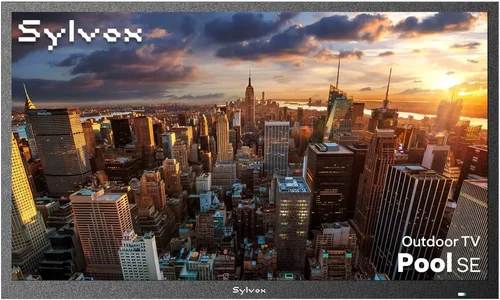
❌ Mistake: Buying an Indoor TV for Outdoor Use
Why it’s bad: Indoor TVs are not designed to handle moisture, temperature swings, or UV exposure. Using one outdoors can lead to rapid degradation, screen burn-in, or electrical failure. Even under a covered patio, condensation and humidity can damage internal components.
What to do instead: Invest in a TV specifically rated for outdoor use. If budget is tight, consider an outdoor TV enclosure to protect an indoor model.
❌ Mistake: Ignoring Brightness Requirements
Why it’s bad: A dim screen will look washed out in daylight, making it impossible to see details or enjoy HDR content. You’ll end up watching a gray, blurry image instead of a vibrant movie.
What to do instead: Choose a TV with at least 700 nits of brightness, and 1000+ nits if you plan to watch during the day. Check reviews for real-world brightness performance.
❌ Mistake: Overlooking Audio Needs
Why it’s bad: Built-in speakers on outdoor TVs are often weak and lack bass. In an open space, sound dissipates quickly, making dialogue hard to hear.
What to do instead: Plan for external audio from the start. Pair your TV with a weather-resistant soundbar or outdoor speaker system.
❌ Mistake: Skimping on Mounting Hardware
Why it’s bad: Using indoor mounts or low-quality hardware can result in instability, especially in windy conditions. A falling TV can cause injury or property damage.
What to do instead: Use mounts rated for outdoor use and the TV’s weight. Consider professional installation for permanent setups.
❌ Mistake: Not Checking Warranty Coverage
Why it’s bad: Outdoor TVs are expensive, and repairs can be costly. A limited or voided warranty leaves you unprotected if something goes wrong.
What to do instead: Read the warranty terms carefully. Ensure it covers outdoor use and includes parts and labor. Consider extended warranty options.
❌ Mistake: Choosing the Wrong Size
Why it’s bad: A TV that’s too small won’t fill the space, while one that’s too large can overwhelm the area and cause eye strain.
What to do instead: Measure your viewing distance and use a screen size calculator. Test with a projector or temporary setup if possible.
❌ Mistake: Forgetting About Cable Management
Why it’s bad: Exposed cables are unsightly and vulnerable to weather damage. They can also become tripping hazards.
What to do instead: Use weatherproof cable conduits, raceways, or built-in cable management systems. Plan cable routing before installation.
Budget Guidelines: How Much Should You Spend?
– Entry-Level ($500 – $1,200): These are typically portable outdoor TVs or basic partial-sun models. Expect lower brightness (500–700 nits), limited smart features, and shorter warranties. Best for occasional use in shaded areas or temporary setups. Examples include the Seura Portable Outdoor TV or Aviditi SunBrite 43-inch Partial Sun.
– Mid-Range ($1,200 – $2,500): This is the sweet spot for most homeowners. You’ll get 700–1000 nits of brightness, IP55 or higher ratings, decent smart platforms, and better build quality. Models like the Samsung The Terrace 55-inch or LG Outdoor Smart TV fall here. Ideal for covered patios and regular use.
– Premium ($2,500 – $4,500): Designed for full sun exposure and permanent installations. Features include 1000+ nits brightness, IP65+ ratings, advanced cooling, and premium materials. These TVs often come with extended warranties and professional installation support. SunBriteTV Veranda and Samsung The Terrace Full Sun are top contenders.
– Luxury ($4,500+): For enthusiasts and commercial users. These include ultra-bright mini-LED displays, 24/7 operation capability, remote monitoring, and custom finishes. Brands like Seura and Aviditi offer bespoke options. Perfect for luxury homes, hotels, or outdoor entertainment venues.
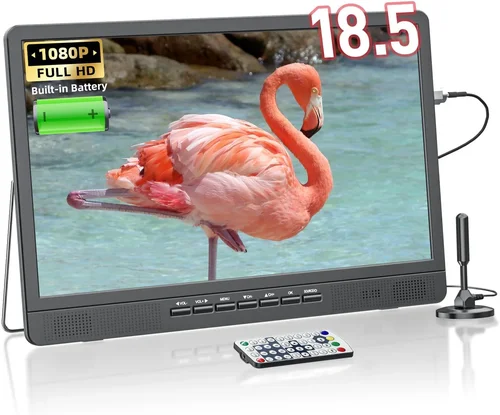
Expert Tips for Getting the Best Deal
– Buy During Off-Season: Outdoor TVs are in highest demand during spring and summer. Shop in late fall or winter for discounts and clearance sales. Retailers often offer 10–20% off to clear inventory.
– Check Manufacturer Rebates: Brands like Samsung and LG frequently run rebate programs, especially during holidays or product launches. These can save you $100–$300.
– Compare Retailers: Prices vary widely between Best Buy, Amazon, Crutchfield, and specialty AV stores. Use price-tracking tools like Honey or CamelCamelCamel to monitor deals.
– Consider Refurbished Models: Certified refurbished outdoor TVs from reputable sellers often come with full warranties and can save you 20–30%. Ensure they’re tested and include all original accessories.
– Bundle with Accessories: Some retailers offer package deals including mounts, soundbars, or cables. These can be more cost-effective than buying separately.
– Read the Fine Print on Returns: Outdoor TVs are large and expensive to return. Make sure the retailer offers a generous return window (30+ days) and covers return shipping.
– Test Before Committing: If possible, visit a showroom to see the TV in person. Check brightness, color accuracy, and build quality. Some stores have outdoor demo areas.
– Negotiate Installation: Many retailers offer free or discounted installation with purchase. Don’t hesitate to ask—especially for high-end models.

Frequently Asked Questions
Q: Can I use a regular TV outdoors if it’s under a covered patio?
A: It’s not recommended. Even under cover, humidity, temperature changes, and dust can damage an indoor TV over time. For safety and longevity, use an outdoor-rated model or a protective enclosure.
Q: Do outdoor TVs need special power outlets?
A: No, most outdoor TVs use standard 120V outlets. However, ensure the outlet is GFCI-protected and located in a weatherproof enclosure. Use a surge protector rated for outdoor use.
Q: How do I clean an outdoor TV screen?
A: Use a microfiber cloth and a mild cleaner designed for electronics. Avoid ammonia-based cleaners or abrasive materials. Turn off the TV and let it cool before cleaning.
Q: Can outdoor TVs be used in winter?
A: Yes, as long as the model’s operating temperature range includes winter conditions. Most outdoor TVs function down to -22°F. Avoid turning on the TV if it’s extremely cold—let it acclimate first.
Q: Do outdoor TVs come with remotes?
A: Yes, all outdoor TVs include a remote. Some also support smartphone apps or voice control. Ensure the remote is weather-resistant or keep it protected.
Q: Can I connect a gaming console to an outdoor TV?
A: Absolutely. Most outdoor TVs have HDMI ports and support 4K/60Hz, making them great for gaming. Look for low input lag and VRR (Variable Refresh Rate) for the best experience.
Q: How long do outdoor TVs last?
A: With proper care, outdoor TVs can last 7–10 years or more. Regular maintenance, such as cleaning and checking seals, can extend their lifespan.
Q: Are outdoor TVs energy efficient?
A: Modern outdoor TVs use LED backlighting and efficient processors, making them comparable to indoor models in energy use. Look for ENERGY STAR certification if efficiency is a priority.
Q: Can I mount an outdoor TV on a brick wall?
A: Yes, but you’ll need masonry anchors and a drill. Use a template to ensure accurate hole placement. Consider hiring a professional for heavy TVs.
Q: Do outdoor TVs support streaming apps?
A: Most do, especially smart models. Check the TV’s platform (Android TV, Roku, etc.) to ensure your favorite apps are available.
Our Final Recommendations
– Best for Budget-Conscious Buyers: Seura Portable Outdoor TV (43-inch) – At around $900, this model offers solid brightness (700 nits), IP54 rating, and built-in streaming. Perfect for shaded patios or temporary use.
– Best Overall Value: Samsung The Terrace 55-inch – Priced around $2,200, it delivers 1000+ nits brightness, IP55 rating, and a full smart platform. Ideal for most backyard setups.
– Best Premium Option: SunBriteTV Veranda 65-inch – At $3,800, this all-weather TV boasts 1000 nits, IP65 rating, and exceptional durability. Built for permanent outdoor installation.
– Best for Beginners: LG Outdoor Smart TV 50-inch – Easy to set up, with intuitive webOS interface and good app support. Great for first-time outdoor TV buyers.
– Best for Advanced Users: Aviditi Pro Series 75-inch – A commercial-grade display with 1500 nits brightness, 24/7 operation, and remote monitoring. Ideal for large venues or tech-savvy homeowners.
Conclusion: Making the Right Choice
Choosing the right outdoor TV for your backyard movie nights doesn’t have to be daunting. By focusing on key factors like brightness, weather resistance, size, and smart features, you can find a model that delivers stunning visuals and reliable performance year-round. Avoid common pitfalls like using indoor TVs or ignoring audio needs, and always consider your budget in the context of long-term value.
Remember, the best outdoor TV is the one that fits your space, meets your viewing habits, and stands up to your local climate. Whether you’re watching a blockbuster under the stars or catching up on your favorite series with friends, the right TV will elevate your outdoor experience.
Take your time, do your research, and don’t hesitate to invest in quality. With the insights from this guide, you’re well-equipped to make a confident, informed decision. Your perfect backyard cinema awaits.

