
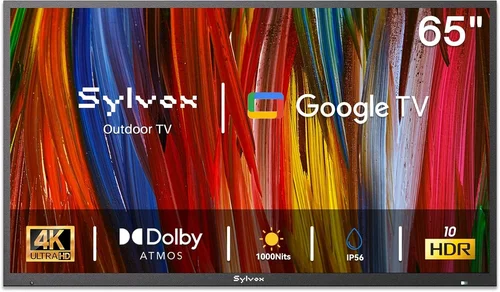
Outdoor TVs have evolved from a niche luxury to a mainstream must-have for sports fans, backyard entertainers, and outdoor living enthusiasts. Whether you’re hosting a Super Bowl party under the stars, catching every touchdown during a summer evening game, or simply enjoying a live soccer match while grilling, the right outdoor television can transform your outdoor space into a true entertainment hub. But with so many options flooding the market in 2026—ranging from weatherproof displays to full outdoor-rated smart TVs—it’s easy to feel overwhelmed. That’s where this comprehensive buying guide comes in.
This guide is designed to cut through the noise and help you make a smart, informed decision. We’ll walk you through everything you need to know: from understanding the critical differences between indoor and outdoor TVs, to evaluating performance specs, durability, and smart features. You’ll learn how to balance budget with quality, avoid common pitfalls, and ultimately choose a television that delivers stunning visuals, reliable performance, and long-term value—no matter the weather. Whether you’re a casual viewer or a die-hard sports fan who never misses a game, this guide will equip you with the knowledge to pick the perfect outdoor TV for your lifestyle.
The outdoor TV market in 2026 is more competitive and innovative than ever. Major brands like Samsung, LG, Sony, and specialized outdoor manufacturers such as SunBriteTV, Seura, and Peerless-AV are pushing the boundaries with brighter displays, enhanced weather resistance, and advanced smart platforms. At the same time, new entrants are offering more affordable options that don’t sacrifice core functionality. With advancements in OLED and QLED technology being adapted for outdoor use, and integration with voice assistants and streaming services becoming standard, today’s outdoor TVs are smarter, brighter, and more resilient than ever before. This guide will help you navigate this dynamic landscape and find the ideal model for your outdoor viewing needs.

What to Look for When Buying Buying Guide
1. Brightness & Display Technology
When it comes to outdoor TVs, brightness isn’t just a nice-to-have—it’s essential. Unlike indoor TVs, which are designed for dimly lit rooms, outdoor televisions must combat direct sunlight, glare, and ambient light. Look for models with a minimum brightness of 700 nits, though 1,000 nits or higher is ideal for full sun exposure. This high luminance ensures that colors remain vibrant and details stay sharp, even at midday.
Display technology also plays a crucial role. While traditional LED-LCDs are common, newer outdoor models are incorporating QLED and even OLED panels optimized for outdoor use. QLED offers superior color accuracy and brightness, making it excellent for sports with fast motion and rich visuals. OLED, known for its deep blacks and infinite contrast, is now being engineered with anti-reflective coatings and enhanced brightness to perform well in daylight. However, OLEDs can be more expensive and may have shorter lifespans under constant high-brightness use.
Consider the screen finish as well. Matte or anti-glare coatings are standard on quality outdoor TVs and help reduce reflections from the sun or nearby lights. Avoid glossy screens unless they’re specifically designed for outdoor use with advanced optical treatments.
2. Weather Resistance & IP Rating
Outdoor TVs must withstand rain, snow, dust, humidity, and extreme temperatures. That’s why weather resistance is one of the most critical factors. Look for TVs with an IP (Ingress Protection) rating of at least IP55, which means they’re protected against dust and water jets from any direction. For harsher climates or uncovered patios, IP65 or higher is recommended.
But don’t stop at the IP rating. Examine the build materials. High-quality outdoor TVs use powder-coated aluminum or stainless steel chassis to resist rust and corrosion. Sealed ports, waterproof connectors, and fully enclosed internal components are also essential. Some models even include built-in heaters or cooling fans to regulate internal temperature, preventing overheating in summer or freezing in winter.
Avoid using standard indoor TVs outdoors, even under a covered porch. They lack the necessary protection and can fail within months due to moisture buildup or temperature swings. True outdoor TVs are engineered from the ground up for environmental resilience.
3. Size & Viewing Distance
Choosing the right screen size depends on your outdoor space and typical viewing distance. A common mistake is going too small—outdoor environments often have more ambient light and larger seating areas, requiring bigger screens for an immersive experience.
As a rule of thumb, for every 1.5 feet of viewing distance, you should have 1 inch of screen size. So, if your seating is 10 feet from the TV, a 65-inch screen is ideal. For larger decks or backyard setups with 15-foot viewing distances, consider 75-inch or even 85-inch models.
However, don’t forget about mounting space and structural support. Larger TVs require sturdy wall mounts or freestanding cabinets designed for outdoor use. Also, consider the TV’s weight—some 75-inch outdoor models can exceed 100 pounds, so ensure your mounting solution can handle the load.
4. Smart Features & Connectivity
In 2026, even outdoor TVs are expected to be smart. Look for models with built-in Wi-Fi, Bluetooth, and support for popular streaming platforms like Netflix, YouTube, Hulu, and Disney+. Most outdoor TVs now run on platforms like Android TV, webOS (LG), or Tizen (Samsung), offering access to thousands of apps and voice control via Google Assistant or Alexa.
Connectivity is equally important. Ensure the TV has multiple HDMI ports (at least 3), USB inputs, and audio outputs for soundbars or outdoor speakers. Some models include built-in streaming devices (like Roku or Fire TV) to simplify setup. Also, check for support for HDMI 2.1 if you plan to connect gaming consoles or future-proof for 4K/120Hz content.
For sports fans, low input lag is crucial. Look for gaming modes or sports-specific picture settings that reduce lag and enhance motion clarity. Features like motion interpolation (though controversial among purists) can help smooth out fast-paced action during live games.
5. Audio Quality & Sound Solutions
Most outdoor TVs have limited built-in speakers due to space and weatherproofing constraints. While they’re adequate for casual listening, they often lack the depth and power needed for immersive sports audio—especially in open outdoor spaces where sound dissipates quickly.
Consider pairing your TV with a weather-resistant soundbar or outdoor speaker system. Many outdoor TVs support Bluetooth or optical audio output, making it easy to connect external audio. Some premium models even include built-in subwoofers or support for Dolby Atmos for a cinematic experience.
If you’re mounting the TV under a covered patio, you might also consider in-ceiling or in-wall outdoor speakers for a clean, integrated look. Just ensure all audio components are rated for outdoor use and properly sealed.
6. Mounting & Installation Options
How and where you mount your TV significantly impacts both performance and longevity. Outdoor TVs can be wall-mounted, ceiling-mounted, or placed on freestanding cabinets. Wall mounts should be rated for outdoor use and capable of supporting the TV’s weight and size.
Tilt and full-motion mounts offer flexibility, allowing you to adjust the screen angle for optimal viewing—especially important if the TV is mounted high or at an angle. However, ensure the mount is securely anchored to a structural wall or beam, not just siding or drywall.
For freestanding options, look for weatherproof cabinets with ventilation, cable management, and lockable doors. These are ideal for renters or those who want portability. Some cabinets even include built-in heaters, cooling fans, and power outlets for a complete outdoor entertainment system.
7. Brand Reputation & Reliability
Not all outdoor TVs are created equal. Stick with reputable brands known for quality and customer support. SunBriteTV, for example, has been a leader in outdoor displays for over a decade, offering rugged, high-performance models trusted by professionals. Seura specializes in outdoor TVs with sleek designs and integrated sound, while Peerless-AV focuses on mounting solutions and all-weather enclosures.
Mainstream brands like Samsung and LG now offer outdoor-ready models, often with the same smart features and picture quality as their indoor counterparts. However, verify that the model is specifically rated for outdoor use—don’t assume all “weather-resistant” TVs are suitable for full exposure.
Research customer reviews and look for brands with strong after-sales support, including accessible customer service and local repair options.
8. Warranty & Support
Outdoor TVs are a significant investment, so a solid warranty is non-negotiable. Most reputable brands offer at least a 2-year warranty, with some extending to 3 or even 5 years. Look for coverage that includes both parts and labor, and check if on-site service is available.
Avoid brands with vague warranty terms or those that exclude weather-related damage. A good warranty should cover defects, performance issues, and environmental wear—especially since outdoor TVs operate under harsher conditions than indoor models.
Also, consider extended warranty options or protection plans, particularly if you live in an area with extreme weather. Some retailers offer bundled packages that include installation, maintenance, and accidental damage coverage.
Different Types of Buying Guide

Common Buying Mistakes to Avoid
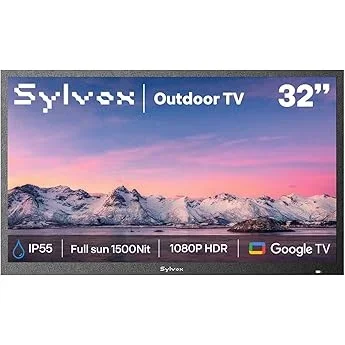
❌ Mistake: Using an Indoor TV Outdoors
Why it’s bad: Indoor TVs are not designed to handle moisture, temperature fluctuations, or dust. Even under a covered patio, condensation can build up inside the screen, leading to fogging, electrical shorts, or complete failure within months. Additionally, indoor TVs lack the brightness needed for daylight viewing, making sports unwatchable in sunlight.
What to do instead: Invest in a true outdoor-rated TV or use a certified outdoor enclosure. These solutions are engineered for environmental resilience and will save you money and frustration in the long run.
❌ Mistake: Ignoring Brightness Specs
Why it’s bad: A TV with low brightness will appear washed out in daylight, especially during daytime sports events. You’ll struggle to see player details, scoreboards, or fast-moving action, defeating the purpose of an outdoor setup.
What to do instead: Prioritize models with at least 700 nits of brightness, and aim for 1,000+ nits if you have direct sun exposure. Check reviews that mention real-world outdoor performance, not just manufacturer claims.
❌ Mistake: Overlooking Audio Needs
Why it’s bad: Most outdoor TVs have weak built-in speakers. In open spaces, sound dissipates quickly, making commentary and crowd noise hard to hear—especially during loud events like football games or concerts.
What to do instead: Plan for external audio from the start. Invest in a weatherproof soundbar or a multi-speaker outdoor audio system. Consider wireless options for easy setup and flexibility.
❌ Mistake: Choosing the Wrong Size
Why it’s bad: A TV that’s too small will feel underwhelming in a large outdoor space, while one that’s too big can overwhelm the area and strain your budget. Incorrect sizing affects both viewing comfort and overall aesthetics.
What to do instead: Use the 1.5:1 rule (1.5 feet of viewing distance per inch of screen size) and measure your space. Mock up the size with tape before purchasing.
❌ Mistake: Skimping on Mounting Hardware
Why it’s bad: Using indoor mounts or flimsy brackets outdoors can lead to sagging, instability, or even the TV falling—posing safety risks and potential damage.
What to do instead: Use mounts specifically rated for outdoor use and the TV’s weight. For heavy models, consider reinforced wall anchors or professional installation.
❌ Mistake: Not Checking Warranty Coverage
Why it’s bad: Some warranties exclude outdoor use or environmental damage, leaving you with no recourse if the TV fails due to weather exposure.
What to do instead: Read the fine print. Choose brands that explicitly cover outdoor use and offer comprehensive protection plans.
❌ Mistake: Buying Based on Price Alone
Why it’s bad: The cheapest option often lacks durability, brightness, or smart features, leading to poor performance and early replacement.
What to do instead: Focus on value, not just cost. A mid-range outdoor TV with strong specs and a good warranty often outperforms a budget model over time.
Budget Guidelines: How Much Should You Spend?
– Entry-Level ($800 – $1,500): These are typically portable outdoor TVs or basic enclosures for indoor TVs. They’re great for occasional use, tailgating, or covered patios with minimal sun exposure. Expect lower brightness (500-700 nits), limited smart features, and basic weather resistance. Ideal for casual viewers on a tight budget.
– Mid-Range ($1,500 – $3,500): This is the sweet spot for most buyers. These TVs offer 700-1,000+ nits of brightness, full smart functionality, IP55 or higher ratings, and solid build quality. Models like the SunBriteTV Veranda series or LG’s outdoor-ready OLEDs fall here. Perfect for regular sports watching under covered or partially shaded areas.
– Premium ($3,500 – $6,000): Designed for full sun exposure and extreme climates, these TVs feature 1,000+ nits brightness, advanced cooling/heating systems, and premium materials. They often include integrated audio, voice control, and support for 4K HDR and gaming. Ideal for uncovered patios, beach houses, or commercial installations.
– Luxury ($6,000+): Top-tier models with 8K resolution, ultra-thin designs, and full smart home integration. These are built for high-end outdoor theaters, luxury homes, or venues. Expect features like motorized mounts, built-in subwoofers, and concierge-level support. Only necessary for those seeking the ultimate outdoor experience.
Expert Tips for Getting the Best Deal
– Buy During Off-Season: Outdoor TVs are in highest demand during spring and summer. Shop in late fall or winter (October–February) for discounts, clearance sales, and bundle deals.
– Compare Retailers: Check prices at specialty outdoor electronics stores, big-box retailers (Best Buy, Costco), and online marketplaces (Amazon, Crutchfield). Some offer price matching or exclusive bundles.
– Look for Certified Refurbished Models: Reputable brands often sell certified refurbished outdoor TVs at 20–30% off. These come with full warranties and are rigorously tested.
– Negotiate Installation Packages: Many retailers offer free or discounted installation with purchase. Ask about bundled deals that include mounts, cables, and setup.
– Check for Rebates and Incentives: Some manufacturers offer mail-in rebates or trade-in programs. Energy-efficient models may also qualify for local utility rebates.
– Read Return Policies: Ensure the retailer allows returns or exchanges within 30 days, especially for large items. Outdoor TVs are difficult to resell if they don’t meet expectations.
– Test Before Committing: If possible, visit a showroom to see the TV in person. Check brightness, color accuracy, and smart interface responsiveness under simulated outdoor lighting.
– Consider Financing: Many retailers offer 0% APR financing for 12–24 months. This can make a premium TV more affordable without upfront strain.
Frequently Asked Questions
Q: Can I use a regular TV outdoors under a covered patio?
A: Technically yes, but it’s not recommended long-term. Even under cover, indoor TVs are vulnerable to humidity, temperature swings, and dust. For reliable performance, use an outdoor-rated TV or a certified outdoor enclosure.
Q: Do outdoor TVs need special power outlets?
A: No, most outdoor TVs use standard 120V outlets. However, ensure the outlet is GFCI-protected and located within reach of the TV. Use weatherproof outlet covers if exposed.
Q: How do I clean an outdoor TV screen?
A: Use a microfiber cloth and a mild cleaner designed for electronics. Avoid ammonia-based cleaners or abrasive materials. Turn off the TV and let it cool before cleaning.
Q: Can outdoor TVs be used in winter?
A: Yes, but only if they’re rated for cold climates. Look for models with built-in heaters or operating temperature ranges down to -22°F (-30°C). Avoid turning on the TV if it’s been exposed to freezing temps without acclimating.
Q: Do outdoor TVs support 4K and HDR?
A: Absolutely. Most premium outdoor TVs in 2026 support 4K resolution, HDR10, Dolby Vision, and even 8K on luxury models. Ensure your streaming device or cable box also supports these formats.
Q: How long do outdoor TVs last?
A: With proper care, a quality outdoor TV can last 7–10 years or more. Factors like climate, usage frequency, and maintenance play a role. Regular cleaning and avoiding extreme temperature shocks can extend lifespan.
Q: Can I control an outdoor TV with my smartphone?
A: Yes, most smart outdoor TVs support remote control via apps on iOS and Android. You can also use voice assistants like Alexa or Google Assistant for hands-free operation.
Q: Are outdoor TVs energy efficient?
A: Modern outdoor TVs are designed to be energy efficient, especially LED and QLED models. Look for ENERGY STAR certification to reduce power consumption and operating costs.
Q: What’s the difference between an outdoor TV and a weatherproof TV?
A: “Outdoor TV” typically refers to models built from the ground up for outdoor use, with sealed components and high brightness. “Weatherproof TV” may refer to enclosures or modified indoor TVs. Always check the IP rating and manufacturer specs.
Q: Can I mount an outdoor TV on a brick or concrete wall?
A: Yes, but you’ll need masonry anchors and a drill designed for concrete. Consider hiring a professional to ensure secure mounting and avoid structural damage.
Our Final Recommendations
– Best for Budget-Conscious Buyers: SunBriteTV Veranda Series (55-inch) – Offers excellent brightness (700 nits), IP55 rating, and smart features at a competitive price. Ideal for covered patios and casual sports viewing.
– Best Overall Value: LG OLED G3 Outdoor Edition (65-inch) – Combines stunning OLED picture quality with outdoor durability, 1,000+ nits brightness, and webOS smart platform. Perfect for serious sports fans.
– Best Premium Option: Seura Shadow 4K (75-inch) – Features a sleek, frameless design, integrated soundbar, and IP65 rating. Built for luxury outdoor spaces with full sun exposure.
– Best for Beginners: Peerless-AV Outdoor TV Enclosure + Samsung Q60T – A flexible, cost-effective solution for those new to outdoor TVs. Use a quality indoor TV safely with a rugged enclosure.
– Best for Advanced Users: SunBriteTV Pro Series 8K (85-inch) – Top-tier performance with 8K resolution, built-in climate control, and commercial-grade durability. Ideal for outdoor theaters and high-end installations.
Conclusion: Making the Right Choice
Choosing the right outdoor TV for sports watching is about more than just picture quality—it’s about creating a reliable, enjoyable, and long-lasting outdoor entertainment experience. From brightness and weather resistance to smart features and audio, every detail matters when you’re trying to catch every play under the open sky. By focusing on your specific needs—whether that’s a budget-friendly setup for a covered deck or a premium system for a full sun patio—you can find a TV that delivers both performance and peace of mind.
Remember, the best outdoor TV is the one that fits your lifestyle, environment, and viewing habits. Don’t rush the decision. Take time to compare models, read reviews, and consider professional installation. And always prioritize durability and brightness—because nothing ruins a game day like a washed-out screen or a TV that quits after the first rainstorm.
With the insights from this guide, you’re now equipped to make a confident, informed choice. Whether you’re cheering on your favorite team, hosting a backyard watch party, or simply enjoying a quiet evening under the stars, your outdoor TV will be ready—rain or shine, day or night. So go ahead, upgrade your outdoor space, and turn every game into an event worth remembering.

