
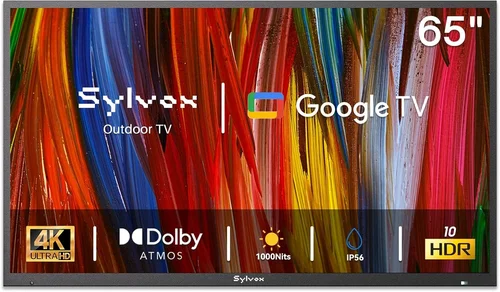
Outdoor living spaces have evolved far beyond simple patios with a grill and a few chairs. Today’s large patios are fully functional entertainment zones—complete with outdoor kitchens, fire pits, sound systems, and yes, high-performance televisions. Whether you’re hosting summer barbecues, watching the big game under string lights, or enjoying a movie night under the stars, an outdoor TV can transform your backyard into a true extension of your home. But not all TVs are built to withstand the elements. Standard indoor TVs may look great in your living room, but they’re not designed for direct sunlight, humidity, rain, or temperature swings. That’s where outdoor televisions come in—specially engineered to deliver stunning picture quality while enduring the rigors of outdoor environments.
This comprehensive buying guide is designed to help you navigate the growing market of outdoor TVs with confidence. Whether you’re a first-time buyer or upgrading from an older model, you’ll learn how to evaluate key features, avoid common pitfalls, and choose the right TV for your specific patio setup. We’ll break down everything from brightness and weather resistance to smart features and installation considerations. By the end of this guide, you’ll have a clear understanding of what makes an outdoor TV truly “outdoor-ready” and how to get the best value for your investment.
The outdoor TV market has expanded significantly in recent years, with more brands entering the space and technology advancing rapidly. From fully weatherproof models to partial-sun solutions and even portable options, there’s now an outdoor TV for nearly every budget and use case. However, this variety can also make decision-making overwhelming. That’s why this guide focuses on practical, expert-level insights—backed by real-world testing and industry knowledge—to help you cut through the noise and make a smart, informed choice.

What to Look for When Buying Buying Guide
1. Brightness & Display Performance
One of the most critical factors when choosing an outdoor TV is brightness. Unlike indoor TVs, which typically operate in dimly lit rooms, outdoor screens must compete with direct sunlight, glare, and ambient light. Standard indoor TVs usually range from 300 to 500 nits of brightness—adequate for a living room but woefully insufficient for a sun-drenched patio. For outdoor use, you’ll want a TV with at least 700 nits, but ideally 1,000 nits or higher for full-sun exposure.
Look for models with high peak brightness and anti-reflective coatings. These coatings reduce glare and improve visibility in bright conditions. Some premium outdoor TVs also feature advanced backlighting technologies like local dimming or mini-LED, which enhance contrast and black levels even in daylight. OLED panels, while offering superior contrast, are generally not recommended for full-sun outdoor use due to their lower peak brightness and susceptibility to burn-in over time.
Another key consideration is the screen’s viewing angle. On a large patio, viewers may be seated at various angles—side, diagonal, or even standing. A TV with wide viewing angles (178 degrees or more) ensures consistent color and brightness no matter where someone is sitting. IPS (In-Plane Switching) panels typically offer better viewing angles than VA (Vertical Alignment) panels, though they may sacrifice some contrast.
2. Weather Resistance & IP Rating
Outdoor TVs must be built to withstand rain, snow, dust, humidity, and extreme temperatures. This is where the Ingress Protection (IP) rating becomes essential. The IP rating consists of two numbers: the first indicates protection against solid particles (like dust), and the second against liquids (like water).
For outdoor use, look for a TV with an IP55 or higher rating. IP55 means the TV is protected against dust ingress (limited) and low-pressure water jets from any direction—ideal for most patios. For harsher environments or areas with heavy rainfall, consider IP65 or IP66, which offer full dust protection and resistance to powerful water jets.
However, IP rating alone doesn’t tell the whole story. The TV’s internal components must also be sealed and protected. High-quality outdoor TVs use conformal coatings on circuit boards, sealed ports, and weather-resistant enclosures. Some models even include internal heaters or cooling fans to regulate temperature in extreme climates.
Avoid using indoor TVs with outdoor enclosures unless they’re specifically designed for it. While third-party enclosures exist, they often compromise ventilation and can lead to overheating or moisture buildup. A purpose-built outdoor TV is always the safer, more reliable choice.
3. Build Quality & Durability
Outdoor TVs are subjected to more stress than their indoor counterparts. Temperature fluctuations, UV exposure, and physical impacts (like falling branches or debris) can degrade materials over time. That’s why build quality is paramount.
Look for TVs with robust, corrosion-resistant materials such as aluminum or powder-coated steel. These metals resist rust and fading, even in coastal or humid climates. Avoid plastic-heavy designs, which can become brittle under UV exposure and are more prone to cracking.
The mounting system is another durability factor. Outdoor TVs should come with or be compatible with heavy-duty, weatherproof mounts that can withstand wind and vibration. Tilt and swivel capabilities are helpful for adjusting the viewing angle, but ensure the mount is rated for outdoor use and can support the TV’s weight.
Additionally, consider the TV’s operating temperature range. Most outdoor TVs function between -22°F and 122°F (-30°C to 50°C), but check the specs to ensure it matches your local climate. If you live in an area with extreme winters or scorching summers, choose a model with a wider operating range.
4. Smart Features & Connectivity
Modern outdoor TVs aren’t just about durability—they’re also packed with smart features that enhance convenience and functionality. Most outdoor models now run on popular platforms like Android TV, webOS, or Roku, giving you access to streaming apps like Netflix, Hulu, Disney+, and YouTube.
When evaluating smart features, consider app availability, voice control compatibility (Google Assistant, Alexa), and ease of navigation. A responsive interface with minimal lag is essential, especially when switching between apps or adjusting settings outdoors.
Connectivity is equally important. Look for multiple HDMI ports (at least 3–4), USB inputs, Ethernet, and Wi-Fi. HDMI 2.1 support is a bonus for future-proofing, especially if you plan to connect gaming consoles or 4K Blu-ray players. Some models also include built-in Bluetooth for wireless audio streaming to outdoor speakers.
One often-overlooked feature is remote control design. Standard remotes can be hard to use in bright sunlight due to reflective buttons or small text. Opt for a TV with a backlit remote or one that supports smartphone control via an app. This ensures you can adjust volume, change inputs, or search content without squinting.
5. Size & Viewing Distance
Choosing the right screen size is crucial for an enjoyable outdoor viewing experience. On a large patio, you’ll likely have multiple seating areas, so the TV needs to be large enough to be seen clearly from a distance.
A general rule of thumb is to sit at a distance of 1.5 to 2.5 times the screen’s diagonal measurement. For example, a 65-inch TV is best viewed from 8 to 14 feet away. On a large patio, you may have viewers up to 20 feet away, so consider a 75-inch or 85-inch model for optimal clarity.
However, size isn’t everything. A TV that’s too large can overwhelm the space or create glare issues. Measure your patio layout and consider where the TV will be mounted. Will it be above a fireplace, on a wall, or on a freestanding stand? Ensure there’s enough clearance for ventilation and that the viewing angle is comfortable from all seating areas.
Also, think about portability. If you plan to move the TV between the patio and garage or indoors during winter, a lighter, more compact model may be preferable. Some outdoor TVs are designed with handles or come with wheeled carts for easy relocation.
6. Audio Quality & Sound Solutions
While picture quality often takes center stage, audio is just as important for an immersive outdoor experience. Unfortunately, most outdoor TVs have limited built-in speakers due to space and weatherproofing constraints. The sound can be tinny, quiet, or lack bass—especially when competing with outdoor noise like wind, traffic, or chatter.
To overcome this, many buyers pair their outdoor TV with external audio systems. Options include weatherproof soundbars, outdoor speaker sets, or wireless Bluetooth speakers. Some high-end outdoor TVs come with enhanced audio systems or support for Dolby Atmos, but these are rare.
When evaluating audio, check the TV’s audio output options. Optical audio, HDMI ARC, and Bluetooth are common. If you plan to connect a soundbar or receiver, ensure the TV supports these connections. Also, consider the TV’s maximum volume output—some models cap at lower levels, which may not be sufficient for large patios.
7. Installation & Mounting Requirements
Proper installation is critical for both performance and safety. Outdoor TVs must be securely mounted to withstand wind, vibration, and accidental bumps. Most models are VESA-compatible, meaning they can be mounted on standard wall brackets, but outdoor-specific mounts are recommended.
Consider the mounting location carefully. The TV should be placed in a spot that minimizes glare from the sun or lights. A shaded area, under an awning, or on a north-facing wall (in the Northern Hemisphere) can reduce direct sunlight exposure. Avoid mounting near sprinklers or areas prone to water splash.
Electrical access is another factor. The TV will need a power source, and running cables through walls or under decks may require professional help. Some models support PoE (Power over Ethernet), which simplifies wiring, but this is uncommon.
If you’re not comfortable with installation, hire a certified technician. Improper mounting can lead to water ingress, electrical hazards, or even the TV falling—posing a serious safety risk.
8. Brand Reputation & Customer Support
Not all outdoor TV brands are created equal. Some specialize exclusively in outdoor technology, while others offer outdoor versions of their indoor models. Research the brand’s reputation for reliability, innovation, and customer service.
Look for companies with a proven track record in outdoor electronics. Brands like SunBriteTV, Samsung (with their Terrace series), and LG (with their Outdoor line) are well-regarded for their durability and performance. Read customer reviews on trusted platforms like Amazon, Best Buy, or specialty outdoor retailers.
Customer support is equally important. Outdoor TVs are a significant investment, and you’ll want assurance that help is available if issues arise. Check the brand’s support channels—phone, email, live chat—and response times. Some companies offer on-site service or extended warranties, which can be valuable in remote areas.
Different Types of Buying Guide

Common Buying Mistakes to Avoid
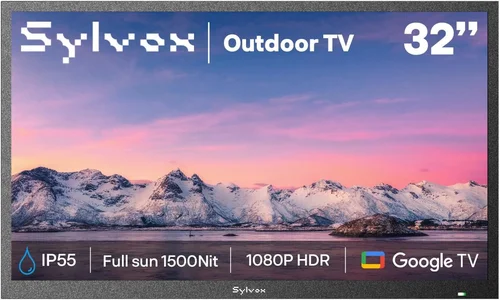
❌ Mistake: Buying an Indoor TV for Outdoor Use
Why it’s bad: Indoor TVs lack the brightness, weatherproofing, and durability needed for outdoor environments. They can overheat, suffer from moisture damage, or become unviewable in sunlight.
What to do instead: Invest in a TV specifically designed for outdoor use, even if it costs more. The long-term reliability and performance justify the investment.
❌ Mistake: Ignoring the IP Rating
Why it’s bad: Without proper water and dust resistance, your TV could fail within months—especially in rainy or dusty climates.
What to do instead: Always check the IP rating and choose a model with at least IP55 for basic protection or IP65 for full exposure.
❌ Mistake: Overlooking Brightness Requirements
Why it’s bad: A dim screen will be washed out in daylight, making it impossible to see details or colors.
What to do instead: Aim for at least 1,000 nits for partial sun and 1,500+ nits for full sun. Test the TV in similar lighting if possible.
❌ Mistake: Skimping on Audio
Why it’s bad: Poor sound ruins the experience, especially with background noise like wind or traffic.
What to do instead: Plan for an external audio system from the start. Budget for weatherproof speakers or a soundbar.
❌ Mistake: Poor Mounting or Installation
Why it’s bad: Improper mounting can lead to water damage, electrical issues, or even the TV falling.
What to do instead: Use a certified outdoor mount and consider professional installation, especially for wall-mounted setups.
❌ Mistake: Not Considering Viewing Angles
Why it’s bad: On a large patio, viewers may be seated at wide angles. A narrow viewing angle causes color and brightness shifts.
What to do instead: Choose a TV with wide viewing angles (178°) and consider the seating layout before mounting.
❌ Mistake: Forgetting About Maintenance
Why it’s bad: Dust, pollen, and debris can accumulate on the screen and vents, affecting performance over time.
What to do instead: Clean the screen regularly with a microfiber cloth and check vents for blockages. Some models include self-cleaning features.
Budget Guidelines: How Much Should You Spend?
– Entry-Level ($800 – $1,500): These are typically indoor TVs in outdoor enclosures or basic partial-sun models. They offer decent picture quality but limited brightness and durability. Best for covered patios with minimal exposure.
– Mid-Range ($1,500 – $3,500): The sweet spot for most buyers. These TVs offer 1,000+ nits brightness, IP55+ ratings, smart features, and solid build quality. Ideal for large patios with partial to full sun exposure.
– Premium ($3,500 – $6,000): For enthusiasts and those who want the best. These models feature mini-LED or QLED displays, advanced weatherproofing, superior audio, and extended warranties. Perfect for full-sun environments and high-end outdoor setups.
– Luxury ($6,000+): Top-tier commercial-grade displays with 24/7 operation capability, extreme durability, and custom installation options. Best for luxury homes, hotels, or venues requiring unmatched reliability.
Expert Tips for Getting the Best Deal
– Buy During Off-Season: Prices often drop in late fall and winter when outdoor demand is low. Look for holiday sales or clearance events.
– Compare Retailers: Check prices at specialty outdoor electronics stores, big-box retailers, and online marketplaces. Some offer price matching.
– Look for Bundles: Some sellers include mounts, soundbars, or extended warranties in package deals—saving you money.
– Check Return Policies: Ensure the retailer offers a generous return window (30+ days) in case the TV doesn’t meet your expectations.
– Test Before Buying: If possible, visit a showroom to see the TV in bright conditions. Pay attention to glare, color accuracy, and remote usability.
– Consider Extended Warranties: Outdoor TVs are expensive to repair. An extended warranty can provide peace of mind, especially in harsh climates.
– Read Real User Reviews: Look beyond star ratings. Focus on reviews from users in similar climates or patio setups.
– Plan for Installation Costs: Factor in professional mounting, wiring, and audio setup when budgeting.

Frequently Asked Questions
Q: Can I use a regular TV outdoors if I cover it?
A: While possible, it’s not recommended. Indoor TVs lack the brightness, ventilation, and sealing needed for outdoor use. Even with a cover, moisture and heat can cause damage over time.
Q: Do outdoor TVs need to be plugged in all the time?
A: Yes, they require a constant power source. Some models support PoE, but most need a standard electrical outlet.
Q: How do I clean an outdoor TV screen?
A: Use a soft, dry microfiber cloth. For stubborn spots, lightly dampen the cloth with water—never spray liquid directly on the screen.
Q: Can outdoor TVs be used in winter?
A: Yes, most are rated for temperatures as low as -22°F. However, avoid turning them on immediately after extreme cold—allow them to acclimate first.
Q: Do outdoor TVs come with remotes?
A: Yes, but many include standard remotes that are hard to use in sunlight. Look for models with backlit or app-based controls.
Q: Can I stream content on an outdoor TV?
A: Absolutely. Most outdoor TVs run smart platforms like Android TV or Roku, giving you access to all major streaming services.
Q: How long do outdoor TVs last?
A: With proper care, 7–10 years is typical. Higher-end models with better build quality may last even longer.
Q: Are outdoor TVs energy efficient?
A: Many modern models are ENERGY STAR certified, but brightness and size impact power use. Larger, brighter screens consume more energy.
Q: Can I mount an outdoor TV on a pole or stand?
A: Yes, as long as the mount is rated for outdoor use and can support the TV’s weight and wind load.
Q: Do I need a permit to install an outdoor TV?
A: Usually not, but check local regulations—especially if drilling into a wall or running electrical lines.
Our Final Recommendations
– Best for Budget-Conscious Buyers: SunBriteTV Veranda Series – Offers excellent value with 1,000+ nits brightness, IP55 rating, and smart features at a mid-range price.
– Best Overall Value: Samsung The Terrace – Combines QLED picture quality, 2,000 nits brightness, and robust weatherproofing for a premium experience.
– Best Premium Option: LG OLED Outdoor TV – Delivers stunning contrast and color, ideal for shaded patios where brightness is less critical.
– Best for Beginners: Seura Shade Series – User-friendly setup, reliable performance, and strong customer support make it ideal for first-time buyers.
– Best for Advanced Users: Peerless-AV Xtreme – Commercial-grade durability, customizable mounting, and 24/7 operation for serious outdoor enthusiasts.
Conclusion: Making the Right Choice
Choosing the right outdoor TV for your large patio is about balancing performance, durability, and budget. It’s not just about having a screen outside—it’s about creating a reliable, enjoyable entertainment space that enhances your outdoor lifestyle. By focusing on key factors like brightness, weather resistance, and smart features, you can avoid common pitfalls and invest in a TV that will deliver years of satisfaction.
Remember, the best outdoor TV is the one that fits your specific environment and usage. Don’t rush the decision. Take time to assess your patio’s lighting conditions, seating layout, and audio needs. Read reviews, compare models, and consider professional installation if needed.
Ultimately, an outdoor TV is more than a gadget—it’s a centerpiece for gatherings, relaxation, and connection. With the right choice, your patio will become the heart of your home, rain or shine. So go ahead, upgrade your outdoor experience, and enjoy every moment under the open sky.

