
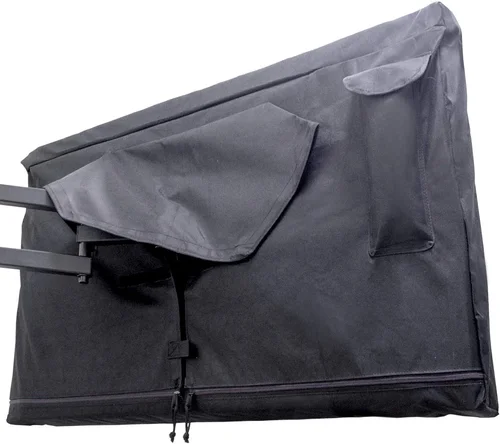
Outdoor living spaces have evolved far beyond simple patios and decks. Today’s homeowners and outdoor enthusiasts are transforming backyards, rooftops, pool areas, and even garages into fully functional entertainment zones—complete with weather-resistant furniture, high-end grills, and yes, outdoor televisions. But not all TVs are built to withstand the elements, especially when temperatures drop below freezing. If you’re considering installing a television in a cold-weather environment—whether it’s a snowy mountain cabin, a northern climate backyard, or an unheated screened porch—you need more than just a standard indoor TV mounted under an awning. You need a purpose-built outdoor television designed specifically for cold-weather performance.
That’s where this comprehensive buying guide comes in. Whether you’re a first-time buyer or upgrading from an older model, understanding what makes an outdoor TV suitable for cold climates is essential. Standard TVs can suffer from screen freezing, battery drain (in portable models), reduced brightness, and even permanent damage when exposed to prolonged cold. In contrast, true outdoor TVs engineered for cold weather incorporate specialized components, ruggedized enclosures, and thermal management systems that keep them running reliably—even when the mercury dips well below 32°F (0°C). This guide will walk you through everything you need to know to make a smart, informed decision, from key technical specs to real-world usage tips and top product recommendations.
By the end of this article, you’ll have a clear understanding of the critical factors that differentiate cold-weather outdoor TVs from their indoor counterparts. We’ll break down the essential features to look for, compare different types of outdoor displays, highlight common purchasing pitfalls, and provide expert-backed advice on budgeting, installation, and long-term care. Whether you’re planning a winter movie night under the stars or simply want reliable viewing during crisp autumn evenings, this guide ensures you won’t end up with a frozen screen or a costly mistake.

What to Look for When Buying Buying Guide
1. Cold Weather Operating Range
The single most important specification for any outdoor TV intended for use in cold climates is its operating temperature range. Most standard indoor TVs are only rated to function between 41°F and 95°F (5°C to 35°C). Below that threshold, liquid crystal displays (LCDs) can slow down or freeze entirely, backlights may dim or fail, and internal electronics become prone to condensation and corrosion. In contrast, true cold-weather outdoor TVs are engineered to operate reliably in sub-freezing conditions—often as low as -22°F (-30°C) or even colder.
When evaluating a model, always check the manufacturer’s official operating temperature specifications. Look for units explicitly labeled as “all-season,” “extreme climate,” or “cold-weather rated.” These models typically feature heated screens, insulated casings, and components selected for low-temperature resilience. For example, some premium outdoor TVs include built-in thermostats that activate internal heaters when ambient temperatures drop below a certain point, ensuring the display remains responsive and bright. Without this feature, you risk inconsistent performance or total failure during winter months.
2. Display Technology & Brightness
Outdoor visibility is heavily influenced by both display technology and brightness levels—especially in cold weather, where overcast skies and snow reflection can reduce contrast. While most outdoor TVs use LED-backlit LCD panels, some high-end models now incorporate OLED or QLED technologies for deeper blacks and richer colors. However, brightness remains the dominant factor for usability in daylight or snowy conditions.
Look for a minimum brightness rating of 700 nits, but ideally aim for 1,000 nits or higher. Many cold-weather outdoor TVs exceed 2,000 nits, which helps maintain image clarity even in bright winter sun or reflective snow. Additionally, anti-glare and anti-reflective coatings are essential—they minimize washout from ambient light and improve viewing angles. Some manufacturers also offer optional sunshades or hoods that further enhance visibility by blocking direct sunlight from hitting the screen.
It’s also worth noting that LCD performance can degrade slightly in extreme cold, causing slower pixel response times. High-quality outdoor TVs mitigate this with advanced liquid crystal formulations and thermal regulation systems that keep the panel within an optimal temperature band, even when the outside air is frigid.
3. Build Quality & Weather Resistance
An outdoor TV isn’t just about surviving the cold—it must also resist moisture, dust, UV radiation, and temperature swings. The enclosure should be constructed from marine-grade aluminum or powder-coated steel to prevent rust and corrosion. Look for an IP (Ingress Protection) rating of at least IP55, which means the unit is protected against low-pressure water jets and limited dust ingress. For harsher environments—like coastal areas or regions with heavy snowfall—consider models with IP66 or higher ratings.
Sealed cable ports, gasketed seams, and ventless designs are hallmarks of premium outdoor TVs. These features prevent condensation buildup inside the chassis, which can occur when warm, humid air enters a cold enclosure and then cools rapidly. Condensation is a silent killer of electronics, leading to short circuits and component failure over time. Reputable brands often include internal desiccant packs or hydrophobic coatings to absorb residual moisture.
Additionally, check whether the TV is designed for direct mounting (e.g., on a wall or pole) or if it requires a separate weatherproof enclosure. Some “outdoor-ready” indoor TVs are marketed as suitable for covered patios but lack the full sealing needed for true all-weather use. Always opt for a fully integrated outdoor model if your installation is exposed to the elements.
4. Heating & Thermal Management Systems
One of the defining features of cold-weather outdoor TVs is their active thermal management. Unlike passive designs that rely solely on insulation, advanced models include built-in heating elements that warm the screen and internal components when temperatures drop. These systems are typically thermostatically controlled, meaning they only activate when needed—saving energy and preventing overheating during milder days.
Heating elements are usually embedded behind the LCD panel or integrated into the chassis. They raise the internal temperature enough to keep the liquid crystals fluid and the backlight functioning optimally. Some systems even include cooling fans for summer use, creating a true four-season solution. This dual capability ensures consistent performance year-round, regardless of whether it’s -10°F in January or 95°F in July.
When comparing models, ask whether the heating system is automatic or manual. Automatic systems are more convenient and reliable, as they respond to real-time temperature changes without user intervention. Also, consider power consumption—some heaters can draw significant current, so ensure your outdoor electrical setup can support it. Most units include energy-efficient designs that minimize draw while still providing adequate warmth.
5. Audio Performance & Speaker Options
Many outdoor TVs sacrifice audio quality to prioritize weatherproofing, resulting in tinny or weak sound that struggles to compete with wind, traffic, or ambient noise. This is especially problematic in cold weather, where open spaces and snow-covered ground can dampen sound propagation. A good outdoor TV should deliver clear, balanced audio without requiring external speakers—though expansion options are a plus.
Look for models with front-firing or upward-firing speakers, as these project sound toward the viewer rather than into a wall or enclosure. Power output of at least 20 watts per channel is recommended, with some premium units offering 40 watts or more. Built-in amplifiers with equalization presets for outdoor use can also enhance clarity and volume.
If you plan to host gatherings or enjoy music alongside your shows, consider TVs with Bluetooth connectivity or audio output ports for connecting external soundbars or wireless speakers. Some manufacturers offer matching weatherproof speaker systems designed to pair seamlessly with their TVs, creating a cohesive audio-visual experience.
6. Smart Features & Connectivity
Modern outdoor TVs aren’t just dumb displays—they’re full-fledged smart platforms. Look for models running established operating systems like Android TV, webOS, or Roku TV, which provide access to streaming services (Netflix, Disney+, YouTube, etc.), voice control via Google Assistant or Alexa, and regular software updates. These features are especially valuable in outdoor settings where running new cables or adding set-top boxes can be impractical.
Connectivity options should include multiple HDMI ports (preferably HDMI 2.1 for future-proofing), USB inputs, Ethernet for stable wired internet, and strong Wi-Fi (dual-band 2.4GHz/5GHz). Some models even include built-in cellular modems or satellite receivers for remote locations without reliable broadband. Ensure the remote control is weather-resistant or consider using a smartphone app for operation, as traditional remotes can fail in damp or cold conditions.
Also, verify that the TV supports HDR (High Dynamic Range) formats like HDR10, Dolby Vision, or HLG. While brightness is key for outdoor visibility, HDR enhances color depth and contrast, making images pop even in challenging lighting. However, note that HDR performance may be limited in direct sunlight—so balance this feature with high nits output.
7. Installation & Mounting Flexibility
How and where you install your outdoor TV significantly impacts its performance and longevity. Cold-weather models should come with robust mounting hardware rated for outdoor use—typically stainless steel brackets and corrosion-resistant bolts. Many manufacturers offer tilt, swivel, and full-motion mounts that allow you to adjust the viewing angle based on sun position or seating arrangement.
Consider the TV’s weight and dimensions, especially if you’re mounting it on a pergola, brick wall, or freestanding pole. Heavier units may require additional structural support. Also, think about cable management: look for models with hidden cable channels or rear access panels that keep wires protected from the elements.
For permanent installations, professional mounting is highly recommended. Improper installation can lead to water infiltration, structural stress, or even safety hazards in high winds. Some brands offer certified installer networks or detailed installation guides to help DIYers get it right.
8. Brand Reputation & Warranty Coverage
Not all outdoor TV brands are created equal. Stick with manufacturers that specialize in commercial or residential outdoor displays and have a proven track record in cold-weather performance. Established names like SunBriteTV, Samsung (The Terrace), LG (OLED Flex for outdoor use), and Seura offer rigorously tested products with comprehensive support.
Warranty terms are a strong indicator of confidence in product durability. Look for at least a 2-year limited warranty, with some premium brands offering 3–5 years. Pay attention to what’s covered: does it include labor, parts, and on-site service? Is the warranty valid only if installed by a certified technician? Cold-weather performance guarantees are rare but valuable—some companies will replace a unit that fails to operate below a specified temperature.
Customer support responsiveness matters too. If your TV malfunctions during a winter storm, you’ll want prompt assistance, not weeks of email back-and-forth. Check online reviews for insights into post-purchase service quality.
Different Types of Buying Guide

Common Buying Mistakes to Avoid
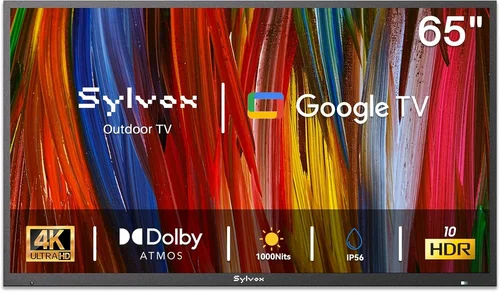
❌ Mistake: Assuming All “Outdoor” TVs Work in Cold Weather
Why it’s bad: Many retailers market TVs as “outdoor-ready” simply because they’re sold with a weatherproof cover or installed under a roof. However, unless explicitly rated for sub-freezing operation, these units will likely fail in winter. Using an indoor TV in cold conditions can void warranties and lead to irreversible damage.
What to do instead: Always verify the operating temperature range in the product specifications. If the manual doesn’t mention cold-weather performance, assume it’s not suitable.
❌ Mistake: Ignoring Condensation Risks
Why it’s bad: Temperature fluctuations cause moisture to form inside electronics—a process called condensation. In cold climates, this happens when a TV is turned on after being exposed to freezing air, causing warm internal components to meet cold surfaces. Over time, this leads to corrosion and circuit failure.
What to do instead: Choose TVs with sealed enclosures, hydrophobic coatings, and internal heaters that minimize thermal shock. Avoid opening the TV casing in humid or cold conditions.
❌ Mistake: Overlooking Power Requirements for Heating Systems
Why it’s bad: Built-in heaters can draw 100–300 watts or more, significantly increasing your electricity bill and potentially overloading outdoor circuits. Some homeowners discover their TV won’t turn on in winter because the breaker trips.
What to do instead: Consult an electrician before installation. Ensure your outdoor outlet is on a dedicated circuit with sufficient amperage (typically 15–20 amps). Consider energy-efficient models with smart thermostats.
❌ Mistake: Buying Based Solely on Screen Size
Why it’s bad: A larger screen doesn’t guarantee better performance in cold or bright conditions. Some oversized TVs have lower brightness per square inch or weaker thermal regulation, making them prone to dimming or lag in winter.
What to do instead: Prioritize brightness (nits), operating range, and build quality over size. A 55-inch TV with 2,000 nits and -22°F rating will outperform a 75-inch model with 500 nits in snowy conditions.
❌ Mistake: Skipping Professional Installation
Why it’s bad: Improper mounting can lead to water ingress, structural damage, or even TV detachment in high winds. DIY errors are common and often not covered by warranty.
What to do instead: Hire a certified outdoor AV installer. They’ll ensure proper sealing, cable routing, and compliance with local building codes—especially important in snowy or icy regions.
❌ Mistake: Neglecting Software Updates & Security
Why it’s bad: Smart outdoor TVs connected to Wi-Fi are vulnerable to hacking, especially if left unpatched. Outdated firmware can also cause performance issues or app incompatibilities.
What to do instead: Enable automatic updates and periodically check for firmware patches. Use strong Wi-Fi passwords and consider a guest network for your outdoor devices.
Budget Guidelines: How Much Should You Spend?
- Entry-Level ($800–$1,800): These are typically partial-cover models or indoor TVs in basic enclosures. They may work in mild winters but lack reliable cold-weather features like heating or full sealing. Best for covered patios in temperate zones.
- Mid-Range ($1,800–$3,500): This is the sweet spot for most homeowners. You’ll find true all-season outdoor TVs with 700–1,500 nits brightness, IP55+ ratings, and basic thermal management. Ideal for four-season use in climates with occasional snow.
- Premium ($3,500–$6,500): Designed for enthusiasts and professionals, these models offer 1,500–2,500+ nits, full heating/cooling systems, commercial-grade materials, and extended warranties. Perfect for mountain cabins, lakeside homes, or regions with harsh winters.
- Luxury ($6,500+): Top-tier units from brands like SunBriteTV Pro or Samsung’s commercial line. Features include OLED panels, 24/7 operation capability, remote monitoring, and custom finishes. Built for luxury resorts, high-end residences, or extreme environments.
Expert Tips for Getting the Best Deal
- Buy in Spring or Early Summer: Demand peaks in late summer and fall, driving up prices. Retailers often discount outdoor TVs in Q2 to clear inventory before the busy season.
- Check Manufacturer Rebates: Brands like SunBriteTV and Seura occasionally offer mail-in rebates or bundle deals with mounts and speakers.
- Compare Total Cost of Ownership: A cheaper TV may cost more long-term if it requires frequent repairs or higher energy use due to inefficient heating.
- Read Professional Reviews, Not Just User Ratings: Sites like CNET, Wirecutter, and AV forums provide hands-on testing in real-world conditions—including cold-weather performance.
- Ask About Demo Units or Open-Box Deals: Some specialty retailers sell returned or display models at 20–30% off, often with full warranties.
- Verify Return Policies: Ensure you can return the TV if it fails to perform in cold weather. Some companies offer 30–90 day trial periods.
- Consider Extended Warranties: Given the harsh environment, a 3–5 year extended plan can be worthwhile—especially for premium models.
- Test Before Finalizing Installation: Power on the TV in winter conditions for at least 30 minutes to confirm it reaches full brightness and responsiveness.

Frequently Asked Questions
Q: Can I use a regular TV outdoors in cold weather if it’s under a roof?
A: Not recommended. Even under cover, temperature swings, humidity, and wind-driven moisture can damage standard TVs. Only purpose-built outdoor models with proper sealing and cold-weather ratings should be used outside.
Q: How do I know if my outdoor TV has a built-in heater?
A: Check the product specs for terms like “integrated heating system,” “thermal management,” or “cold-start technology.” You can also contact the manufacturer directly or look for certification labels indicating sub-freezing operation.
Q: Will snow accumulate on the screen and block the view?
A: Most outdoor TVs are mounted at an angle or include optional hoods to shed snow. Additionally, the screen generates slight heat during operation, which helps melt light snowfall. Heavy accumulation may require gentle brushing—never use sharp tools.
Q: Do outdoor TVs consume more electricity in winter?
A: Yes, if they have active heating systems. However, modern units are designed for efficiency, often using less than 200 watts for heating. Compare energy guides and look for ENERGY STAR ratings where available.
Q: Can I leave my outdoor TV on all winter?
A: It depends on the model. Commercial-grade units are built for 24/7 operation, but residential models may overheat or wear out faster if run continuously. Follow the manufacturer’s guidelines for duty cycles.
Q: Are outdoor TVs compatible with streaming devices like Roku or Apple TV?
A: Most smart outdoor TVs have built-in streaming, but if yours doesn’t, you can connect external devices via HDMI—just ensure they’re also protected from the elements (e.g., in a weatherproof box).
Q: What happens if my outdoor TV gets wet?
A: If it’s properly sealed and rated for outdoor use, occasional rain or snow shouldn’t cause damage. However, prolonged submersion or flooding will likely destroy any electronics. Always mount above ground level.
Q: How long do cold-weather outdoor TVs typically last?
A: With proper care, 7–10 years is common. Commercial models may last 10–15 years. Avoid exposing them to salt spray (near oceans) unless specifically rated for coastal use.
Q: Can I paint or modify my outdoor TV?
A: No. Painting or drilling voids warranties and compromises weather sealing. Use only manufacturer-approved accessories.
Q: Is it safe to install an outdoor TV myself?
A: If you have electrical and mounting experience, yes—but professional installation is strongly advised for safety, warranty compliance, and optimal performance.
Our Final Recommendations
- Best for Budget-Conscious Buyers: Seura Shadow Series 55″ – Offers solid cold-weather performance (down to 14°F) with 1,000 nits brightness and IP54 rating at under $2,500.
- Best Overall Value: SunBriteTV Veranda Series 65″ – Rated for -22°F to 122°F, 2,000 nits, full heating system, and excellent smart features. Priced around $4,200.
- Best Premium Option: Samsung The Terrace Full Sun 75″ – QLED display, 2,500 nits, IP55 rating, and robust thermal management. Ideal for luxury outdoor spaces ($6,800).
- Best for Beginners: LG OLED Flex (Outdoor Configuration) 55″ – User-friendly interface, great picture quality, and reliable cold-start capability. Comes with detailed setup guides ($3,900).
- Best for Advanced Users: SunBriteTV Pro Series 86″ – Commercial-grade build, 24/7 operation, remote diagnostics, and customizable mounting. Built for demanding environments ($11,500).
Conclusion: Making the Right Choice
Choosing the right outdoor television for cold weather isn’t just about picking the biggest screen or the lowest price—it’s about matching your specific climate, usage patterns, and long-term expectations with a product engineered to thrive in those conditions. From understanding operating temperature ranges and thermal management systems to avoiding common installation pitfalls, every decision you make contributes to a reliable, enjoyable outdoor viewing experience.
Remember, investing in a true cold-weather outdoor TV pays dividends in durability, performance, and peace of mind. You’ll avoid the frustration of a frozen screen during a winter sports event or the expense of replacing a failed indoor unit after one cold snap. Use this guide as your roadmap: prioritize key features like heating, brightness, and weather sealing, compare types and budgets honestly, and don’t hesitate to consult professionals when in doubt.
Your outdoor space is an extension of your home—a place for connection, relaxation, and entertainment regardless of the season. With the right TV, you can enjoy crisp visuals and rich sound even when the world outside is blanketed in snow. So take the time to research, ask questions, and choose wisely. Your future self—sipping hot cocoa while watching a movie under the northern lights—will thank you.

