
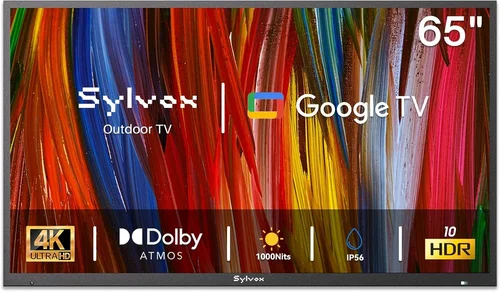
Outdoor television has evolved dramatically over the past decade, transforming from a niche luxury into a practical and increasingly essential feature for coastal homeowners. Living by the ocean offers breathtaking views, fresh sea breezes, and a relaxed lifestyle—but it also presents unique environmental challenges that standard indoor TVs simply can’t withstand. Salt air, high humidity, intense UV exposure, and unpredictable weather demand specialized equipment built to endure harsh coastal conditions. Whether you’re setting up a screened-in porch, a covered patio, or an open-air entertainment space, choosing the right outdoor TV is critical to ensuring long-term performance, visual clarity, and peace of mind.
This comprehensive buying guide is designed specifically for homeowners in coastal regions who want to make an informed, confident decision when investing in an outdoor television. We’ll walk you through every key consideration—from durability and weather resistance to display quality, smart features, and budget planning. You’ll learn how to distinguish between marketing hype and real-world performance, avoid common pitfalls, and ultimately select a TV that delivers stunning picture quality while standing up to the rigors of seaside living. With the market flooded with options ranging from basic weatherproof enclosures to fully integrated outdoor displays, this guide cuts through the noise to give you actionable, expert-level advice tailored to your environment.
The outdoor TV market has matured significantly, with manufacturers now offering purpose-built models engineered from the ground up for exterior use. Unlike retrofitting an indoor TV into a protective case—a practice that often leads to overheating, fogging, and premature failure—true outdoor TVs are designed with sealed components, corrosion-resistant materials, and advanced thermal management. Brands like SunBriteTV, Samsung, LG, and Seura have pioneered innovations such as anti-glare screens, enhanced brightness for daylight viewing, and ruggedized casings that resist salt corrosion. As we move into 2026, these technologies continue to improve, offering brighter displays, smarter integration, and longer lifespans. This guide will help you navigate these advancements and find the perfect outdoor TV for your coastal home.

What to Look for When Buying Buying Guide
1. Weather Resistance & IP Rating
When it comes to outdoor TVs for coastal homes, weather resistance isn’t just a feature—it’s a necessity. Coastal environments are among the harshest for electronics due to constant exposure to salt spray, high humidity, and intense sunlight. A standard indoor TV, even when placed under a covered area, will quickly succumb to corrosion and moisture damage. That’s why the Ingress Protection (IP) rating is one of the most critical specifications to evaluate. Look for a minimum IP55 rating, which means the TV is protected against dust and low-pressure water jets from any direction. For full coastal resilience, aim for IP65 or higher—this ensures complete dust protection and resistance to powerful water jets, making it suitable for open patios or decks with minimal overhead coverage.
Beyond the IP rating, examine the materials used in the TV’s construction. Aluminum or powder-coated steel housings resist rust and corrosion far better than plastic or untreated metals. Sealed ventilation systems prevent salt-laden air from entering internal components, while hydrophobic coatings on internal circuits add an extra layer of defense. Some premium models even include built-in dehumidifiers or moisture-absorbing materials to combat condensation during sudden temperature shifts—common in coastal climates where cool ocean air meets warm interiors. Always verify that the manufacturer specifically certifies the unit for coastal or marine environments, as not all “outdoor” TVs are created equal.
2. Display Brightness & Anti-Glare Technology
One of the biggest challenges of outdoor viewing is ambient light, especially in coastal areas where sunlight reflects off sand, water, and white-painted surfaces. A standard indoor TV typically peaks at 300–500 nits of brightness—adequate for a dim living room but nearly invisible in direct sunlight. For outdoor use, you need a display capable of at least 700 nits, with premium models reaching 1,500 to 2,000 nits or more. This high luminance ensures that images remain clear and vibrant even at midday when the sun is at its strongest.
Equally important is anti-glare technology. Many outdoor TVs feature optically bonded glass or matte-finish screens that diffuse reflections rather than amplifying them. Some models use advanced polarizing filters or quantum dot enhancements to improve contrast and color accuracy in bright conditions. Look for terms like “direct sunlight readable,” “high-brightness LED backlight,” or “anti-reflective coating” in product descriptions. Additionally, consider the screen’s viewing angle—wide-angle panels (178 degrees or more) allow multiple viewers to enjoy consistent picture quality from various positions around a patio or deck. Without sufficient brightness and glare control, even the most durable TV will fail to deliver a satisfying viewing experience.
3. Build Quality & Durability
Durability goes beyond just weatherproofing—it encompasses the entire structural integrity of the TV. Coastal homes often experience strong winds, sudden storms, and fluctuating temperatures, all of which can stress electronic components over time. A well-built outdoor TV should feature a rigid frame, reinforced mounting points, and internal components secured against vibration and thermal expansion. Pay attention to the quality of the chassis: thicker gauge metals, welded seams, and silicone gaskets around ports and seams indicate superior craftsmanship.
Thermal management is another crucial aspect of durability. Unlike indoor TVs that rely on passive airflow, outdoor models must actively regulate internal temperature to prevent overheating in summer or freezing in winter. Look for units with integrated cooling fans, heat sinks, or passive convection systems designed to maintain optimal operating temperatures. Some high-end models even include temperature sensors that adjust brightness or power usage based on ambient conditions. Additionally, check whether the TV is rated for extreme temperatures—many are certified to operate between -22°F and 122°F (-30°C to 50°C), which is essential for year-round use in temperate coastal zones. Avoid models that feel flimsy or use excessive plastic, as these are more likely to degrade under constant environmental stress.
4. Smart Features & Connectivity
Modern outdoor TVs aren’t just about surviving the elements—they’re also expected to deliver the same smart functionality as their indoor counterparts. Most premium outdoor models now come with built-in Wi-Fi, Bluetooth, and support for popular streaming platforms like Netflix, YouTube, and Disney+. This eliminates the need for external streaming devices, reducing cable clutter and potential points of failure. Look for models running Android TV, webOS, or Roku OS, as these platforms offer regular updates, app ecosystems, and voice control via Google Assistant or Alexa.
Connectivity options are equally important. Ensure the TV includes multiple HDMI ports (preferably HDMI 2.1 for future-proofing), USB inputs, and audio outputs for soundbars or outdoor speakers. Some models feature weatherproof cable management systems with sealed grommets to protect connections from moisture. If you plan to use gaming consoles or cable boxes, verify compatibility with HDCP 2.3 and support for 4K/120Hz content. For added convenience, consider TVs with mobile apps that allow remote control via smartphone—ideal for adjusting volume or switching inputs without stepping outside. While smart features enhance usability, prioritize models where these functions are fully integrated and tested for outdoor reliability, rather than tacked-on afterthoughts.
5. Size & Viewing Distance
Choosing the right screen size depends on both your available space and typical viewing distance. For most coastal patios or decks, a 55-inch to 65-inch TV offers an ideal balance between immersion and practicality. However, if you’re mounting the TV on a large wall or entertaining a crowd, consider going up to 75 inches or more. Use the 1.5x rule as a guideline: multiply your seating distance (in inches) by 1.5 to determine the recommended screen diagonal. For example, if viewers sit 8 feet (96 inches) away, a 55-inch to 65-inch TV is appropriate.
Keep in mind that larger screens require higher resolution to maintain sharpness—especially in bright outdoor settings where pixelation is more noticeable. Always opt for 4K UHD resolution (3840 x 2160) or higher, as Full HD (1080p) may appear blurry on screens over 50 inches when viewed up close. Also consider the TV’s bezel size and overall footprint; slim bezels maximize screen real estate, while bulky frames can overwhelm smaller spaces. If your setup includes a retractable awning or pergola, ensure the TV’s dimensions allow for safe clearance during operation. Finally, think about portability—some homeowners prefer swivel mounts or wheeled carts for seasonal repositioning, so factor in weight and mounting flexibility when making your choice.
6. Brand Reputation & Ecosystem Compatibility
Not all outdoor TV brands are created equal. Established names like SunBriteTV, Samsung, and LG have spent years refining their outdoor technologies and offer proven track records in real-world conditions. SunBriteTV, for instance, specializes exclusively in outdoor displays and is widely regarded as the gold standard for coastal installations. Their Veranda and Pro series are engineered with marine-grade materials and rigorously tested in salt fog chambers. Samsung’s The Terrace and LG’s OLED outdoor models leverage their indoor expertise while adding ruggedized features like anti-humidity seals and enhanced cooling.
When evaluating brands, consider ecosystem compatibility. If you already own smart home devices from a particular manufacturer—such as Samsung SmartThings or LG ThinQ—choosing a matching outdoor TV can simplify integration and control. Look for models that support Matter or Thread protocols for seamless connectivity with lights, thermostats, and security systems. Additionally, check whether the brand offers compatible outdoor soundbars, mounts, or protective covers, as these accessories can enhance performance and longevity. Avoid lesser-known brands that lack customer support, firmware updates, or third-party certifications, as they may leave you stranded if issues arise.
7. Warranty & Support
A robust warranty is a strong indicator of a manufacturer’s confidence in their product—and for outdoor TVs, it’s non-negotiable. Given the high cost and environmental risks, you should expect at least a 2-year limited warranty, with 3 years or more being ideal. Premium brands often extend coverage to include accidental damage, corrosion, or burn-in, which are common concerns in coastal settings. Read the fine print carefully: some warranties void coverage if the TV is installed in direct sunlight or without proper ventilation, so ensure your intended setup complies with terms.
Customer support is equally vital. Look for brands with dedicated outdoor TV support lines, online troubleshooting guides, and local service networks. Some companies offer on-site repair or replacement services, which can be a lifesaver if your TV fails during peak entertaining season. Check user forums and review sites for feedback on response times and resolution quality. A brand that stands behind its products with responsive, knowledgeable support can save you significant time, money, and frustration down the line. Don’t hesitate to contact customer service before purchasing to test their responsiveness—it’s a telling sign of what to expect post-sale.
8. User Reviews & Real-World Performance
While specifications and marketing claims provide a baseline, real-world user experiences offer the most honest assessment of an outdoor TV’s performance. Seek out reviews from coastal homeowners specifically, as their feedback will reflect challenges like salt corrosion, humidity fogging, and glare issues that inland users may not encounter. Platforms like Amazon, Best Buy, and specialty AV forums often include detailed photos and videos showing the TV in actual outdoor settings.
Pay attention to recurring themes: if multiple users report screen fogging after a few months, it’s likely a design flaw. Similarly, consistent praise for brightness in sunny conditions or reliable Wi-Fi connectivity in open areas signals strong performance. Look for long-term reviews (6 months or more) to assess durability, as initial impressions can be misleading. Also consider professional reviews from outlets like CNET, RTINGS.com, or Sound & Vision, which conduct standardized testing for brightness, color accuracy, and input lag. Combining expert analysis with user testimonials gives you a well-rounded perspective and helps you avoid costly mistakes.
Different Types of Buying Guide

Common Buying Mistakes to Avoid
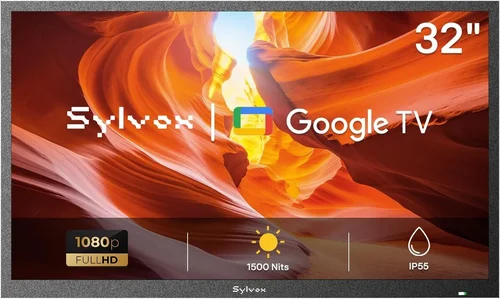
❌ Mistake: Buying an Indoor TV for Outdoor Use
Why it’s bad: Indoor TVs lack the necessary weatherproofing, corrosion resistance, and thermal management required for outdoor environments. Even under cover, they are vulnerable to humidity, salt air, and temperature swings, leading to premature failure, screen fogging, or electrical shorts.
What to do instead: Invest in a purpose-built outdoor TV or use a certified weatherproof enclosure designed for your specific model. Never assume that “covered” means “protected”—coastal conditions demand specialized engineering.
❌ Mistake: Ignoring the IP Rating
Why it’s bad: A low or unspecified IP rating indicates inadequate protection against dust and water. In coastal areas, this can result in internal corrosion, component failure, and voided warranties.
What to do instead: Always verify the IP rating and ensure it meets or exceeds IP55 for partial coverage and IP65 for full exposure. Check manufacturer documentation for environmental certifications.
❌ Mistake: Overlooking Brightness Requirements
Why it’s bad: A dim screen will be washed out in sunlight, making content unwatchable during peak hours. This defeats the purpose of having an outdoor entertainment space.
What to do instead: Choose a TV with at least 700 nits of brightness, preferably 1,000+ nits for direct sun exposure. Look for anti-glare coatings and high-contrast panels optimized for outdoor viewing.
❌ Mistake: Skimping on Mounting Hardware
Why it’s bad: Standard indoor mounts aren’t designed to withstand wind loads, salt corrosion, or outdoor vibrations. A failed mount can damage the TV, property, or pose a safety hazard.
What to do instead: Use marine-grade, rust-resistant outdoor mounts rated for your TV’s weight and size. Consider tilt or swivel options for optimal viewing angles and seasonal adjustments.
❌ Mistake: Neglecting Cable Management
Why it’s bad: Exposed cables are prone to moisture ingress, UV degradation, and animal damage. Poor routing can also create tripping hazards or interfere with retractable awnings.
What to do instead: Use weatherproof conduit, sealed grommets, and cable raceways. Route cables through walls or under decking when possible, and use UV-resistant cable ties.
❌ Mistake: Not Planning for Power & Connectivity
Why it’s bad: Outdoor outlets may lack GFCI protection or sufficient capacity. Running long HDMI cables without signal boosters can cause degradation or dropouts.
What to do instead: Install a dedicated GFCI outlet near the TV location. Use high-speed, weatherproof HDMI cables with built-in signal amplification for runs over 25 feet.
❌ Mistake: Assuming All “Outdoor” TVs Are Equal
Why it’s bad: Some brands market indoor TVs as “suitable for outdoor use” with minimal modifications. These often fail under real-world coastal conditions.
What to do instead: Research brands with proven outdoor expertise. Prioritize models with independent testing, user reviews from coastal areas, and comprehensive warranties.
Budget Guidelines: How Much Should You Spend?
Entry-Level ($800 – $1,500): This tier typically includes indoor TVs paired with basic weatherproof enclosures or lower-end partial-coverage outdoor models. While affordable, they often lack sufficient brightness, robust sealing, or long-term durability. Best for shaded, fully covered areas with minimal salt exposure—ideal for occasional use but not recommended for primary outdoor entertainment.
Mid-Range ($1,500 – $3,000): The sweet spot for most coastal homeowners. These TVs offer solid weather resistance (IP55+), 700–1,000 nits brightness, and reliable smart features. Models like the SunBriteTV Veranda series or Samsung The Terrace (partial coverage) deliver excellent value with proven performance in covered outdoor spaces. Expect 2–3 year lifespans with proper maintenance.
Premium ($3,000 – $5,000): Designed for full exposure and demanding environments. These units feature IP65+ ratings, 1,500+ nits brightness, advanced cooling, and marine-grade materials. Brands like SunBriteTV Pro and LG OLED outdoor models dominate this category, offering cinematic quality even in direct sunlight. Ideal for open decks, beachfront patios, or high-end residential installations.
Luxury ($5,000+): Top-tier commercial-grade displays built for 24/7 operation in resorts, yachts, or luxury estates. These include modular designs, extreme temperature tolerance, and professional installation support. While overkill for most homes, they offer unmatched longevity and performance for those who demand perfection.
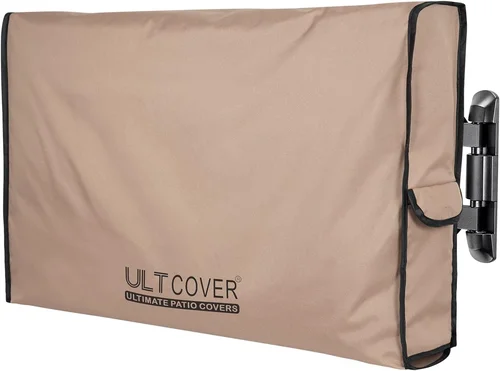
Expert Tips for Getting the Best Deal
- Buy During Off-Season: Prices drop significantly in late fall and winter (November–February) as retailers clear inventory. Many brands offer holiday promotions or bundle deals with mounts and soundbars.
- Shop Authorized Retailers: Purchase from certified dealers like Best Buy, Crutchfield, or directly from manufacturers. Avoid third-party sellers on marketplaces unless verified—counterfeit or refurbished units are common.
- Negotiate Bundles: Ask about package discounts when buying TVs with outdoor mounts, sound systems, or extended warranties. Some retailers offer free installation with qualifying purchases.
- Check for Rebates: Utility companies and green energy programs sometimes offer rebates for energy-efficient outdoor electronics. LG and Samsung occasionally run trade-in programs for old TVs.
- Read Return Policies: Ensure the retailer allows returns within 30–45 days, especially if you’re unsure about fit or performance. Outdoor TVs are difficult to resell, so flexibility is key.
- Test Before Finalizing: If possible, visit a showroom to compare brightness and color accuracy under simulated outdoor lighting. Bring a smartphone to check Wi-Fi signal strength in your intended location.
- Consider Refurbished Models: Certified refurbished units from reputable brands often come with full warranties and can save 20–30% off retail. Ideal for budget-conscious buyers who prioritize reliability.
- Plan for Future Upgrades: Choose a TV with HDMI 2.1, eARC, and Wi-Fi 6 to support next-gen gaming consoles, 8K content, and smart home integrations down the line.

Frequently Asked Questions
Q: Can I use a regular TV outside if it’s under a roof?
A: Technically yes, but it’s not recommended for coastal homes. Even under cover, indoor TVs are vulnerable to humidity, salt corrosion, and temperature extremes. Over time, this leads to component failure, screen fogging, or electrical issues. A purpose-built outdoor TV or certified enclosure is a safer, longer-lasting investment.
Q: How do I prevent my outdoor TV from fogging up?
A: Fogging occurs when moisture condenses inside the screen due to temperature changes. True outdoor TVs are sealed with desiccants or dehumidifiers to prevent this. Avoid DIY enclosures unless they include active ventilation or moisture control. Ensure proper airflow around the unit and avoid placing it in enclosed cabinets.
Q: Do outdoor TVs need special mounts?
A: Yes. Standard indoor mounts aren’t rated for outdoor wind loads or corrosion resistance. Use marine-grade, rust-proof mounts with secure locking mechanisms. Tilt or full-motion mounts allow better viewing angles and seasonal adjustments.
Q: Will an outdoor TV work in the rain?
A: Only if it has an IP65 or higher rating. These units are designed to withstand rain, snow, and hose-down cleaning. Never spray water directly on the screen or ports, even on waterproof models.
Q: How long do outdoor TVs last?
A: With proper installation and maintenance, high-quality outdoor TVs last 5–8 years or more. Coastal environments may reduce lifespan due to salt exposure, so regular cleaning and inspections are essential.
Q: Can I leave my outdoor TV on all the time?
A: Most modern outdoor TVs are designed for continuous use, but check the manufacturer’s guidelines. Avoid leaving static images (like news tickers) on screen for extended periods to prevent burn-in, especially on OLED models.
Q: Do I need a soundbar for outdoor TV?
A: Highly recommended. Built-in TV speakers are often muffled by wind and ambient noise. Weatherproof soundbars or outdoor speaker systems provide clearer, louder audio for movies, sports, and music.
Q: Are outdoor TVs energy efficient?
A: Many newer models are ENERGY STAR certified and use LED backlighting for lower power consumption. However, high-brightness modes do draw more power—consider using ambient light sensors to auto-adjust brightness.
Q: Can I install an outdoor TV myself?
A: If you’re experienced with electrical work and mounting hardware, DIY installation is possible. However, professional installation ensures proper grounding, cable management, and compliance with local codes—especially important in coastal flood zones.
Q: What’s the difference between partial and full outdoor TVs?
A: Partial-coverage models (like SunBriteTV Veranda) are for covered areas with minimal direct exposure. Full outdoor TVs (like SunBriteTV Pro) are sealed for open-air use, with higher IP ratings, brighter screens, and enhanced cooling.
Our Final Recommendations
Best for Budget-Conscious Buyers: SunBriteTV Veranda 55-inch – Offers excellent weather resistance, 700-nit brightness, and reliable performance for covered patios at a reasonable price. Ideal for shaded coastal decks.
Best Overall Value: Samsung The Terrace 65-inch (Partial Coverage) – Combines Samsung’s smart platform with outdoor durability, 1,000-nit brightness, and sleek design. Great for screened-in porches or covered lanais.
Best Premium Option: SunBriteTV Pro 2 Series 65-inch – Built for full exposure with IP65 rating, 2,000-nit brightness, and military-grade materials. Perfect for open decks or beachfront entertainment.
Best for Beginners: LG OLED Outdoor 55-inch – User-friendly interface, stunning picture quality, and solid weatherproofing. Easy setup and excellent for first-time outdoor TV owners.
Best for Advanced Users: Seura UltraBright 75-inch – Ultra-high brightness (2,500 nits), customizable mounting, and professional-grade build. Ideal for tech-savvy homeowners with large outdoor spaces.
Conclusion: Making the Right Choice
Choosing the right outdoor television for your coastal home is about more than just picture quality—it’s about resilience, reliability, and long-term enjoyment. The salty air, intense sun, and unpredictable weather demand equipment that’s engineered to thrive in harsh conditions, not just survive them. By prioritizing weather resistance, brightness, build quality, and smart features, you can transform your outdoor space into a true entertainment oasis that withstands the test of time.
Remember, the cheapest option isn’t always the best value. A poorly chosen TV may save you money upfront but cost you dearly in repairs, replacements, or missed movie nights. Take the time to assess your specific needs: How much sun does your space get? Is it fully covered or open to the elements? How many people will typically watch at once? Answering these questions will guide you toward the right size, type, and feature set.
We encourage you to use this guide as your roadmap—compare models, read real user reviews, and consult with professionals before making a decision. And when you do invest, treat it as part of your home’s outdoor ecosystem: pair it with quality sound, smart lighting, and comfortable seating for a complete experience. Your coastal lifestyle deserves nothing less than the best.
Now go enjoy those ocean views—with crystal-clear picture and total peace of mind.

