
Outdoor living spaces have evolved far beyond simple patios and balconies—they’re now extensions of our homes, complete with grills, seating areas, lighting, and yes, even televisions. Whether you’re hosting a summer barbecue, watching the big game under string lights, or enjoying a quiet evening with a movie under the stars, an outdoor TV can transform your balcony or patio into a true entertainment hub. But unlike indoor TVs, outdoor models face unique challenges: direct sunlight, rain, dust, temperature swings, and humidity. That’s why choosing the right outdoor television isn’t just about screen size or resolution—it’s about durability, visibility, and performance in harsh conditions.
This comprehensive buying guide is designed to help you navigate the often-confusing world of outdoor TVs in 2026. We’ll break down everything you need to know—from key technical specs and build quality to budget considerations and common pitfalls. By the end, you’ll have the confidence to select a TV that not only fits your space and lifestyle but also delivers stunning picture quality year-round, no matter the weather. The market has expanded significantly in recent years, with brands like Samsung, LG, SunBriteTV, and Seura offering specialized models tailored for outdoor use. However, not all “outdoor-ready” TVs are created equal, and understanding the differences is crucial to making a smart investment.

What to Look for When Buying Buying Guide
1. Weather Resistance & IP Rating
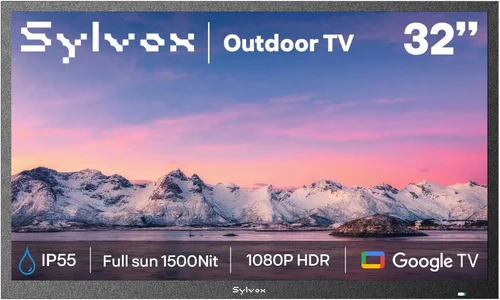
One of the most critical factors when choosing an outdoor TV is its ability to withstand the elements. Unlike indoor TVs, outdoor models must resist rain, snow, dust, and extreme temperatures. Look for TVs with a high Ingress Protection (IP) rating—specifically IP55 or higher. An IP55 rating means the TV is protected against low-pressure water jets from any direction and limited dust ingress, making it suitable for covered patios and balconies. For fully exposed areas, consider IP65 or IP66 ratings, which offer full dust protection and resistance to powerful water jets.
Additionally, check if the TV is certified for outdoor use by recognized bodies like UL (Underwriters Laboratories) or ETL. These certifications ensure the unit has been tested for safety and durability in outdoor environments. Avoid using indoor TVs outdoors—even under a roof—because they lack proper sealing and can overheat or short-circuit when exposed to moisture or temperature changes.
2. Brightness & Anti-Glare Technology
Sunlight is the enemy of screen visibility. A standard indoor TV typically peaks at around 300–500 nits of brightness, which is easily washed out in direct sunlight. Outdoor TVs, on the other hand, should deliver at least 700 nits, with premium models reaching 1,500 to 2,500 nits or more. This high brightness ensures the image remains clear and vibrant even at noon on a sunny day.
Equally important is anti-glare technology. Many outdoor TVs feature optically bonded glass or matte-finish screens that reduce reflections and improve contrast in bright conditions. Some models also include built-in light sensors that automatically adjust brightness based on ambient light, optimizing both visibility and energy efficiency. When comparing models, prioritize those with both high peak brightness and advanced glare reduction—this combination is essential for a watchable picture in daylight.
3. Build Quality & Durability
Outdoor TVs are built to last, but not all are constructed equally. Look for ruggedized enclosures made from powder-coated aluminum or stainless steel, which resist rust, corrosion, and UV degradation. The internal components should also be sealed to prevent moisture and dust from entering the chassis. Pay attention to the quality of the mounting hardware—outdoor TVs often come with specialized wall mounts designed to handle wind loads and secure the unit firmly to railings or walls.
Temperature tolerance is another key consideration. Quality outdoor TVs can operate safely in temperatures ranging from -22°F to 122°F (-30°C to 50°C), allowing them to function in both freezing winters and scorching summers. Cheaper models may claim outdoor use but fail in extreme climates, so always verify the operating temperature range in the product specifications.
4. Display Technology & Picture Quality
While brightness and durability are paramount, don’t overlook picture quality. Most outdoor TVs use either LED-LCD or OLED panels, but OLEDs are less common due to their susceptibility to burn-in and higher cost. LED-LCD remains the standard, with many models featuring Quantum Dot (QLED) technology for enhanced color accuracy and wider color gamuts.
Resolution-wise, 4K UHD is now the baseline for outdoor TVs, offering sharp, detailed images even on larger screens. HDR (High Dynamic Range) support—especially HDR10, HLG, and Dolby Vision—improves contrast and color depth, making movies and sports look more lifelike. However, keep in mind that HDR performance depends heavily on brightness, so ensure the TV’s peak luminance is sufficient to take full advantage of HDR content.
5. Audio Performance & Speaker Quality
Outdoor environments are noisy—wind, traffic, birds, and conversations can drown out weak audio. Many outdoor TVs come with built-in speakers, but their quality varies widely. Look for models with at least 20W of total power output and front-firing or side-firing speakers that project sound toward the viewer rather than downward.
For a richer audio experience, consider pairing your outdoor TV with a weather-resistant soundbar or wireless outdoor speakers. Some high-end models support Bluetooth or Wi-Fi audio streaming, allowing you to connect external speakers seamlessly. If you plan to host gatherings, investing in a dedicated outdoor audio system will significantly enhance the overall experience.
6. Smart Features & Connectivity
Just like indoor TVs, modern outdoor models come equipped with smart platforms such as Android TV, webOS, or Tizen. These allow you to stream content from Netflix, YouTube, Disney+, and other apps directly without needing an external streaming device. Ensure the TV supports the latest Wi-Fi standards (Wi-Fi 6 or 6E) for stable connectivity, especially if your balcony or patio is far from your router.
Connectivity options are equally important. Look for multiple HDMI ports (preferably HDMI 2.1 for future-proofing), USB ports, optical audio output, and Ethernet for wired internet. Some models also include built-in tuners for over-the-air broadcasts, which is useful if you want to watch local news or sports without a cable subscription.
7. Size & Viewing Distance
Choosing the right screen size depends on your available space and typical viewing distance. For balconies and small patios, a 43-inch to 55-inch TV is usually ideal. Larger decks or outdoor living rooms can accommodate 65-inch or even 75-inch models. As a general rule, your viewing distance should be about 1.5 to 2.5 times the diagonal screen size. For example, a 55-inch TV is best viewed from 6.5 to 11 feet away.
Also consider the TV’s depth and weight. Outdoor TVs are often thicker than indoor models due to weatherproofing, so ensure your mounting solution has enough clearance. Wall mounts should be rated for the TV’s weight and designed for outdoor use to prevent accidents in windy conditions.
8. Warranty & Customer Support
Outdoor TVs are a significant investment, so robust warranty coverage is essential. Most reputable brands offer 2- to 3-year limited warranties that cover defects in materials and workmanship. Some, like SunBriteTV, provide up to 5 years of coverage, reflecting confidence in their products’ durability.
Before purchasing, research the brand’s customer support reputation. Read reviews about response times, repair processes, and whether they offer on-site service or require you to ship the unit back. A strong warranty paired with responsive support can save you time, money, and frustration down the road.
Different Types of Buying Guide

Common Buying Mistakes to Avoid
❌ Mistake: Using an Indoor TV Outdoors
Why it’s bad: Indoor TVs lack weatherproofing and proper ventilation for outdoor conditions. Exposure to moisture can cause electrical shorts, while temperature extremes can damage internal components. Even under a roof, condensation and humidity can accumulate inside the chassis.
What to do instead: Always choose a TV specifically designed for outdoor use. These models feature sealed cabinets, corrosion-resistant materials, and enhanced cooling systems to handle environmental stress.
❌ Mistake: Ignoring Brightness Specs
Why it’s bad: A dim screen will be unwatchable in daylight, turning your outdoor TV into a decorative mirror. Many buyers focus on resolution or smart features but overlook peak brightness, resulting in disappointment.
What to do instead: Prioritize TVs with at least 700 nits of brightness, and aim for 1,000+ nits if you have direct sun exposure. Check reviews that mention real-world visibility in sunlight.
❌ Mistake: Overlooking Mounting Requirements
Why it’s bad: Standard indoor mounts aren’t designed for outdoor conditions. Wind, vibration, and weight distribution can cause instability or failure, risking damage to the TV or injury.
What to do instead: Use manufacturer-recommended outdoor mounts or consult a professional installer. Ensure the mount is rated for your TV’s size and weight and is securely anchored to a structural surface.
❌ Mistake: Skipping Audio Planning
Why it’s bad: Built-in speakers on outdoor TVs are often underpowered and muffled by ambient noise. Relying solely on them leads to a poor viewing experience, especially during gatherings.
What to do instead: Budget for a weatherproof soundbar or wireless outdoor speaker system. Look for models with Bluetooth or Wi-Fi connectivity for easy pairing.
❌ Mistake: Buying Based on Price Alone
Why it’s bad: Cheaper “outdoor” TVs may cut corners on materials, brightness, or sealing, leading to premature failure. A low upfront cost can result in higher long-term expenses due to repairs or replacement.
What to do instead: Balance budget with key features like IP rating, brightness, and warranty. Mid-range models often offer the best value for most users.
❌ Mistake: Not Checking Return Policies
Why it’s bad: Outdoor TVs are bulky and expensive to return. If the unit doesn’t perform as expected—especially in your specific environment—you could be stuck with a costly mistake.
What to do instead: Choose retailers with generous return windows (30 days or more) and free return shipping. Test the TV thoroughly during the return period.
Budget Guidelines: How Much Should You Spend?
- Entry-Level ($800–$1,500): These TVs are ideal for covered balconies or screened patios with minimal sun exposure. Expect IP55 ratings, 700–1,000 nits brightness, 4K resolution, and basic smart features. Brands like Seura and some Samsung models fall into this range. Great for casual viewers who want reliability without breaking the bank.
- Mid-Range ($1,500–$3,000): This is the sweet spot for most buyers. TVs in this tier offer IP65 ratings, 1,200–1,800 nits brightness, advanced anti-glare coatings, and robust smart platforms. Models from SunBriteTV and LG’s outdoor line deliver excellent performance in partially exposed areas. You’ll also find better audio and longer warranties here.
- Premium ($3,000–$5,000): Designed for fully exposed environments like open decks or poolside areas. These TVs feature IP66 ratings, 2,000+ nits brightness, extreme temperature tolerance, and premium materials. Expect top-tier picture quality, Dolby Vision support, and integrated audio systems. Ideal for enthusiasts who want the best performance and longevity.
- Luxury ($5,000+): Reserved for high-end residential or commercial installations. These include 8K models, custom finishes (like black stainless steel or wood grain), and professional-grade mounting solutions. Brands like Samsung’s The Terrace and SunBriteTV’s Pro series dominate this space. Perfect for luxury homes, hotels, or outdoor entertainment venues.
Expert Tips for Getting the Best Deal
- Shop During Off-Seasons: The best deals on outdoor TVs occur in late fall and winter (October–February), when demand is lowest. Retailers often discount inventory to make room for new models.
- Compare Retailers: Check prices across multiple platforms—Best Buy, Amazon, Crutchfield, and specialty outdoor electronics stores. Some offer bundle deals with mounts or soundbars.
- Look for Certified Refurbished Units: Many brands sell refurbished outdoor TVs with full warranties at 20–30% off retail. These are thoroughly tested and often indistinguishable from new models.
- Negotiate with Local Installers: If you’re hiring a professional for mounting and setup, ask if they offer package discounts on TV purchases. Some have partnerships with manufacturers.
- Read Professional Reviews: Sites like CNET, RTINGS.com, and Outdoor Electronics Review provide in-depth testing on brightness, durability, and real-world performance. Avoid relying solely on manufacturer specs.
- Check for Rebates: Some utility companies offer rebates for energy-efficient outdoor electronics. While rare, it’s worth a quick search.
- Test Before Committing: If possible, visit a showroom to see the TV in person. Pay attention to how the screen looks under bright lighting and how the interface responds.
- Prioritize Long-Term Value: A slightly more expensive TV with a better warranty and higher durability may save you money over time by avoiding repairs or early replacement.

Frequently Asked Questions
Q: Can I use a regular TV under a covered patio?
A: Technically, yes—but it’s not recommended. Even under cover, humidity, temperature swings, and dust can damage indoor TVs over time. Outdoor TVs are engineered to handle these conditions safely and reliably.
Q: Do outdoor TVs consume more power?
A: Yes, due to higher brightness levels. However, many modern models include energy-saving modes and automatic brightness adjustment to reduce consumption when full luminance isn’t needed.
Q: How do I protect my outdoor TV from theft?
A: Use locking mounts, install security cameras, and consider models with built-in anti-theft features like tamper alerts. For high-risk areas, removable portable TVs may be a better option.
Q: Can outdoor TVs be used in winter?
A: Yes, as long as they’re rated for low temperatures. Most quality outdoor TVs operate down to -22°F (-30°C). However, avoid turning them on immediately after extreme cold—allow them to acclimate indoors first if possible.
Q: Do I need a special antenna for outdoor TV?
A: Not necessarily. If your outdoor TV has a built-in tuner, a standard indoor antenna may work if placed near a window. For better reception, consider an outdoor-rated antenna mounted on your balcony rail.
Q: Are outdoor TVs compatible with streaming devices?
A: Absolutely. Most outdoor TVs have HDMI ports and support popular devices like Apple TV, Roku, and Amazon Fire Stick. Just ensure the device is protected from the elements or placed indoors with an extended HDMI cable.
Q: How long do outdoor TVs last?
A: With proper care, a quality outdoor TV can last 7–10 years or more. Regular cleaning, avoiding direct sun when not in use, and using protective covers can extend lifespan.
Q: Can I paint or modify an outdoor TV?
A: No. Altering the casing or painting the unit can compromise its weatherproofing and void the warranty. Always use manufacturer-approved accessories.
Q: What’s the difference between partial sun and full sun outdoor TVs?
A: Partial sun models (IP55) are for covered areas with indirect light. Full sun models (IP65/66) are built for direct exposure and offer higher brightness, better cooling, and enhanced durability.
Our Final Recommendations
- Best for Budget-Conscious Buyers: Seura 55″ Outdoor TV – Offers excellent value with IP55 rating, 1,000 nits brightness, and 4K HDR at under $1,500. Ideal for covered balconies.
- Best Overall Value: SunBriteTV Veranda 65″ – Combines IP65 protection, 1,500 nits brightness, Dolby Vision, and a 3-year warranty. Perfect balance of performance and price.
- Best Premium Option: Samsung The Terrace 75″ – Features IP66 rating, 2,000+ nits, 8K upscaling, and a sleek design. Built for luxury outdoor spaces.
- Best for Beginners: LG 55″ Outdoor Smart TV – User-friendly webOS interface, strong app support, and reliable performance for first-time outdoor TV owners.
- Best for Advanced Users: SunBriteTV Pro Series 65″ – Designed for commercial and extreme environments, with modular components, professional mounting, and 5-year warranty.
Conclusion: Making the Right Choice
Choosing the right outdoor TV for your balcony or patio is about more than just picking a screen that looks good—it’s about investing in a product that can withstand the elements while delivering exceptional picture and sound. From weather resistance and brightness to smart features and audio quality, every detail matters when you’re watching your favorite shows under the open sky.
Remember to assess your specific environment: Is your space fully exposed or covered? How much sunlight does it get? What’s your typical viewing distance? Answering these questions will guide you toward the ideal model. Don’t rush the decision—take time to compare specs, read reviews, and consider long-term value over short-term savings.
Ultimately, the best outdoor TV is one that matches your lifestyle, fits your budget, and enhances your outdoor living experience for years to come. Whether you’re streaming a movie on a quiet evening or cheering on your team during a backyard party, the right TV will make every moment more memorable. So go ahead—step outside, press play, and enjoy entertainment the way it was meant to be experienced: in the fresh air, under the sun, and surrounded by the people you love.

